
Hard (Tightening) Stomach During Pregnancy – Causes & Treatment
Wondering why your stomach feels tight during pregnancy? Get clarity on causes, timing and when to be cautious.





Medically Reviewed By
Dr. Sabiha Anjum
(Gynecologist/Obstetrician)

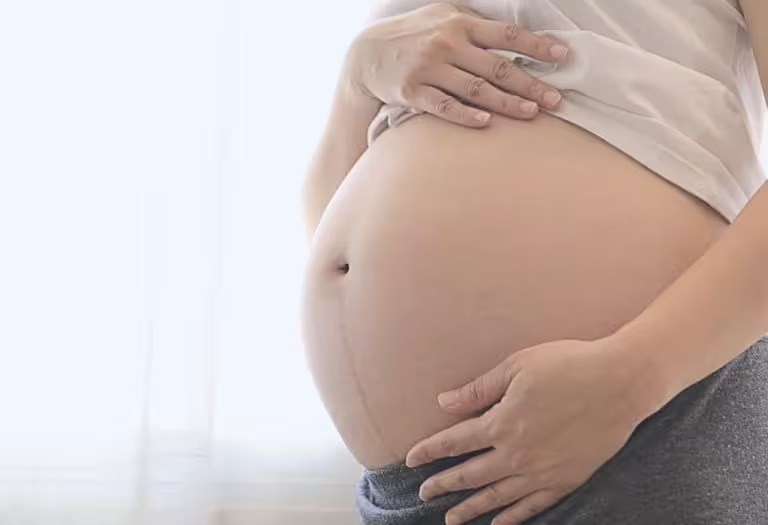
Pregnancy brings with it a lot of strange symptoms. On some days, you may feel stomach tightening in pregnancy, which can be a troublesome experience for you. Stomach tightening during pregnancy is a common occurrence, and many women notice their belly is hard during pregnancy because of it. Sometimes, a woman may experience this tightening sensation in the stomach from the first trimester itself, and it could be a sign of miscarriage in the early weeks, premature labour, or normal contractions. But this tightening sensation may persist towards the last few months of pregnancy too. Read on to know what it is and why you might experience abdominal tightening during pregnancy.
Also Read: Stomach Pain During Pregnancy
What Is Abdominal Tightening During Pregnancy?
Abdominal tightening is absolutely normal during pregnancy. As the pregnancy advances, the abdomen or the pregnant belly feels tight and heavy. As days pass, the discomfort may escalate as the stomach becomes hard like a rock. With a tight stomach in the second trimester, you may experience round ligament pain or sharp pain in your abdomen. In the 3rd trimester, abdominal tightening could be a sign of labour.
Is It Common to Experience Stomach Tightening While Pregnant?
Yes, experiencing stomach tightening during pregnancy is very common and is usually a normal part of the process. These sensations are often caused by Braxton Hicks contractions, which are sporadic, painless “practice” contractions that help tone the uterine muscles for labour. However, if the tightening of the tummy becomes regular, painful, or intensifies, it is crucial to contact your healthcare provider to rule out preterm labour.
How Abdominal Tightening Feels During Pregnancy
Abdominal tightening during pregnancy often feels like a gentle, involuntary clenching or squeezing sensation across your belly, making it feel firm and hard to the touch. It is typically described as less intense than a menstrual cramp and is often painless, though it can be uncomfortable. Some women compare the feeling of pregnancy stomach hardening to the hardening of a flexed muscle. This sensation can be brief, lasting from a few seconds to a couple of minutes, and usually subsides on its own, especially if it is a Braxton Hicks contraction.
Stomach Tightening During First Trimester
Abdominal tightening during early pregnancy or in the first trimester could be because of various reasons that are explained below.
1. Stretching of the Uterus
In the first trimester of the pregnancy, a woman’s uterus stretches rapidly to make space for the growing or expanding foetus. This could lead to sharp pain or abdominal cramps. In the first trimester of your pregnancy, you may also experience sharp, shooting pain on the sides of your abdomen due to the stretching and lengthening of the muscles, which is also called round ligament pain (1).
2. Miscarriage
In the first trimester of pregnancy, if you experience a tightening sensation in your stomach and pain, too, then it could be a sign of a miscarriage. If the tightening sensation in the stomach is, in fact, a symptom of a miscarriage, it will be accompanied by other symptoms like pain and cramping in the lower back, spotting or bleeding, and passing of tissue or fluid from the vagina (2). Look out for these signs, especially if you are less than 20 weeks pregnant. However, it is most common before the 12th week. It can even happen due to ectopic pregnancy (a condition in which the fertilised egg implants itself in the fallopian tube instead of the uterus).
3. Constipation/Gas
Constipation and gas are common problems in pregnancy, and most women experience them. During pregnancy, if you have a tightening sensation in your abdomen, it could be because of gas or constipation. You may also have abdominal pain, which can be very distressing (3).
Abdomen Tightening During the Second Trimester
Feeling your abdomen tighten in the second trimester can be a surprising development. Understanding the common reasons for this sensation can provide significant peace of mind.
1. Round Ligament Pain
As your body continues to grow in the second trimester, the stabbing pain along the sides of the uterus will continue too; this is round ligament pain. As your uterus expands, the round ligaments located along the side of the uterus will stretch, which can cause pain. You might experience it even more if you try to bend down or stand after sitting for a long time (4).
2. Braxton-Hicks Contractions
Braxton-Hicks contractions are similar to labour contractions, but NOT the same. These contractions may make your stomach very tight and stiff. And for some women, Braxton-Hicks Contractions may start as early as in the second trimester (5).
3. Pressure on the Abdomen
As the baby in the uterus begins to grow larger, the uterus puts pressure on the abdomen. It is then that the belly expands, making it stiff. In the 2nd trimester, as the baby grows, the amniotic fluid also automatically increases, which expands the abdomen.
Belly Tightening During the Third Trimester
As you enter the third trimester, episodes of belly tightening during pregnancy often become more frequent and noticeable. It’s helpful to recognise what typically causes these sensations in the final stages of pregnancy.
1. Uterine and Fetal Growth
The growing foetus and its movements are responsible for tightness in the stomach during pregnancy third trimester. Since the abdominal space is shared by the foetus and the internal organs, the abdomen bulges and stretches. The fat deposited under the skin also stretches it further. The gastric problem during the last trimester is also the reason behind the tightening of the stomach. However, if the tightening persists longer than usual, it could be a sign of labour.
2. Nearing Delivery Time
Contractions and stiffness in your belly during your estimated delivery date could be tricky. You may feel that you are going into labour, but it can be a false alarm too. You must learn to differentiate between Braxton-Hicks contractions and actual labour. For that, time your contractions – Braxton-Hicks contractions mostly last for about 30 seconds to 1 minute. Moreover, they come only once or twice an hour throughout the day. With the change of position, the stiffness of the belly also goes away. However, that is not the case during labour. The time gap between two consecutive contractions during labour isn’t much, and they last for a longer period of time.
Other Causes of Stomach Tightening While Pregnant
While Braxton Hicks and fetal growth are common culprits, other factors can also lead to a tight stomach during pregnancy. Exploring these additional causes can offer a more complete understanding of this frequent symptom.
1. Detached Placenta
The placenta is the life support for the growing foetus. It is through the placenta that the baby gets its food and nutrients. However, in some cases, even before the delivery, the placenta may detach from the uterine wall. In times like this, the uterus starts getting firmer than usual. This results in the tightening of the belly and is also accompanied by acute pain (6).
2. Baby’s Movements
Your baby’s kicks and movements could make you ticklish and giggly. You may feel good and relieved knowing that your baby is doing fine, but with every movement, your belly may get tighter from the outside.
3. Overeating
Many women think that during pregnancy, they should follow the old notion of ‘eating for two’. But that is not true! If you eat for two during pregnancy, you will end up overeating. This, in turn, might make your belly tight and stiff.
How Does Stomach Tightening Differ from Baby Kicks?
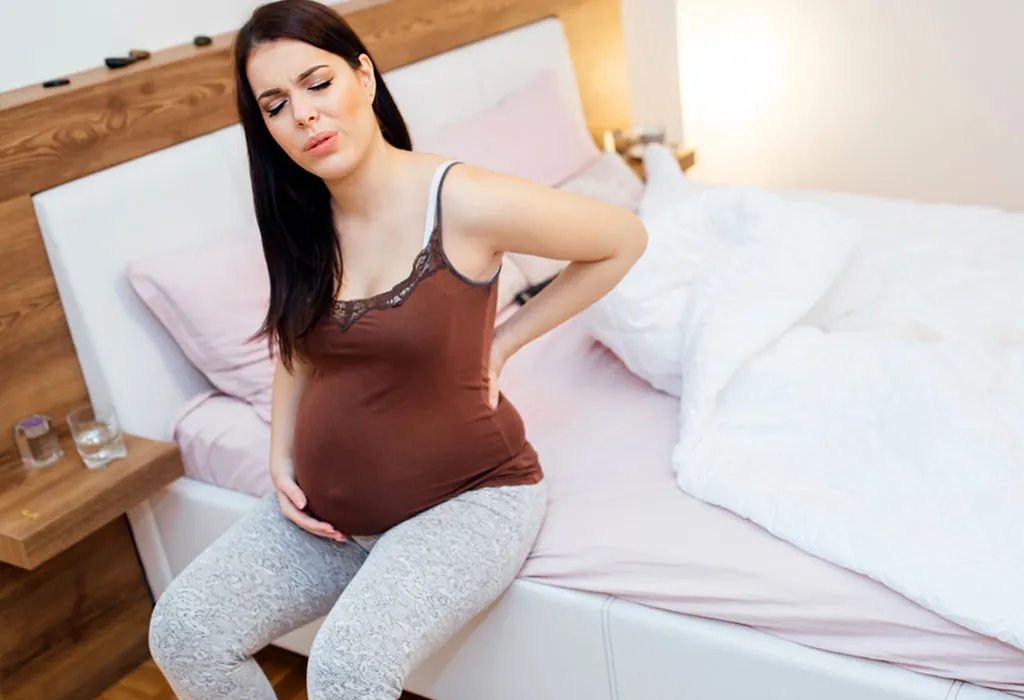
Stomach tightening and baby kicks are distinctly different sensations. A baby kick is a quick, sharp, or rolling jab that is often isolated to one area of the belly and can sometimes be prompted by sounds or foods. In contrast, stomach tightening is a broader, squeezing sensation that involves a larger section or the entirety of your abdomen becoming firm and hard for a period of time, from several seconds to a minute. While kicks are the baby’s movements, tightening is typically caused by the uterus itself contracting.
Why Does My Pregnant Belly Feel Hard Sometimes and Soft at Other Times?
The ever-changing tummy hardening in pregnancy is completely normal and is primarily due to the state of your uterine muscles. Your belly will feel hard during Braxton Hicks contractions, which are sporadic tightenings that prepare the uterus for labour, or when your abdominal muscles are stretched tight from the baby’s position. It will feel softer when your uterus is relaxed, the baby has shifted, or you change your posture, relieving the tension. This cycle of hardening and softening is a typical part of pregnancy as your body and baby continue to grow and change.
Treatment for Abdominal Tightening During Pregnancy
If your stomach feels tight and stiff during pregnancy, here is what you can do.
- If it’s a mild case of abdominal tightening, drink lots of water and fresh fruit juices to keep yourself hydrated.
- Sometimes, how you sit or stand decides the occurrence of Braxton-Hicks contractions. If you experience contractions while sitting or standing, try to change your position. Try putting your legs up or lying down.
- Don’t get up from a chair or bed too quickly. Take your time to do so.
- Consult your doctor and get yourself massaged well.
- Take a warm shower or a bath. You could also use hot water bags or heating pads.
- Sometimes drinking some warm milk or herbal tea can be both relaxing and hydrating.
These home remedies will relieve the stiffness in your belly. If you are less than 37 weeks pregnant and notice symptoms of preterm labour like bleeding, increased pressure in the pelvis, or continuous fluid leakage from the vagina, contact your doctor immediately. Apart from these symptoms, you should also talk to your doctor if you have had 4-6 contractions in an hour.
When Should You Call a Doctor?
A hard belly during pregnancy could be because of numerous reasons. However, you should call the doctor if:
- The tightness in the belly during pregnancy becomes more intense and painful.
- You have a hard tummy during pregnancy and you experience breathing difficulties.
- If the tightness occurs more than four times in an hour.
FAQs
1. How can you tell the difference between true labour and Braxton-Hicks contractions?
True labour or real labour contractions start after the 37th week (it can start early in case of preterm labour). The contractions come at regular intervals and, with time, become very painful. There may also be other signs of labour, like the leaking amniotic fluid (known as the breaking of water) and the release of the mucus plug.
On the other hand, during Braxton-Hicks contractions, the time interval is large and irregular. They are also not as painful as real labour. The pain and contractions may reduce and even go away if you move or change your position (7).
2. Is it safe to exercise if your stomach tightens up when you’re pregnant?
If stomach hardening during pregnancy is due to benign causes such as Braxton Hicks contractions, baby movements, or round ligament pain, exercising is likely safe. But if you have an uncomplicated pregnancy, physical activities do not increase the risk of miscarriage, low birth weight, or early delivery.
3. Can stomach tightening be a sign of uterine rupture and placental abruption during pregnancy?
A tight belly during pregnancy, along with pain, can be a symptom of placental abruption. But other symptoms usually accompany this, like vaginal bleeding, back pain, feeling faint, and decreased movements of the fetus.
Stomach tightening may also be a symptom of uterine rupture when pregnant, along with other symptoms, like fast heart rate, low blood pressure, abdominal pain, vaginal bleeding, and abdominal pain.
4. Is It Normal to Have Stomach Tightening After Sex During Pregnancy?
Yes, stomach tightening in early pregnancy and later is also normal after sex during pregnancy.
It is very common to find that during pregnancy, the stomach is hard at times, especially when experiencing Braxton Hicks contractions.. Stomach tightening during pregnancy can be painful and scary, but it’s part and parcel of most pregnancies. If you experience stomach tightening during pregnancy, try to understand the reason for it in the first place. However, if it lasts for a few days, consult your doctor.
Also Read:
Indigestion During Pregnancy
Hair on Stomach When Pregnant
Itching on the Stomach During Pregnancy
How Safe Is Sleeping on the Stomach in Pregnancy?
Was This Article Helpful?
Parenting is a huge responsibility, for you as a caregiver, but also for us as a parenting content platform. We understand that and take our responsibility of creating credible content seriously. FirstCry Parenting articles are written and published only after extensive research using factually sound references to deliver quality content that is accurate, validated by experts, and completely reliable. To understand how we go about creating content that is credible, read our editorial policy here.
1. Cleveland Clinic – Round Ligament Pain
3. Cleveland Clinic – Pregnancy Constipation
4. Pregnancy, Birth & Baby – Round ligament pain
5. National Library of Medicine – Braxton Hicks Contractions
6. Cleveland Clinic – Placental Abruption
7. American Pregnancy Association – Braxton Hicks Contractions – Causes, Symptoms & Pain Relief
- Author
- Expert Reviewer
 About the Author
Mrunal
Related Articles
-

Vaginal Bleeding or Spotting during Pregnancy
-
Urine Leakage During Pregnancy - Is It Normal?
-
Morning Sickness in Pregnancy - Causes, Symptoms, and Treatment
-
Creative Ideas for Throwing a Fall-Themed Baby Shower
-
Excessive Thirst During Pregnancy: Symptoms, Causes, and How to Deal
-
Bloody Show in Pregnancy: Causes, Symptoms & Labour Signs