
15 Self Regulation Activities for Kids to Build Focus and Patience
Try self regulation activities for kids to strengthen focus, manage emotions, develop patience, and build healthy habits.




Our editorial process ensures that the information we provide is well-researched and reliable. Learn more about our approach in the FirstCry Parenting editorial policy.
Key Takeaways
- Self regulation is a child’s ability to manage feelings, behaviour, and attention, and it grows with practice.
- Simple games, breathing exercises, and daily routines work well for toddlers, preschoolers, and kindergartners.
- Adults help most by staying calm, naming feelings, and modelling the skills they want to see.
- Short, playful sessions of 5 to 10 minutes are more effective than long lessons.
- Progress is gradual, so praise effort instead of perfect behaviour.
Every parent has seen a child melt down over a broken cracker or a lost turn. These moments are normal, because children are still learning to manage big feelings and busy bodies. They need time and practice to develop these skills, and everyday activities can offer just the right opportunities to learn. This article shares simple self regulation activities for kids that parents and teachers can use at home or in class. Each idea is easy to set up, needs few supplies, and helps children slow down, focus, and wait their turn with growing confidence.
What Is Self Regulation?
Self regulation is the ability to notice and manage emotions, impulses, and actions so they fit the situation. A child who takes a deep breath instead of throwing a toy, or who waits for a turn on the slide, is using this skill.
It develops over the early years with help from caring adults. Toddlers need a lot of support, while older children can handle more on their own. Activities to build self regulation in kids give them safe chances to practice before real challenges arrive.
Why Is Self Regulation Important for Kids?
Strong self regulation helps children in almost every part of life. Here are the main reasons it matters.
- Better focus: Children who manage distractions can listen, follow directions, and finish tasks.
- Calmer emotions: They learn to handle frustration, disappointment, and excitement without big outbursts.
- Stronger friendships: Waiting, sharing, and taking turns make playing together easier.
- School success: Kindergarten and early grades require sitting, listening, and staying on task.
- Healthy habits: Pausing before acting helps children make safer choices.
- Greater confidence: Handling hard moments builds a sense of “I can do it.”
Self Regulation Activities for Kids That Work
These activities suit different ages. Many work as self regulation activities for preschoolers, and some can be adapted as self regulation activities for toddlers with extra adult help. Pick a few and repeat them often.
1. Belly Breathing
Source: Pinterest
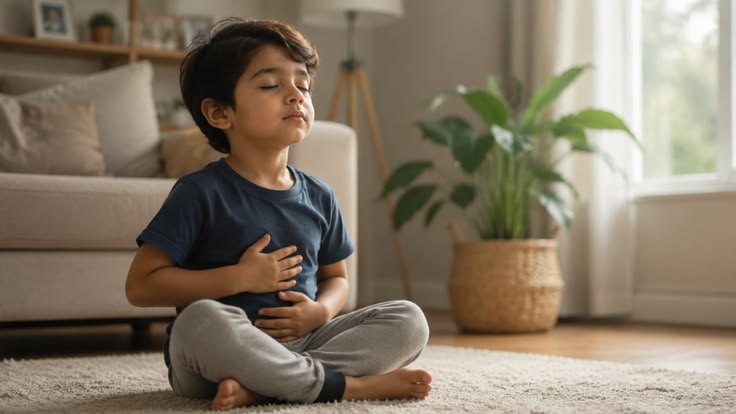
Ask your child to rest a soft toy on their belly and breathe in slowly so the toy rises. Breathing out makes it fall. This calms the body and works well before bedtime or after a tough moment.
2. Freeze Dance
Source: PInterest
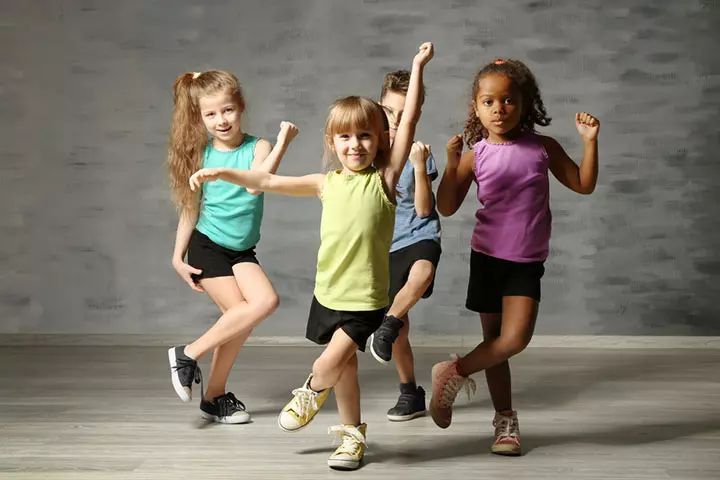
Play music and let children dance. When the music stops, they freeze. This teaches listening and stopping their bodies on purpose, and it is a favourite kindergarten self regulation activity.
3. Simon Says
Source: Pinterest
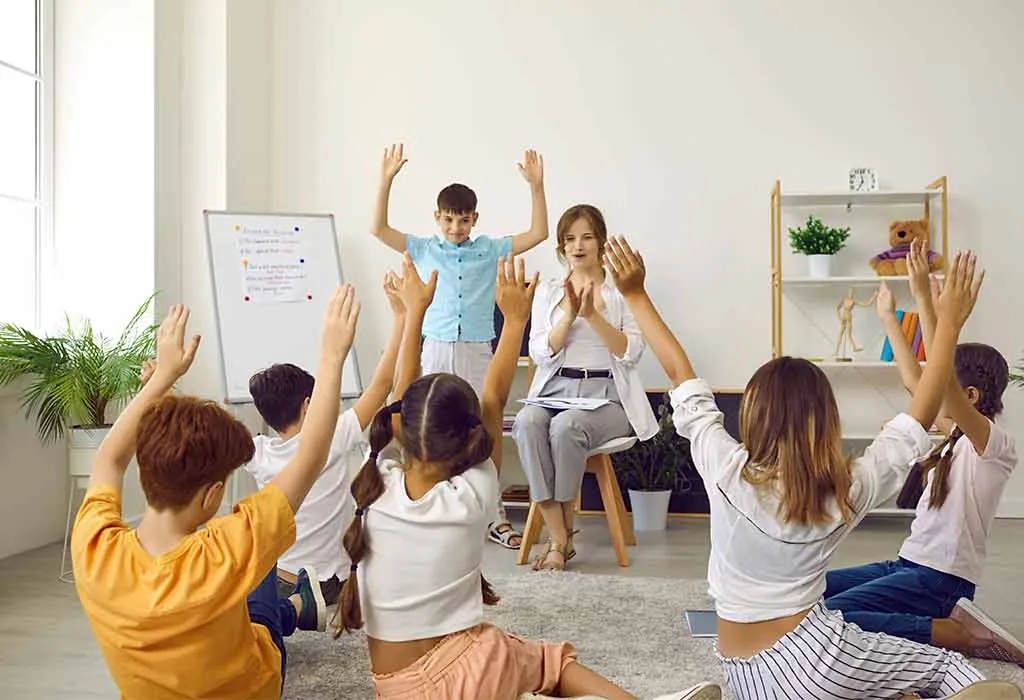
This classic game builds attention and impulse control. Children must listen closely and only move when the leader says “Simon says.” Let kids take turns being Simon too.
4. Red Light, Green Light
Children run on green, slow on yellow, and stop on red. The game practices speeding up and slowing down, which mirrors how they manage energy and feelings.
5. Calm Down Corner
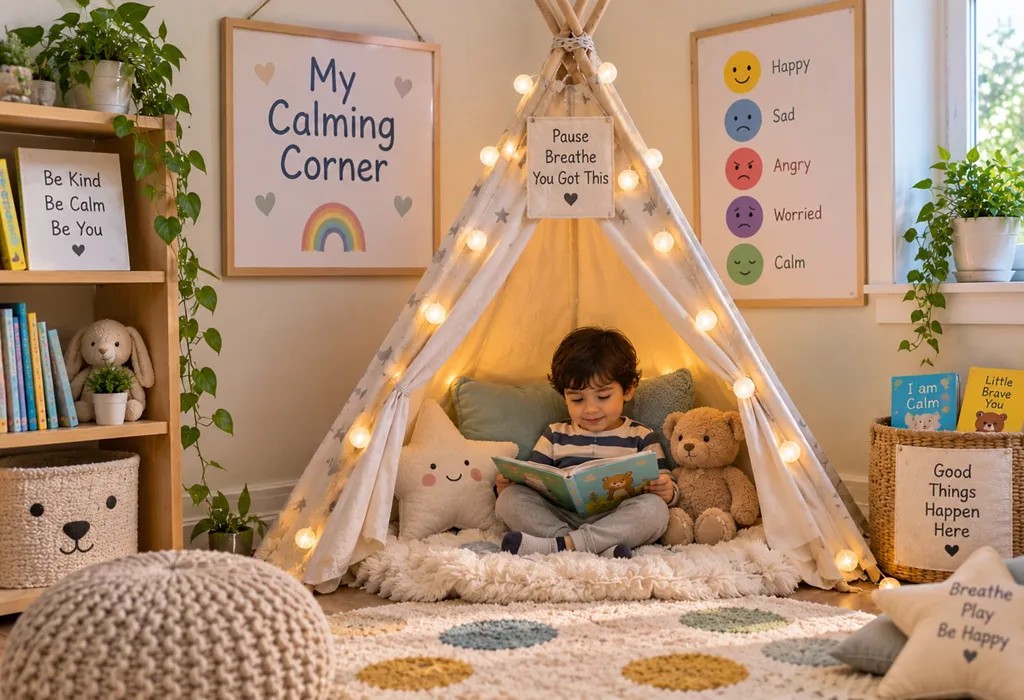
Set up a cosy spot with cushions, picture books, and a few quiet toys. Teach your child it is a place to rest and reset, never a punishment.
6. Glitter Jar

Source: Pinterest
Shake a jar of water and glitter, then ask your child to watch it settle. It shows how busy thoughts calm down when we stay still and breathe.
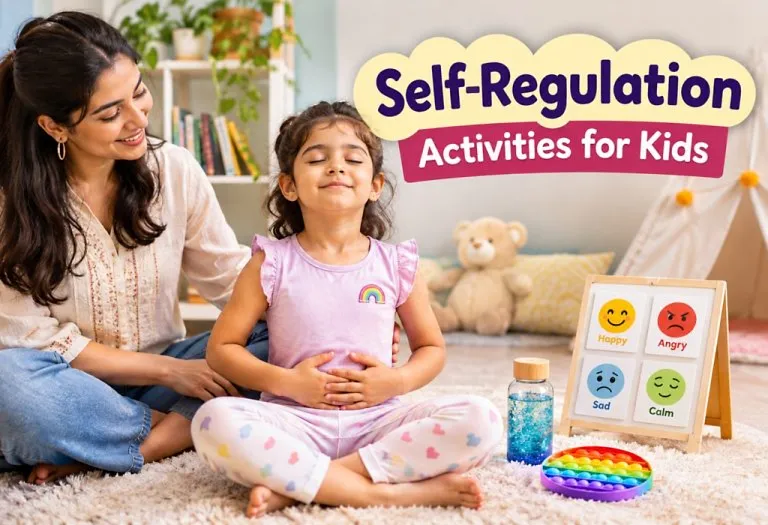
7. Feelings Check In
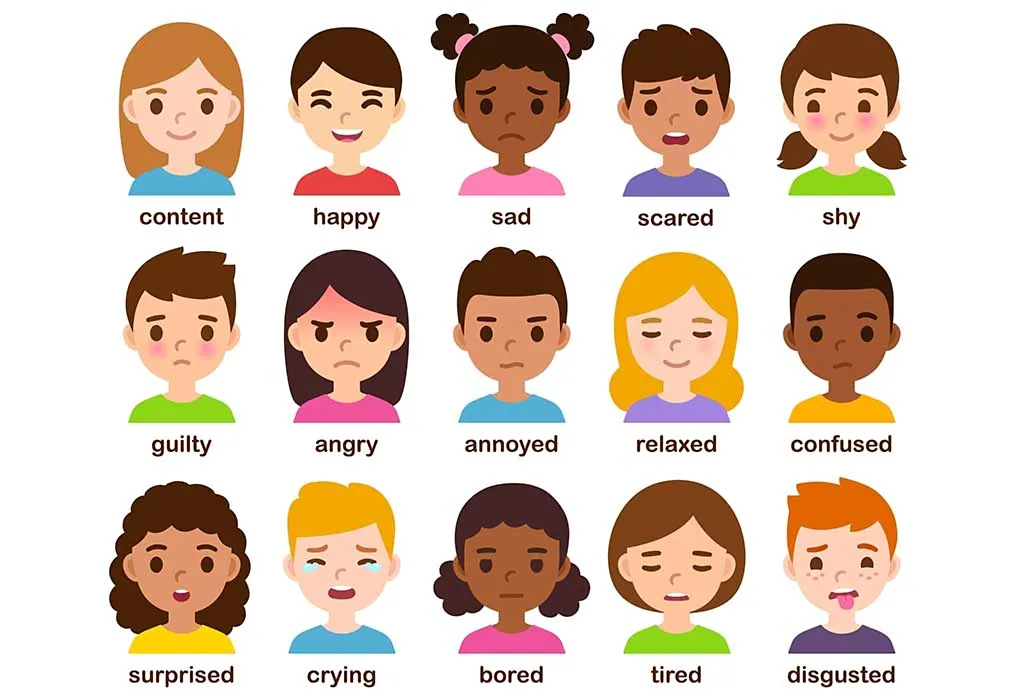
Use a chart of faces and ask, “Which face matches you today?” Naming a feeling is the first step to managing it, and it builds emotional vocabulary.
8. Pop the Bubbles
Blow bubbles and have your child take a deep breath in before blowing them out slowly. For toddlers, let them pop bubbles gently with one finger, which keeps hands busy and minds focused.
9. Stop and Go Drawing
Give your child a crayon and a sheet of paper. Draw when you say go, and lift the crayon when you say stop. This is a quiet way to practice listening and waiting.
10. Wait for It Snack Game
Place a small snack in front of your child and ask them to wait until you count to ten. Praise the effort and increase the time slowly. It teaches patience in a fun way.
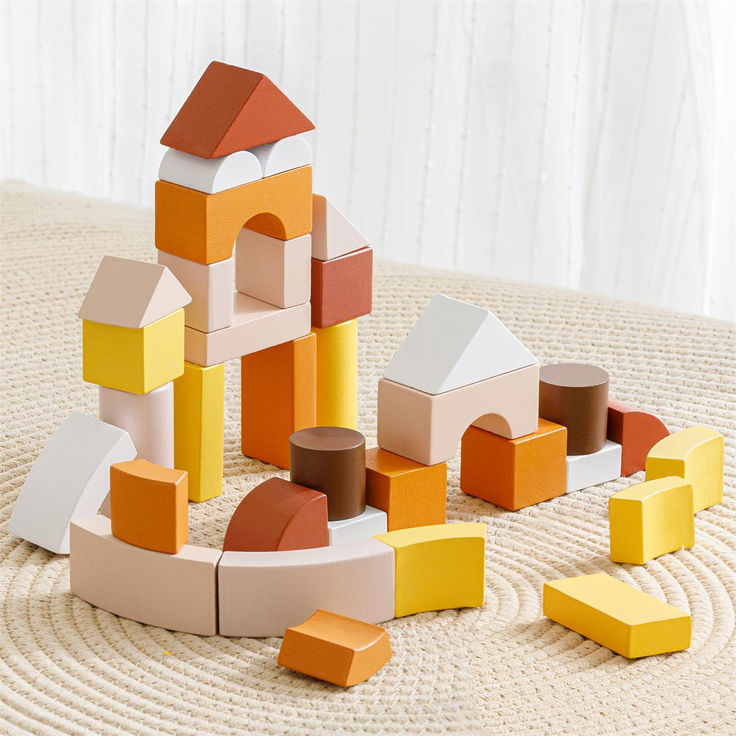
11. Building Block Turns
Source: Pinterest
Take turns adding blocks to a tower. Each child must wait while the other places a block. This is a simple way to practice sharing, patience, and gentle hands.
12. Five Senses Check
Ask your child to name five things they see, four they hear, three they feel, two they smell, and one they taste. This grounds busy minds and helps during worry or excitement.
13. Yoga Animal Poses
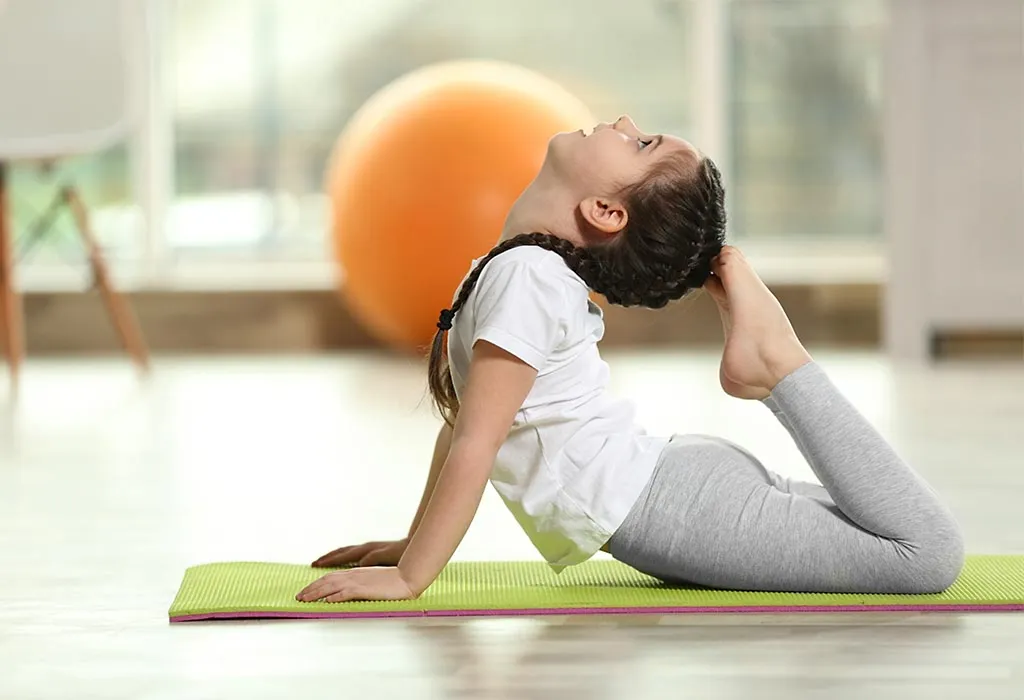
Try cat, cow, tree, and frog poses together. Slow movements and steady breathing help children feel in control of their bodies and are great as a morning routine.
14. Roleplay Tricky Moments
Use puppets or dolls to act out situations like losing a game or sharing a toy. Let your child suggest calm choices. Practicing first makes real moments easier.
15. Daily Routine Charts
Make a picture chart for morning, mealtime, and bedtime steps. Predictable routines reduce stress and help children know what comes next, which supports calm behaviour all day.
FAQs
1. At what age can children start learning self regulation?
Children begin learning from infancy through soothing and comfort from caregivers. By ages 2 to 3, they can try simple breathing or waiting games with help. Skills keep growing through the school years.
2. How often should we practice these activities?
Short daily practice works best. Five to ten minutes of play, plus using the skills during real moments, helps habits stick. Consistency matters more than length.
3. What should I do if my child has a meltdown?
Stay calm, keep your voice low, and make sure your child is safe. Name the feeling, offer comfort, and wait until they settle before talking about what happened. Teaching works best after the storm passes.
4. Are these activities useful in the classroom?
Yes. Teachers can use games like Freeze Dance, belly breathing, and feelings check ins with whole groups. They fit easily into transitions and morning circles.
Self regulation does not appear overnight, and every child learns at their own pace. Playful practice gives children the tools to pause, breathe, and choose their actions. Start with one or two activities that fit your child’s age and interests, and repeat them often. Stay patient, model calm behaviour, and celebrate small wins along the way. With steady support, your child will grow into a focused, patient, and confident learner.
Also Read:
Self Regulation of Emotions in Toddlers
Self Awareness Activities For Kids
Self Awareness in Your 21 Months Old
Was This Article Helpful?
- Author


Related Articles
-
Essay On River - 10 Lines, Short and Long Essay for Children & Students
-
15 Best Halloween Songs for Kids That Will Be Perfect for Party
-

International Day of Families - History and Significance
-
10+ Simple Potty Training Tips to Help Children Poo/Pee in the Toilet
-

How to Get Pregnant With Endometriosis?
-

How To Make a Food Pyramid for Your Kid