How to Get Pregnant With Endometriosis?
Learn how to fall pregnant with endometriosis through expert-backed treatments, fertility tips, and lifestyle changes that support conception.





Medically Reviewed By
Dr. Sabiha Anjum
(Gynecologist/Obstetrician)

This health content has been medically reviewed by qualified experts and follows the FirstCry Parenting editorial policy to ensure accuracy and reliability.
Amongst the various bodily issues that can affect a woman, endometriosis can be termed as one of the worst conditions. Not only does it cause a lot of pain, but there is also a strong link between its presence and infertility in women. It can make it difficult to conceive or carry the child to a full pregnancy term. Many women wonder if there is any point in trying to conceive after a laparoscopy for endometriosis, or should they opt for other fertility treatments or conception approaches altogether. Getting a better idea of what endometriosis does to your body, whether you can get pregnant with endometriosis, and how you can move ahead from it can help you make a decision that’s best for you.
What Is Endometriosis?
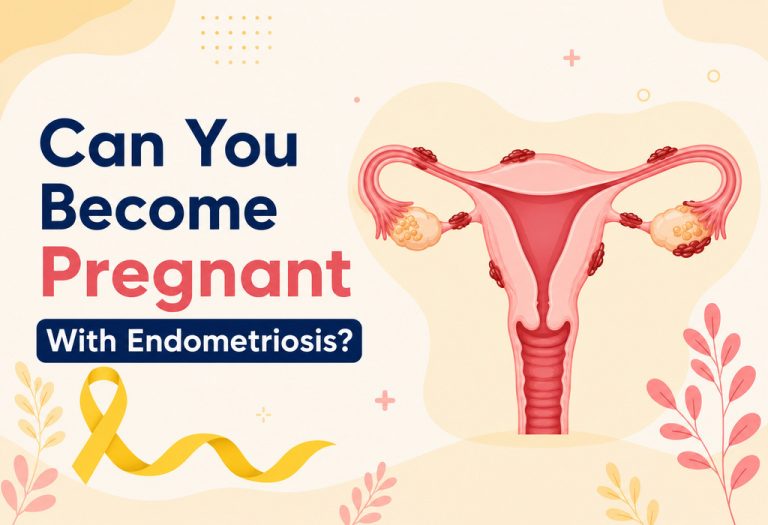
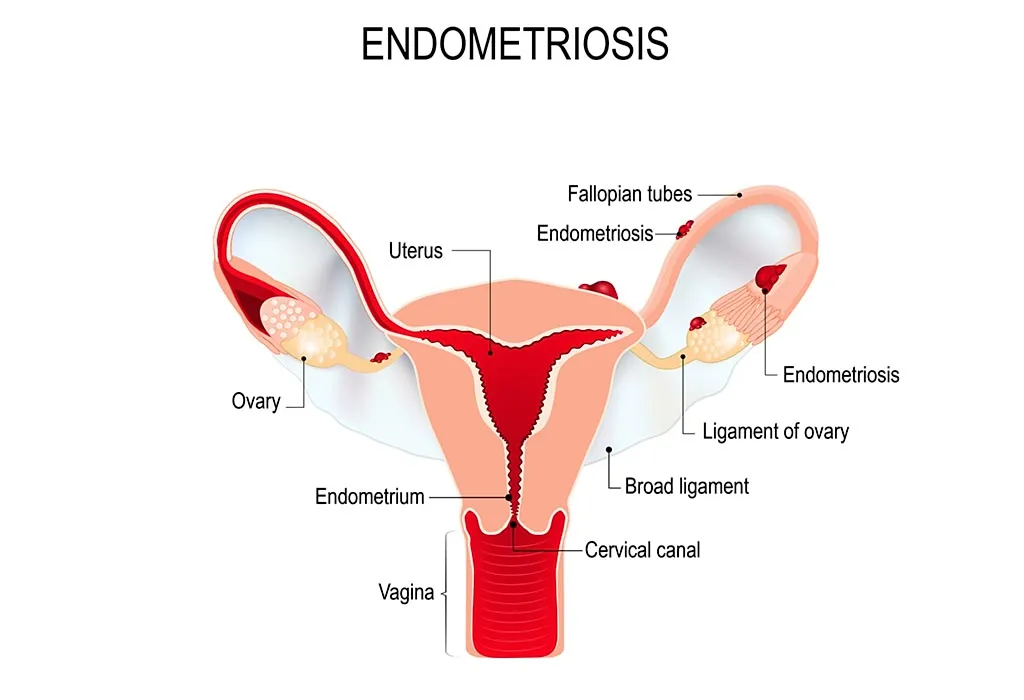
The reproductive system inside a woman’s body is quite a complex one. The uterus is the primary organ in the body that ultimately becomes the home for the child after a successful conception. During the menstrual cycle, if there is no conception, the lining inside the uterus sheds and emerges out of the vagina, which is termed as a period.
However, in endometriosis, the lining grows outside the uterus instead of within it and begins to interact with the organs surrounding the uterus. Therefore, it also fails to be shed during the menstrual cycle and tends to stay within the body. Such a condition can make menstruation a painful process for most women. Furthermore, any tearing away of the tissue as a result of hormonal fluctuations can injure the nearby organs as well (1).
How Does Endometriosis Affect Fertility
Since the lining of the uterus remains outside it in the case of endometriosis, there is a high chance of it interacting with other organs close to it in completely unintended ways.
The main Issue with endometriosis is trouble getting pregnant, which is infertility. About half of people affected with endometriosis have trouble getting pregnant (2). However, it does not mean infertility.
The primary ones in this regard are the fallopian tubes. For fertilisation to be successful, the egg released by a woman’s ovary should travel safely from the fallopian tubes up to the uterus, be fertilised, and then implant itself inside the uterus. In endometriosis, the outer lining presents a hindrance in the egg’s path, stopping it from reaching the uterus. In a few cases, the lining itself or the chemicals released in the body as a result of endometriosis react with the egg or the sperm in a harmful way, damaging them and making conception unsuccessful.
Women suffering from endometriosis often wonder if they could get pregnant. Well, there are ways that can help them conceive. Read on to know more.
How to Get Pregnant With Endometriosis
In some cases, the endometriosis is not as severe as it seems and repeated attempts at natural conception over a year or two can bear fruit at the end. If that doesn’t seem to work, doctors might prefer to carry out a minimally invasive surgery by means of laparoscopy to treat the condition. Severe cases of endometriosis might require advanced medical treatments along with the usual surgery itself.
What Are the Chances of Getting Pregnant with Endometriosis?
Many women with endometriosis are still able to get pregnant naturally. The chances often depend on factors, such as:
- Age,
- Severity of the condition,
- Ovarian health,
- Whether the fallopian tubes are affected.
Women with mild endometriosis may have better fertility outcomes than those with severe disease. However, even moderate or severe endometriosis does not always mean infertility. With proper treatment and medical support, many women successfully conceive.
Tips to Improve Your Chances of Conceiving with Endometriosis Naturally
For parents wondering how to get pregnant with endometriosis naturally, there are a bunch of useful tips you can try to increase your chances of having a child in a natural way.
1. Check Your Thyroid Levels
One of the key steps you can take to start improving your fertility and increase chances for conception is by taking a quick look at your thyroid levels. Various medical studies have established conclusive links between the presence of endometriosis and a reduction in the levels of thyroid hormone. If your thyroid gland is not as active as it needs to be, you can support it by taking iodine supplements and prescribed thyroid medication. They can work as corrective measures to balance your thyroid levels and help restore your health.
2. Take Fish-based Oil Supplement After Prescription
Usually, fish-based oils are also recommended in good quantities, as they positively influence a woman’s fertility. These oils are extracted from fish that are free from mercury pollution and are stabilised properly with the presence of vitamin E within them, keeping them safe from any kind of oxidation. Endometriosis causes intense inflammation within the body, leading to a lot of pain for the woman. Fish oil helps reduce this pain and improve the chances of a fertilised egg implanting successfully in the uterus. Opting for about 3g of fish oil every day is a good practice, to begin with. You may check with a gynaecologist, too, to confirm the amount.
3. Exercise Regularly and Moderately
Keeping your body in its peak health condition works tremendously in your favour to improve fertility and make it easier for you to conceive a child. Exercising has numerous benefits, including strengthening your muscles and bones by preparing them to cope with the changes your body will undergo when you get pregnant. The heart gets a workout as well, improving blood circulation and facilitating toxin removal and waste flushing in a highly effective manner. Your body’s endocrine function, which regulates the functioning of hormones, is highly stimulated by exercise and begins to work the way it should. All of these work in tandem to assist you with the issues surrounding endometriosis.
4. Strengthen Your Immunity With the Right Food
At times, the presence of the uterine lining that causes endometriosis can trigger the body to produce certain substances in order to handle it, which can inevitably be harmful to other parts of the body or even the eggs that need to be fertilised. Any addition of external allergic factors can further stimulate the body’s response and make it even more difficult. This can be handled by ensuring that the immune system itself is strengthened in the right manner. The inclusion of food items that are rich in probiotics, zinc, vitamin A, vitamin C and so on is essential since they provide the immune system with all the right nutrition it needs to function the way it should. Getting a medical test for allergies at this stage might work in your favour, as you can then stay away from the foods you are allergic to and keep yourself healthy.
5. Prefer Organic Produce
Be it vegetables or fruits of the healthiest variety, opting for the usual food products found in markets can expose your body to elevated levels of chemicals and substances used in pesticides and fertilisers to grow these plants. The usual ones, such as hexachlorocyclohexane or DDT, can affect the reproductive system and even cause miscarriages. Hence, it is in your favour to switch to organic food products, for the time being, to ensure that your pregnancy does not hit any needless roadblocks.
6. Cut Your Plastic Exposure
Plastic has now become ubiquitous in our way of life, quite literally invading every single aspect of our everyday being. Right from plastic water bottles, storage containers, to packed food items purchased from the market, plastic is pretty much everywhere. The most popular type of plastic (termed as soft plastic) is the most difficult to avoid nowadays. It contains PVC and other phthalates that leave traces of the chemicals in the food stored in them. If the chemicals enter the body, they end up befuddling the endocrine systems since they act as estrogen-mimicking elements and confuse the body into accepting false levels of the hormone. They could result in endometriosis, induced infertility, lowered immunity, defects in the unborn child, the development of asthma, etc. Avoiding soft plastics might deem it necessary to change your lifestyle substantially, but it is pretty much worth it.
Do Endometriosis Stages (Levels) Indicate Odds for Conception
Similar to a lot of other health-related conditions, the presence of endometriosis in your body can also be classified into various stages. These are usually defined prior to carrying out surgery and are based on the location of the endometrial lining, the amount of lining present, and the layers of deposits that have been created as a result of it. Based on these factors, a stage of endometriosis is assigned to the condition.
Beginning from Stage 1 down to Stage 4, each stage proceeds progressively in the severity of the endometrial condition. Though these stages are primarily meant for the doctor to understand the right way to treat it, there is a partial link between them and the chances of conceiving a child naturally, despite the presence of endometriosis.
Stages 1 and 2 are mild cases of endometriosis, where the organs haven’t been affected as severely as in advanced stages. Therefore, the chances of infertility in women with these stages of endometriosis are comparatively lower than those of women who might have stage 3 or stage 4 of endometriosis. Based on the severity and your doctor’s recommendation, you could either attempt to conceive naturally for a stipulated period of time or directly proceed with alternative methods of fertility treatment. That being said, it is not necessary that a woman with a lower stage of endometriosis severity will have successful fertility treatment in contrast to a woman with severe endometriosis; there is no link between that and the success of such approaches.
Can Endometriosis Increase Your Risk of Miscarriage?
The connection of endometriosis with the uterus has led many women to wonder whether there is an increased risk of miscarriage as a result of suffering from this condition. There is no evidence that endometriosis causes women to have repeated miscarriages (3).
However, several studies have certainly observed links between the two and several other pregnancy outcomes (4). However, the connection between miscarriages and the presence of endometriosis has only existed in women who have had the condition cause infertility within them. If women can successfully conceive despite suffering from endometriosis, then their chances of facing a miscarriage are minimal.
The severity of endometriosis plays an important role, as well. If 22 per cent of women tend to be at a risk of miscarriage in the absence of endometriosis, this same percentage increases up to 35 per cent in the presence of the condition. However, research into the severity of the condition has provided unconventional results. The possibility of miscarriage in women with stage 1 or stage 2 endometriosis was defined to be around 42 per cent, whereas the same for women in stages of severe endometriosis was termed to be 31 per cent. A line of thought that seems to explain this revolves around the fact that mild endometriosis has the highest chance of causing inflammation within the woman’s body. This inflammation, in fact, could be involved in a miscarriage taking place.
Fertility Treatment for Women Having Endometriosis
Doctors may recommend different fertility treatments depending on the severity of endometriosis and how long the couple has been trying to conceive.
Common fertility treatment options include (5):
- Fertility medicines to stimulate ovulation
- Intrauterine insemination (IUI)
- Laparoscopic surgery to remove endometriosis tissue
- In vitro fertilisation (IVF) for severe fertility issues
The treatment plan is usually personalised based on age, symptoms, and reproductive goals.
Will IVF Treatment Worsen Endometriosis Pain
For a large number of women looking to successfully conceive, endometriosis infertility treatment is a logical option. Amongst this, IVF remains a popular choice given its comparatively higher success rate as compared to other fertility treatments. However, there seem to be a few reasons why many women are still cautious about it.
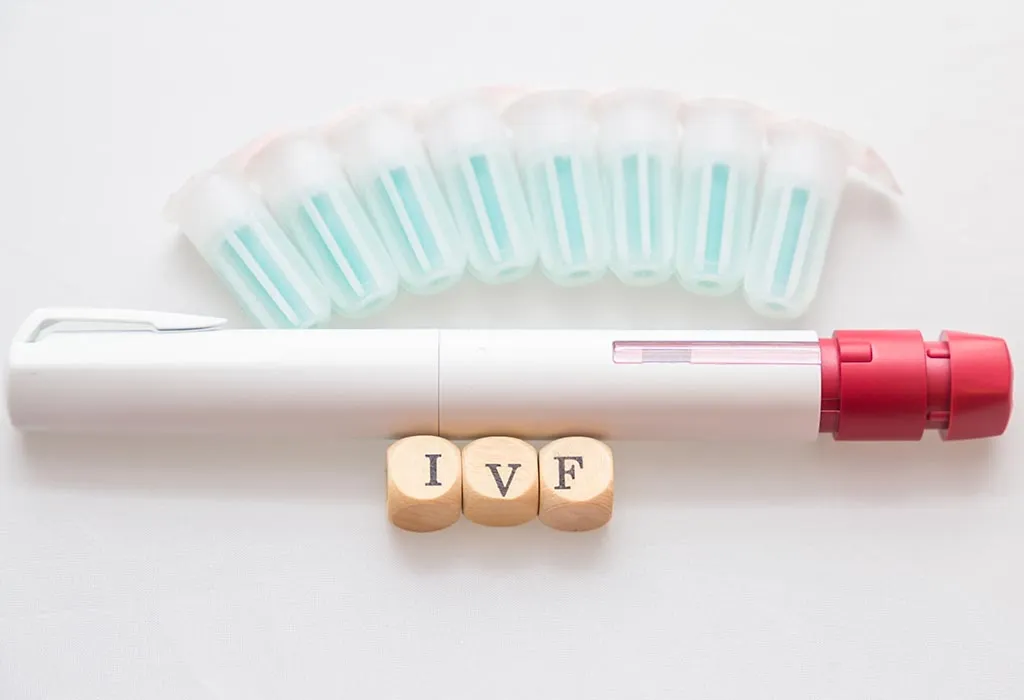
Infertility treatments, such as in-vitro fertilisation, require women to take medication to boost the production of eggs in a short period of time so that they can be acquired successfully and then used in fertilisation with sperm. The drugs are known to influence the levels of estrogen within the body to cause enhanced egg production. But, there seems to be a cause of worry amongst people regarding the use of medication, since it might lead to increasing the layers of endometriosis as a result, and lead to even more pain in the women suffering from the condition.
Within the realm of research, a bunch of cases wherein women with the condition undergoing IVF treatment have complained about an increase in pain as a result of it. But there has been no study or any conclusive evidence to link the two together. Various medical tests have been conducted on a group of women with and without endometriosis. They have not revealed such cases to be replicated when the women opted for IVF treatment.
Facts About Endometriosis and Fertility
Here are some important facts about endometriosis and fertility:
- Endometriosis can cause inflammation that affects egg quality and implantation.
- Some women discover they have endometriosis only during fertility testing.
- Pregnancy is possible even with severe endometriosis in some cases.
- Early diagnosis and treatment may improve fertility outcomes.
- Not every woman with endometriosis experiences infertility.
When to Consult a Doctor
It is best to consult a doctor if you experience:
- Painful periods, along with heavy bleeding,
- Difficulty conceiving for 6–12 months,
- Chronic pelvic pain or painful intercourse,
- Unusually heavy or irregular periods, and
- Ongoing low mood or anxiety
FAQs
Given the complexity of endometriosis, many women have queries and doubts regarding various risks associated with it and the alternatives that might exist in treating the endometrial lining surgically. Below are some frequently asked questions.
1. Can you conceive with endometriosis without surgery?
Women who have mild endometriosis might choose to attempt natural conception and could try to conceive over a year’s time or so. There might be rare cases wherein conception is not successful, but on a general basis, the chances of that happening are quite low. Taking medication and pain relievers can work towards reducing the effects of endometriosis, but unless the core of it is handled medically, conception cannot take place. Whether the endometriosis is severe or mild, undergoing minimally invasive surgical procedures by means of laparoscopy can help treat the condition altogether, and substantially improve the chances of conceiving naturally.
2. Can mild endometriosis still affect fertility?
Yes, even mild endometriosis is capable of affecting fertility by causing inflammation or changes in the pelvic environment that make conception harder.
3. Is getting pregnant possible with untreated endometriosis?
For some women, the presence of mild endometriosis might be nothing more than an irritating phenomenon. They might thus delay the treatment as much as they can and attempt to get pregnant sooner. However, the pain due to the condition is not what stops them from getting pregnant. It is the presence of the outer lining itself, which can harm the surrounding organs and directly interfere with the fertilisation of the egg, or even damage the sperm. Therefore, no matter what you try, achieving pregnancy is extremely unlikely unless the endometriosis is treated properly with surgery, restoring your reproductive system to its peak fertility.
4. Can women with endometriosis conceive naturally without treatment?
Yes, many women with endometriosis conceive naturally, especially when the condition is diagnosed early and managed properly.
5. Are there chances of getting pregnant with one tube and endometriosis?
Since a woman has two fallopian tubes that release the eggs, in a few cases, the endometriosis can block one tube, rendering it ineffective, but the other tube might be completely untouched. The chances of conception remain unchanged and are not dependent on the number of tubes that are working in a woman. If one tube is able to release an egg successfully, then your chances of pregnancy remain just the same as before. In a few cases, endometriosis might block only one tube, but the severity of it might be immense. This might make it necessary to opt for IVF to have a baby, instead of going the natural way.
6. What is the risk of getting pregnant with endometriosis?
The reason most doctors advise against women getting pregnant with an existing condition of endometriosis is purely due to the possibility of it affecting the development of the child. The chances of complications in pregnancy or even during the delivery increase in the presence of endometriosis. Apart from facing miscarriage or premature birth, endometriosis can even result in hindered labour, extreme bleeding after delivery, unexpected rupturing of the uterus, displacement of the placenta, and so on. Conception might be successful even with endometriosis, but carrying the baby to a full-term and delivering successfully can face numerous roadblocks.
7. Does pregnancy cure endometriosis permanently?
No, pregnancy may temporarily reduce symptoms in some women, but endometriosis can return after delivery or when periods resume.
Endometriosis is quite a complicated condition that can affect some women at any point in their lifetime. Undertaking certain lifestyle changes or making use of home remedies for endometriosis and infertility might be effective for the time being and make it possible to conceive a child successfully. However, carrying out laparoscopic surgery and treating endometriosis is in your best interest and that of your future baby, to ensure a proper conception, a safe pregnancy, and a successful childbirth.
Also Read:
Chances of Getting Pregnant on Birth Control
Can Women Ovulate More than Once a Month?
How to Get Pregnant With an Irregular Period?
Can You Get Pregnant Before, During and After Periods?
Was This Article Helpful?
Parenting is a huge responsibility, for you as a caregiver, but also for us as a parenting content platform. We understand that and take our responsibility of creating credible content seriously. FirstCry Parenting articles are written and published only after extensive research using factually sound references to deliver quality content that is accurate, validated by experts, and completely reliable. To understand how we go about creating content that is credible, read our editorial policy here.
- Author
- Expert Reviewer