

Bleeding From Anus in Pregnancy: Causes, Symptoms, & Treatment
Learn why bleeding from the anus can occur in pregnancy, what symptoms to watch for, and safe treatment options to protect your comfort.





Image Credit : AI Generated Image
In this Article
- What Is Rectal Bleeding During Pregnancy?
- How Common Is It?
- Symptoms of Bleeding From the Anus While Pregnant
- Causes of Bleeding From the Anus When Pregnant
- Rectal Bleeding Diagnosis
- Rectal Bleeding Treatment and Remedies During Pregnancy
- Prevention
- Will This Bleeding Harm Your Baby?
- When to Call the Doctor
- FAQs
View More
Experiencing anal bleeding during pregnancy can be a concern for expectant mothers. Some may even experience bleeding with stool during pregnancy. While it’s not uncommon, understanding the underlying causes, along with effective remedies and preventative measures, is crucial for maternal well-being. This article delves into the potential reasons behind rectal bleeding during pregnancy, ranging from haemorrhoids to more serious conditions. Moreover, it provides practical remedies to alleviate discomfort and offers preventive strategies to minimise the likelihood of recurring episodes of bleeding from the anus when pregnant. By gaining comprehensive knowledge about anal bleeding during pregnancy, expectant mothers can make informed decisions and seek timely medical attention for a smoother, healthier pregnancy journey.
What Is Rectal Bleeding During Pregnancy?
Rectal bleeding, or anal bleeding, is usually a result of anal fissures. An anal fissure is a small tear in the tissue that lines the anus. It is quite common to see bright red blood after bowel movement during pregnancy and after birth, usually when passing hard stools. Blood in the stool due to anal fissures can cause a burning sensation after a bowel movement (1).
How Common Is It?
Towards the latter stages of pregnancy, experiencing rectal bleeding is relatively common. Approximately 25% of pregnant women develop haemorrhoids by the third trimester, while about 1% may experience an anal fissure during late pregnancy, which is one of the common causes of bleeding from anus in pregnancy. The likelihood of encountering an anal fissure increases postpartum, with around one in seven mothers facing this issue after childbirth.
Symptoms of Bleeding From the Anus While Pregnant
There are various symptoms of anus bleeding in early pregnancy, a few of which are listed below:
- Fever
- Stomach pain
- Nausea
- Vomiting
- Changing bowel habits
- Prolonged or severe diarrhoea
- Irregular bowel movement (denoted by narrow and thin stools called ‘pencil-stools’)
Other noted symptoms that indicate the need to undergo emergency medical treatment for pregnancy rectal bleeding are:
- Black or maroon stools
- Large volumes of blood loss
- Rectal trauma accompanied by difficulty in breathing
Causes of Bleeding From the Anus When Pregnant
Rectal bleeding mostly occurs due to anal fissures or haemorrhoids (2). Pregnant women are often prone to constipation, due to which they pass hard stools. This can strain the rectum during bowel movements.
Taking high-dosage vitamin medications can also cause constipation and irregular bowel movements in women. A lack of fibre in the diet can sometimes trigger problems with bowel movement, increasing the chances of rectal bleeding.
Haemorrhoids can also cause blood in the stools (3). They are caused by excess strain on the rectal veins, and pushing and straining, especially due to constipation, can worsen them (4).
Less common causes of anus bleeding during pregnancy include (5):
- Anal cancer
- Colon cancer
- Colon polyps (a condition where a clump of cells forms on the lining of the colon, i.e., the large intestine)
- Inflammation of the rectum
- Diverticulosis (a condition where pouches form in the wall of the large intestine)
- Crohn’s disease (an inflammatory bowel disease)
- Diarrhoea
- Rectal cancer
- Ulcerative colitis (a condition that causes inflammation and sores in the lining of the large intestine)
Rectal Bleeding Diagnosis
A physical examination is done to treat rectal bleeding and diagnose its origins. Low blood pressure and elevated heartbeat are major indicators of high-volume blood loss due to rectal bleeding, warranting emergency medical treatment. A vital diagnostic test involves passing a flexible tube into the stomach to check for signs of active bleeding. The anus is inspected to check for external sources of bleeding, such as trauma, and a finger examination may entail assessing the characteristics of stool, tenderness, and checking for the presence of masses. Regarding blood loss volumes, blood samples are taken to the lab to assess blood clotting factors and check for signs of infection.

Other common diagnostic tests involve anoscopy, flexible sigmoidoscopy, Barium enema X-rays, CT scans, and angiography. Colonoscopy can be used to examine the inside of the rectum. These diagnostic tests involve checking for tumours in the anus and examining the lower ends of the colon to check for brisk/active bleeding. Additionally, nuclear medicine studies can be used to tag red blood cells and pinpoint regions in the colon where slow bleeding occurs.
Rectal Bleeding Treatment and Remedies During Pregnancy
Minor rectal bleeding can be treated with home remedies, while severe cases require medical treatment at the hospital. The most common home remedies for rectal bleeding during pregnancy are (6):
- Eating high-fibre foods that relieve constipation, such as green vegetables like beans, squash, prunes, figs, and nutrient-dense meals rich in Omega-3 fatty acids supplemented with probiotics. Warm bone broths and herbal teas also work. Avoid alcohol and spicy foods.
- Consuming adequate amounts of water throughout the day.
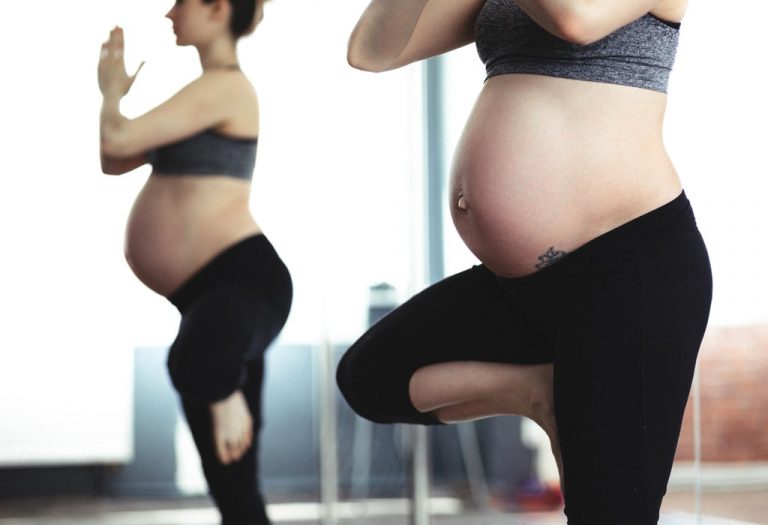
- Getting enough exercise and jumping on a trampoline to relieve the lymphatic system also works. Light exercises like jogging, swimming, yoga, and low-impact routines can gently regulate bowel movements and enhance bowel function.
- Including probiotics in the diet helps alter the colonic flora and improve bowel function, thereby reducing constipation (7).
- Stress-reduction techniques and incorporating relaxation routines into one’s daily life are also helpful. Reducing stress helps the rectum heal and allows the body to improve its inflammatory response naturally, thereby reducing inflammation and the risk of further complications.
- If haemorrhoids are the reason for rectal bleeding, the doctor may prescribe treatment options, such as over-the-counter remedies, ointment to relieve pain associated with haemorrhoids, or surgical interventions after delivery (5).
Note: Make sure to check with your doctor before starting any new foods or exercises during pregnancy.
Prevention
The most common ways to prevent rectal bleeding in pregnancy are:
- Allow yourself to go to the bathroom when the urge arises, and do not forcefully withdraw from discharging stool when needed.
- Make sure your diet is loaded with high-fibre content, vitamins, minerals, and essential fatty acids. This can help prevent rectal bleeding.
- Get regular exercise and relaxation.
- Stay hydrated, and make sure you drink fluids every day to reduce the chances of constipation.
- Avoid medications with high doses of iron since they can cause constipation. Ask your healthcare provider to replace them with safe, over-the-counter fibre supplements.
Will This Bleeding Harm Your Baby?
No. Rectal bleeding can occur weeks after the baby’s birth, too. It does not harm babies in any way during either pregnancy or childbirth.
When to Call the Doctor

If you’re experiencing the following symptoms, then calling the doctor is recommended. These signs should be evaluated by a doctor.
- Vaginal bleeding
- Low blood pressure
- Elevated heart rates
- Experiencing rectal bleeding despite following home treatment protocols
- Signs of bleeding accompanied by back pain
- Pain in the abdomen
You may be prescribed a laxative to take during pregnancy. Discomfort caused by rectal bleeding can be eased by gently wiping the anus-area with a fragrance-free and alcohol-free toilet wipe rather than using conventional bathroom tissues.

Healing of anal fissures automatically occurs weeks after the pregnancy. Experiencing Piles, which leads to added pressure on the rectum area and causes inflammation, is common during pregnancy. Consider taking paracetamol if the pain in the rectum persists despite having frequent bowel movements and taking multiple trips to the bathroom.
Rectal bleeding that occurs from haemorrhoids and anal fissures automatically goes away as the body heals itself after pregnancy. If you are not sure where the bleeding originates from, be it from the rectum or vagina, you should consider making a call to the doctor.
FAQs
1. Is pooping blood during pregnancy normal?
Yes, rectal bleeding or anal bleeding during pregnancy is quite common due to many factors, such as constipation, anal fissures, and haemorrhoids (8). About two-thirds of pregnant women experience peri-anal disease, including haemorrhoids and anal fissures, in a 2018 study. The incidences peaked in the third trimester and after giving birth (9).
2. Is rectal bleeding more common during certain trimesters?
While haemorrhoids and anal fissures can occur at any time during pregnancy, they mostly happen when the uterus gets larger or when you are constipated. A 2022 study observed that the incidences of anal fissures and haemorrhoids were most likely in the third trimester of pregnancy when the uterus is under more pressure and occurrences of constipation are high (10). Thus, it can be said that the possibility of blood in stool during pregnancy in the 1st, 2nd, and 3rd trimesters is there, although it may vary greatly, with high chances in the last trimester and after birth and less chances in the first and second.
3. Can anal bleeding harm my baby?
Anal fissure or piles do not affect the foetus, and rectal bleeding rarely means any problem. Nonetheless, similar to any type of bleeding that occurs during pregnancy, it is best to inform your doctor about the incidence, frequency, and any oddity accompanying it.
While rectal bleeding while pregnant is usually no cause for serious concern, it is always best to take the required precautions. Also, pay a visit to the doctor if the symptoms are intense and persistent.
Also Read:
Vomiting Blood in Pregnancy
Symptoms of Implantation Bleeding
Pain in Buttocks During Pregnancy
Causes of Watery Discharge while Pregnant
Was This Article Helpful?
Parenting is a huge responsibility, for you as a caregiver, but also for us as a parenting content platform. We understand that and take our responsibility of creating credible content seriously. FirstCry Parenting articles are written and published only after extensive research using factually sound references to deliver quality content that is accurate, validated by experts, and completely reliable. To understand how we go about creating content that is credible, read our editorial policy here.
2. Europe PMC – Evaluation and management of rectal bleeding in pregnancy.
3. Pregnancy Birth and Baby – Haemorrhoids during pregnancy
4. Stanford Medicine – Hemorrhoids and Varicose Veins in Pregnancy
5. Yale Medicine – Rectal Bleeding
6. NCT – How to cope with common discomforts during pregnancy
7. PubMed Central – Treating constipation during pregnancy
8. American Pregnancy Association – Constipation During Pregnancy
9. PubMed – Anorectal symptoms during pregnancy and postpartum: a prospective cohort study
- Author
 About the Author