
Pumpkin Facts for Kids to Boost Their Knowledge
Help kids build their knowledge with fun pumpkin facts, surprising trivia, and easy-to-understand information about this fascinating fruit.




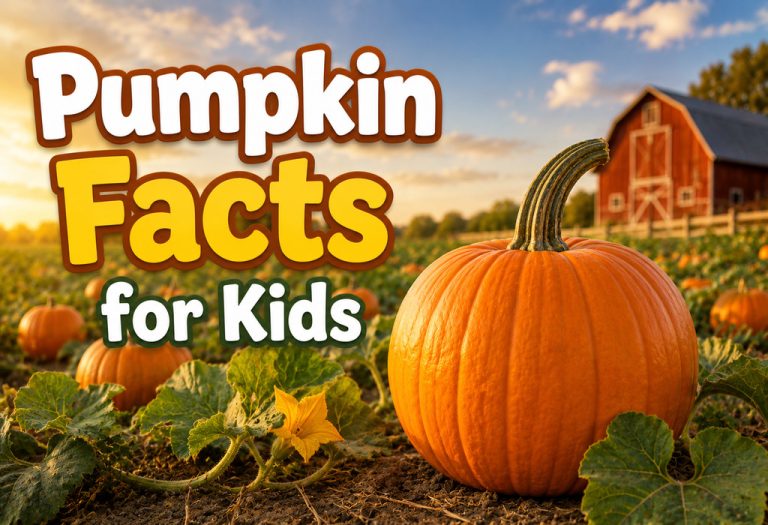
Every fall, front porches fill up with pumpkins, and kids naturally start asking questions about them. Where do pumpkins come from? Why are they orange? Are they fruits or vegetables? These pumpkin facts for kids answer the questions your child is most likely to ask, using simple explanations that make sense for young learners. Along the way, you will also find fun details that turn a simple grocery store trip or pumpkin patch visit into a mini science lesson.
What Exactly Is a Pumpkin?
A pumpkin is a fruit that belongs to the same family as cucumbers, squash, and melons (1). That might sound surprising because we usually eat pumpkin in soups, curries, and other savoury dishes. So why is it a fruit? It’s because pumpkins grow from a flower and have seeds inside, just like apples and oranges!
Pumpkins grow on long vines and are usually round and orange, although they can come in other colours too. They are packed with vitamins and fibre and can be used to make pies, soups, and many other delicious treats. People also love decorating pumpkins during autumn and Halloween.
How Do Pumpkins Grow?
Pumpkins are usually planted in late spring, when the weather is warm and there is no danger of frost. They begin as a small seed pushed into warm soil. Within a few days, a sprout appears, followed by large green leaves that spread out to soak up sunlight. The vine keeps growing outward, sometimes reaching more than 20 feet (6 metres) in a single season. Yellow flowers bloom along the vine, and once a flower is pollinated by a bee, a tiny green pumpkin starts to form. That little pumpkin slowly grows bigger over the summer and turns orange as it ripens in early fall.
A pumpkin seed planted in May can grow into a full-size pumpkin ready for picking by October, which means the entire process takes about 90 to 120 days from seed to harvest.
Why Are Most Pumpkins Orange?
When pumpkins first start growing, they are green because they contain lots of chlorophyll, the same pigment that makes leaves green. As the pumpkins ripen, the chlorophyll slowly breaks down and a natural orange pigment called beta-carotene takes its place. Beta-carotene is also found in carrots and sweet potatoes, which is why they are orange too.
This bright orange colour isn’t just for show. It’s a sign that the pumpkin is packed with beta-carotene, a nutrient that helps keep our eyes healthy and supports healthy skin too!
Surprising Pumpkin Trivia
Pumpkins hold several surprising records and traits that most people never learn in school. These pumpkin fun facts for kids are the kind that stick in a child’s memory long after Halloween is over.
- Pumpkins are made of about 90% water, which explains why a pumpkin feels heavy even though it is not very nutrient-dense (2).
- The heaviest pumpkin ever recorded weighed 1,226 kg (2,702 lb), roughly the weight of a small car (3).
- Pumpkins are not always orange. Some varieties grow white, dark green, or even pale blue.
- Every pumpkin contains between 200 and 500 seeds, all of which are edible once roasted.
- Pumpkins are grown on every continent except Antarctica (2).
- The word “pumpkin” comes from the Greek word “pepon,” which means large melon.
How Are Pumpkins Used?
Pumpkins are incredibly useful, and almost every part of them can be put to good use. In the kitchen, pumpkin shows up in pies, soups, breads, and roasted seed snacks. Around Halloween, pumpkins are carved into jack-o’-lanterns and placed on porches as decorations. Farmers sometimes use pumpkins that are not sold at market as feed for livestock, since animals like cows and pigs can safely eat them. Pumpkin flesh and puree are also common ingredients in baby food because they are soft, mild in flavour, and rich in vitamins.
Where Do Pumpkins Grow Best?
Pumpkins grow best in warm climates with plenty of sunlight, loose soil, and consistent watering. They need at least six hours of direct sunlight each day and soil that drains well, since standing water can rot their roots. Farmers usually plant the seeds after the last spring frost has passed, giving the vines a full growing season before the cooler autumn weather arrives.
The United States grows more pumpkins than almost any other country, with states like Illinois, Indiana, and Ohio producing large harvests every year. In fact, Illinois is often called the pumpkin capital of the United States because it grows more pumpkins than any other state and is home to many factories that turn pumpkins into canned pumpkin purée.
FAQs
1. Are pumpkins fruits or vegetables?
Pumpkins are fruits. They grow from the flower of the pumpkin plant and contain seeds, which meets the scientific definition of a fruit, even though many recipes treat pumpkin like a vegetable.
2. How long does it take for a pumpkin to grow?
Most pumpkins take between 90 and 120 days to grow from a planted seed to a ripe, harvest-ready fruit, depending on the variety and the weather during the growing season.
3. Can kids eat pumpkin seeds?
Yes, pumpkin seeds are safe and healthy for kids to eat once they are rinsed and roasted. They contain protein, fibre, and healthy fats, making them a nutritious snack option (4).
Pumpkins are far more interesting than most kids realise, from their surprising classification as a fruit to their journey from a tiny seed to a giant, ready-to-carve gourd. Learning these fall harvest facts gives children a simple way to understand plant science, nutrition, and the changing seasons, all through a food they already recognise and enjoy. Whether your family is picking pumpkins at a local patch, roasting seeds in the kitchen, or carving a jack-o’-lantern for Halloween, these facts turn a familiar fall tradition into a hands-on learning moment.
Was This Article Helpful?
Parenting is a huge responsibility, for you as a caregiver, but also for us as a parenting content platform. We understand that and take our responsibility of creating credible content seriously. FirstCry Parenting articles are written and published only after extensive research using factually sound references to deliver quality content that is accurate, validated by experts, and completely reliable. To understand how we go about creating content that is credible, read our editorial policy here.
- Author








.svg)