

How Important Is Ovary Size When Trying to Get Pregnant?
Ovary size is one of many factors linked to fertility, helping doctors assess egg reserve and reproductive health for pregnancy planning.





Medically Reviewed By
Dr. Rima Sonpal
(Gynaecologist )

In this Article
- What Is an Ovary?
- Factors That Cause a Change in the Size of Ovaries
- Is Ovary Size Related to How Easy or Difficult It Is to Conceive?
- Does Having Large Ovaries Increase Your Chances to Reproduce?
- What Is the Normal Size of Ovaries to Get Pregnant?
- What Is the Size of the Ovaries With Polycystic Ovary Syndrome (PCOS)?
- Best Ways to Improve Ovary and Egg Health
- FAQs
View More
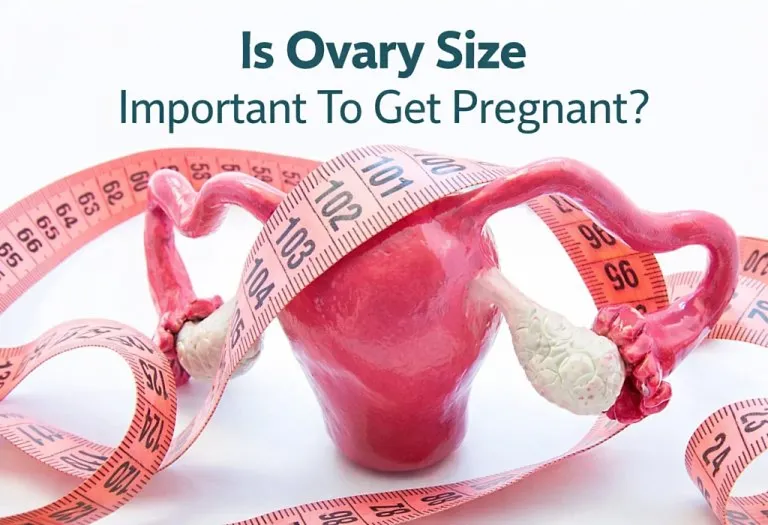
Is ovarian size really important when it comes to getting pregnant, or is it just another detail that causes unnecessary worry? When you are trying to conceive, it is natural to study every test report and wonder what each number means. Ovary size is one of those details that can quietly raise concern, especially after an ultrasound or a quick internet search. You may begin to question whether your ovaries are too small, too large, or somehow not right for pregnancy. While ovary size can tell doctors something about ovarian function, it does not decide fertility on its own, and it rarely tells the full story. To understand how ovary size fits into the bigger picture of getting pregnant, read the article.
What Is an Ovary?
The ovaries are two small, oval-shaped organs in the female reproductive system that play an important role in fertility and reproductive health. They store and release eggs, usually one each month during the menstrual cycle. The ovaries also produce hormones such as estrogen and progesterone, which help regulate periods, support ovulation, and prepare the body for pregnancy (1) (2). Since the ovaries respond to changes in the body, their size is not fixed and can vary at different stages of life.
Factors That Cause a Change in the Size of Ovaries
The size of a woman’s ovaries can change several times in her life for different reasons. Here are the various factors that can cause a change in the size of the ovaries:
1. Age
Ovarian size changes with age. Ovaries are of the smallest size before a woman reaches puberty, and after menopause; they increase in size during puberty and the pre-menopausal stage in a woman’s life. The average size of a woman’s ovaries is 4 cm in length, 2.5 cm in height, and 1.5 cm in width. Before puberty or after menopause, they measure less than 20 mm in diameter. During the reproductive years, the ovaries are usually larger and can reach up to 6 cm. As women grow older, particularly after menopause, the ovaries gradually shrink and can measure as little as 2 cm (1). Ovaries also become larger when a woman is ovulating or menstruating.
| Age (in years) | Volume (cc) |
| <30 | 14-15 |
| 31-40 | 13 |
| 41-50 | 11 |
| 51-60 | 5-6 |
| Above 60 | 4-5 |
2. Ovarian Disorders
Ovarian disorders and cancer can cause an increase in the size of the ovaries. Conditions such as polycystic ovarian syndrome (PCOS), follicular cysts, and corpus luteum cysts cause the ovaries to become enlarged, resulting in pain and internal bleeding. These disorders make it problematic for women to get pregnant (3) (4) (5).
3. Hormonal Stimulation
Women who have been diagnosed with infertility often undergo fertility treatments to get pregnant. A part of these treatments involves hormonal injections to stimulate the ovaries so that they cause the eggs to be released for fertilisation (6). These treatments can cause the ovaries to become larger during ovulation, and go back to normal size once the ovulation phase is over.
4. Pregnancy
The size of the ovaries increases during pregnancy as they produce the hormones oestrogen and progesterone that aid in pregnancy. However, it is prudent to have your doctor check and ensure that you do not have cysts or fibroids.
5. Hormonal Conditions
An imbalance in the hormones in the body can affect the size of ovaries as well. Women with diminished ovarian reserve or premature ovarian failure have very small, shrunken ovaries, because of which the ovaries don’t release eggs regularly, while those with PCOS have enlarged, white-coloured ovaries.
6. Laparoscopic Ovarian Drilling
Laparoscopic Ovarian Drilling is a minor surgical procedure used to treat ovulation issues in individuals with Polycystic Ovary Syndrome (PCOS) (7). It’s also known as Laparoscopic Electrocauterisation of the ovarian surface. It can temporarily affect ovarian size due to surgical changes and shifts in hormone levels, and in some cases can lead to a reduction in ovarian volume over time.
7. Ovarian Cyst Removal
Ovarian Cyst Removal is a medical procedure primarily employed for benign ovarian cysts. These cysts can form as a result of hormonal imbalances or when an egg doesn’t release from the ovarian follicle, a condition known as a follicular cyst. This type of cyst is the most common variety. Surgical removal of an ovarian cyst can change the size of the ovary. Depending on the size of the cyst and the amount of tissue removed, the ovary may become smaller after surgery, especially as it heals and recovers (8).
Is Ovary Size Related to How Easy or Difficult It Is to Conceive?
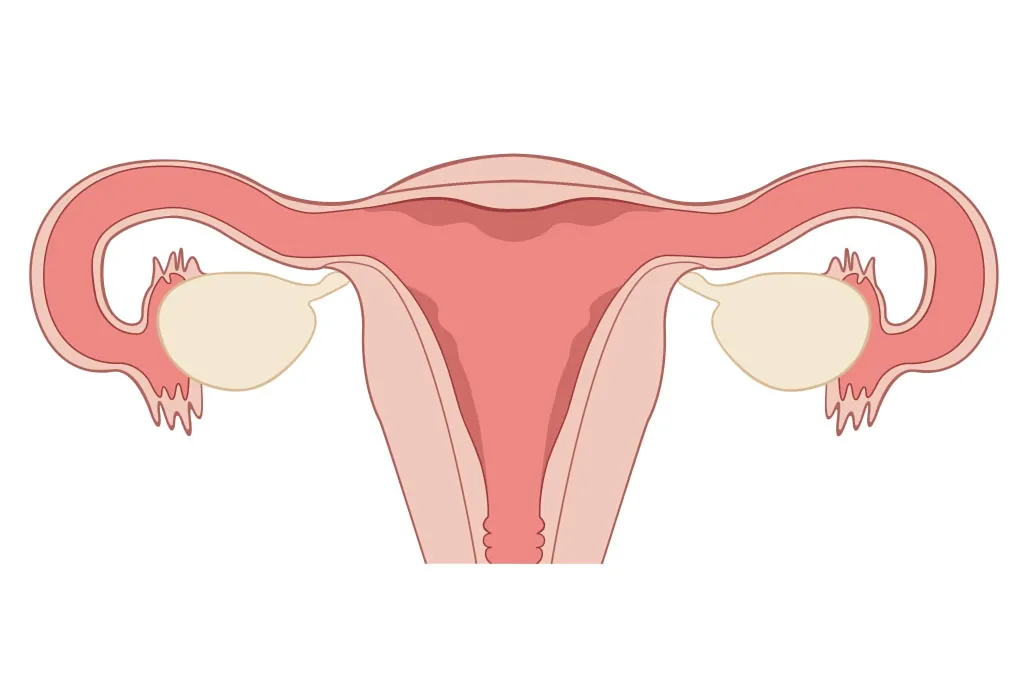
Ovarian size is often linked to the number of eggs remaining in the ovaries. When the ovaries are within a normal size range, it usually means they are functioning well. Smaller-than-average ovaries may indicate a reduced egg supply, which can make it more difficult to conceive, especially as a woman gets older (9). Tests such as ultrasounds and blood tests can determine the size of the ovaries and whether they are functioning properly. Technicians can count the number of follicles an ovary has using ultrasound scans. The number of follicles can indicate whether a woman’s egg reserve is normal or low.
Does Having Large Ovaries Increase Your Chances to Reproduce?
Having large ovaries does not mean higher fertility. In some cases, larger ovaries may simply reflect conditions like polycystic ovary syndrome (PCOS), where the ovaries produce more follicles but may not release eggs regularly (10). Women with polycystic ovaries can have ovaries that become as large as 15 cm in diameter.
Fertility depends on regular ovulation, egg quality, hormone balance, and overall reproductive health, not just the size of the ovaries. So bigger ovaries don’t always make it easier to get pregnant. Talk to your doctor to check your ovaries for any such problems if you have difficulty conceiving.
What Is the Normal Size of Ovaries to Get Pregnant?
Want to know about the normal ovary size to get pregnant? There isn’t a single “magic” ovary size that guarantees pregnancy, but ovaries within a normal size range usually indicate healthy function. On average, the right ovary size for pregnancy measures about 3 cm x 2.5 cm x 1.5 cm (11). Ovaries of this size typically contain a healthy number of eggs and support regular ovulation, which is important for conception. But the ovary egg size for pregnancy itself also matters when trying to conceive – the egg should be the correct size for it to be fertile. If the egg is shrunk, it will not develop properly.
It’s important to remember that fertility depends on egg quality, ovulation, hormone balance, age, and overall reproductive health, not just the size of the ovaries. Even if ovaries are slightly smaller or larger than average, many women can still conceive successfully.
There is always a way to boost your ovarian and egg health by eating nutritious food, exercising regularly, maintaining a healthy body weight, and remaining stress-free.
What Is the Size of the Ovaries With Polycystic Ovary Syndrome (PCOS)?
The size of the ovaries can vary from person to person, and this is also true for women with polycystic ovary syndrome (PCOS). One common feature in PCOS is that the ovaries are often enlarged compared to normal ovaries. They can contain multiple small, fluid-filled follicles, often called cysts on ultrasound, but these are actually immature follicles that haven’t released an egg during the menstrual cycle. These ovaries may have a volume greater than 10 cm³ (12). However, it’s important to note that ovary size alone cannot diagnose PCOS, as the condition is defined by a combination of factors including hormone levels, ovulation patterns, and ultrasound findings.
Best Ways to Improve Ovary and Egg Health
Healthy ovaries and good-quality eggs are essential for fertility and overall reproductive health. While factors like age are beyond your control, certain lifestyle changes can help support ovarian function and improve egg health. Here are some of the most effective ways to do so (11) (12):
- Maintain a healthy body weight. Being overweight or underweight can affect egg quality and overall fertility. Aim for a balanced weight that supports your body’s natural rhythms and reproductive health.
- Exercise regularly. Keeping your ovaries healthy doesn’t mean extreme workouts. Simple activities like an hour of yoga, 30 minutes of jogging, or a brisk walk a few times a week can make a big difference.
- Manage stress. Stress can take a toll on your body, including your reproductive system. Try to include at least one relaxing activity you enjoy every day, and give your mind a break from screens, especially an hour before bedtime, to help you rest and reset.
- Eat a balanced diet. You don’t need to give up all your favourite foods, but focus on getting a mix of proteins, healthy carbs, good fats, fibre, vitamins, and minerals. If your body is lacking essential nutrients, consult your doctor about supplements. Being mindful of what you eat supports both egg and ovary health.
- Avoid smoking and alcohol. Both can negatively impact fertility, so it’s best to quit or minimise consumption.
- Stay hydrated. Drinking enough water and fresh juices helps maintain your body’s overall health, including the health of your eggs and ovaries.
FAQs
1. How many ovaries does a woman have?
A woman normally has two ovaries, one on each side of the uterus (2).
2. What should be the size of the follicle for ovulation?
For ovulation to occur, a follicle usually needs to reach about 18-24 mm in diameter.
3. Which ovary, the right or left, is better for pregnancy?
There is no such preference. Both ovaries are equally important and contribute equally to the health of a woman.
4. Can the size of the ovaries impact the success of IVF?
The size of the ovaries can suggest the quantity of eggs available for extraction, but the key factor for the success of IVF is primarily the quality of the eggs and embryos, not the ovarian size.
Ovary size can give you an idea about your reproductive health, but it is not the only factor that determines fertility. What truly matters is the health of your eggs, regular ovulation, and overall reproductive well-being. With the right care, lifestyle choices, and medical support if needed, most women have a good chance of conceiving regardless of ovary size.
Also Read:
Premature Ovarian Failure
Can You Get Pregnant With One Ovary?
Ovarian Follicle and Its Role in Fertility
Chances of Pregnancy Before, During and After Periods
Was This Article Helpful?
Parenting is a huge responsibility, for you as a caregiver, but also for us as a parenting content platform. We understand that and take our responsibility of creating credible content seriously. FirstCry Parenting articles are written and published only after extensive research using factually sound references to deliver quality content that is accurate, validated by experts, and completely reliable. To understand how we go about creating content that is credible, read our editorial policy here.
2. National Cancer Institute – ovary
3. Cleveland Clinic – Polycystic Ovary Syndrome (PCOS)
4. Cleveland Clinic – Ovarian Cysts
5. Cleveland Clinic – Corpus Luteum Cyst
6. Cleveland Clinic – Ovarian Hyperstimulation Syndrome (OHSS)
8. Cleveland Clinic – Ovarian Cystectomy
9. Instituto Bernabeu – Is ovary size important?
10. Johns Hopkins Medicine – Polycystic Ovary Syndrome (PCOS)
11. Johns Hopkins Medicine – IS OVARY SIZE IMPORTANT TO GET PREGNANT? ALL YOU NEED TO KNOW
- Author
- Expert Reviewer
 About the Author
Aliya Khan
Related Articles
-

Lactational Amenorrhea Method (LAM) for Fertility Control
-

Reflexology for Fertility - Does it Work?
-

12 Vitamins and Minerals to Boost Fertility
-
IVF - a Detailed, First-hand information of the Procedure from My Experience
-

Fertility Blood Tests for Men and Women
-

How Vitamin D May Affect Fertility and Conception