
Not Gaining Weight During Pregnancy: Causes, Effects, and Remedies




Key Takeaways
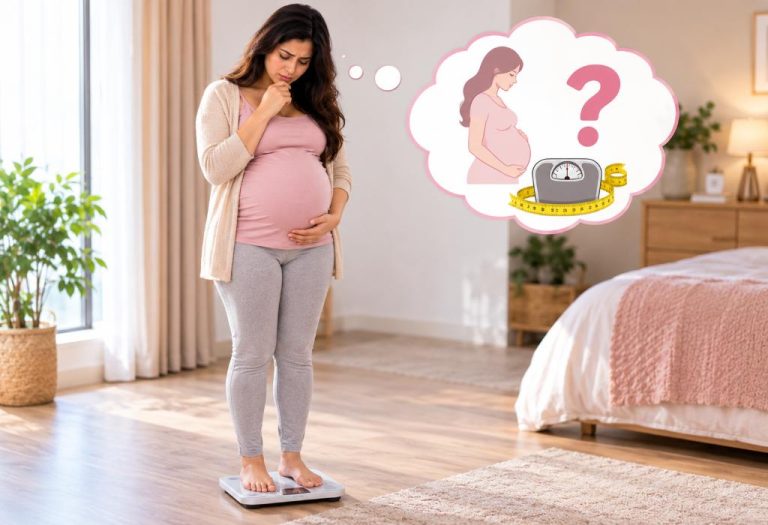
- Not gaining weight during pregnancy can be a serious concern, but which trimester of pregnancy is increases, stays stagnant, or decreases matters.
- It is normal for pregnant individuals to experience little to no weight gain during the first trimester.
- No weight gain in the second or third trimester of pregnancy is concerning and should be consulted with doctor.
- Low or insufficient weight gain during pregnancy can impact the health and development of the growing fetus.
If you are feeling like not gaining weight during pregnancy, then you are not going mad. Not being able to pack on the pounds as required during pregnancy can certainly take a toll on the mind. Not gaining enough weight during pregnancy not only tires out a woman fast but can also give rise to certain pregnancy complications. While gaining a healthy weight during pregnancy is important for the growth and development of the baby, it is equally important for a mother’s mental health as well. Medical experts suggest it could be due to various reasons. With a proper diet plan and the right tips, you can gain the required amount of weight during pregnancy.
Is Not Gaining Weight During Pregnancy Normal?
No, not gaining weight during pregnancy is neither normal nor healthy for the mother and the fetus. It is common for pregnant women to experience little to no weight gain in the first trimester due to morning sickness, nausea, and food aversions. The American College of Obstetricians & Gynecologists notes that some women may gain only about 1 to 5 pounds or none at all. However, as these symptoms subside in the second trimester, the weight scale typically rises between half a pound and 1 pound per week, indicating healthy development in both the mother and the baby (1).
If you are pregnant and not gaining weight, you should consult your doctor without any delay.
Importance of Weight Gain in Pregnancy
For a woman whose body mass index (BMI) falls in the healthy range, gaining anywhere between 9 and 13 kgs is considered ideal. Find out whether you’re in the ‘normal weight’ range by using a BMI calculator. If your BMI is high, you’ll need to shed a few pounds to avoid complications and preterm labor during pregnancy. According to the National Academies of Science, Engineering, and Medicine in 2009, here’s a chart that shows the ideal weight gain recommendations for women who are pregnant or planning to be (2).
| Pre-pregnancy BMI | Target weight gain for a single pregnancy in Kgs | Target weight gain for multiples in Kgs |
| < 18.5 | 12 – 18 | – |
| 18.5 – 24.9 | 11 – 15 | 16 – 24 |
| 25 – 29.9 | 6 – 11 | 14 – 22 |
| 30 > | 4 – 9 | 11 – 19 |
When Will You Start Gaining Weight?
Weight gain will depend on several factors: genetics, metabolism, environment, activity level, and calories in and out. If you’re at a healthy starting weight, expect to gain about 3 kgs during the first trimester of pregnancy and 500 gms each week during the remainder of your pregnancy weeks. The Centres for Disease Control and Prevention (CDC) recommends an intake of 340 extra calories a day during the second trimester and 450 extra calories every day during the third trimester of pregnancy (3).
Alternatively, you can use a pregnancy calculator to find out how much weight you need to gain based on your height and pre-pregnancy weight.
What Is Considered Low Weight Gain During Pregnancy?
During the first trimester, it is common for pregnant women to not gain weight. Instead, some lose weight as well due to morning sickness, nausea, and food aversions. That is perfectly fine as long as the weight gain is compensated for in the later stage of pregnancy.
By the second trimester, the body usually starts gaining weight. The minimum and maximum weight gain during pregnancy depend on various factors like how much you weighed before pregnancy. Not gaining weight in the second trimester of pregnancy requires prompt medical attention.
The Mayo Clinic suggests that if you were obese or had a high BMI before pregnancy, you may be required to gain less weight gain during pregnancy (4).
The Institute of Medicine weight gain recommendations for the 2nd and 3rd trimester of pregnancy look like the following (5):
- Underweight (BMI under 18.5) before pregnancy: Approximately 1 pound in a week (for 28 to 40 total pounds during pregnancy)
- Normal BMI (18.5 to 24.9) before pregnancy: Less than 1 pound per week (for 25 to 35 pounds total during pregnancy)
- Overweight (BMI 25 to 29.9) before pregnancy: Approximately 0.6 pounds in a week (for 15 to 25 pounds total during pregnancy)
- Obese (BMI 30 or more) before pregnancy: Approximately 0.5 pounds in a week (for 11 to 20 pounds total during pregnancy)
If you are pregnant with twins and your weight is not increasing during pregnancy, then you must consult your doctor. Experts suggest an ideal weight gain of roughly 50% more weight during pregnancy.
What Are the Effects of Not Gaining Enough Weight During Pregnancy?
In the first trimester of your pregnancy, your baby’s growth won’t be affected as the foetus will be too small and so will its nutrient requirements. The foetus develops rapidly from the second trimester onwards, and it is the time when complications may arise if you don’t put on enough weight, such as:
- The baby may not get enough nutrients and may be born with low birth weight, born small for their gestational age.
- The fetus may be born prematurely.
- The fetus may suffer growth restriction in the uterus.
- Some fetuses may also have low blood sugar levels and may not be able to feed properly.
- The newborn with low birth weight may miss their developmental milestones and may also have breastfeeding difficulties.
- Certain illnesses, such as Sudden Infant Death Syndrome (SIDS) and digestive issues, have the possibility of arising.
Reasons for Not Putting on Weight During Pregnancy?
It is important to learn about the causes of not gaining weight in pregnancy, so that appropriate measures can be taken. The main reasons for low weight gain or insufficient weight gain during pregnancy are:
- A diet lacking in healthy fats, high-calorie proteins, and other essential nutrients may affect a woman’s weight.
- Chromosomal abnormalities in the baby
- Medical conditions such as pre-eclampsia may affect a woman’s weight and the supply of oxygen and nutrients to the baby from the placenta
- Emotional problems and stress
- Loss of appetite
- Morning sickness
- Fast metabolism
How to Increase Weight in Pregnancy?
So, how do you gain weight during pregnancy? If you are having trouble gaining weight during pregnancy, here’s what you should do.
1. Have Five to Six Small Meals a Day
Instead of having three big meals a day, go for five to six small meals a day. It can improve your metabolism and promote healthy weight gain. Make sure your diet comprises foods that are rich in healthy fats, nuts, seeds, vegetables, and lots of plant-rich protein and organic lean meats. It will help increase calorie density easily. You should try to eat protein-rich foods first.

2. Maintain a Healthy BMI
By staying within a healthy weight range before pregnancy, you maximise your chances of success for sufficient weight gain during the trimesters of your pregnancy. Plus, you won’t have to worry about losing weight or packing on kilos beyond the recommended limits.
3. Avoid Eating Junk Food
You may be tempted to eat French fries or waffles to satiate your cravings and to pack pounds (a quick way, indeed), but you won’t get any nutrition from these foods. Processed foods will result in unhealthy weight gain and no nutrition. Junk and spicy food can also cause heartburn during pregnancy, so it’s best avoided.

4. Consult a Nutritionist or a Dietician
Speak to a nutritionist with regards to food choices you should make during pregnancy for a healthy weight gain.

5. Practise Pregnancy-safe Exercises
Moving around your body is necessary to maintain healthy blood sugar levels and regular metabolism, as it promotes steady weight gain in the long run. Practise pregnancy-safe exercises after checking with your doctor. Staying physically active during pregnancy is necessary; it can also help prevent pre-eclampsia.
6. Don’t Skip Meals
Skipping meals can interfere with your weight gain goals so don’t skip a meal during pregnancy. Morning sickness and nausea during pregnancy may make you want to skip meals, but you know that won’t be good for your baby’s health. Have a balanced diet and stay healthy!
When to Consult the Doctor
Frequent and persistent nausea and vomiting during pregnancy can hinder weight gain. If you belong to the 1 to 3% of women experiencing hyperemesis gravidarum, it may impede the essential supply of nutrients and vitamins needed for your baby’s growth, leading to potential dehydration for both you and your baby.
Inform your doctor if your morning sickness is severe, as signs of hyperemesis gravidarum include the inability to retain food or liquids and weight loss. Your healthcare provider might suggest lifestyle adjustments or prescribe medication to help manage the condition.
For those with a history of eating disorders or body image issues, pregnancy weight gain can pose challenges, with regular weigh-ins potentially triggering anxiety. Openly discuss any past or present disordered eating with your practitioner. They may recommend consulting a qualified registered dietitian capable of designing diets tailored to address specific medical conditions.
FAQs
1. How can you track your weight gain in pregnancy?
You can track your weight gain during pregnancy by regularly measuring and recording your weight, following your healthcare provider’s guidelines. It’s important to discuss any concerns or deviations with your healthcare team.
2. Can not gaining enough weight during pregnancy affect my baby?
Yes, inadequate pregnancy weight gain can increase the risk of having a baby with low birth weight or restricted growth. However, the risk depends on factors such as your pre-pregnancy BMI, nutritional intake, and your baby’s growth. Regular prenatal check-ups help your doctor assess whether your weight gain is adequate (5).
3. How does age impact weight gain during pregnancy?
Age can influence weight gain during pregnancy. Generally, younger women may gain more weight due to their own growth, while older women might experience different metabolic changes. Your healthcare provider will consider various factors to determine a suitable weight gain range based on your age and health.
4. How does hydration impact weight gain during pregnancy?
Adequate hydration is crucial during pregnancy, but water weight should not be confused with healthy weight gain. Drinking enough water supports overall health, but excessive water retention is not considered a healthy form of weight gain. It’s essential to maintain a balanced and nutritious diet while staying properly hydrated.
5. Do many pregnant women not gain weight during their first trimester?
Yes, it can be normal to gain little or no weight during the first trimester, especially if you experience nausea, vomiting, or reduced appetite. But if you are experiencing persistent weight loss or having difficulty eating or drinking without puking, it is suggested that you consult your doctor.
6. How can I gain healthy weight during pregnancy?
Eat regular, balanced meals with protein-rich foods, whole grains, fruits, vegetables, and healthy fats. If you have a poor appetite, try smaller, more frequent meals and nutritious snacks. Consult your healthcare provider for a suitable weight-gain target rather than trying to gain weight quickly or taking supplements without medical advice.
Whether you’re planning to become pregnant or are expecting a delivery, putting on those pounds in a healthy way will not only help you and your body but also your baby. So eat healthy, exercise regularly, and stay happy. It may seem difficult at first, but you will gain the necessary weight during pregnancy without any worries! And if you’re still not gaining weight in pregnancy, please consult with your doctor at the earliest.
Also Read:
Overweight and Pregnancy
Risks of Underweight Pregnancy
Increase Fetal Weight while Pregnant
Safe Ways of Losing Weight during Pregnancy
Was This Article Helpful?
Parenting is a huge responsibility, for you as a caregiver, but also for us as a parenting content platform. We understand that and take our responsibility of creating credible content seriously. FirstCry Parenting articles are written and published only after extensive research using factually sound references to deliver quality content that is accurate, validated by experts, and completely reliable. To understand how we go about creating content that is credible, read our editorial policy here.
1. American College of Obstetricians & Gynecologists – How much weight should I gain during pregnancy?
2. National Library of Medicine – Gestational Weight Gain
3. CDC – Weight Gain During Pregnancy
4. Mayo Clinic – Pregnancy weight gain: What’s healthy?
5. American College of Obstetricians & Gynecologists – Weight Gain During Pregnancy
- Author


Related Articles
-
Crossing Legs While Pregnant – Is It Safe?
-

Herbs In Pregnancy: Which Are Safe and Which to Avoid
-

Can You Do Planks While Pregnant?
-

Is Sleeping on Your Right Side During Pregnancy Safe?
-

Nightmares During Pregnancy: Causes and Tips to Manage Them
-

Pregnancy Face: Causes, Symptoms & How to Deal with It?