
Pregnancy Face: Causes, Symptoms & How to Deal with It?
Hormones and blood flow drive pregnancy face changes. Gynecologist-reviewed what to expect and how to care for your skin.





Medically Reviewed By
Dr. Sabiha Anjum
(Gynecologist/Obstetrician)

This health content has been medically reviewed by qualified experts and follows the FirstCry Parenting editorial policy to ensure accuracy and reliability.
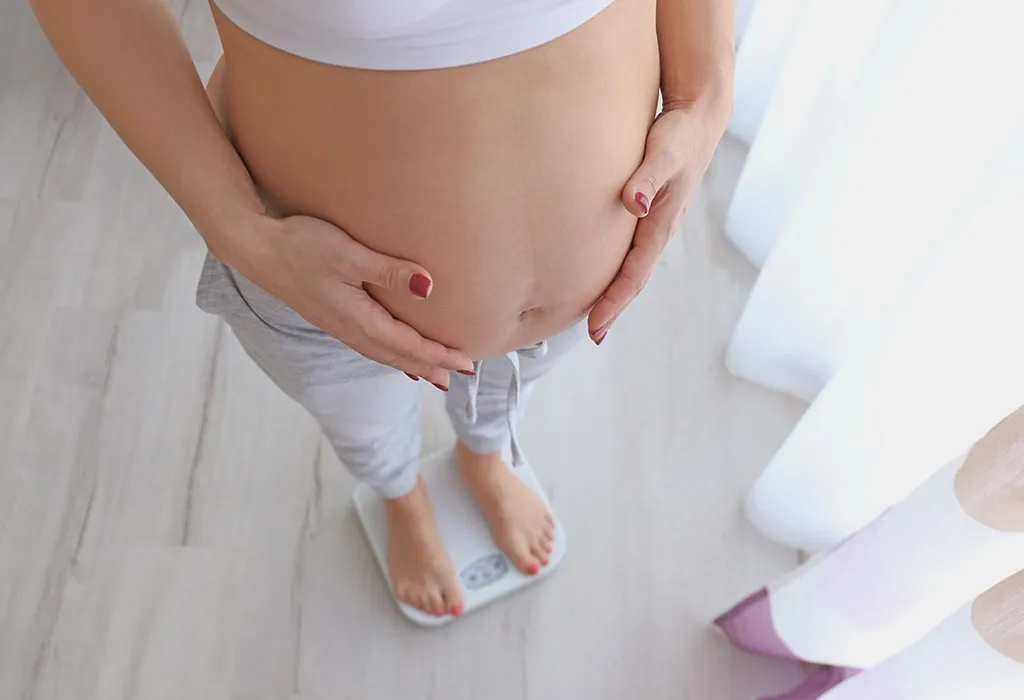
Among a multitude of physical body changes that take place in your body when you are pregnant, such as a growing belly, swollen hands and feet, and enlarged breasts, pregnancy face is a prominent physical change a pregnant woman can expect through the three trimesters. The increase in hormone production changes the body, including the face. Her face becomes a canvas transformed by the magic of being a mother. These changes are captivating and amazing, from a lovely glow to subtle shifts in her features, mostly in the early trimester of pregnancy. Don’t worry; your pregnant face change isn’t the whole personality change; it’s basically temporary face skin changes in early pregnancy.
Let’s take a look at some changes in the face during pregnancy that you can expect as you progress through the different phases of pregnancy.
What Is Pregnancy Face?
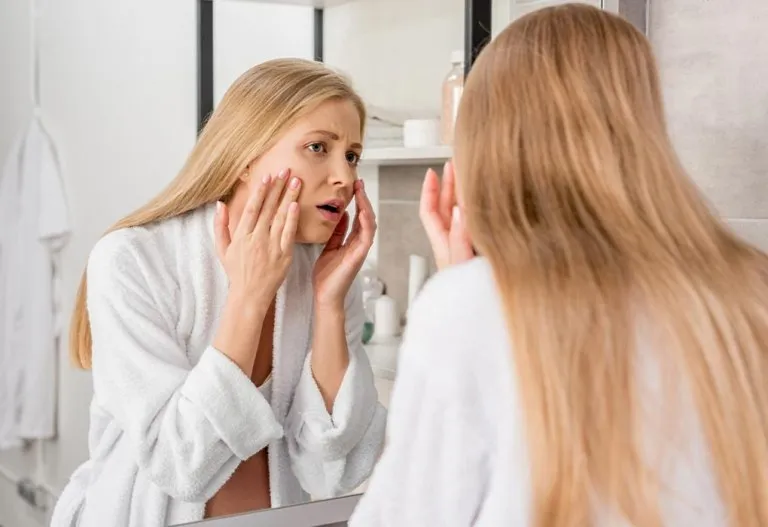
Pregnancy face is a term that is used to describe a temporary change in facial features women may experience during their pregnancy. However, this symptom is not experienced by all. Pregnancy face is not just limited to facial swelling; here are some varied changes that women may experience under the umbrella of ‘pregnancy face.’ (1) (2)
- Pigmentation and melasma
- Rounder face
- Puffiness
- Dry or flaky skin
- Dark under-eye circles
- Breakouts or acne
- Changes in the shape of your nose
- Hollowed or “tired” appearance
Causes of Face Changes in Pregnancy
Hormones are considered the major contributor to ‘pregnancy face’ as much as it is to ‘pregnancy glow.’
Pregnancy glow is the result of hormone-stimulated oil production and increased blood circulation in the body, including the face (3). These same factors lead to fluid retention, clogged pores, and pigment changes.
The hormone estrogen can cause blood vessels to dilate, leading to clearer and more hydrated skin. But for some, it can make the face appear redder, more sensitive, and irritated. Sometimes, increased blood flow prompts the body to retain fluids, which ultimately results in puffiness. Hence, Pregnancy Face.
Other reasons include:
- Hormonal shifts triggering psoriasis and eczema
- Increased body temperature during pregnancy causes water loss, leading to dry and dull skin.
When Does It Start to Show?
Pregnant women can experience pregnancy face in any phase of their pregnancy. While some women observe changes in their faces during early pregnancy, like in the first trimester, some start noticing them in their sixth month.
Pregnancy face is normal, and so is the month it occurs in.
Changes in Face During Pregnancy
It is a given that your body will change during pregnancy. However, not all these changes will occur below the neck – your face could also experience some drastic changes, making you look a little to a lot different for those nine months. So, what exactly happens, and what early pregnancy face changes can you expect in your face when pregnant? Read on.
1. Swollen Nose
Increased circulation of blood in your mucous membranes can cause your nose to swell up during pregnancy. Blame it on the increased production of estrogen – your nose will look bigger and broader. This can cause your appearance to change quite a bit.
2. Brown Patches (Melasma)
You may find yourself developing brown patches all over your face. Melasma is a hormone-induced condition of hyperpigmentation that manifests in the form of patches on your forehead, cheeks, or chin
3. Puffy Eyes

You may be getting enough sleep and taking adequate rest, but your eyes may still carry large bags underneath them, making you look sleep-deprived. Of course, by the last trimester, you will look tired with frequent visits to the loo during the nights and the fatigue of carrying your entire body weight.
4. Swelling of the Face
Swelling of the hands and feet is quite normal during pregnancy. However, your face will get rounder and chubbier as well. Remember that this plumpness is temporary and will fade away post-delivery. If your face swells in a way that is painful and abnormal, it could be a sign of preeclampsia, and you must consult a doctor immediately.
5. Loss of Eyelash and Eyebrow Hair
You may least expect this, but you can experience loss of eyelash hair and thinning of eyebrows during pregnancy. This is common when your diet does not include adequate protein and vitamin content, and if you have a malfunctioning thyroid.
6. Skin Redness
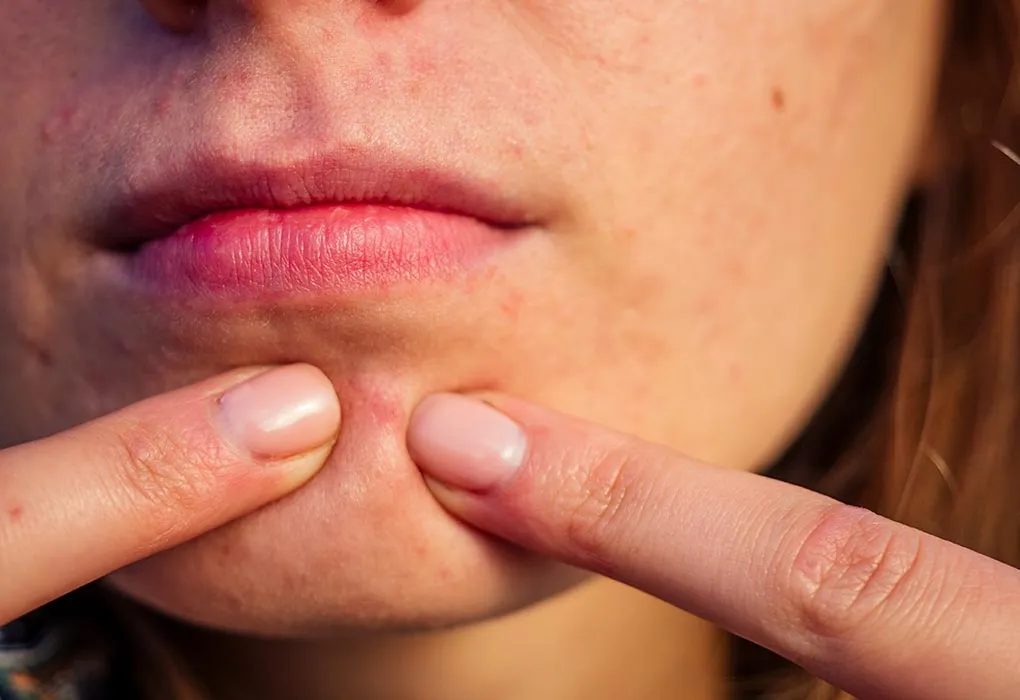
Carrying all the extra weight can increase your blood pressure, which, in turn, affects your skin tone. Your facial skin will look reddish throughout your pregnancy.
7. Broken Capillaries
Your changing hormones could also cause red-coloured spider veins on your face all over your forehead and cheeks. Medically known as broken capillaries, this is one of the most common facial changes during early pregnancy. The changing hormones in your body soften the blood vessels, which causes this condition.
8. Acne
Your face breaking out during early pregnancy is not uncommon. Those pesky hormones could increase oil production, increasing sebum levels and clogging the skin’s pores. So, it is not unusual to face that puberty acne phase all over again.
9. Glow
Pregnancy produces more oil due to increased hormone levels. This can make your skin oily, making the pregnancy ‘glow’ more visible. During the second trimester, an increased blood flow will bring more blood to the skin’s surface, making you look dewy and glowing.
10. Sensitive Skin
You could also suddenly find your skin more sensitive to the products you’ve always used. Do not be surprised if you see your face turning red or going dry after using certain products. Try to stick to natural products to avoid any further complications.
11. Freckles and Moles
Like the brown patches due to pigmentation, increased levels of progesterone and estrogen could cause melanin cells in your skin to build more pigment. This could lead to the freckles and moles on your face looking even darker.
12. Calcium Deposits
Little calcium deposits around the delicate folds of your eyes, known as milk spots, will also be visible. There is no particular reason for their appearance, but they fade with time. However, these are rare.
While these changes may not always be in your control, there are simple ways in which you can curb them as and when they crop up.
- Use organic products for your face as much as possible, as chemical-laden products may aggravate your condition.
- Keep yourself hydrated at all times to reduce the frequency of the occurrence of problems like acne.
- Stop the use of products immediately if they do not suit you.
- Eat a healthy, balanced diet that is rich in all kinds of micro and macronutrients (4).
- Get plenty of exercise.
- Bathe regularly.
- If you sense that the problem is unusual, seek the help of a doctor.
When to Consult a Doctor
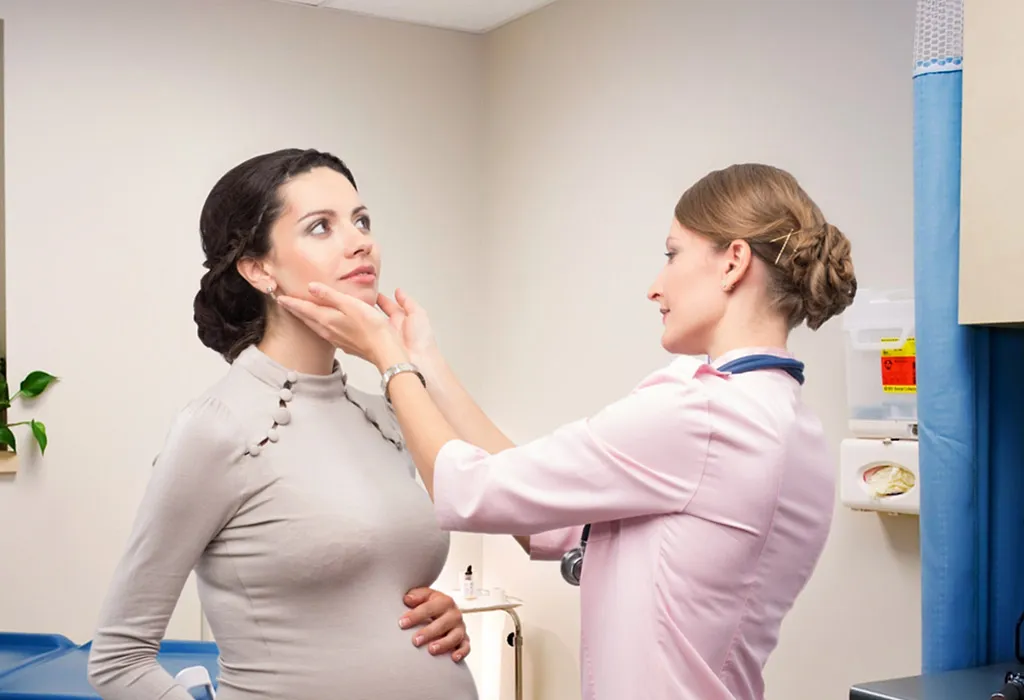
While face swelling is a common pregnancy symptom, sudden and severe swelling in the face during pregnancy could mean preeclampsia, which is a serious blood pressure condition. In such a case, you should immediately go to the hospital for a consultation. Apart from severe swelling, if you experience any of the following symptoms, please contact your doctor.
- Severe swelling in the face, hands, or feet
- blurred vision
- Light sensitivity
- Severe or consistent headache
- Fever over 100.4°F (38°C)
- Any new, rapid skin changes
FAQs
1. Can pregnancy make my face change?
During pregnancy, it is common for a woman’s face to change in terms of slight features. The face does not change entirely. The hormonal fluctuations that occur can lead to various alterations in the appearance of the face. One notable change is the pregnancy glow, characterised by a radiant and healthy complexion. Some women may also experience changes in skin pigmentation, such as darkening of the skin in certain areas like the cheeks or forehead. Additionally, hormonal shifts can cause swelling or puffiness in the face, particularly around the eyes. Itching and dryness in the skin are also expected due to pregnancy hormones. Some women may also experience rashes on their face and neck.
2. Does my face get back to normal after childbirth?
After childbirth, many changes that occur in the face during pregnancy tend to subside gradually. The pregnancy glow may fade, and the skin pigmentation changes often lighten over time. The facial swelling or puffiness also diminishes as the body adjusts to postpartum. However, it is essential to note that every woman’s experience is unique, and the extent and duration of these changes can vary. Maintaining a healthy skincare routine and staying hydrated can help support recovery and restore your face to its pre-pregnancy state.
Although your face changes during pregnancy may be overwhelming, there is nothing to worry about, as most of these changes disappear post-delivery. The upside of these changes is that this bundle of joy will be in this world in a few months. One glimpse and all these problems will become insignificant.
Also Read:
Physical Changes during Pregnancy
Causes of Dry Skin while Pregnant
How to Deal With Oily Skin in Pregnancy
Was This Article Helpful?
Parenting is a huge responsibility, for you as a caregiver, but also for us as a parenting content platform. We understand that and take our responsibility of creating credible content seriously. FirstCry Parenting articles are written and published only after extensive research using factually sound references to deliver quality content that is accurate, validated by experts, and completely reliable. To understand how we go about creating content that is credible, read our editorial policy here.
- Author
- Expert Reviewer


Related Articles
-

Dos and Don’ts During the First Trimester of Pregnancy
-
Crying During Pregnancy - Does It Affect the Baby in the Womb?
-
Boils During Pregnancy: Causes, Risks, and Treatment
-
Endometriosis and Pregnancy - Risks, Symptoms, & Care
-
Heparin During Pregnancy - Is It Safe to Use?
-
Can You Get a Tattoo When You Are Pregnant?