


Acai in Pregnancy – Safety, Benefits, Risks, and Recipes
Check out the benefits, possible risks, and delicious ways to enjoy acai during pregnancy.




In this Article
- What Is Acai Berry?
- Nutritional Value of Acai
- Is It Safe to Eat Acai While Pregnant?
- Benefits of Eating Acai Berry During Pregnancy
- Possible Risks of Acai Berry in Pregnancy
- How Much Acai Berry Is Safe to Eat During Pregnancy?
- Can You Eat Acai Bowls While Pregnant?
- Alternatives of Acai When Pregnant
- Simple Acai Berry Recipes
- FAQs
View More
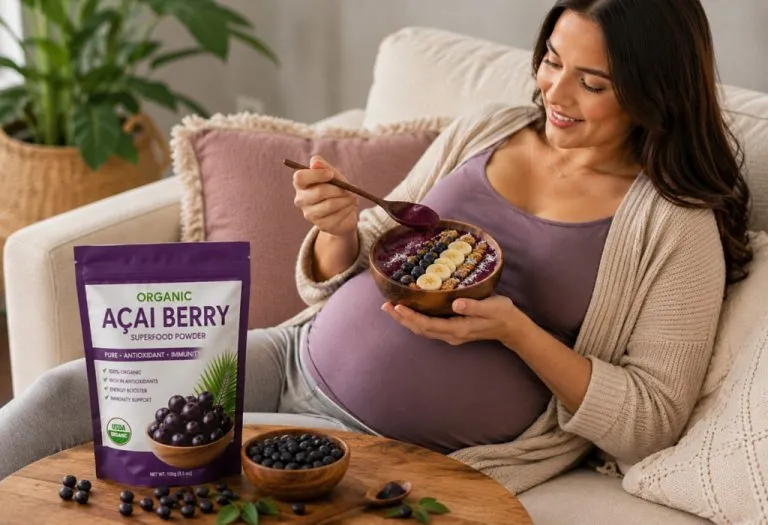
A trendy staple in health-conscious diets worldwide over the past decade, acai’s journey from being called purple berries to garnering the reputation of a ‘superfood’ is worth noting. Now that you are pregnant and taking your food intake seriously, it is important to know whether your daily morning acai bowl has passed the safety test for pregnancy. So, is acai in pregnancy safe? It’s a fair question, and you are not alone in asking it. The good news is that acai and pregnancy go together safely for most women, but there are important things to know before you add it freely to your daily routine. From learning the careful limits of consuming acai berry when pregnant to exploring how to have acai for pregnancy, this article is going to be your go-to acai pregnancy guide.
What Is Acai Berry?
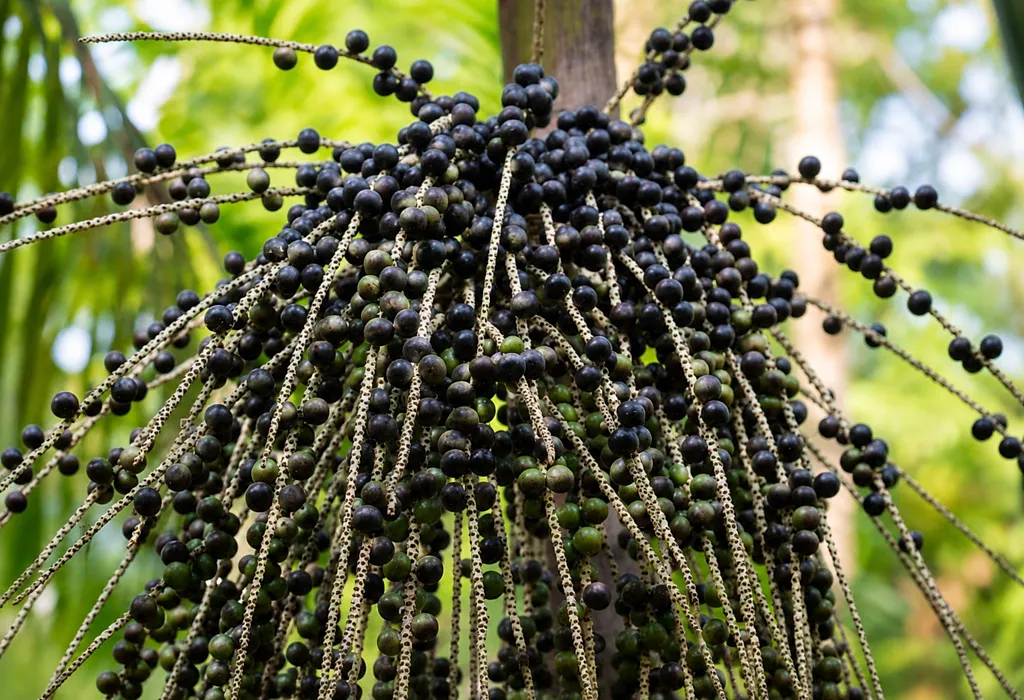
Acai (pronounced ‘ah-sigh-EE’) is a small, dark purple berry that grows on the acai palm tree (Euterpe oleracea), which is native to the Amazon rainforest in Brazil and other parts of South and Central America. For centuries, acai has been a dietary staple for several indigenous communities in the Amazon region (1). When introduced to the world market in the late 1990s and early 2000s, it quickly gained a reputation as a nutritional powerhouse.
The berry has a unique flavour: earthy and a little bitter with hints of wild berries and dark chocolate (2). Low in sugar and loaded with healthy unsaturated fats, this berry has a richer, creamier texture than other berries.
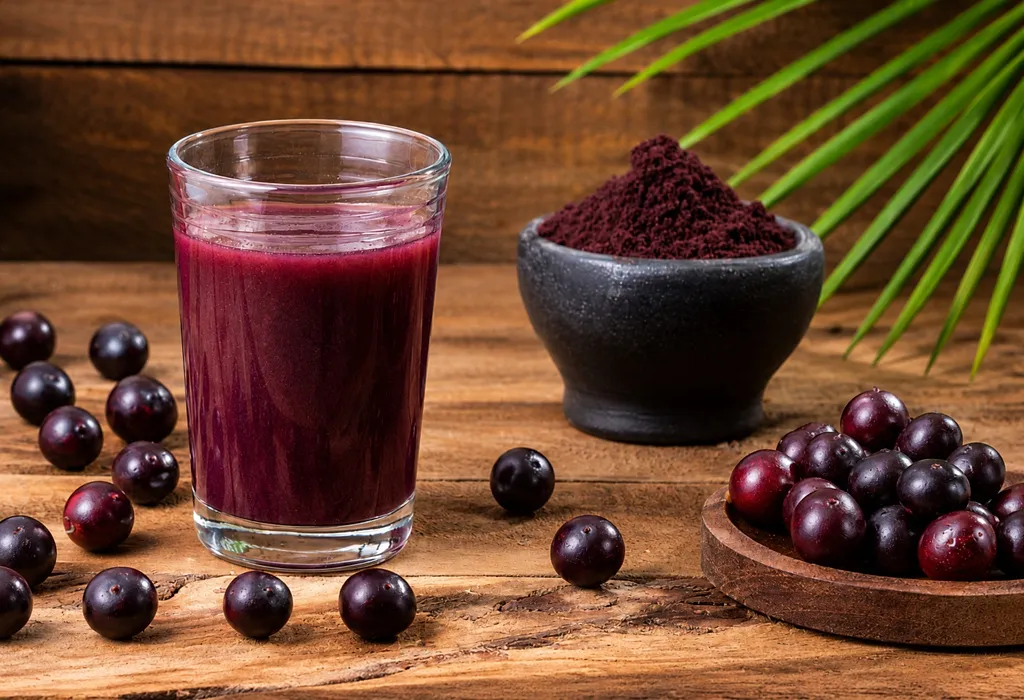
Fresh acai berries are rarely found outside of Brazil because of their extremely short shelf life after harvesting. So, you would mostly find acai in the form of puree, preserved form, freeze-dried powder, juice, or as a pre-made base for acai bowls. Recently, acai bowls, containing a thick, blended frozen acai base topped with fruit, granola, and honey, have become particularly popular worldwide.
Nutritional Value of Acai
The Cleveland Clinic gives a nutritional breakdown of 100 grams of acai (3):
| Nutrient | Amount |
| Calories | 75 Kcal |
| Carbohydrates | 5.4 g |
| Fat | 6.3 g |
| Fibre | 3.8 g |
| Protein | 1.1 g |
| Sodium | 5 mg |
| Sugar | 1.1 g |
Is It Safe to Eat Acai While Pregnant?
Acai is generally considered safe to eat during pregnancy when consumed in moderate amounts. However, it comes with some limitations that every pregnant woman should be aware of.
Eating acai berries whole or in the form of unsweetened frozen pulp in a reasonable amount won’t harm most healthy pregnant women. However, there is limited clinical research into the health effects of acai products on humans. The lack of evidence doesn’t mean it is unsafe, but it hovers over the ‘cautious’ area.
Secondly, the concern around acai in pregnancy isn’t about the berry, but how it is consumed. Many marketed products of acai, such as acai juices may contain added sugars and be sold unpasteurised, powders may be contaminated with heavy metals, and supplements may include unverified herbal extracts, all of which could pose a threat to the pregnancy.
So, the general health advice following acai in pregnancy is to consume the berries in moderation, choose pasteurised or heat-treated acai juices, strictly avoid acai supplements, and most importantly, discuss the berry with your doctor.
Benefits of Eating Acai Berry During Pregnancy
When consumed in appropriate amounts and in safe forms, acai berries offer several nutritional benefits that can support a healthy pregnancy. Here is a look at the key advantages:
1. Rich in Antioxidants That Protect Mum and Baby
Acai berries have one of the highest concentrations of antioxidants of any food studied to date, largely due to their anthocyanin content. As mentioned in the USDA’s official science magazine, Agricultural Research, acai berries contain phytochemicals, including various flavonoids, phenolic acids, and stilbenes; and nutrients, such as vitamin A, beta-carotene, copper, iron, retinol, calcium, protein, and fibre. The berries are also rich in also is rich in polyunsaturated fatty acids, such as omega-3 and omega-6, and monounsaturated fatty acids (4).
During pregnancy, oxidative stress increases naturally as your body works harder to support the baby’s development. Antioxidants help neutralise free radicals and reduce cellular damage, which may support overall maternal health and reduce the risk of complications associated with oxidative stress, such as preeclampsia.
2. Supports Heart Health and Healthy Blood Pressure
Acai contains plant sterols and healthy unsaturated fats, like oleic acid (the same heart-healthy fat found in olive oil), palmitic, palmitoleic, and linoleic acids, which support cardiovascular function (5). Healthy blood pressure and good circulation during pregnancy are essential for both mother and baby, which makes acai a good pregnancy food.
3. Good for the Tummy and Relieves Constipation
Since constipation is a common issue among pregnant women, acai’s dietary fibre can help with regular bowel movements, a healthy gut microbiota, lower risk of high blood pressure, reduced constipation, and weight management. A half-cup of frozen acai can offer up to 14% of the recommended dietary fibre, making this berry an ultimate choice (3).
4. Good Source of Healthy Fats for Foetal Brain Development
Acai is unusually high in healthy fats for a fruit. Healthy fats play a key role during pregnancy in the development of your baby’s brain and nervous system. While acai is not a substitute for omega-3-rich foods like oily fish or walnuts, its fat content contributes positively to a diet that supports foetal neurological development.
A 2022 lab study found that acai supplementation can slow the progression of Parkinson’s disease by reducing inflammation and slowing dopamine loss (6). However, more human research is needed.
5. Provides Vitamin A for Baby’s Growth
Acai contains a profound amount of vitamin A, which is pivotal in embryonic development, particularly in the growth of the eyes, immune system, and organs.
6. Naturally Energising With a Low Sugar Profile
Acai is naturally low in sugar, making it a useful energy source for pregnant women who need to manage blood sugar levels, including those with gestational diabetes or insulin resistance. Its combination of healthy fats, fibre, and complex carbohydrates provides sustained energy without the rapid blood sugar spikes associated with high-sugar fruits or snacks.
7. A Good Source of Iron
Iron requirements increase significantly during pregnancy because your body is producing more blood to supply oxygen to the growing baby. Acai contains a modest amount of iron, which contributes to your daily intake. While it is not a replacement for iron-rich foods like red meat, lentils, or leafy greens, it adds to your overall iron intake when paired with vitamin C-rich foods that enhance absorption.
Possible Risks of Acai Berry in Pregnancy
Like any food during pregnancy, acai comes with its own risks and rewards that are worth understanding clearly, especially given how it is typically consumed and sold. Listed below are some risks that you should know:
1. Unpasteurised Acai Juice Carries Bacterial Risk
Raw, unpasteurised acai juice has been associated with outbreaks of Chagas disease in Brazil, caused by the parasite Trypanosoma cruzi, which can contaminate the berry during harvesting if insects are present. (7) While this risk is primarily relevant to fresh, unprocessed acai juice in endemic regions of Brazil, it is a reason to be cautious about raw acai juice from unknown sources during pregnancy. Always opt for commercially pasteurised products.
2. High Sugar Content in Commercial Products
Many commercial acai products, such as bottled juices, pre-made smoothie packets, and acai bowls from cafes, contain significant amounts of added sugar (3). Excessive sugar intake during pregnancy is associated with gestational diabetes, excessive weight gain, and larger birth weight babies. Always read labels carefully and choose unsweetened or minimally sweetened acai products.
3. Acai Supplements Should Be Avoided
Acai supplements are generally not recommended during pregnancy, as supplements may contain high doses of compounds that have not been safety-tested in pregnant women. Moreover, there is a lack of safety research and potential contamination risks due to added herbal ingredients.
5. May Interact With Certain Medications
There is a possibility that acai can interact with some medications due to high antioxidant and polyphenol content. If you are taking medicines like anticoagulants, blood thinners, or any other prescription medicine during pregnancy, then it is best to consult your doctor before including acai in your diet.
How Much Acai Berry Is Safe to Eat During Pregnancy?
There is no official guideline that specifies an exact safe dose of acai during pregnancy, largely because there has not been enough research on this topic to establish one.
A practical and sensible approach is to limit acai to one small to moderate portion two to three times per week. This means roughly half a cup (approximately 100g) of unsweetened frozen acai pulp per serving, or a small acai bowl made with a similar amount. Eating acai berries in pregnancy daily in large quantities is not advised, particularly given the lack of long-term safety data in pregnant populations.
If you consume acai as a juice or powder, be especially mindful of portion sizes, as these forms are more concentrated. A small glass (around 100–150ml) of 100% pasteurised acai juice a few times a week is a reasonable guideline. Avoid acai detox drinks, concentrated supplements, or products that combine acai with herbal extracts or weight-loss compounds.
As always, your individual health circumstances matter. Women with gestational diabetes, digestive sensitivity, or specific nutritional concerns should discuss their acai intake with their healthcare provider to get personalised guidance.
Can You Eat Acai Bowls While Pregnant?
Yes, eating acai bowls while pregnant is safe as long as it is homemade or carefully chosen from a clean vendor. Knowing what is going in your acai bowl and how is important.
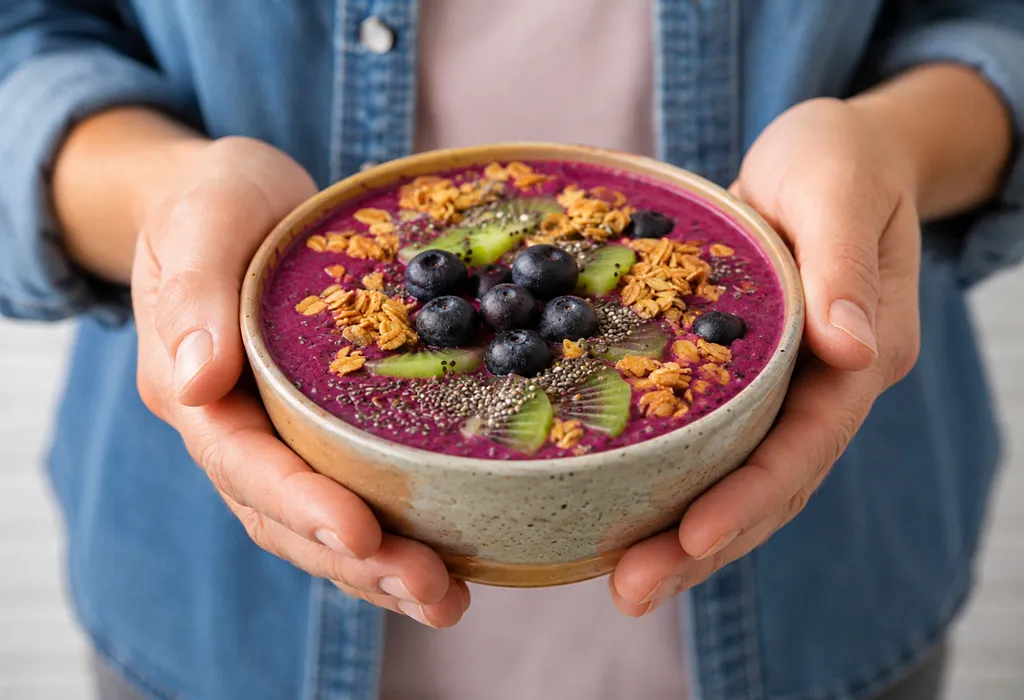
You can yourself whip up your acai bowl by blending unsweetened frozen acai pulp, a banana, and a splash of milk, and top it up with fresh fruits and nuts. Honey is optional.
When eating out or ordering from restaurants, it is unclear how hygienically the food is prepared. So, instead of buying pre-packaged acai food items, you can customise it by keeping the portion size reasonable and choosing the ingredients.
Alternatives of Acai When Pregnant
If you are unsure about acai or simply cannot access high-quality acai products in your area, there are several pregnancy-safe fruits and foods that offer similar or even superior nutritional benefits without the same uncertainties.
- Blueberries: One of the most antioxidant-rich fruits available globally, high in anthocyanins (the same antioxidant compounds in acai), vitamin C, fibre, and folate.
- Pomegranate: Rich in antioxidants, potassium, folate, and vitamin C.
- Blackberries and Raspberries: These dark berries are high in anthocyanins, fibre, and vitamin C.
- Mango: A ripe, fully cooked or fresh mango provides an excellent source of folate, vitamin A, vitamin C, and fibre.
Simple Acai Berry Recipes
Take a look at these pregnancy-safe acai recipes you can make at home using commercially pasteurised frozen acai pulp.
1. Classic Pregnancy Acai Bowl
What Will You Need:
- 100g unsweetened frozen acai pulp (pasteurised)
- 1 ripe banana, frozen
- 1/4 cup whole milk or oat milk
- 1/2 cup fresh blueberries
- 1/2 cup sliced strawberries
- 2 tablespoons granola
- 1 teaspoon chia seeds
- 1 teaspoon honey (optional)
How to Make It
- Remove the frozen acai pulp from the packet and break it into chunks.
- Add the acai and frozen banana to a blender with the milk.
- Blend on high until thick and smooth. Add a splash more milk if needed, but keep the consistency thick.
- Pour into a bowl and smooth the top with the back of a spoon.
- Top with fresh blueberries, strawberries, granola, and chia seeds.
- Drizzle with a little honey if desired and serve immediately.
2. Acai and Banana Smoothie
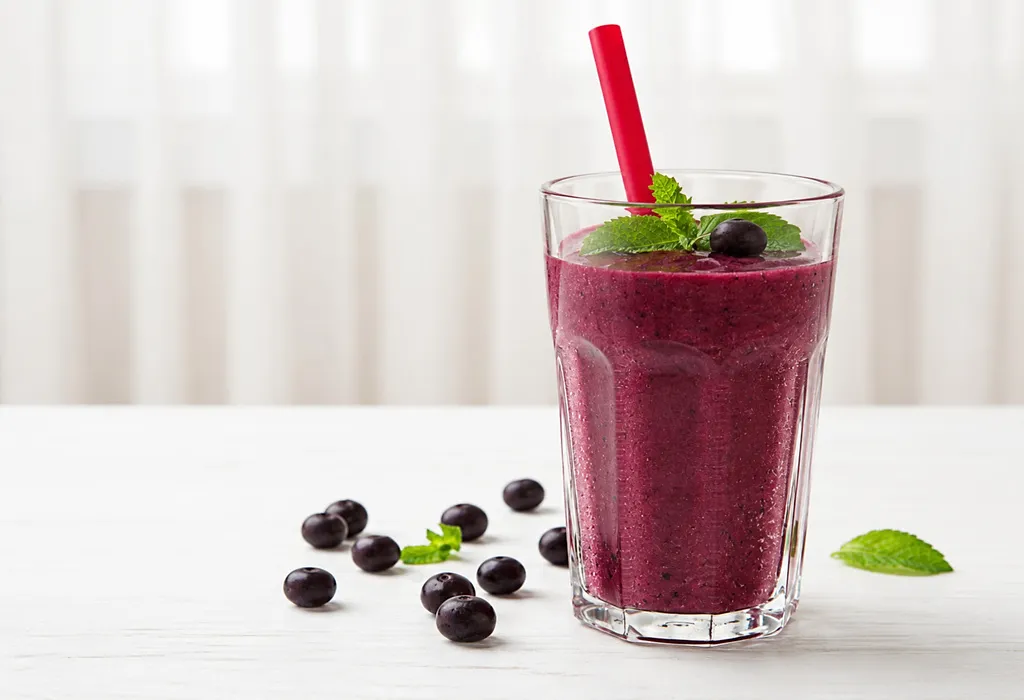
What Will You Need
- 100g unsweetened frozen acai pulp (pasteurised)
- 1 large ripe banana
- 1/2 cup plain Greek yoghurt (pasteurised)
- 1/2 cup whole milk or almond milk
- 1 tablespoon flaxseed (ground)
- A few ice cubes
How to Make It
- Add all ingredients to a blender.
- Blend until completely smooth and creamy.
- Pour into a glass and serve immediately.
3. Acai Overnight Oats
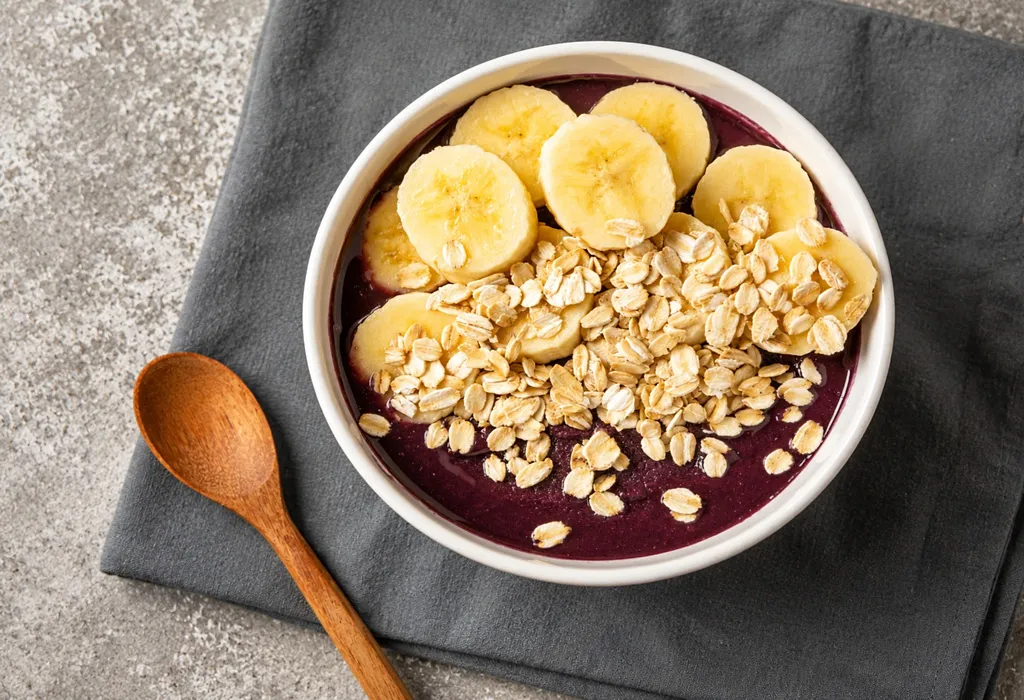
What Will You Need
- 50g unsweetened frozen acai pulp, thawed
- 1/2 cup rolled oats
- 3/4 cup milk of your choice
- 2 tablespoons plain yoghurt
- 1 teaspoon honey or maple syrup
- Fresh berries to top
How to Make It
- In a jar or bowl, mix together the oats, milk, yoghurt, and thawed acai pulp.
- Stir well until the acai is evenly combined, and the mixture turns a deep purple colour.
- Sweeten with honey or maple syrup and stir again.
- Cover and refrigerate overnight (or for at least 4 hours).
- In the morning, top with fresh berries and enjoy cold.
FAQs
1. Can I have acai juice in pregnancy?
You should consume acai juice in pregnancy only if it is 100% pasteurised. Unpasteurised acai juice is not safe during pregnancy due to the risk of bacterial or parasitic contamination.
2. Can I eat acai in my first trimester?
The first trimester is the most sensitive period of foetal development, and many women are also dealing with nausea, food aversions, and heightened caution about what they eat. Eating a small amount of acai in pasteurised, whole food form during the first trimester is not known to be harmful. However, given the limited safety research specific to early pregnancy, keeping portions small and sticking to the safest forms (unsweetened frozen pulp or pasteurised products) is the wisest approach. Avoid acai supplements, concentrated powders, or any product that combines acai with herbal ingredients throughout the first trimester and beyond.
3. Are acai berry supplements safe during pregnancy?
No, acai berry supplements, whether in capsule, powder, or liquid concentrate form, are not considered safe during pregnancy and should be avoided. The safety profile of concentrated acai extracts in pregnancy has not been studied, and many supplement products may contain additional herbal ingredients, stimulants, or compounds that could jeopardise pregnancy.
4. Can acai help with pregnancy nausea?
There is no direct clinical evidence that acai specifically helps with pregnancy nausea or morning sickness. Thus, it is better to consult your doctor or consume fruits that are known for relieving pregnancy nausea.
It is worth noting that the nutritional content of acai products – particularly juices, powders, and commercial acai bowls – can vary widely depending on how the product is processed and whether sugar or other ingredients have been added. Always check the label of any acai product you consume during pregnancy.
Also Read:
Apricots during Pregnancy
Eating Strawberries while Pregnant
Jujube (Ber) Fruit in Pregnancy
Can You Eat Blackberry during Pregnancy?
Was This Article Helpful?
Parenting is a huge responsibility, for you as a caregiver, but also for us as a parenting content platform. We understand that and take our responsibility of creating credible content seriously. FirstCry Parenting articles are written and published only after extensive research using factually sound references to deliver quality content that is accurate, validated by experts, and completely reliable. To understand how we go about creating content that is credible, read our editorial policy here.
- Author


Related Articles
-

Glucose Challenge Test (GCT) & Glucose Tolerance Test (GTT) in Pregnancy
-

Husband's Responsibilities During Pregnancy - Taking Care of Your Pregnant Wife
-

Baby on the Way? Here's What You Should Start Now!
-

Foetal Anaemia - Causes, Diagnosis, and Treatment
-

Food Cravings and Aversions During Pregnancy
-

8 Creative and Savory Baby Shower Cupcake Ideas