
Listeria During Pregnancy – Causes, Symptoms and Prevention
Learn about the risks, symptoms, and prevention of Listeria during pregnancy to keep you and your baby safe.




Image Credit : AI Generated Image
Listeria is a serious infection that can be particularly dangerous during pregnancy, posing a significant threat to the unborn foetus. Although it is a relatively rare disease, the primary concern for the pregnant mother is its potentially devastating effect on the developing baby. These severe consequences include a range of developmental problems, an increased risk of miscarriage, or even foetal death. The crucial connection between Listeria and pregnancy underscores the importance of heightened awareness and preventive measures. Fortunately, risks can be substantially reduced through diligent food safety practices and good personal hygiene. Furthermore, understanding the symptoms allows for early medical consultation, as the onset of listeriosis can be effectively curbed by prompt diagnosis and swift clinical intervention, thereby protecting both maternal and foetal health.
What Is Listeriosis?
Listeriosis is an infection caused by the Listeria monocytogenes bacteria, which is found in soil, water, dust, animal faeces, processed foods and raw meat (1). It is a rare infection that most commonly occurs from eating food that is contaminated by bacteria. For the majority, listeriosis is a mild illness that can be cured with antibiotics and passes without any severe complications. However, in newborns, the elderly and people with weak immune systems, Listeria can cause meningitis, blood infection and other complications that can be potentially life-threatening. Listeria infection in pregnancy can cause complications to the foetu,s which can be devastating and even lead to severe disease that can be fatal.
What Are the Odds of Getting Listeria While Pregnant?
What are the chances of getting Listeria while pregnant? Although listeriosis is a rare infection, it is 20 times more common in pregnant women when compared to the general population (2). Of the total cases of infection in the population, an estimated 27% of the cases are pregnant women. Pregnancy increases the risk of listeriosis due to the changes in the mother’s immune system. When it focuses more on defending the foetus, the mother becomes susceptible to infections.
Causes of Listeria When Pregnant
Contracting listeria during pregnancy primarily occurs through consuming contaminated food, as the immune system undergoes changes that make expecting mothers more susceptible to this serious infection. Understanding the common sources is the first step toward effective prevention (3).
- Unpasteurised dairy products and soft cheeses made from raw milk, like brie or queso fresco, are common sources.
- Refrigerated pâtés or meat spreads can harbour the bacteria.
- Smoked seafood kept in the refrigerator, like lox or nova-style salmon, is a known source.
- Raw sprouts, such as alfalfa and clover, can be contaminated during growth.
- Unwashed raw fruits and vegetables can carry bacteria from soil or manure.
- Pre-prepared, store-bought salads, including coleslaw and potato salad, are potential sources.
- Cross-contamination in the kitchen from utensils or cutting boards can spread the bacteria.
- Soft-serve ice cream from improperly cleaned machines has been linked to outbreaks.
- Ready-to-eat deli meats, such as ham, turkey, and salami, can be contaminated.
Listeria Symptoms in Pregnancy
The symptoms of Listeria may start between two days to even two months after exposure to the bacteria. Healthy adults and women who are not pregnant typically do not show any symptoms at all.
The signs of Listeria when pregnant are similar to the flu, with fever and muscle pain that are typical of any infection.
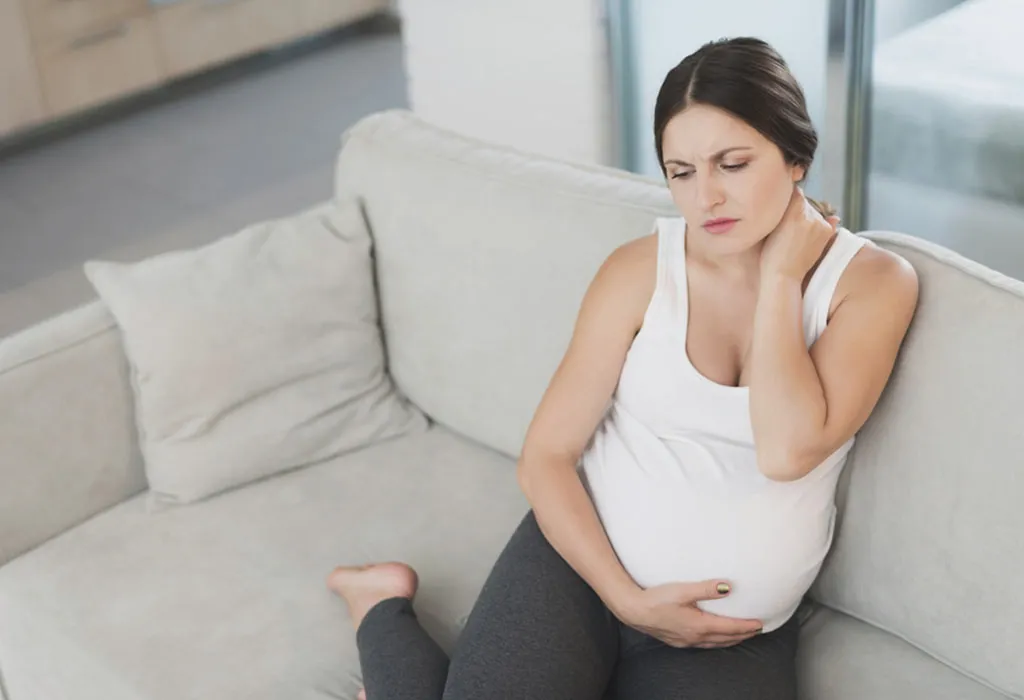
Symptoms in pregnant women include (4):
- Fever
- Chills
- Muscle pain
- Headaches
- Nausea and vomiting
- Confusion
- Stiff neck
Who Is Most at Risk of Getting Listeriosis?
Women who have certain conditions have a slightly higher risk of infection. Pregnant women have a significantly higher risk of listeriosis compared to the general population. Some of the conditions that make women susceptible to listeriosis are:
- Diabetes
- Human immunodeficiency virus (HIV) infection
- Use of steroids
- Weakened immune system
- Use of medicines that are immunosuppressive
- Alcoholism
- Cancer
How to Test for Listeria in Pregnancy?
Some women show no symptoms, and some can develop it within 2 to 30 days, or longer. Since infections by eating food contaminated by listeria bacteria in pregnancy are the most common, the symptoms normally appear within 48 hours.
It can be roughly said that Listeria is a kind of food poisoning that can cause complications in pregnancy. Hence, if you’ve eaten some food recently that you suspect might be contaminated, and if you are showing symptoms of the disease, the doctor would order a Listeria blood test during pregnancy. Cultures can take up to two days to grow. Due to the seriousness of the disease to the foetus, treatment might be started even before the results are out.
Treatment for Listeria in Pregnancy
Listeria can be treated using antibiotics. In most cases, the antibiotics work well and prevent the spread of the infection to the foetus (5). Newborn babies can also be treated with the same antibiotics.
Managing Listeria While Pregnant
The mother will be given an intravenous antibiotic that treats the infection and may also help protect the baby. Since Listeria and pregnancy are a combination known to cause birth defects, the baby will be monitored periodically using ultrasound scans to check for developmental problems.
Complications of Getting Listeria During Pregnancy
Pregnant women who are infected with listeriosis have complications such as:
- Miscarriage
- Premature delivery
- Stillbirth
- Low birth weight in newborns
- Foetal death
The infection can also affect pregnant mothers in some cases and cause:
- Bacterial meningitis (which is an inflammation of the tissues surrounding the brain)
- Septicemia (Blood poisoning)
What Is the Outlook?
The effects of listeriosis can be severe on babies and also have a fatality rate of 20 to 30 per cent. Early diagnosis and treatment with antibiotics can help avoid infection reaching the foetus and avert complications. However, it should be noted that not all babies that are born to infected mothers have problems.
Prevention
Preventive measures can help reduce your chances of an infection. Here are some noteworthy ones (6):
1. Cook All Meat Thoroughly
- Meat such as poultry, fish, pork and others must be cooked thoroughly.
- Use a food thermometer to ensure the right temperature.
- 70 to 82 degrees Celsius is the minimum temperature at which all meat must be cooked.
- Cook meat until it is no longer pink in the middle and fish until it is opaque.
- Avoid sampling the meat before it is done.
2. Thoroughly Reheat Leftover Food
- Listeria bacteria contamination can occur even after the food has been cooked. Since they can survive sometimes and continue to grow even under refrigeration, unlike many other bacteria, all previously cooked food must be reheated before storage.
- Food should also be reheated to 75 degrees Celsius or steaming hot before consumption.
3. Avoid Deli Foods Unless They Are Heated Thoroughly
- Delis, cold cuts, meat spreads, smoked or pickled fish; refrigerated pates are all Listeria foods to avoid in pregnancy. Since they have the highest chances of spreading the disease, they should only be consumed if they are cooked well until steaming hot.
- Avoid any meat-based preparation that has been stored or refrigerated improperly.
4. Do Not Consume Unpasteurized (Raw) Milk
- Avoid drinking raw milk, whether it is from a cow, goat or buffalo. Also, avoid food prepared using unpasteurized milk.
- Avoid soft cheese such as camembert and brie. Also, avoid Mexican cheese such as Blanco, queso, panela or queso fresco unless the label states clearly that they are made from pasteurised milk.
- Cultured dairy products such as yoghurt and buttermilk are generally considered safe. So are cottage cheese, cream cheese, hard cheese and processed cheese.
- Ensure to read the label on all dairy products to make sure they are made out of pasteurised milk to be on the safe side.
5. Thoroughly Wash All Produce
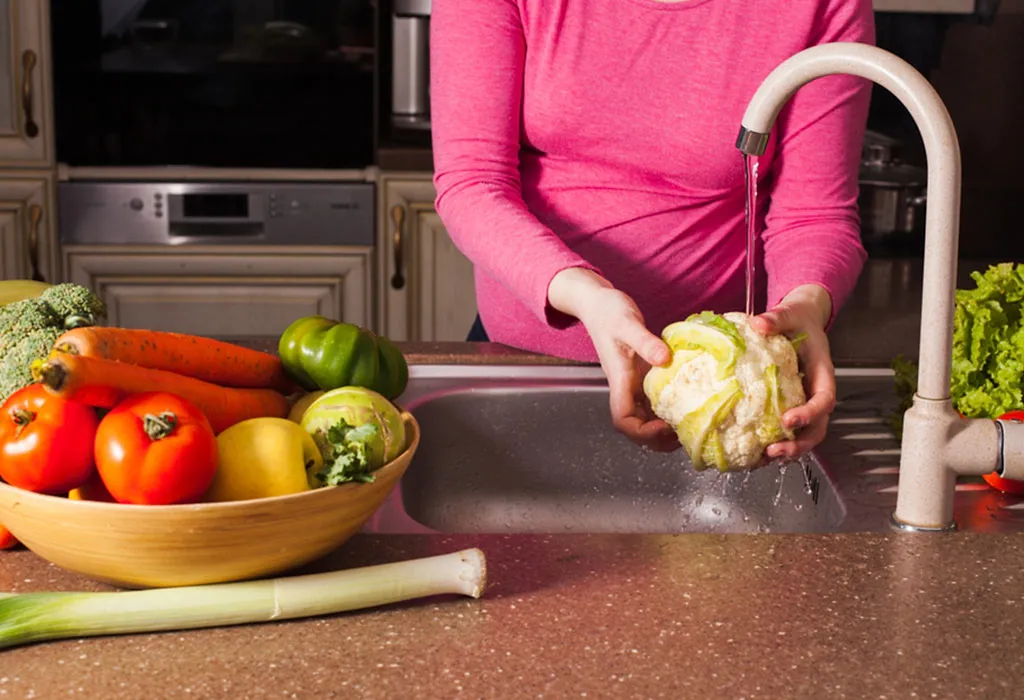
- All your fruits and vegetables must be washed thoroughly before consumption.
- When in doubt, peel all fruits to be safe.
6. Avoid Raw Sprouts
- Try not to consume raw sprouts until after your pregnancy.
7. Avoid Contamination of Food That’s Ready to Eat
- Wash utensils, cutting boards, dishes, counters and your hands with soap and water after handling potentially contaminated food.
- Keep potentially contaminated foods such as unwashed produce, poultry, uncooked meat, etc., away from clean cooked food that is ready to eat.
8. Cleanse Sponges and Dishcloths Routinely
- Sponges and dishcloths are a potential breeding ground for bacteria.
- Clean them with hot water and soap regularly, in the microwave, or in the dishwasher
- Wipe clean dishes, utensils and countertop dry with a clean dish towel or paper towel regularly.
9. Don’t Keep Perishable Food Around Too Long
- Consume ready-to-eat and perishable foods as soon as possible once you’ve opened their packaging.
- Their expiry date holds good only when they remain unopened. Once opened, they should be consumed soon.
10. Set Your Refrigerator Temperature to Optimal Values
- The ideal temperature for the refrigerator is between 1 and 4 degrees Celsius.
- The freezer is to be kept at zero or below, always, and use a refrigerator thermometer to monitor regularly.
FAQs
1. Can Listeria be transmitted through non-food sources, like gardening or pets?
Yes, Listeria can be transmitted through non-food sources, though this is less common. The bacteria live in soil, water, and compost. You can be exposed to gardening without gloves or handling contaminated soil. Pets, especially those fed raw diets, can also carry and shed the bacteria. To stay safe, wear gloves while gardening, wash your hands well afterwards, and practice good hygiene when handling pets or their waste.
2. If I had listeria earlier in life, am I immune during pregnancy?
No, having a past listeria infection does not make you immune during pregnancy. You can contract the infection again. In fact, the natural changes in your immune system during pregnancy make you more susceptible to severe infections like Listeria each time. Therefore, it is crucial to follow all recommended food safety precautions throughout every pregnancy.
3. Is it possible to contract listeria from another person who is sick with it?
Direct person-to-person transmission of Listeria is highly uncommon and not considered a typical route of infection. However, it is possible in very specific circumstances, such as a pregnant person coming into direct contact with the bodily fluids (like stool or vomit) of someone actively infected. The primary and overwhelming risk remains from consuming contaminated food. Practising good general hygiene, like thorough handwashing, provides excellent protection against this rare possibility.
This was all about listeria in the first, second and third trimesters. By maintaining good hygiene, it is possible to prevent listeriosis and pregnancy complications.
Also Read:
Vomitting while Pregnant
Hyperemesis Gravidarum
Morning Sickness in Pregnancy
Was This Article Helpful?
Parenting is a huge responsibility, for you as a caregiver, but also for us as a parenting content platform. We understand that and take our responsibility of creating credible content seriously. FirstCry Parenting articles are written and published only after extensive research using factually sound references to deliver quality content that is accurate, validated by experts, and completely reliable. To understand how we go about creating content that is credible, read our editorial policy here.
2. National Library of Medicine – Listeriosis in Pregnancy: Diagnosis, Treatment, and Prevention
3. Cleveland Clinic – Listeria in Pregnancy
4. ACOG – FAQs: Listeria and Pregnancy
5. Mayo Clinic – Listeria infection
6. American Pregnancy Association – Listeria in Pregnancy – Risks, Treatment & Prevention
- Author
 About the Author
Mrunal
Related Articles
-

20+ Best Home Remedies for Hemorrhoids (Piles) While Pregnant
-
Single and Pregnant - Tips for a Pregnant Single Women
-
Loss of Appetite During Pregnancy – Causes & Treatment
-
Sleeping on Back During Pregnancy - Is It Harmful?
-
Under The Sea Themed Baby Shower Celebration Ideas
-
15 Safe Home Remedies for Cough During Pregnancy