
List of Animal Names with Pictures for Kids
Cute and easy animals name for kids to learn and enjoy while building vocabulary in a fun and playful way.




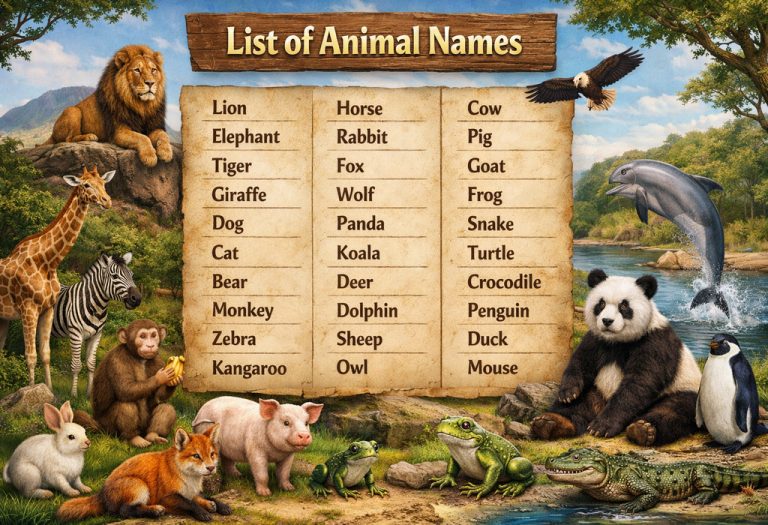
Image Source : AI Generated Image
Parents often wonder how to teach toddlers about animal names. It’s pretty simple and easy if you turn it into an activity or a game rather than making it a task. Visual cues and actual sightings will help your child remember for a longer time.
The wide world out there is fascinating and intriguing to little toddlers. Animals are particularly interesting, probably because children find them just as jumpy and noisy as they are! Some of the earliest sounds that toddlers make are those of animals such as ‘bow bow’ and ‘meow’. Make the most of this eagerness to learn about animals by teaching them the animal names in English. Take a look at these animals pictures for kids with names.
Common Animal Names in English
Animals are living creatures that play important roles in nature and in human life. This animals list introduces some common animal names in English.
1. Dog
A dog is a domesticated animal known for its loyalty and intelligence. Dogs are often kept as pets and can be trained to guard homes, assist people, or provide companionship (1).

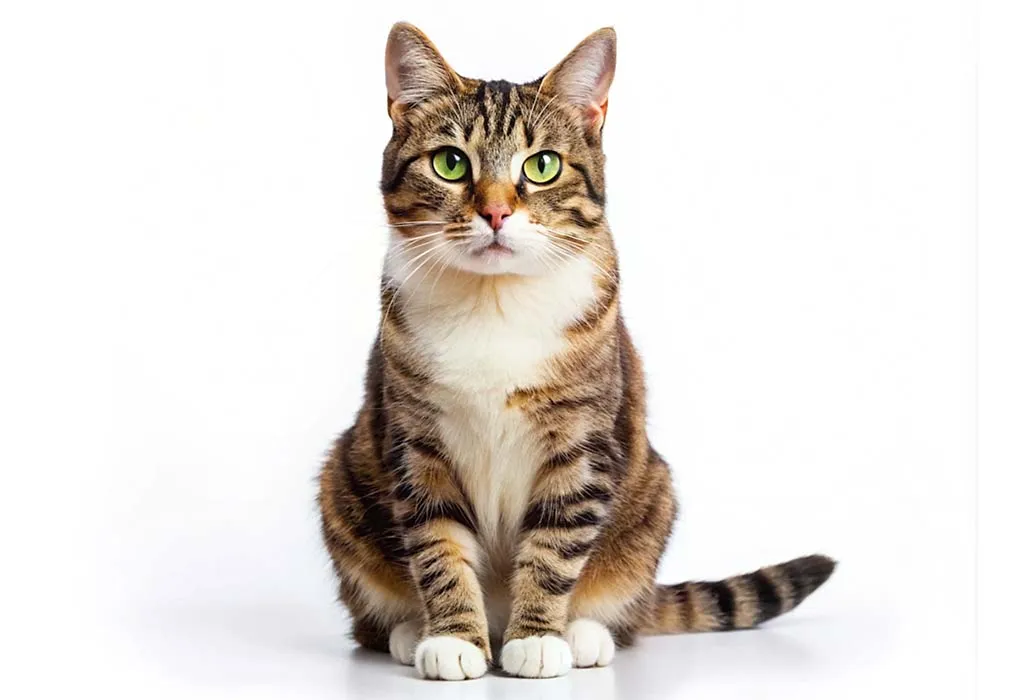
2. Cat
A cat is a small domesticated animal valued for its independence and agility. Cats are often kept as pets and are known for their ability to hunt small animals and adapt well to home life.
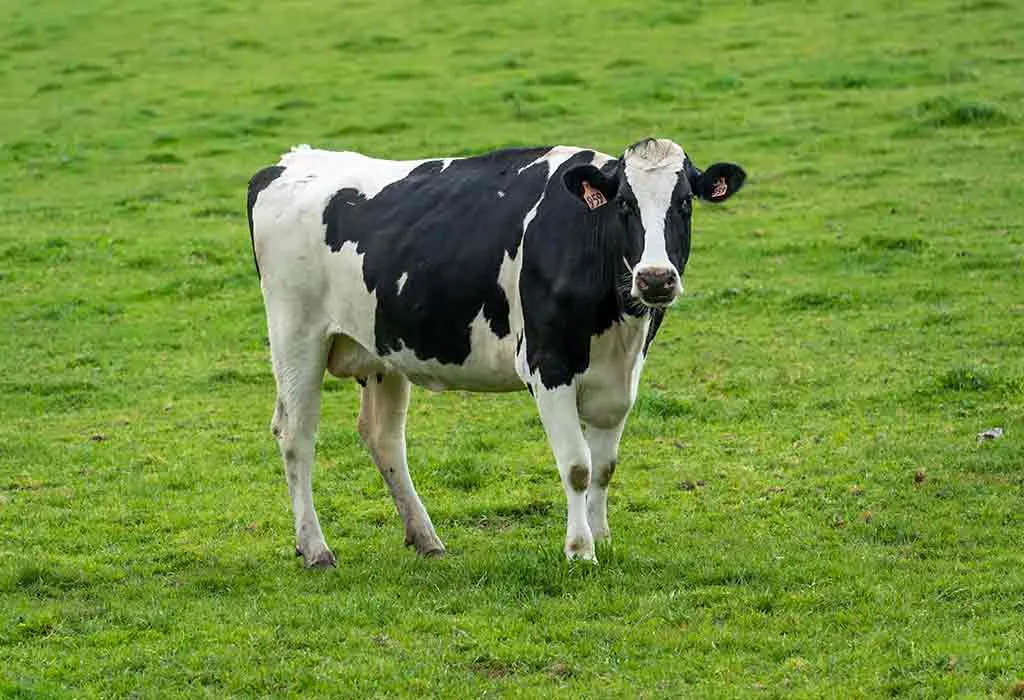
3. Cow
A cow is a large farm animal raised mainly for milk, meat, and leather. It plays an important role in agriculture and is commonly found in rural areas (2).
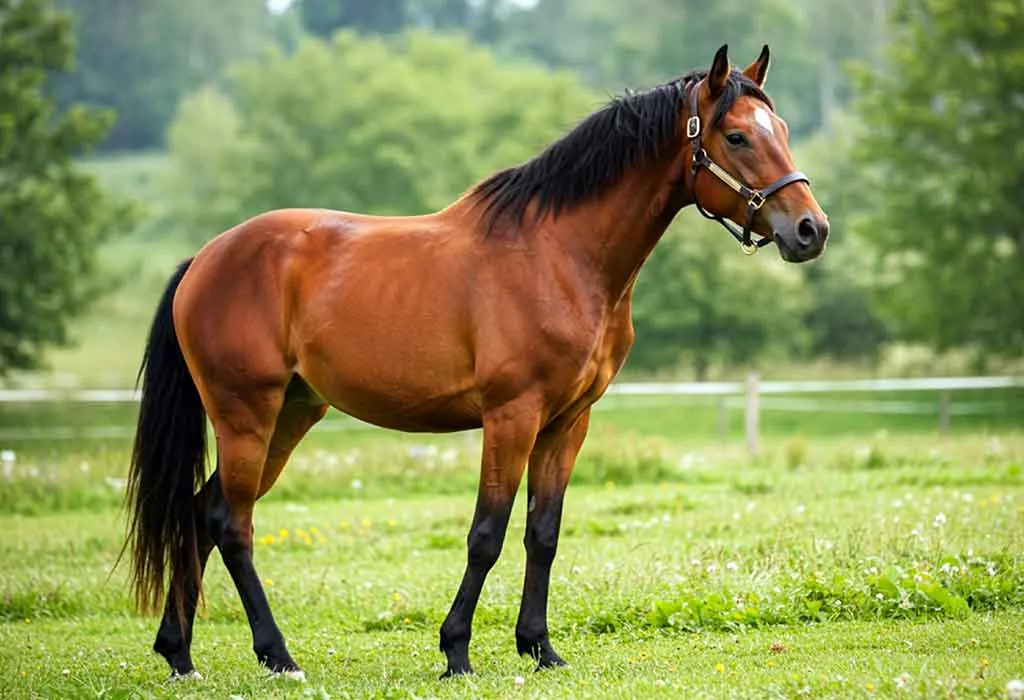
4. Horse
A horse is a strong and fast animal used for riding, farming, and transportation. It has been closely associated with humans for work, sports, and travel for centuries.
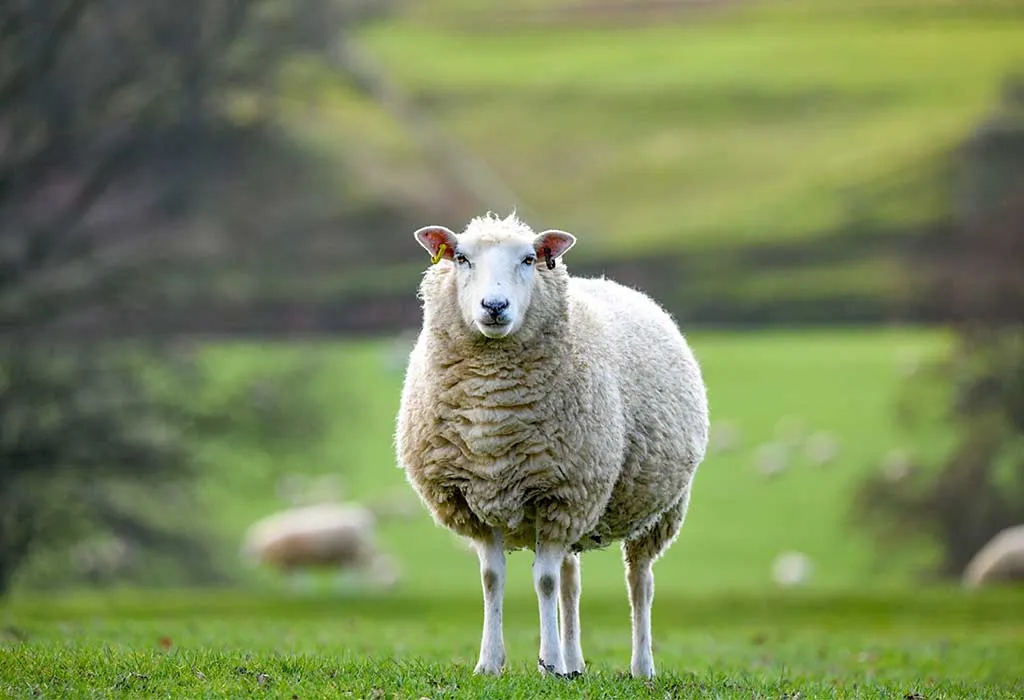
5. Sheep
A sheep is a gentle farm animal mainly raised for its wool, meat, and milk. Sheep usually live in groups and are common in grassland areas (3).
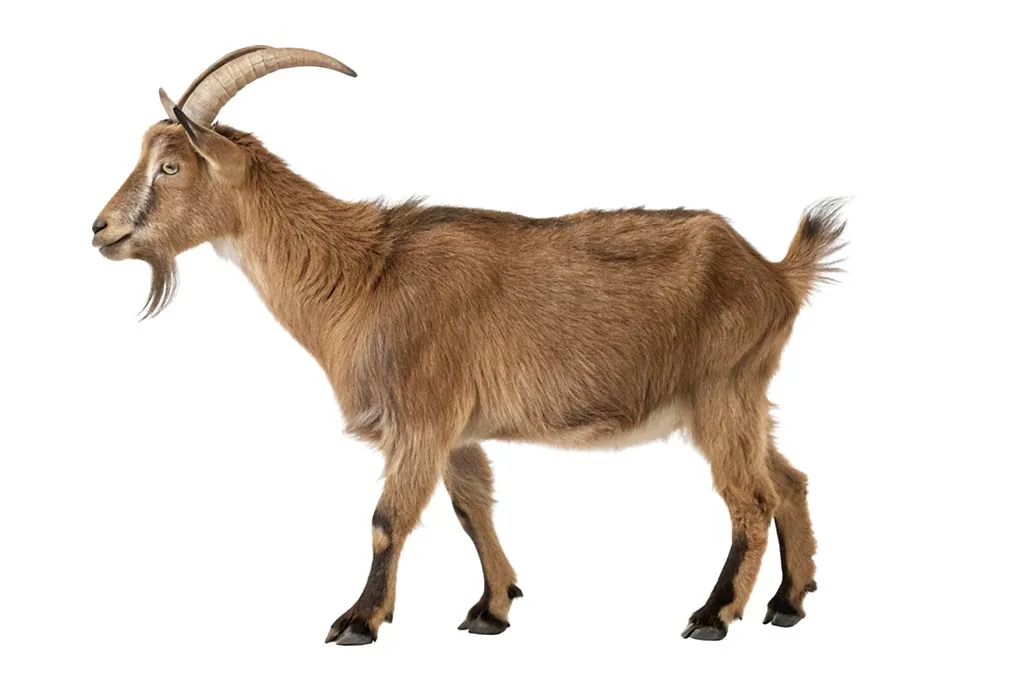
6. Goat
A goat is a hardy farm animal known for its ability to climb and survive in rough environments. Goats are raised for milk, meat, and sometimes fiber.
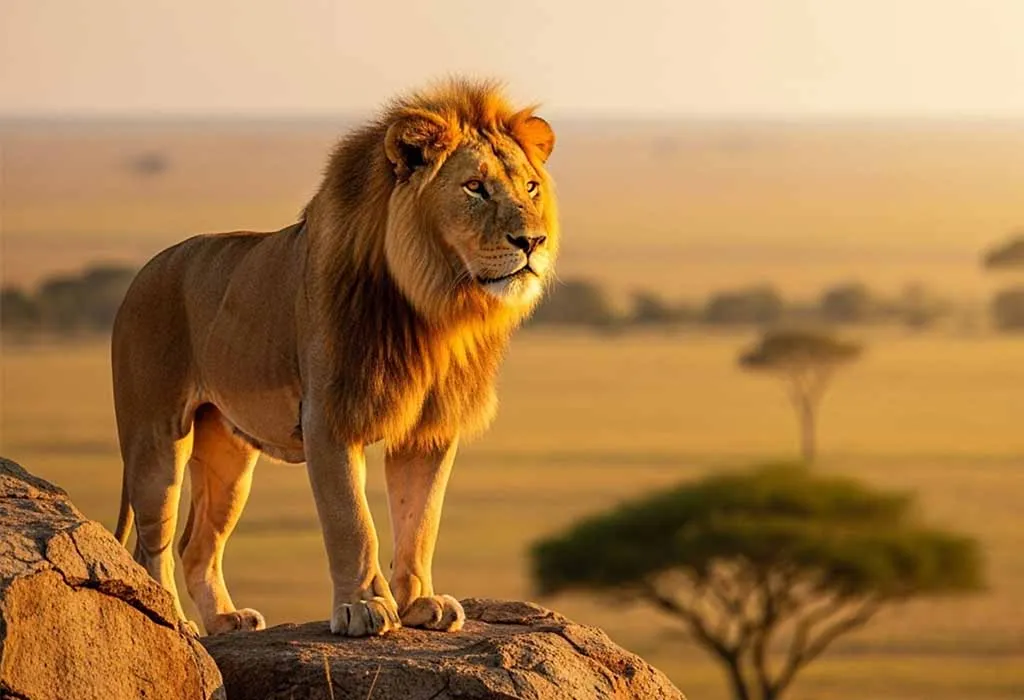
7. Lion
A lion is a large wild cat known for its strength and majestic appearance. It lives in groups called prides and is often referred to as the king of the jungle.
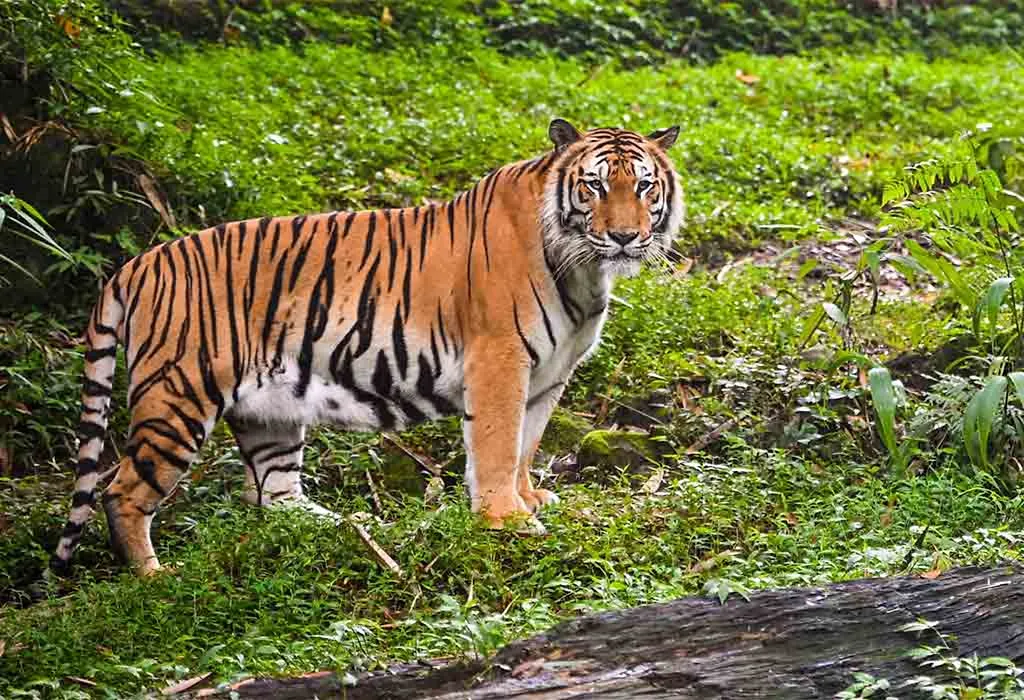
8. Tiger
A tiger is a powerful wild cat with distinctive black stripes. It is a skilled hunter and usually lives alone in forests and grasslands (4).
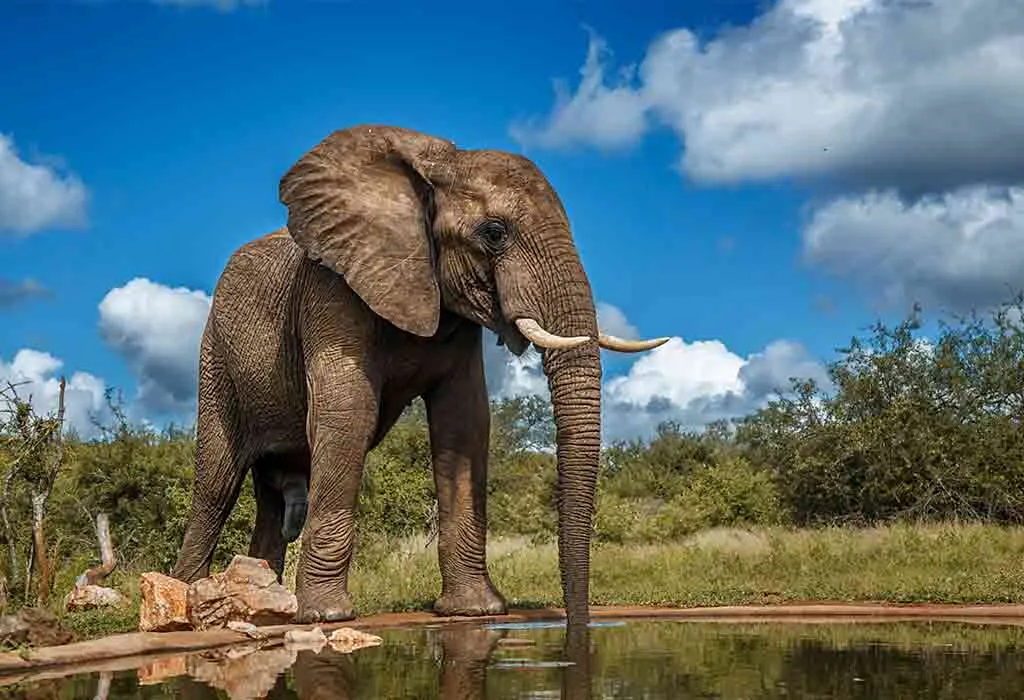
9. Elephant
An elephant is the largest land animal, famous for its long trunk and large ears. Elephants are highly intelligent and live in close family groups.
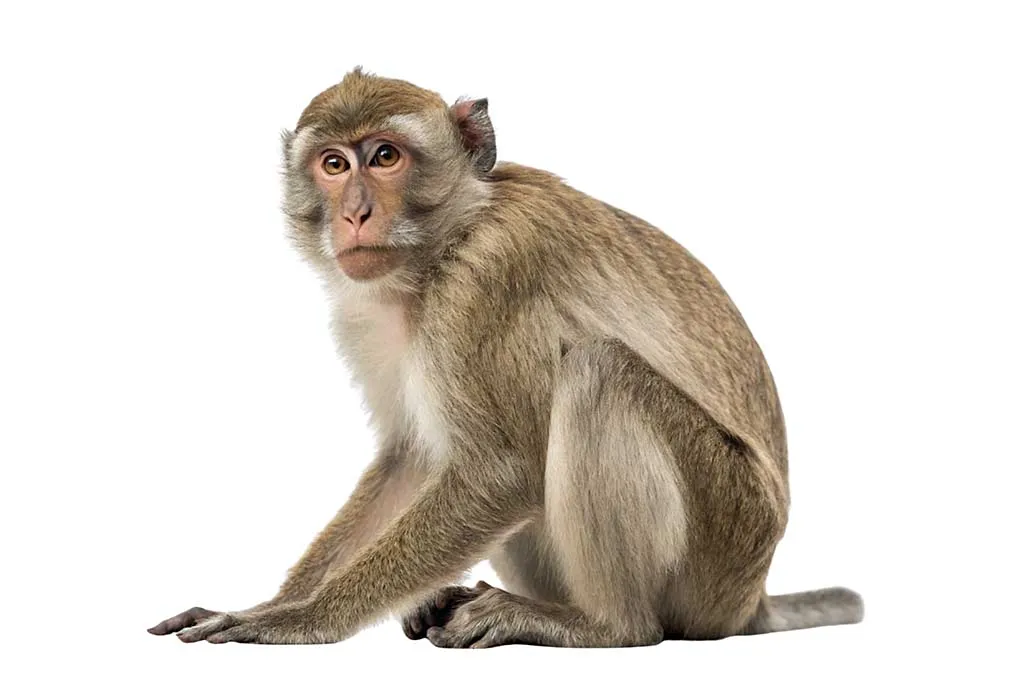
10. Monkey
A monkey is a playful and intelligent animal that lives mostly in trees. It uses its hands and tail to climb and is known for its social behavior.
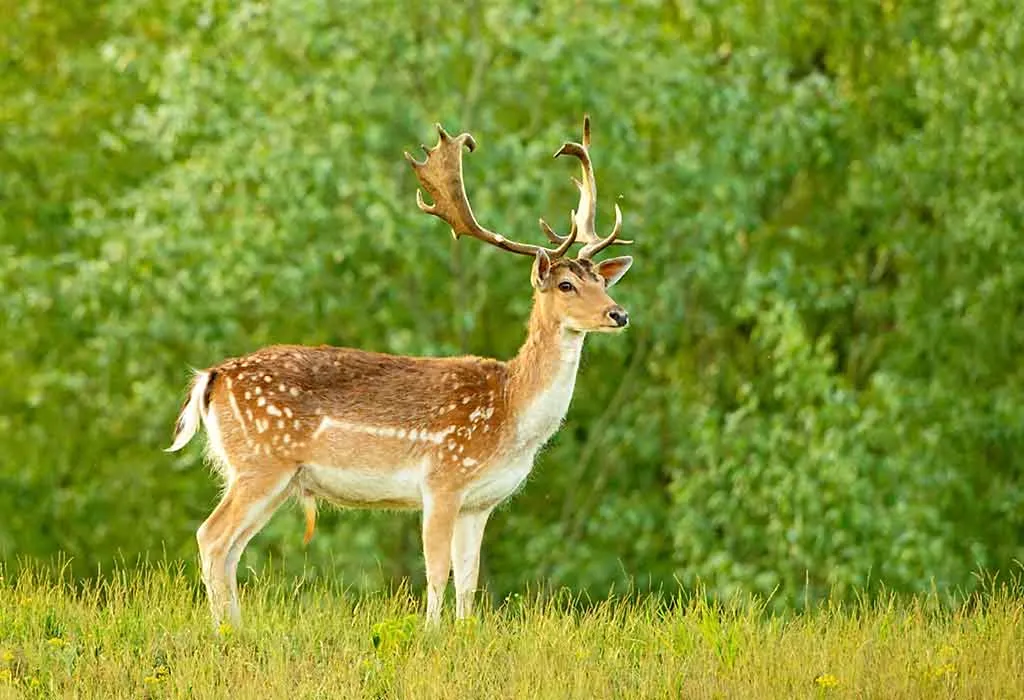
11. Deer
A deer is a graceful wild animal commonly found in forests and fields. Male deer usually have antlers, which they shed and regrow each year.
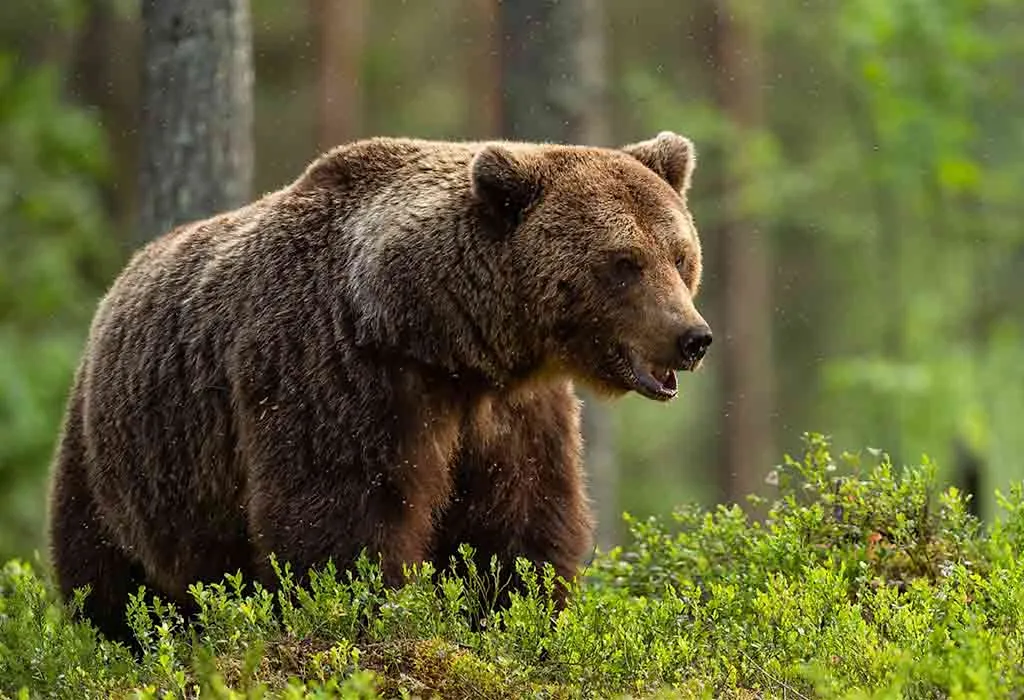
12. Bear
A bear is a large, powerful animal with thick fur and strong claws. Bears can live in forests or mountains and eat both plants and animals.
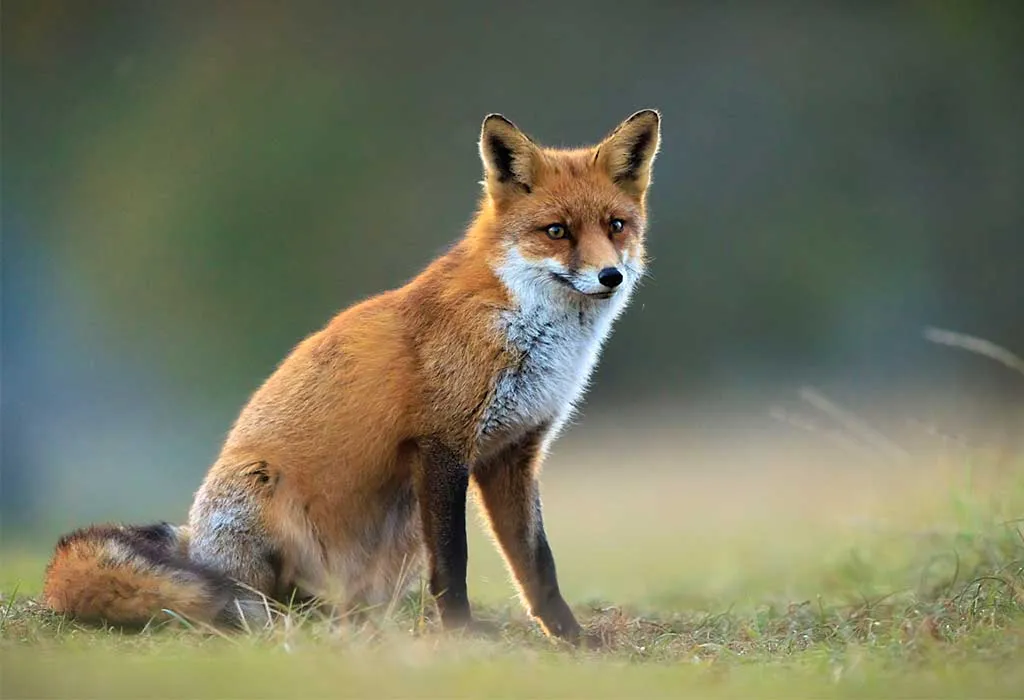
13. Fox
A fox is a small wild animal known for its cleverness and sharp senses. It has a bushy tail and can adapt well to different environments (5).
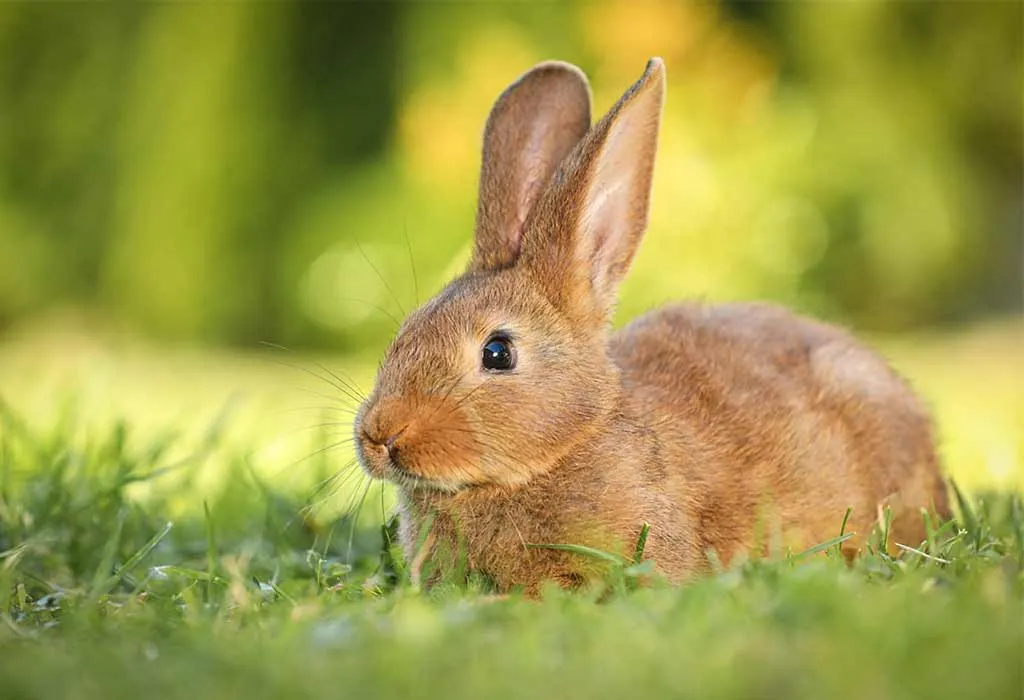
14. Rabbit
A rabbit is a small animal with long ears and strong hind legs. It is known for hopping quickly and living in underground burrows.
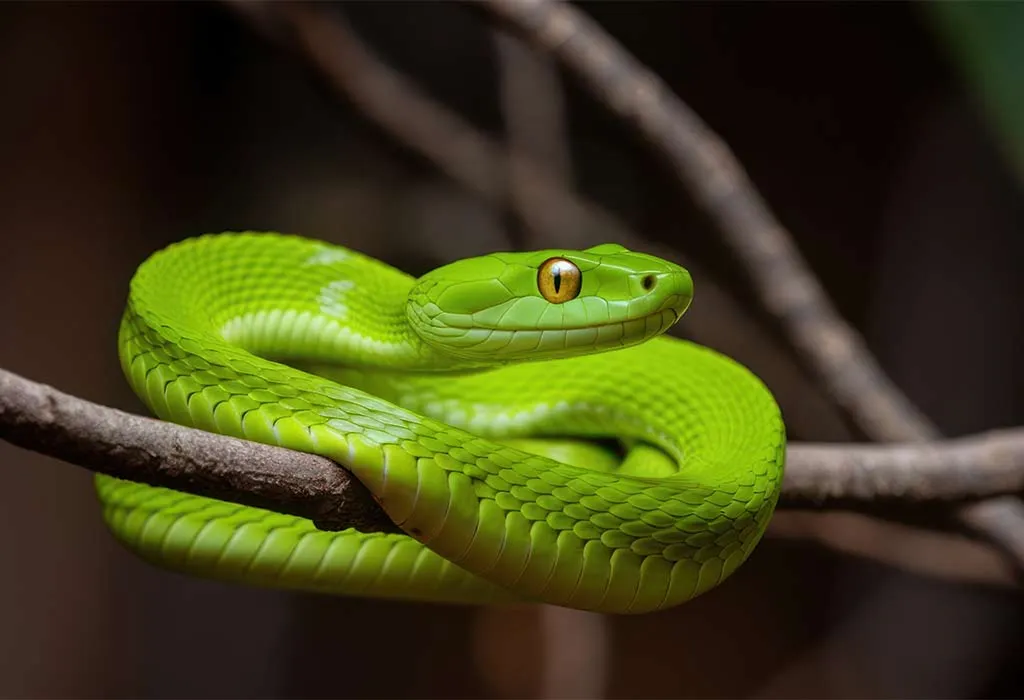
15. Snake
A snake is a long, legless reptile that moves by slithering. Some snakes are poisonous, while others are harmless.
What Are the Different Types of Animals?
Animals can be grouped into different types based on how they live and what they are like. This simple guide explains all kinds of animals by listing common groups with easy examples (6).
1. Mammals
- Dog
- Cat
- Cow
- Horse
- Elephant
- Lion
- Whale
- Bat
2. Birds
- Eagle
- Parrot
- Sparrow
- Pigeon
- Owl
- Peacock
- Penguin
- Swan
3. Reptiles
- Snake
- Lizard
- Crocodile
- Alligator
- Turtle
- Tortoise
- Chameleon
- Gecko
4. Amphibians
- Frog
- Toad
- Salamander
- Newt
- Tree Frog
- Bullfrog
- Caecilian
- Fire Salamander
5. Fish
- Goldfish
- Shark
- Salmon
- Tuna
- Clownfish
- Carp
- Catfish
- Swordfish
6. Insects
- Ant
- Bee
- Butterfly
- Mosquito
- Fly
- Beetle
- Grasshopper
- Dragonfly
7. Sea Animals
- Dolphin
- Octopus
- Jellyfish
- Crab
- Lobster
- Seahorse
- Starfish
- Squid
Tips for Teaching Animal Names to Kids
Teaching animal names to young children can be fun and engaging when learning feels like play. These simple tips focus on teaching animal names for toddlers and preschoolers in an easy, enjoyable, and age-appropriate way.
1. Match Pictures with Animals
Most parents buy animal figures and toys for their toddlers. If you haven’t, now is the time. Once you have a few, print a picture of the animal or use a nature book. Get your toddler to recognise animal names with pictures by placing the toy on the respective picture. Here are some cute baby animal pictures to get you started:
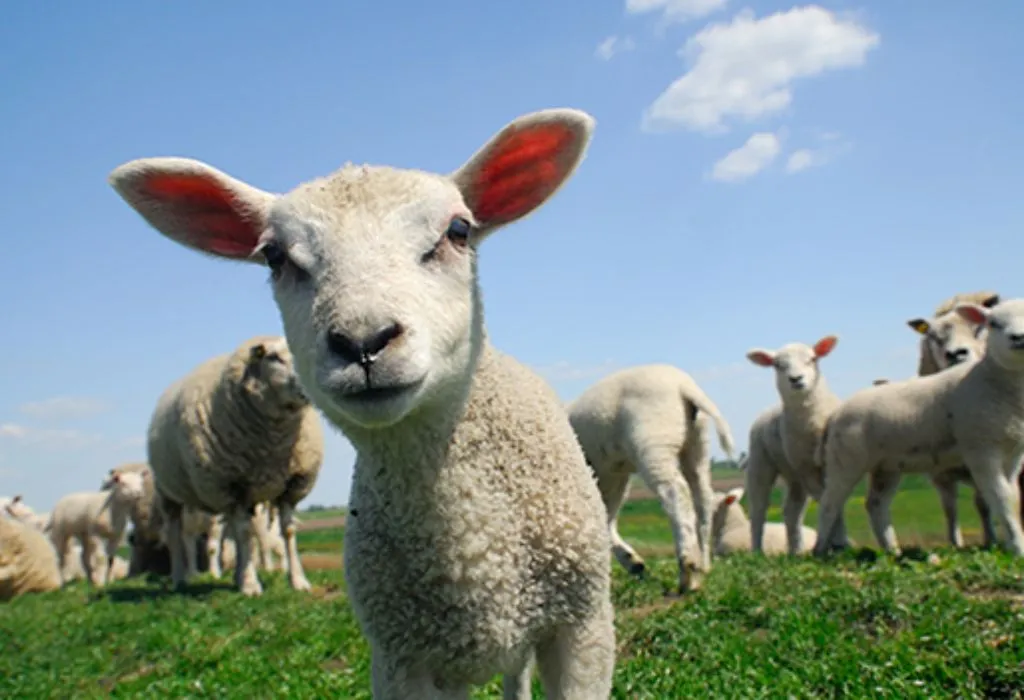
- This Lamb Wants to Make Friends With You!
- Can You Guess What this Racoon is Saying?
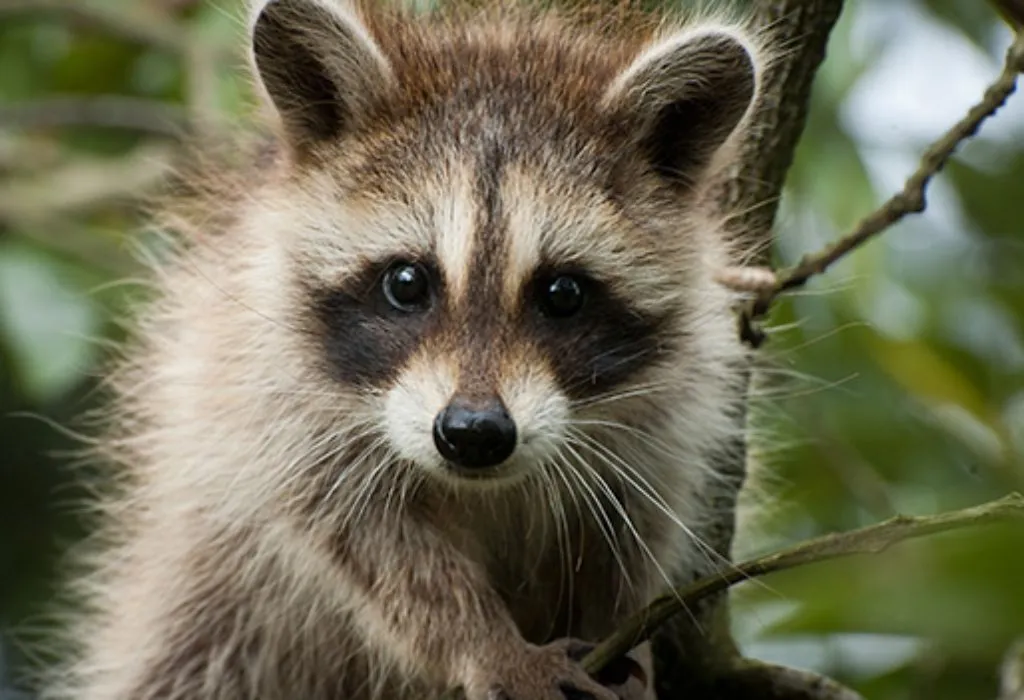
- All that this Dog wants to do is Look at you Lovingly!

- These Sweet Birds are Waiting for Dinner
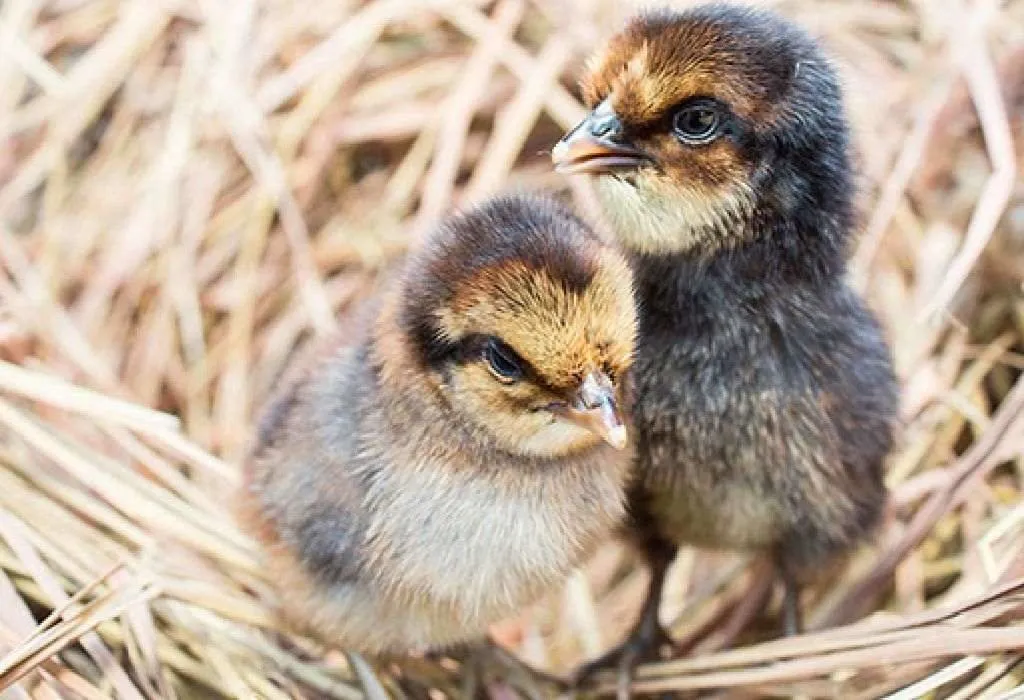
- This Tiger is Having a Fun Time all by Himself
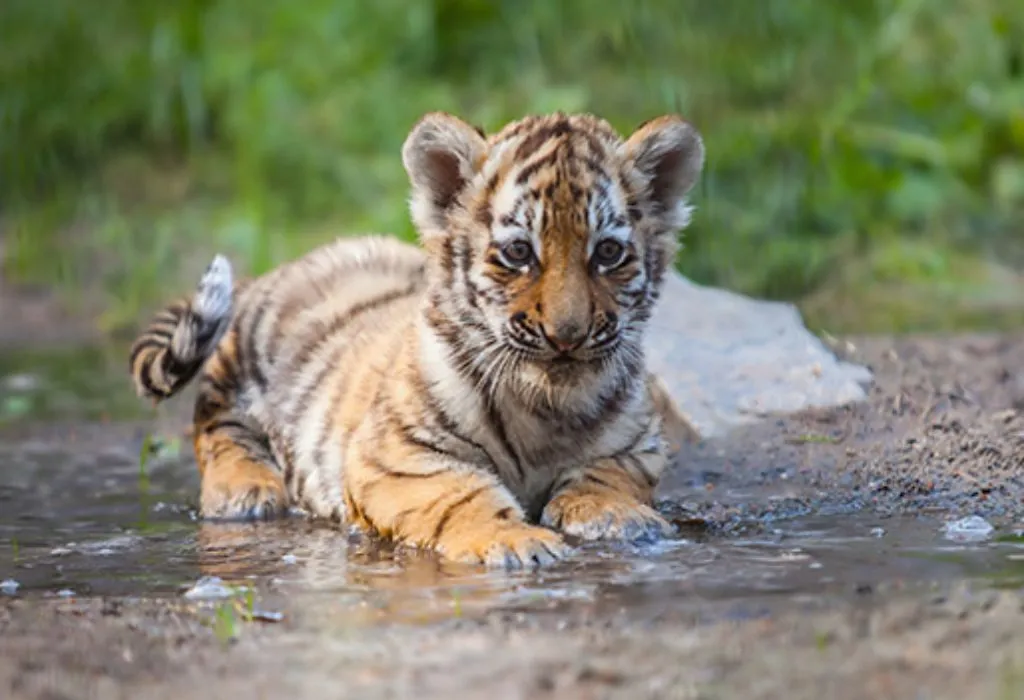
2. Make Animal Sounds
The quack of a duck or the meow of a cat is not just a sound; they’re lessons for your little one to understand that animals use these sounds to communicate. Play sound games to teach your tot about animal names. Oink, bark, growl, moo and see if he can identify the animal that you’re imitating. This activity can be reversed with an older preschooler- just show or name an animal and ask the child to make the sound.
- Old MacDonald had a farm
- Baa baa black sheep
- Mary had a little lamb
- Little Bo Peep
- Little Miss Muffet
- Five little monkeys
- Hickory dickory dock
- Three blind mice
- Incy wincy spider
- Row, row, row your boat
3. Sing Along with Rhymes
There are many rhymes that have animals for toddlers to learn. Make a list of all such rhymes and keep singing them with your toddler. Here’s a look at some such rhymes:
4. Play Memory Games
Make a list of animals with pictures and names printed in sets of two. Keep one set face down and ask your toddler to uncover each card and match it with the similar one in the other set. This will keep him busy, help him identify animals, and will also help sharpen his memory. Once he’s old enough to learn to read, you can play the same game, but with a twist: Print pictures of animals on one card and their names on another card and ask him to match them.
5. Take Him out
Another way to make your 23-month-old toddler learn animal names is to take him to visit them. Plan a visit to a nearby animal shelter, farm or sanctuary to show the different types of animals. Visuals make a longer-lasting impact, and seeing real animals can help him remember their names better.
Important Facts About Animals
Animals are essential to life on Earth and play a vital role in maintaining natural balance. Learning basic facts about animals helps us understand their behavior, habitats, and importance in the ecosystem.
- Animals can be found in almost every environment, including land, water, air, and extreme climates.
- Some animals are herbivores, carnivores, or omnivores, depending on what they eat.
- Many animals have special body features that help them survive, such as sharp claws, wings, or camouflage.
- Animals communicate in different ways, including sounds, movements, and body language.
- Some animals are warm-blooded, while others are cold-blooded (7).
- Many animals migrate from one place to another to find food or suitable weather.
- Animals reproduce in different ways, such as laying eggs or giving birth to live young.
- Some animals live alone, while others live in groups called herds, packs, or colonies.
- Animals play an important role in nature by controlling populations and supporting food chains.
- Many animals can adapt to changes in their environment over time.
- Some animals are endangered and need protection to prevent extinction.
FAQs
1. How can learning about animals support emotional development in kids?
Learning about animals helps children develop empathy, kindness, and respect for living beings. It also encourages them to understand emotions, care routines, and responsibility in a gentle, age-appropriate way.
2. What is the right age to start teaching kids about animals?
Children can begin learning basic concepts related to animals as early as toddlerhood. Simple visuals, sounds, and stories work best at younger ages and can gradually become more detailed as children grow.
3. How does learning about animals improve language skills?
Animal-related activities introduce new words, sounds, and sentence structures. This helps children improve vocabulary, listening skills, and early communication abilities.
Remember that kids always enjoy playful and fun activities when it comes to animals with names. Try to think of interesting ways to teach your child animal names. Play the games with your toddler regularly and gradually expand the list of names once he’s familiar with a few.
Also Read:
Animal That Start With B
Animals that Start with E
Animals That Start With I
Animal Names that Start with N
Animal Names that Start With A
Was This Article Helpful?
- Author


Related Articles
-

Teaching Your Toddler The Concept of First and Last Names
-
20 Best Thanksgiving Books For Kids
-
25 Effective Ways to Save Money on Childcare
-
How Many Words Should a 18 Month Old Say?
-
New Nursery Admissions Rules Have Got Parents Majorly Worried. Here's Why.
-
Letter B Tracing Worksheets - Free Printables To Learn






.svg)