
Can You Perm or Rebond Your Hair While Pregnant? Safety and Alternatives
Is it safe to get a perm while pregnant? Discover the risks and safer hairstyling alternatives to try in this gynecologist reviewed guide.





Medically Reviewed By
Dr. Sabiha Anjum
(Gynecologist/Obstetrician)

This content has been reviewed by a qualified expert and follows the FirstCry Parenting editorial policy to ensure accuracy and reliability.
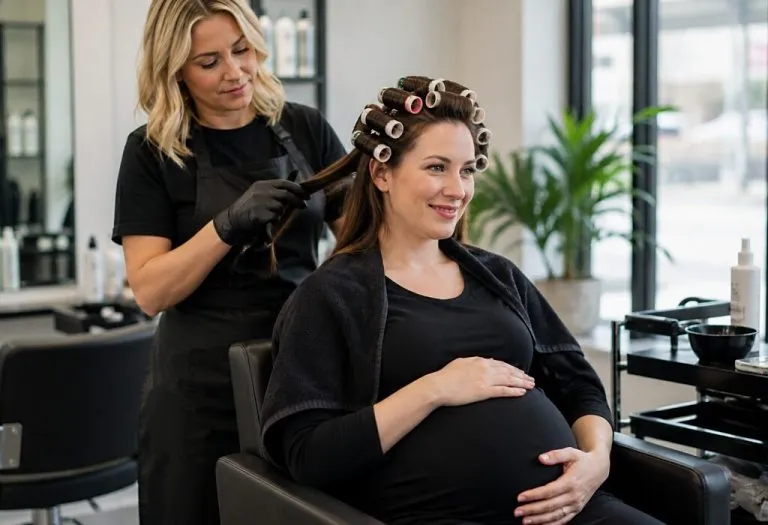
You can get a perm or rebond while pregnant, but most doctors recommend waiting until after the first trimester and taking precautions because the safety of the chemicals used in these hair treatments has not been extensively studied during pregnancy. Although there is no strong evidence linking hair perming or rebonding to birth defects, concerns remain about prolonged exposure to chemical fumes and possible scalp absorption. Factors such as your stage of pregnancy, scalp condition, and salon ventilation can also influence whether these treatments are a good idea. This article explores the potential risks, expert recommendations, safer alternatives, and practical tips to help you make an informed decision.
Can You Rebond Your Hair in Pregnancy?
Yes, you can rebond your hair during pregnancy, but most healthcare providers recommend waiting until after the first trimester or postponing the treatment until after delivery as a precaution (1).
Before deciding whether it’s right for you, it’s helpful to understand what the treatment actually involves. Hair rebonding is a chemical hair-straightening process that permanently alters your hair’s natural structure by breaking and rebuilding its bonds using chemical solutions and heat (2).
Pros
While hair rebonding during pregnancy isn’t essential, it does offer a few benefits that some expectant mothers may find appealing, such as (2):
- One of the reasons women opt for hair rebonding is because it looks great! Shiny straight hair is a preference also because it is easier to maintain, as opposed to curly hair.
- Getting a new look during pregnancy is good. You need to pamper yourself during this phase.
Cons
We’ve covered the pros of hair rebonding during pregnancy. Here are the cons:
- Hair rebonding, as mentioned above, is a chemical process that involves heat as well. While many argue that this is only done along the length of your hair, the chemicals may come in contact with your scalp as well. This, in turn, paves the way for the chemicals to enter your bloodstream, and eventually reach your baby through the placenta (3).
- Most of these hair relaxants contain a chemical that is called Lye. Lye can cause skin irritations and rashes (4). During pregnancy, your skin is extremely sensitive, so staying away from these chemicals is a good idea.
- These chemical relaxants and lotions also have a very strong smell, sometimes enough to give away fumes as well. This can irritate your respiratory tract, and cause you to feel nauseated.
- Your hormones are all over the place during pregnancy. This can get even worse if your body comes in contact with foreign bodies like the hair relaxants.
Things to Keep in Mind
Before booking your appointment, consider the following precautions to make the treatment as safe as possible during pregnancy.
- Consult your doctor first. Your doctor can conduct a test to see if you are allergic to any of the products that hair rebonding requires.
- Go to a reputed salon that uses good quality products.
- Do a background check on the products as well, see if the content of lye is a lot, ask your hairstylist for an alternative if that is the case.
- Ask a friend or two about it. Consult a friend who has gone ahead with hair rebonding during pregnancy. Every body type is different, and what worked for her might not work for you, but it is always better to ask someone who has done this before.
Alternatives for Hair Rebonding During Pregnancy
Hair rebonding, a process that involves the use of strong chemicals to straighten hair, may not be the best option due to potential risks. A perm while pregnant could be risky too. Here are some safer alternatives to consider for maintaining healthy and beautiful hair during pregnancy:
- Use nourishing hair masks made from natural ingredients like avocado, banana, and coconut oil. These masks can help strengthen and moisturise your hair without exposing you to harsh chemicals.
- Embrace heat-free styling methods such as braiding, twisting, or using foam rollers to achieve different looks. These techniques reduce the risk of damage and eliminate the need for chemical treatments.
- Opt for sulfate-free shampoos and conditioners with natural ingredients. These products are less likely to irritate your scalp or expose you to potentially harmful chemicals.
Can You Perm Your Hair When Pregnant?
Yes, you can get a perm while pregnant, but it’s generally recommended to postpone the treatment until after delivery as a precaution. Like hair rebonding, hair perming involves a lot of chemical processes and the application of heat as well. Hair perming is done to permanently curl or make your hair wavy, by altering the structure of your hair using relaxants and heat. Hair perming is done along the length of the hair, but like hair rebonding, the chemical relaxants and lotions that are used in the process can affect you and your baby.
Why Hair Perming During Pregnancy is a Bad Idea?
Pregnancy is a very delicate phase. Everything you do can affect your baby, so you need to think twice before going ahead with anything. The same goes for hair perming. This is a chemical process. Coming in contact with chemicals is not the wisest decision at this stage in your life. Also, due to hormonal changes, your hair might not respond the same way it usually does. There have been situations where pregnant women who go for hair perming end up getting frizzy hair, because of the way their hair react to the chemical relaxants and lotions. In addition to this, the chemicals are strong enough to emit fumes that can irritate your eyes, skin, and respiratory tract.
Types of Hair Perming
Hair perming is a popular method for adding curls and volume to your hair, but it’s essential to choose the right type for your desired look and hair type. There are several techniques, each offering different results and catering to various preferences. Here’s a look at some common types of hair perming:
1. Digital Perm
A modern technique that uses heated rods and digital controls to create loose, natural-looking curls. It’s ideal for those seeking a soft, beachy wave.
2. Cold Perm
The traditional perming method uses cold chemicals to set the curls. This method is effective for achieving more defined and voluminous curls.
3. Body Wave Perm
Designed to add gentle waves and volume to hair without tight curls. This perm is suitable for those looking to enhance their natural texture with soft waves.
4. Spiral Perm
It involves wrapping the hair around rods in a spiral pattern, resulting in tight, bouncy curls. It’s perfect for those wanting a more dramatic, curly look.
Alternatives for Hair Perming in Pregnancy
Hair perm while pregnant is generally not recommended due to potential risks from the chemicals involved. However, there are several safer alternatives that can help you refresh your look without compromising your health. Consider the following options:
1. Hair Dyeing
Hair dyes can be a safe alternative during pregnancy if used properly. Opt for mild, high-quality hair colours and consult both your doctor and hairstylist to ensure safety (5).
2. Vegetable Hair Dye
For a more natural approach, vegetable hair dyes are a great choice. These organic options are free from harsh chemicals and are considered safer during pregnancy.
3. New Haircut
A fresh haircut can dramatically change your look without chemical treatments. Choose a style that complements your face shape and enhances your appearance.
4. Hair Spa Treatment
Indulging in a hair spa treatment can be both relaxing and beneficial for your hair. These treatments can help improve hair health and provide a soothing experience.
FAQs
1. Can hair rebonding or perming affect my baby’s development?
While there is limited research on the direct impact of hair rebonding or perming on fetal development, the chemicals used in these processes can potentially be harmful. It’s generally advised to avoid such treatments to minimize any risk.
2. Are there specific chemicals in perming solutions that are more concerning during pregnancy?
Yes, certain chemicals commonly found in perming solutions, such as ammonia and formaldehyde, can be potentially harmful. These substances can release fumes that might pose risks, so it’s crucial to avoid them during pregnancy.
3. Can the fumes from hair perming affect my respiratory health during pregnancy?
The fumes from perming solutions can cause respiratory irritation. Pregnant women, who may already experience heightened sensitivity, could be more affected by these fumes, leading to potential discomfort or health issues.
4. Can pregnancy hormones affect the results of a perm or rebonding?
Yes. Hormonal changes during pregnancy can alter your hair’s texture, thickness, and growth pattern. As a result, the treatment may not produce the same results as it would have before pregnancy.
This was all about the effects of hair rebonding while pregnant, and even perms. Being pregnant does not mean you need to forego your beauty regime. In fact, you need to pamper yourself all the more during this phase. However, a few hairstyling methods can be hazardous for you and your baby, so consider your options before you go ahead with anything. Also, always consult your doctor and hairstylist. Most of all, keep in mind that you don’t need hazardous methods to make you look beautiful, it is simply not worth it.
Also Read:
Hair Growth during Pregnancy
Manicure & Pedicure while Pregnant
Greasy (Oily) Hair when Pregnant
Are Spa Treatments Safe in Pregnancy?
Facial During Pregnancy – Is It Safe?
Natural Ways for Hair Care during Pregnancy
Was This Article Helpful?
Parenting is a huge responsibility, for you as a caregiver, but also for us as a parenting content platform. We understand that and take our responsibility of creating credible content seriously. FirstCry Parenting articles are written and published only after extensive research using factually sound references to deliver quality content that is accurate, validated by experts, and completely reliable. To understand how we go about creating content that is credible, read our editorial policy here.
- Author
- Expert Reviewer