Ginseng in Pregnancy – Safety, Risks & Precautions
Is ginseng safe in pregnancy? This nutritionist reviewed guide covers its benefits, side effects, and safer alternatives to try.





Medically Reviewed By
Megha Mukhija
(Paediatric Nutritionist)


This health content has been medically reviewed by qualified experts and follows the FirstCry Parenting editorial policy to ensure accuracy and reliability.
Ginseng during pregnancy is generally not recommended unless your doctor specifically advises it, as there is not enough reliable evidence to confirm its safety for pregnant women. While ginseng is widely used to boost energy, support immunity, and promote overall wellness, some studies suggest that certain active compounds may pose risks to fetal development, making caution essential. Ginseng and pregnancy remain an area of ongoing research, and medical experts advise avoiding herbal supplements with uncertain safety profiles during pregnancy. In this article, you’ll learn about the potential benefits and risks of ginseng, what current research says, and safer alternatives to support a healthy pregnancy.
What Is Ginseng?
Ginseng is a type of herb found in both Asia and America. Ginseng is used for the benefits it provides, like boosting the immune system and increasing mental concentration. American ginseng is used to lower blood sugar levels in those suffering from Type 2 diabetes. It is also thought to reduce cholesterol levels and prevent heart disease (1).
Traditional Chinese medicine considers ginseng to be ‘heaty’ by nature. Pregnant women are considered to be more prone to heat in traditional Chinese medicine, which could potentially cause harm to the foetus. Thus, ginseng is not recommended for pregnant women.
Types and Benefits
Typically, two species of the herb are in popular use – the Asian ginseng and the American ginseng. The Asian ginseng (Panax ginseng) is found in China and Korea and has been a part of their traditional medicine (2). The American ginseng (Panax quinquefolis) is native to North America, particularly Canada. Their dried root and extracts are used in the form of tablets, capsules, creams and tea (3).
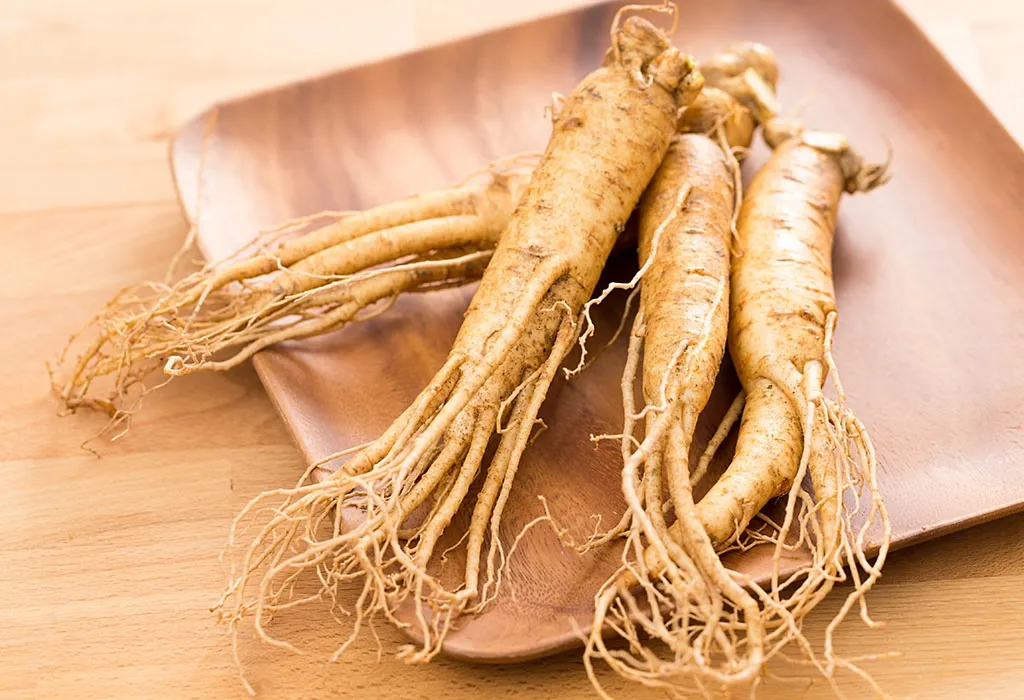
Some of the benefits of Ginseng include (4):
- Boosts the immune system.
- Improves symptoms of menopause.
- Lowers muscle injury after exercise.
- Acts as a treatment for erectile dysfunction.
- Enhances memory, prevents dementia, and improves mental performance.
- Improves digestion.
Is Ginseng Safe for Pregnancy?
When it comes to ginseng for pregnancy, it is generally regarded as a safe herb for non-pregnant individuals when consumed in moderation. However, there is limited scientific research regarding the effectiveness and safety of ginseng use during pregnancy and breastfeeding. One study indicated that ginsenoside Rb1, a key component of ginseng, may have teratogenic effects, potentially disrupting fetal development, and it also resulted in abnormal outcomes in rat embryos (5).
Therefore, women should exercise caution when considering ginseng during pregnancy, particularly during the first trimester. Consequently, ginseng is not deemed safe for use while pregnant (6).
Reasons Why You Should Avoid Ginseng in Pregnancy
Ginseng is generally not recommended during pregnancy. Here are the reasons why you should avoid ginseng while pregnant:
1. Risk of Birth Defects
An active chemical in Ginseng called ginsenoside Rb1 has been associated with developmental defects in the embryos of animals (7). The National Institutes of Health, because of this, strongly recommends against the usage of the herb during pregnancy and has labelled it as potentially unsafe.
2. Risk of Bleeding
The Korean Ginseng has anticoagulant properties that pose sufficient risks during pregnancy. It stops blood from clotting normally and could lead to serious problems during childbirth or afterwards.
3. Can Cause Diarrhea
A common side effect observed in women who have ginseng tea during pregnancy is diarrhoea. It is typically known to cause watery stools during the day after consumption. Diarrhoea leads to dehydration, which can adversely affect the foetus (8). If you experience diarrhoea after consuming ginseng tea, visit the doctor immediately and drink plenty of water to keep your body hydrated.
4. Disturbs Sleep
Ginseng for pregnant women is observed to cause disturbances during sleep. Apart from having difficulty going to sleep, waking up several times in the night is a common side effect of consuming ginseng supplements or tea. Poor sleep leads to fatigue and deterioration of health while worsening mood swings and stamina.
5. Dry Mouth
Pregnant women who consume ginseng tea often complain of dry mouth as well. This happens because of the poor functioning of salivary glands due to the enzymes present in ginseng. Pregnant women also experience dry mouth due to several factors such as anxiety, stress, and other medications. Consumption of ginseng adds to this and worsens the problem.
6. Lowers Blood Sugar
Pregnant women are at a high risk of developing diabetes and they are often unaware of it. Consuming ginseng can lead to imbalances in sugar levels, which can lead to dizziness and lower heartbeat, both of which are dangerous to both the mother and foetus.
7. Can Cause Headaches
Ginseng is also known to cause headaches and muscle pain in the face and neck of pregnant women. This can add to the misery of morning sickness or mood swings they would be experiencing.
8. Can Disrupt Hormones
Ginseng can also disrupt hormones and cause hormonal imbalance during pregnancy.
Alternatives to Ginseng While Pregnant
If you’re seeking energy boosts or natural remedies during pregnancy but want to avoid ginseng due to safety concerns, there are several alternatives you can consider. Here are some options that may help you feel revitalised and support overall wellness:
- Ginger: Known for its anti-nausea properties, ginger can also provide a gentle energy boost and aid digestion, making it a popular choice for pregnant women (9).
- Peppermint: This herb can help alleviate feelings of fatigue and nausea. Drinking peppermint tea or using peppermint essential oil can offer refreshing effects without the risks associated with ginseng.
- Rooibos Tea: Naturally caffeine-free, rooibos tea is rich in antioxidants and can be enjoyed hot or cold. It provides hydration and can help combat fatigue without any adverse effects during pregnancy.
- Lemon Balm: Known for its calming properties, lemon balm can help reduce stress and promote relaxation, which can be beneficial during pregnancy. It can be consumed as a tea or taken in supplement form after consulting a healthcare provider.
Is It Safe to Take Ginseng While Nursing?
If you have chosen to stay away from ginseng during pregnancy, it may be wise to continue avoiding it while breastfeeding as well. Research indicates that ginseng does not provide significant benefits during lactation (8). Additionally, some women have reported experiencing breast pain and gynecomastia while using ginseng while nursing. The evidence surrounding the safety and effectiveness of ginseng during this time is minimal. For these reasons, it is advisable to refrain from using ginseng while breastfeeding.
FAQs
1. Can ginseng interact with other supplements or medications during pregnancy?
Yes, ginseng may interact with certain medications, including blood thinners, antidepressants, and hormonal treatments. It’s important to consult a healthcare provider before combining ginseng with other supplements or medications during pregnancy.
2. Are there specific types of ginseng that are safer for pregnant women?
While some types of ginseng, like American ginseng, are often considered milder, there is still insufficient evidence on the safety of any ginseng varieties during pregnancy. It’s best to avoid ginseng altogether unless advised by a healthcare professional.
3. What should I do if I accidentally consumed ginseng during pregnancy?
Do not panic if you accidentally consumed a small amount of ginseng once. Stop using it and inform your doctor, especially if you took it regularly or in supplement form. They can advise whether any follow-up is necessary.
This was all about ginseng and pregnancy. Ginseng is not recommended during pregnancy and is best avoided due to the possible side effects it can result during pregnancy.
Also Read:
Fennel Seeds during Pregnancy
Consuming Herbal Teas during Pregnancy
Spices You Can Consume and Avoid in Pregnancy
Shatavari (Asparagus Racemosus) when Pregnant
Is It Safe To Consume Maca while Pregnant?
Was This Article Helpful?
Parenting is a huge responsibility, for you as a caregiver, but also for us as a parenting content platform. We understand that and take our responsibility of creating credible content seriously. FirstCry Parenting articles are written and published only after extensive research using factually sound references to deliver quality content that is accurate, validated by experts, and completely reliable. To understand how we go about creating content that is credible, read our editorial policy here.
- Author
- Expert Reviewer


Related Articles
-
Eating Plantains During Pregnancy - Is it Safe?
-

Healthy Smoothie for Pregnancy: 14 Nutritious Recipe Ideas
-

Caesar Salad During Pregnancy - Is it Safe?
-

Drinking Chamomile Tea While Pregnant - Is It Safe?
-
Consuming Apple While Pregnant: Health Benefits & Side Effects
-

Almond Milk During Pregnancy - Benefits, Side Effects, and Precautions