Is Diarrhea a Sign of Pregnancy?
Can diarrhea mean you are pregnant? This guide covers its causes, symptoms to watch for, and ways to get relief.





Diarrhea can be an early sign of pregnancy, but it is not a common or reliable symptom on its own. Hormonal changes during early pregnancy can affect the digestive system, and while some women may experience diarrhea, others are more likely to notice constipation, bloating, or nausea. Because diarrhea can also result from viral infections, food intolerance, stress, or dietary changes, it should not be considered a standalone indicator of pregnancy. If it occurs alongside symptoms such as a missed period, breast tenderness, fatigue, or frequent urination, taking a home pregnancy test can help provide clarity. This article explains the possible link between diarrhea and pregnancy, other early symptoms to watch for, and when to seek medical advice.
Can Diarrhea Be a Sign of Pregnancy?
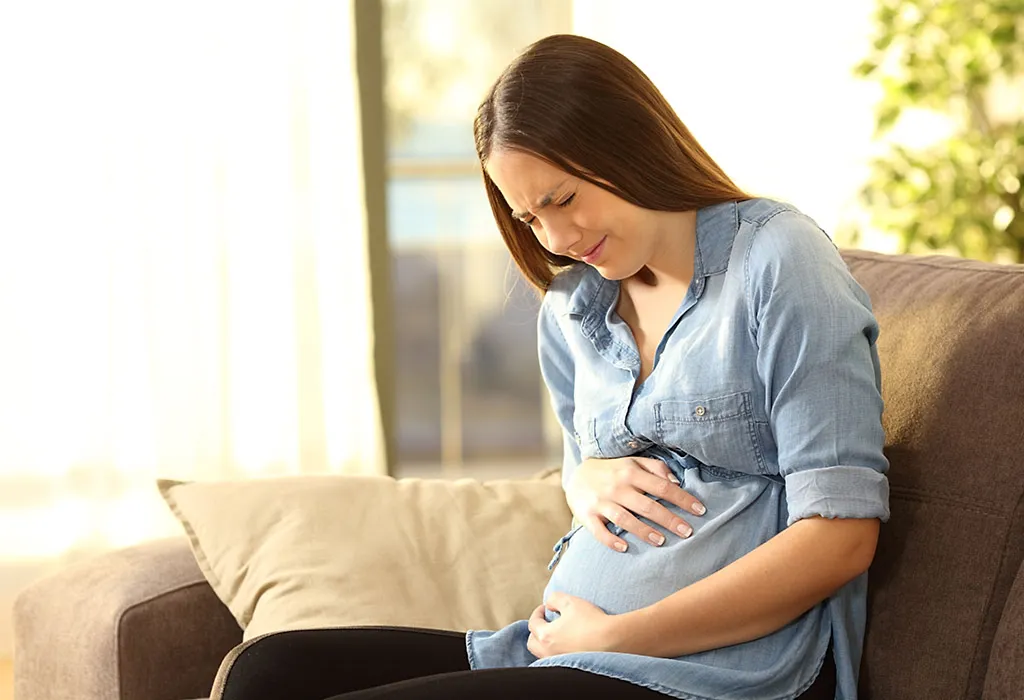
Many women wonder, “Is diarrhea a sign of early pregnancy?” While diarrhoea is not a good indicator of pregnancy, some women do experience gastrointestinal changes due to hormonal shifts, which can lead to symptoms like diarrhea. You can be sure of being pregnant only by taking a valid pregnancy test.
This is because diarrhea may be caused by various reasons, many of which have nothing to do with being pregnant. You may have changed your diet, which upset your digestive system, or you may have caught an infection in your intestine. Indigestion, digestive disorders, and urogenital disorders may also be a reason for severe loose stools.
Should You Worry?
The onset of diarrhea after a missed period does not need to be a reason for worry. As mentioned, pregnant women may experience diarrhoea, but it is not a sure indicator of pregnancy. If you notice that your diarrhea symptoms are not long-term, you have nothing to worry about. However, if you face any other symptoms like blood in the stool, high temperature, and nausea, along with diarrhea, it is best to consult a doctor to rule out any serious concerns (1).
Effective Measures to Stop Diarrhea
If you have diarrhea, there is no major concern unless it is accompanied by the symptoms mentioned above. However, this does not stop one from feeling intensely uncomfortable and annoying. While it will reduce on its own, it is better to do something from your end to expedite the process. Here are some things that you can do to get your diarrhoea under control.
- Avoid eating liquid food. Don’t pick up a bowl of soup for a meal if you experience loose stools. It can worsen the bowel movements.
- Water, however, is good. It will keep you from getting dehydrated.
- Don’t eat spicy or excessively salty food.
- Eat foods rich in probiotics, such as yoghurt and cottage cheese. This will help promote good bacteria in your intestine and normalise your gastrointestinal system (2).
- Eat low-fibre foods like rice, banana, oatmeal, etc., which will help firm the stool (3).
- Over-the-counter medicines like Pepto Bismal and Imodium. It is best to seek a doctor’s consent before you consume these.
- Alternately, you can try home remedies like chamomile tea, orange peel tea, fenugreek seeds (powder the seeds, mix them in water, and drink them), etc., to treat diarrhea (4).
Diarrhea vs. Other Early Pregnancy Symptoms
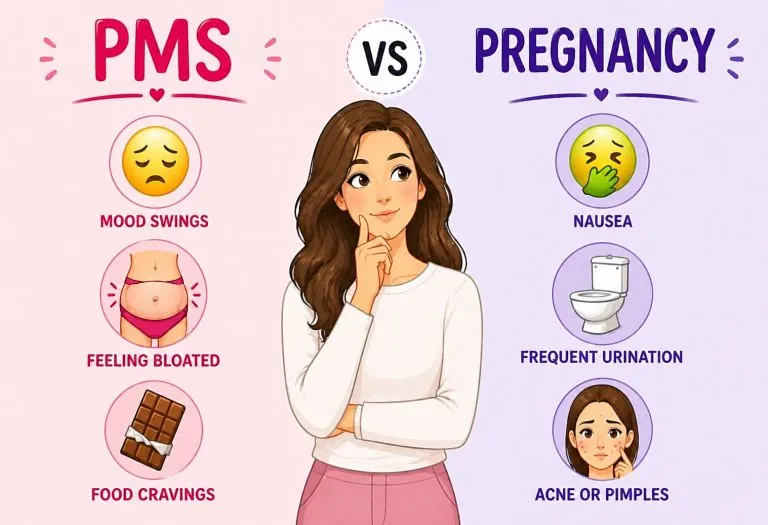
Although diarrhea can occur in early pregnancy, it is much less common than other early pregnancy symptoms and should not be relied upon as a sign of pregnancy. Most women experience symptoms caused by rising levels of hormones such as human chorionic gonadotropin (hCG) and progesterone, which affect different parts of the body.
Here’s how diarrhea compares with other common early pregnancy symptoms (5):
| Symptom | How Common Is It? | What It May Feel Like |
|---|---|---|
| Missed period | Very common | Often the first noticeable sign of pregnancy, especially in women with regular menstrual cycles. |
| Nausea or morning sickness | Very common | Feeling nauseous with or without vomiting, usually beginning around the 6th week of pregnancy. |
| Breast tenderness | Common | Sore, swollen, or sensitive breasts caused by hormonal changes. |
| Fatigue | Common | Unusual tiredness or low energy, even after adequate rest. |
| Frequent urination | Common | Needing to urinate more often due to hormonal changes and increased blood flow to the kidneys. |
| Bloating | Common | A feeling of fullness or abdominal tightness caused by slower digestion. |
| Constipation | More common than diarrhea | Progesterone slows the movement of food through the intestines, making constipation a frequent digestive complaint. |
| Diarrhea | Less common | Loose or watery stools that may occur due to hormonal changes but are more often linked to diet, stress, or an infection. |
When to Consult a Doctor?
Occasional diarrhea during early pregnancy is usually not a cause for concern and often resolves on its own. However, persistent or severe diarrhea can lead to dehydration and electrolyte imbalance, which may require medical attention. You should consult a doctor if you experience:
- Diarrhea lasting longer than 48 hours.
- Severe abdominal pain or persistent cramping.
- High fever (38°C/100.4°F or higher).
- Blood or mucus in the stool.
- Signs of dehydration, such as excessive thirst, dry mouth, dark-coloured urine, dizziness, or reduced urination.
- Frequent vomiting that prevents you from keeping fluids down.
- Diarrhea accompanied by a missed period or a positive pregnancy test, especially if you have severe pain or vaginal bleeding.
FAQs
1. How do hormonal changes during pregnancy affect the digestive system?
Hormonal changes, particularly an increase in progesterone, can slow down the digestive system, leading to constipation in some women and diarrhoea in others. These hormonal shifts can also make the digestive system more sensitive, increasing susceptibility to gastrointestinal disturbances (6).
2. Is diarrhoea during pregnancy harmful to the baby?
Mild diarrhea is usually not harmful to the baby, but it can lead to dehydration, which can be a concern for both mother and child. It’s essential to stay hydrated and consult a healthcare provider if diarrhea is severe or persistent (7).
3. Is diarrhea normal in early pregnancy?
Mild diarrhea that resolves within a day or two is usually not a cause for concern, but persistent or severe diarrhea should be evaluated by a doctor.
4. Is it safe to take anti-diarrheal medicine during pregnancy?
Do not take over-the-counter anti-diarrheal medications without consulting your doctor. Some medicines may not be recommended during pregnancy, especially during the first trimester.
Diarrhoea, although not a definitive sign of pregnancy, can be a hassle to deal with. If you experience it, do not assume that diarrhea is a symptom of early pregnancy. Instead, take a pregnancy test and confirm. You can then take measures to get much-needed relief from diarrhoea.
Also Read:
Unique Signs & Symptoms of Pregnancy
Pregnancy Symptoms after Missed Period
Early Pregnancy Symptoms before Missed Period
How to Know You Are Pregnant Without a Test?
Was This Article Helpful?
Parenting is a huge responsibility, for you as a caregiver, but also for us as a parenting content platform. We understand that and take our responsibility of creating credible content seriously. FirstCry Parenting articles are written and published only after extensive research using factually sound references to deliver quality content that is accurate, validated by experts, and completely reliable. To understand how we go about creating content that is credible, read our editorial policy here.
- Author


Related Articles
-

Menopause vs Pregnancy – Symptoms and Diagnosis Explained
-
Can You Get Pregnant While Breastfeeding? All You Need to Know
-
21 Early Signs of Pregnancy Before Missed Period to Watch For
-
12 Uncommon Signs & Symptoms of Pregnancy
-
PMS vs Pregnancy Symptoms: What’s the Difference?
-
Triphasic BBT Chart - Is It a Reliable Sign of Pregnancy?