Weight Loss for Kids – Safe & Health Tips
A safe guide to kids’ weight loss with easy exercises, healthy eating tips, and lifestyle changes for growing children.





Medically Reviewed By
Vandana Sharma
(Paediatric Nutritionist)

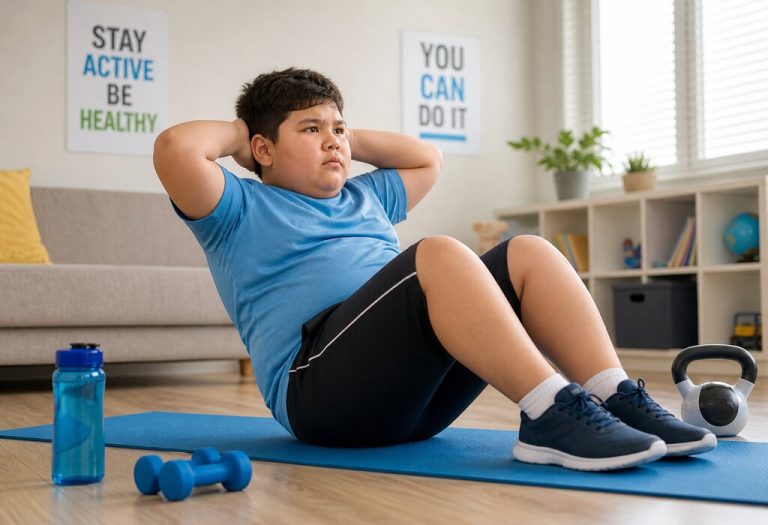
Image Credit : AI Generated Image
This content has been reviewed by a qualified expert and follows the FirstCry Parenting editorial policy to ensure accuracy and reliability.
Weight problem in kids is a growing cause of concern worldwide. It has led to a rise in childhood diabetes, cholesterol, osteoporosis, fatty liver, asthma, heart ailments, etc. These diseases that are usually seen during adulthood are now appearing during childhood. Obese kids are also more prone to bullying, body-image anxiety, insecurities and depression. Thus, helping kids lose weight early on is highly essential.
Weight loss in kids should be done with care and caution. Parents must create a safe and sensitive weight loss plan in consultation with their paediatrician and dietitian or nutritionist. This is because a random weight loss plan can hamper the kid’s nutrition, growth and stress levels. Moreover, what works for adults does not work for kids because their bodies are still developing.
How to Identify Weight Problems in Kids?
Understanding whether your child has weight problems is the first step to a proper plan. This is important because kids grow at different paces. It is best to consult your paediatrician to check the child’s Body Mass Index (BMI), which measures their weight against height, gender and age. Here is a quick guide about what percentile of BMI can indicate that your child has weight problems (1):
- BMI between 5th and 84th percentile: Healthy
- BMI between 85th and 94th percentile: Overweight
- BMI at the 95th percentile or more: Obese
How to Help a Child Lose Weight?
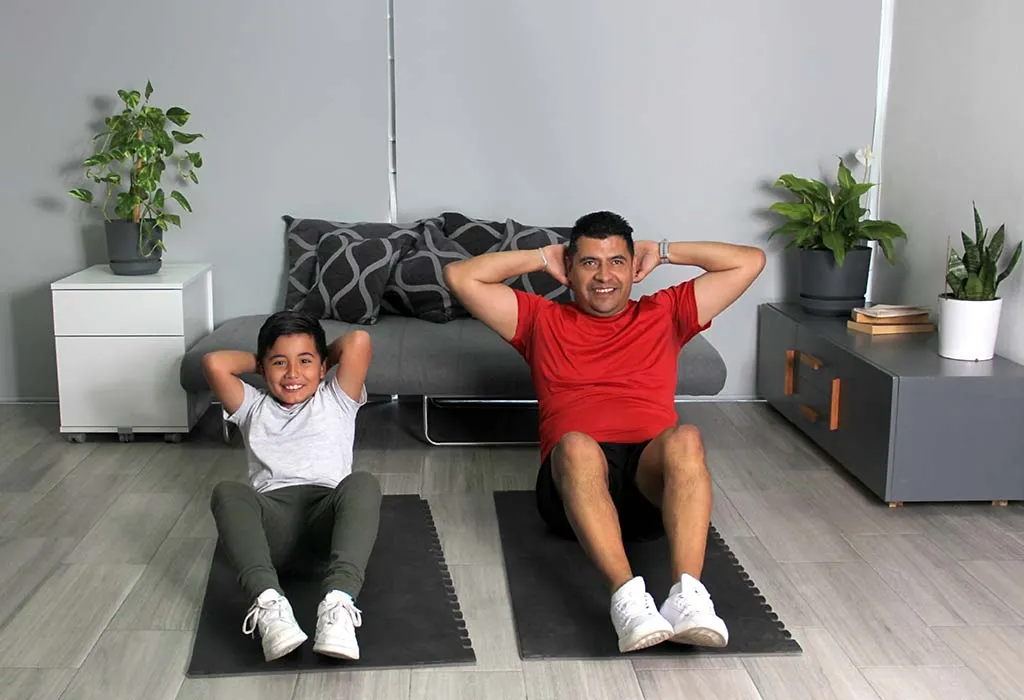
Your paediatrician can give your kids advice on how to lose weight as a child. Together, you can draw up a personalised plan that is suitable for your child. If you are wondering how to help your child lose weight, here are some simple and easy ways on how to help your child lose weight.
1. Calorie Count
You should not eliminate calories from the kid’s diet at random because they give energy and have other essential health benefits. You need to know exactly how many calories your kid needs for proper growth. Anything more than that will hinder weight loss. The amount of calories that a child needs varies according to their age, gender, BMI, activity, etc. Don’t stress the child by daily weight checks at home because daily weight checks that deviate are natural.
2. Low-Glycemic Diet
Glycemic Index (GI)- The ability of carbohydrates to raise blood glucose is referred to as GI. Studies suggest that low-glycemic food keeps one full for longer because it takes time to digest or is digested at a low pace, and blood sugar also stays stable. They also have more fibre and are less processed or refined.
You don’t need to totally eliminate carbs from your kid’s diet. All you need to do is select low or medium-glycemic carbs like broccoli, carrots, apples, berries, beans, nuts, peanut butter, yoghurt with honey and fruits, milk, cheese, pineapple, sweet potatoes, banana, dried fruit, pasta, high-fibre cereal, brown rice, and ice cream (2). Avoid high-glycemic carbs like corn, potatoes, white rice, French fries, chips, juice, jam, sweet and frozen yoghurt, bread, pancakes, waffles, pizza, popcorn, instant oats, and refined forms such as maida.
3. More Fruits, Veggies

Generally, you can add more vegetables and fruits in many colours to your kid’s diet. Serve whole fruits rather than fruit juices. This is because juices have less fibre compared to whole fruit, as it loses its fibre content, and addition of sugar, if done, adds to more calories, while whole fruits are more filling and fibre-rich, which is good for digestion. However, not all fruits and veggies are good for weight loss. Some may be high glycemic, which we have discussed in the point above.
4. More Water
Don’t allow the child to drink juice, energy drinks, soft drinks, soda, etc., when they are thirsty because they add to their weight gain. The best thirst-quencher is water.
5. Good Sleep

Ideally, kids need 9 to 11 hours of sleep, and teenagers need at least 8 to 10 hours of sleep. Early and good sleep is essential for proper growth and metabolism that helps maintain their body weight. Lack of sleep can induce children to eat more at inappropriate times and gain weight (3).
6. Minimise Sugar, Salt
Minimise high-sugar content food like candies, sweetened breakfast cereals, flavoured drinks and yoghurt, sweetened beverages, fruit juice, soda drinks, etc. Settle for low-sugar substitutes like homemade fruit puree, fruit ice pops, cookies, pizzas, sandwiches made of whole wheat, fruit salads, etc. Even salt needs to be minimised. The sodium content of salt makes the body retain water and swell up. Avoid table salt and canned and frozen food that are high in sodium (3).
7. More Protein
Experts recommend that protein stimulates a growth hormone that helps the body break down excess fat into energy. It is also more filling. Therefore, serve eggs, plant protein – such as pulses (all types of dals like red gram, black gram, etc.) and legumes (channa, rajma, horse gram, etc.), fish, and lean meat like chicken. Go for low-fat yoghurt, butter, cheese, non-processed cheese, margarine, etc. for milk protein.
8. Meal Plans
Avoid long gaps between meals because an empty stomach for long hours leads to gorging during meals. Studies recommend that three small meals and two small snacks daily are ideal.
9. Daily Exercises/Sports

Exercise or some sports activity for at least 60 minutes daily is recommended (4). Start with 15-20 minutes daily and increase the duration gradually. Make it entertaining by including your child’s peers or organising dance and music sessions, running with a pet dog, a family swimming session, etc. This will encourage the child to participate enthusiastically. Some of the good exercises for kids to lose weight are:
- Gymming
- Swimming
- Cycling
- Dancing
- Running
- Roller-skating
- Aerobics
- Any kind of sports after school
10. Understand Fat Facts
Not all fats are harmful. Healthy fats are required by the body to create cell membranes. Eliminating fat at random can impact your kid’s immune system, nervous system, and overall health. They need to consume fats like unsaturated oils (olive, canola, soybean, etc.), salmon, anchovies, almonds, sesame seeds, pumpkin, and flax, etc. Fats also slow down digestion and keep the stomach full for longer hours.
11. Make it a Family Affair

When it comes to getting active, there’s nothing like a little friendly competition to get everyone moving. Whether it’s a game of tag in the backyard, a family hike, or a bike ride through the neighbourhood, make exercise a part of your family’s routine. Plus, it’s a great way to bond and create memories together.
12. Get Creative in the Kitchen

Cooking meals at home can be a fun way to bond with your child while also teaching them about healthy eating. Try out new recipes together, experiment with different ingredients, and get creative with your cooking. Who knows, you might just discover a new family favourite!
13. Lead by Example
As a parent, you’re your child’s biggest role model. If you want your child to develop healthy habits, it’s important to lead by example. Make healthy eating and exercise a priority in your own life, and involve your child in your healthy habits. When your child sees you making healthy choices, they’re more likely to follow suit.
14. Don’t Skip Your Child’s Breakfast
Breakfast gives your child the energy they need for the day. Skipping it can slow down metabolism and tempt them to snack heavily later in the day, which could lead to obesity (5).
15. Keep Healthy Snacks Handy
Make healthy foods easy to reach and limit access to junk food. This helps children naturally choose better options when they feel hungry, and it can gradually build their taste and habit for healthy food items.
What Are Some Common Weight Loss Mistakes?
Childrens’ weight loss can be a concerning topic, but it is also a delicate situation as children are still learning about their bodies. Wrongful body characterisation can negatively impact children. So while kids’ weight loss is concerning, your child’s emotions are equally important. Here are some common mistakes to avoid while going about this.
1. One size doesn’t fit all
Not every weight loss plan works for everyone, especially children. It’s important to consult a professional for tailored advice.
2. Blaming and shaming
Calling your kid “chubby” or “lazy” or placing blame on anyone can be hurtful and demotivating (6). Encouragement and positive reinforcement work better in the long~~ run. Instead of blaming or shaming a child for their weight, it’s important to provide support, encouragement, and guidance. Focus on positive reinforcement and celebrate their progress, no matter how small it may be. Above all, avoid any negative or critical language and make sure your child feels loved and supported. By using positive, nurturing strategies, you can help your child achieve a healthy weight and a positive body image.
3. Overeating healthy foods
Munching on unhealthy snacks is a common trap for kids (and adults!) looking to shed pounds. Opt for healthier alternatives like fruits and veggies. While it’s important to eat healthy foods like fruits and vegetables, too much of a good thing can still lead to weight gain. Help your child understand portion sizes and encourage them to listen to their body when they feel full.
4. Setting unrealistic goals
Losing weight takes time, and it’s important for your child to set realistic goals that they can achieve. Help your child set small goals that are achievable, and celebrate their progress along the way. Remember, slow and steady wins the race.
Weight loss is a gradual process, and crash diets or extreme workout routines can do more harm than good. Patience and consistency are key.
5. Doing it all alone
Trying to lose weight all alone can be challenging and overwhelming for anyone, especially children. Weight loss is easier when you have support and accountability. Involve your family and friends in healthy lifestyle choices and celebrate small victories together. When a child has a support system, they are more likely to stick to their healthy habits and make progress towards their weight loss goals.
6. Looking for Immediate Weight Loss Options
Quick weight isn’t impossible, but it isn’t healthy either. Weight loss management through extreme hacks and tips that offer quick results can damage the body on long run. Let the body recover time to time and gradually lose weight with safe way for the child.
7. Irregular Eating Habits
Skipping meals or eating too little might seem like a shortcut, but it can harm your child’s health. It slows down metabolism and can lead to nutritional deficiencies. Once your child resumes normal eating, the weight may come back.
8. Lack of Physical Activity
Restricting food choices won’t help your child lose weight alone. Your champ needs to engage in physical activity as well. Active playtime and exercising can help children lose weight easily.
6. Losing Motivation
Children can easily lose interest if they don’t see quick results. Plus, limiting foods of their choice can be a bigger issue when helping them lose weight. Parents must keep a positive attitude when children are not so motivated about losing weight. Celebrate small wins and keep them motivated throughout the journey.
Dos and Don’ts
There are a few things that you should keep in mind during your kid’s weight loss program:
Dos
- Inculcate habits like daily exercises, not binging on unhealthy foods and not eating meals while watching TV to avoid overeating, etc.
- Be supportive. Studies suggest that less sugar increases stress hormones and makes the kid cranky. Reward the child for weight loss achievements with a movie show, a toy, etc. However, do not reward them with their favourite food.
- Add errands to their daily schedule, encourage them to take the stairs rather than the lift, walk to a nearby kids’ activity zone rather than take the car, etc. Make activities fun-filled with boot camps, nature walks, etc.
- Reduce the food portions; do not eliminate meals. A researcher at Pennington Biomedical Research Center in Baton Rouge suggests that it’s not what you eat, but the quantity is what matters when trying to lose weight.
- Substitute unhealthy foods with healthy home-made snacks like sprouts, salads, baked (not fried) papad, ragi dosa, grilled chicken strips, makhanas, etc. Sliced and diced carrots, cucumber, grapes, strawberries, watermelon, etc., can be healthier finger food.
Don’ts
- Don’t make unrealistic plans. So, if your child likes eating something that is against the weight loss plan, don’t eliminate it totally. That may stress the child and add to his weight. Do it gradually. Also set an attainable weight loss goal. A good, recommended rate is one pound (Approx 0.453592 kg) of weight loss per week.
- Do not allow kids to watch TV, play video games and couch around for hours. Ideally, restrict it to one to two hours a day.
- Don’t make a kids-only diet; work as a team. Include family and friends. You can stick to foods that are beneficial to you. Set an example for the child to keep him motivated. You could also throw a birthday party with healthy snacks and set the trend.
- Don’t give up! Tell the child things won’t change overnight.
- Don’t rush! Do not go for a fast-track weight loss program. It can do more harm than good.
What Are the Dangers of Fast Weight Loss for Kids?
To begin with, approach the subject of weight loss for children with care and sensitivity. It should be an open dialogue that addresses weight-related concerns and insecurities of the child. It is seen that many kids, especially girls, try to experiment with weight loss on their own. This could be unscientific and harmful. Watch out for that and educate them.
Please note that your kid may have some underlying health condition causing weight gain, like Cushing’s syndrome, hypothyroidism, medication side effects, etc (7). Please consult your paediatrician before you begin your weight loss journey.
FAQs
1. Is my child overweight?
If you want to know whether your child is overweight, you can check their BMI according to their age. If you don’t know how to check, you can consult a doctor as well.
2. Why do children have trouble with the excess weight problem?
Some of the most common reasons children suffer from excess weight issues are lack of physical activity, uncontrolled eating of processed and junk foods, genetics, hormonal abnormalities, such as growth hormone deficiency, hypothyroidism, and Cushing’s syndrome.
3. What complications does being overweight in children bring?
While your child’s chubbiness may look adorable, it, in the long term, can severely impact your child’s health. High cholesterol, diabetes, acne, high blood pressure, asthma, bone health issues, or skin issues may arise due to being overweight.
If your child is rapidly losing weight or has unintentional weight loss, it’s important to talk to a doctor. Additionally, consider seeking advice from a health professional if your child is avoiding meals, expressing discomfort while eating, or showing signs of irritability at regular mealtimes (8).
Also Read:
Underweight Child
Malnutrition in Children
Growth Spurts in Children
Was This Article Helpful?
Parenting is a huge responsibility, for you as a caregiver, but also for us as a parenting content platform. We understand that and take our responsibility of creating credible content seriously. FirstCry Parenting articles are written and published only after extensive research using factually sound references to deliver quality content that is accurate, validated by experts, and completely reliable. To understand how we go about creating content that is credible, read our editorial policy here.
1. American Academy of Pediatrics – Body-Mass Index (BMI) in Children
2. KidsHealth – Healthy Eating For Children With Diabetes
3. CDC – Tips to Support Healthy Routines for Children and Teens
4. CDC – Child Activity: An Overview
5. Eatright.org – Metabolism Myths and Facts
6. Cleveland Clinic – Childhood Obesity
7. Children’s Health – Pediatric and adolescent abnormal weight gain
8. Rady Children’s Health – Weight Loss in Children Can Be a Danger Signal
- Author
- Expert Reviewer

Related Articles
-

7 Shocking Ways You Are Harming Your Child’s Health
-
Monsoons and the Risk of COVID-19 – Preventive Measures for Kids and Adults
-
Leukaemia in Children
-
Short Term Memory Loss in Children - Causes and Tips to Cope With It
-
Dizziness in Kids - Causes, Signs and Treatment
-
Diarrhoea in Children: Causes, Signs, Diagnosis & Treatment






.svg)