
Depression in Pregnancy – Causes, Symptoms and Treatment
Understand the causes of depression in pregnancy and simple ways to manage it and improve your wellbeing





Medically Reviewed By
Dr. Rashmi Prakash
(Psychologist)

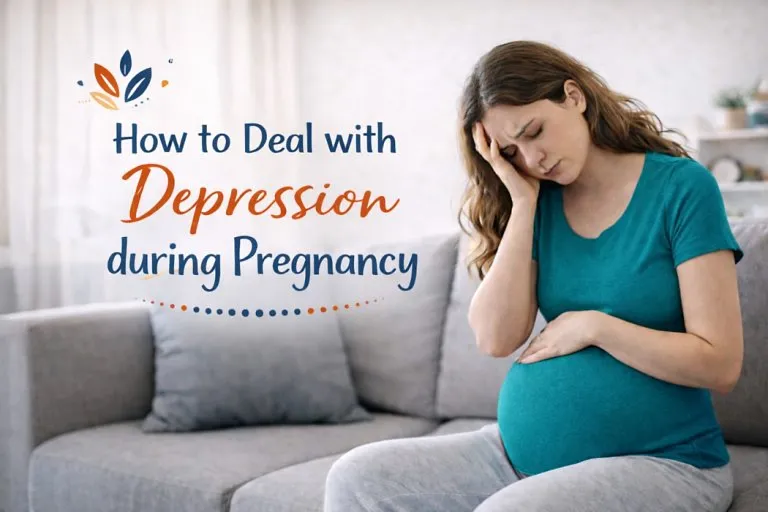
Image Credit : AI Generated Image
This health content has been medically reviewed by qualified experts and follows the FirstCry Parenting editorial policy to ensure accuracy and reliability.
Pregnancy is a time of excitement, nervousness, baby showers, baby shopping, and some unpleasant symptoms, such as morning sickness, nausea, and fatigue. But some moms-to-be even experience depression, which affects their mental and physical well-being and puts the baby’s life at risk. Depression or the feelings of hopelessness or anxiety can last for days, months, and, at times, even years.
While depression can affect anyone during the course of life, a pregnant woman can become especially vulnerable to depression due to the hormonal shifts in her body.
What Is Depression in Pregnancy?
Depression can be a difficult period for those who experience it, and it can be especially challenging for a pregnant woman. Clinically known as prenatal depression or antenatal depression, it is a mood disorder that occurs during pregnancy and often extends further after childbirth, which is termed as postpartum depression. It can affect the thoughts and actions of a pregnant woman and can lead to changes in a woman’s sleeping patterns and eating habits. Depressed pregnant women may experience extreme sadness, low mood, fatigue, and anxiety that make carrying out daily tasks and caring for themselves difficult.
Depression during pregnancy can be dangerous for the health of the woman, as it could have a telling impact on her mental and physical health. The symptoms can go from mild to extreme (1).
Women who are affected by depression during pregnancy should not overlook it, as it could worsen their health. Since emotional health is as critical as physical well-being, reaching out to a doctor at the earliest is suggested.
How Common Is Depression During Pregnancy?
According to the American College of Obstetricians & Gynecologists (ACOG), depression affects about 1 in 10 women during pregnancy (2). In high-income countries, such as the United States, about 7 to 9% pregnant women experience depression during pregnancy. These rates may go higher in low to middle-income countries (3).
Causes and Risk Factors for Depression While Pregnant
Many pregnant women go through a wave of strong emotions, which includes feeling sad or hopeless and experiencing a general loss of interest. This can last for a prolonged period and could cause an upheaval in daily life. Hence, it is important to know what causes this and understand its risk factors.
Causes
Some of the main causes of depression during pregnancy are:
- History of depression during childhood or early adulthood (Note that many women can face depression for the first time during their pregnancy, too.).
- Hormonal changes and psychological changes associated with pregnancy. The imbalance of chemical levels in the brain could result in depression (4).
- Physical changes that occur during pregnancy, like weight gain and changes in sleep and eating patterns.
Risk Factors (5)
- History of depression in the past
- History of abuse or trauma
- Absence of a partner or lack of emotional support during pregnancy
- Unplanned pregnancy
- Marital/relationship problems or other kinds of stress during pregnancy
- Financial issues connected to the birth of the baby
- Abortion in the past or loss of a previous child

What Are the Signs and Symptoms of Depression in Pregnancy?
Having trouble sleeping or general fatigue are considered normal symptoms during pregnancy. However, if you lose interest in things that gave you pleasure once or feel sad and hopeless about the situation, it is likely to be a sign that you have depression. It is best to discuss with your doctor if you experience the following symptoms for some time (6):
- A feeling of irritation or agitation
- Difficulty in concentration
- Loss of interest in daily activities
- Feelings of sadness and crying all the time
- No or low energy to carry out day-to-day tasks
- A feeling of being worthless, guilty or lacking initiative
- Excessive need to sleep or eat, or not being able to sleep
- Overwhelming feeling of anxiety
- Having suicidal thoughts
What Complications Do Pregnant Women With Depression Face?
Pregnant women who face depression have a high chance of developing multiple complications. Some of the complications that one may experience during pregnancy are:
- Preeclampsia (high blood pressure during pregnancy)
- Vomiting
- Nausea
- Postpartum depression – Women who suffer from depression during pregnancy are susceptible to postpartum depression if it is not treated during pregnancy (7)
- Complications with delivery, such as premature birth or delivery of a low birth-weight baby
Speak to your doctor at the earliest if you notice signs of depression during pregnancy. If not paid attention in time, it could lead to growing risks to the mother and the baby.
Can Prenatal Depression Harm Your Baby?
Yes, depression can negatively affect your pregnancy and your baby’s health. It increases your baby’s risk in various ways.
- Mothers who suffer from prenatal depression are more likely to give birth to premature babies, and the baby could be a low birth-weight baby (8).
- Babies born to mothers who are depressed could be small for gestational age (also called SGA), which basically means that a baby doesn’t weigh as much as they should have before birth.
- Depression in mothers could also lead to the baby becoming more irritable and crankier than babies of mothers who do not suffer from depression during their respective pregnancies.
- Babies may have learning and behaviour problems later in life.
Treatments for Pregnancy Depression
Although depression may sound quite ominous, it can be treated if its symptoms are detected in time, and proper treatment is carried out. Here are a few areas of treatment for pregnancy-related depression:
Psychological Treatments
Commonly known as psychotherapy, there are two common lines of psychological treatments that are effective for pregnant women: Cognitive Behavioral Therapy (CBT) and Interpersonal Psychotherapy (IPT).
- Cognitive behaviour therapy is helpful in identifying the negative thoughts that affect a person’s mood and behaviour, and in rationalising them. It encourages the person to challenge her beliefs and test the logic behind these thoughts. CBT can be conducted individually or with a group of people (1).
- Interpersonal psychotherapy helps one to resolve any past losses and gives inner strength to manage internal conflicts that cause depression. It focuses on problems in personal life, like relationships with a partner and family, losing a loved one, or a situation at work. Common IPT exercises may include role playing with a therapist, introspecting personal decisions and communication, and answering open-ended questions (8).

Medication (antidepressants)
You could be prescribed antidepressants if your depression is severe and you are unable to cope with it. Some modern antidepressants are effective in managing the symptoms of pregnancy-related depression and are safe to be used during pregnancy. They do not pose the risk of addiction or danger to the health of the baby. As per Johns Hopkins Medicine, there is generally no need to gradually reduce medication dosages during pregnancy, as antidepressants are not associated with causing birth defects (9).
However, as discussed earlier, some medications may not be suitable for pregnant women. Hence, never self-medicate and always consult your doctor first.
Other Treatments
Apart from psychological treatments and medication, depression can also be treated by using Electroconvulsive Therapy or ECT, in which a low electric current is passed through the brain to stimulate it. Regular exercise, yoga, and following a specially formulated diet are other ways of treating antepartum depression.
Are There Any Safe Medications to Treat Pregnancy Depression?
Any kind of medication taken during pregnancy carries some amount of risk, and antidepressants are no different. Of course, your doctor will prescribe them, considering how severe they are and any other medication you are presently on. The dose will be lowered, increased, or stopped completely depending on how your depression is being managed. However, medication is necessary if depression is a severe threat and could affect the baby in any way.
Natural Ways to Treat Prenatal Depression
Prenatal depression can be treated with many natural options, and the most popular ways are:
- Light Therapy: This involves exposure to artificial sunlight at specific times of the day. Light therapy has shown positive effects on pregnant women and can eliminate the symptoms of depression.
- Acupuncture: This involves placing small needles into different areas of the body. It has been known to improve the overall mood in the depressed person.
- Exercise: Regular exercise can not only improve physical health but also keep depression at bay.
- Diet: Consuming a diet rich in omega-3 essential fatty acids can help boost your mood. This is found in foods like fish and walnuts.

When to Contact Your Doctor?
You should immediately get in touch with your doctor if you have begun harbouring harmful thoughts about yourself or if you are struggling with your everyday responsibilities. Feeling depressed during pregnancy is common, but one has to watch out for symptoms that could lead to an uncontrollable situation.
Severe antenatal depression can lead to suicidal tendencies or thoughts about harming the baby. In such cases, it is best to speak to your family or a close friend and get instant medical attention. You should see a psychiatrist immediately upon identifying extreme thoughts of fear, worry, or obsession related to yourself or your baby. This does not show weakness but rather enhances your willingness to go to great lengths to keep your baby safe.
FAQs
1. What should I do if I’m thinking about suicide or death during pregnancy?
Thinking about engaging in suicide or death in any way is a sign of depression, which is harmful to the pregnant mother and her baby’s health. If you feel like being in any extreme crisis or want to harm yourself and are unsure of what to do about it, call the helpline available in your country. Talk to your partner, friends, family member, ob-gyn, or a mental health coach. You can even reach out to online and offline pregnancy support groups.
Antenatal depression, despite being a common mood disorder amongst pregnant women, has to be treated quickly and with utmost care. With many medical and non-medical treatments available in the modern world, it is possible to treat this condition, and one can return to normal life within weeks of getting treated. Pregnancy is a delicate time, and it is important for the mother-to-be and people around her to monitor any physical and emotional changes and act towards normalising the situation at the earliest.
Also Read:
Anxiety in Pregnancy
Migraines in Pregnancy
Lupus in Pregnancy
Sinus Infection while Pregnant
Was This Article Helpful?
Parenting is a huge responsibility, for you as a caregiver, but also for us as a parenting content platform. We understand that and take our responsibility of creating credible content seriously. FirstCry Parenting articles are written and published only after extensive research using factually sound references to deliver quality content that is accurate, validated by experts, and completely reliable. To understand how we go about creating content that is credible, read our editorial policy here.
1. National Institute of Mental Health – Perinatal Depression
2. ACOG – Depression During Pregnancy
3. Mayo Clinic – Depression during pregnancy: You’re not alone
4. Cleveland Clinic – Prenatal Depression
5. NCT – Antenatal or prenatal depression: signs, symptoms and support
6. Tommy’s – Depression in pregnancy
7. National Library of Medicine – Depression in pregnant women and mothers: How children are affected
8. March of Dimes – Depression during pregnancy
9. Johns Hopkins Medicine – Antidepressants and Pregnancy: What to Know
- Author
- Expert Reviewer


Related Articles
-

When Should You Call Your Doctor During Pregnancy?
-
Is it Safe to Get a COVID-19 Vaccine During Pregnancy or Breastfeeding?
-
Low Blood Pressure When Pregnant - Causes, Symptoms, & Treatment
-
23 Foods to Avoid During Pregnancy
-
Motion Sickness During Pregnancy: Causes, Symptoms & Treatment
-
Itching on Stomach During Pregnancy - Causes and Treatments