
Heart Palpitations During Pregnancy – Causes, Symptoms, & When to Worry
Fast Heartbeat in pregnancy are common. Learn their causes, symptoms, diagnosis, and when to seek medical attention for a healthy pregnancy.





Medically Reviewed By
Dr. Rima Sonpal
(Gynecologist/Obstetrician)

This health content has been medically reviewed by qualified experts and follows the FirstCry Parenting editorial policy to ensure accuracy and reliability.
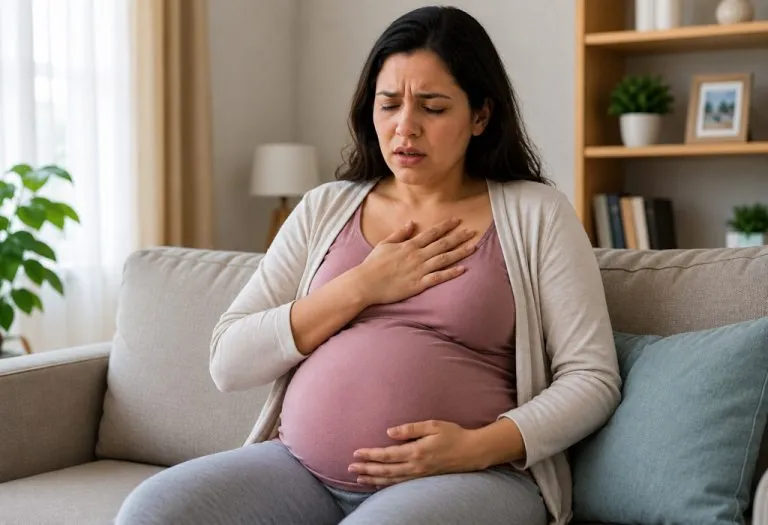
Pregnancy brings about many changes in a woman’s body. During pregnancy, as the blood volume in a woman’s body increases, her heart needs to pump faster in order to circulate the extra blood, which sometimes leads to a faster heart rate. If you are pregnant for the first time and notice an increased heart rate or heart palpitations, you are bound to get worried. But this is a very common occurrence during pregnancy – sometimes, the extra exertion on the heart leads to heart palpitations. Read this article to know everything about heart palpitations during pregnancy and how you can effectively manage them.
What Are Heart Palpitations?
Heart palpitations occur due to cardiovascular changes in the body during pregnancy. During pregnancy, the blood volume increases by almost 50 per cent. It increases by 30 to 40 per cent in the second trimester. An increased blood volume results in heart palpitations – a condition where you can prominently feel your heartbeat which beats at a considerably higher rate. You may experience these sensations in your throat or chest (1). Though most cases of palpitations during early pregnancy are harmless and usually subside on their own, however, sometimes it may be indicative of some underlying medical complication (2).
Causes of Heart Palpitations in Pregnancy
Various factors can lead to heart palpitations and most of them are not serious. Some of the main causes of heart palpitations are explained below.
1. An Increase in Blood Volume
This is the primary cause of heart palpitations during pregnancy. As mentioned above, there is an increase in the amount of blood in the body during pregnancy. More amount of blood means that the heart has to work extra to pump the extra blood. The increased heart rate is indicative of the fact that your heart is working hard and sending blood to various body parts, including the placenta.
2. Hormonal Changes
Pregnancy increases the level of progesterone in the body (3). The increased amount of progesterone is also responsible for an increase in the heart rate.
3. Emotional Changes
You may notice or experience yourself battling with various emotions during pregnancy, which is one of the side effects of fluctuating hormonal levels in the body. The stress and anxiety during pregnancy can give rise to the increased heartbeat (2).

4. Medical Conditions or an Ailment
Sometimes certain health conditions during pregnancy such as thyroid, anaemia, low blood sugar, or other medical conditions may cause heart palpitations (4). Though heart palpitations are harmless during pregnancy, sometimes they may indicate other medical ailments.
5. Intake of Caffeinated Beverages
A high amount of caffeine in the blood during pregnancy may lead to an increased heart rate. Therefore, if you drink more coffee or tea during pregnancy, your heart rate may increase (5). This is why most doctors recommend pregnant women to limit their caffeine intake.
6. Dehydration
Dehydration is another common cause of heart palpitations during pregnancy. Not drinking enough water can affect blood circulation and make the heart work harder, which may lead to a racing or fluttering heartbeat (2).
7. Physical Exertion
Overexerting yourself during pregnancy, whether through exercise, climbing stairs, or carrying heavy objects, can temporarily increase your heart rate. This may make you feel sudden heart palpitations, especially during the later stages of pregnancy.
8. Lack of Sleep and Fatigue
Pregnancy can often disturb sleeping patterns and leave women feeling tired or exhausted. Lack of proper rest can put extra stress on the body and heart, sometimes resulting in palpitations.
9. Certain Medications
Some medications taken during pregnancy, including cold medicines or asthma inhalers, may stimulate the heart and cause palpitations. It is always best to consult a doctor before taking any medication during pregnancy (4) (6).
Symptoms of Heart Palpitations During Pregnancy
Almost all women experience heart palpitations and shortness of breath during pregnancy. The impact of these heart palpitations is, however, different on different women. Pregnant women may experience one or any combination of the following symptoms (1).
- Excessive or increased heart rate
- Breathing difficulty
- Light-headedness
- A feeling of uneasiness
- Sweating
- A feeling that the heart is pounding
These are some of the commonly experienced symptoms of heart palpitations.
Diagnosis of Heart Palpitations While Pregnant
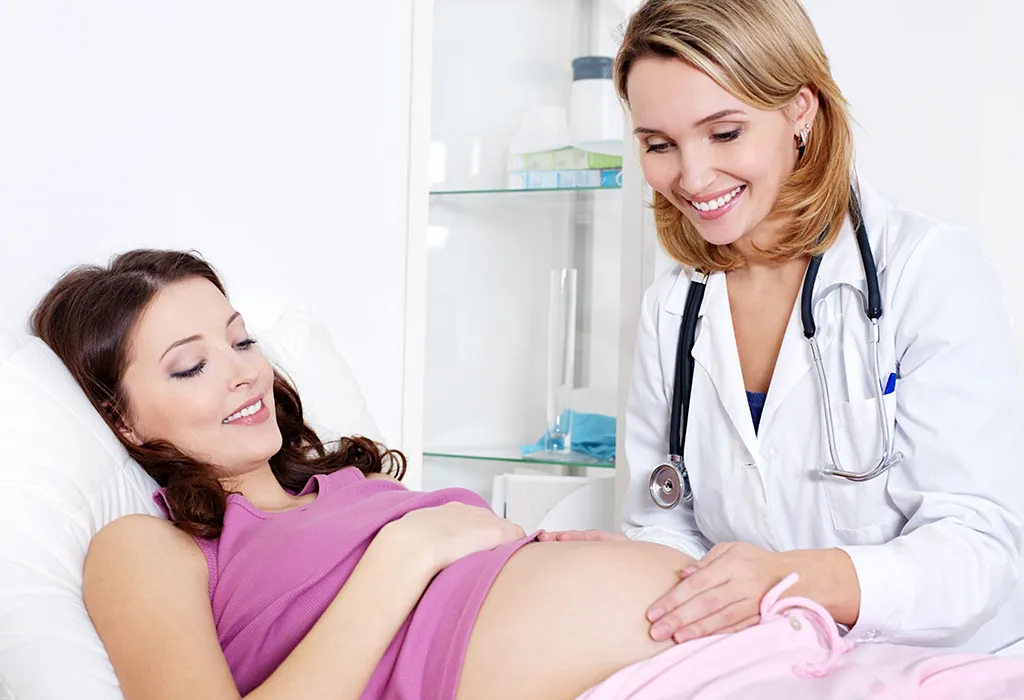
If you experience heart palpitations during pregnancy, you should report your symptoms to your doctor. Your doctor will then ask you about your medical history. Your doctor will also inquire if you experienced palpitations before or if any of your close family members experience heart palpitations. Your doctor may ask you to undergo the following tests (5) (6):
- An electrocardiogram (ECG or EKG) to measure the electrical activity of your heart and check for irregular heartbeats.
- Blood tests to check conditions like thyroid, anaemia, etc.
- Screening or tests if any complications are suspected.
- You may be told to wear a Holter monitor that will observe your heart rate for 24 to 48 hours to find out any abnormality (7). And the electrical activity of your heart may be measured. But this is suggested rarely.
Can You Prevent Heart Palpitations While Pregnant?
Simple lifestyle changes can help reduce heart palpitations and support better heart health during pregnancy. Some helpful tips include (7) (8):
- Drink plenty of water throughout the day to avoid dehydration.
- Limit caffeine intake from coffee, tea, and soft drinks.
- Get enough rest and maintain a healthy sleep routine.
- Avoid overexertion and take breaks during physical activities.
- Eat balanced meals regularly to maintain stable blood sugar levels.
- Practise stress-management techniques such as deep breathing or prenatal yoga.
- Attend regular prenatal checkups to monitor your overall health and pregnancy progress.
How to Deal With Heart Palpitations in Pregnancy?
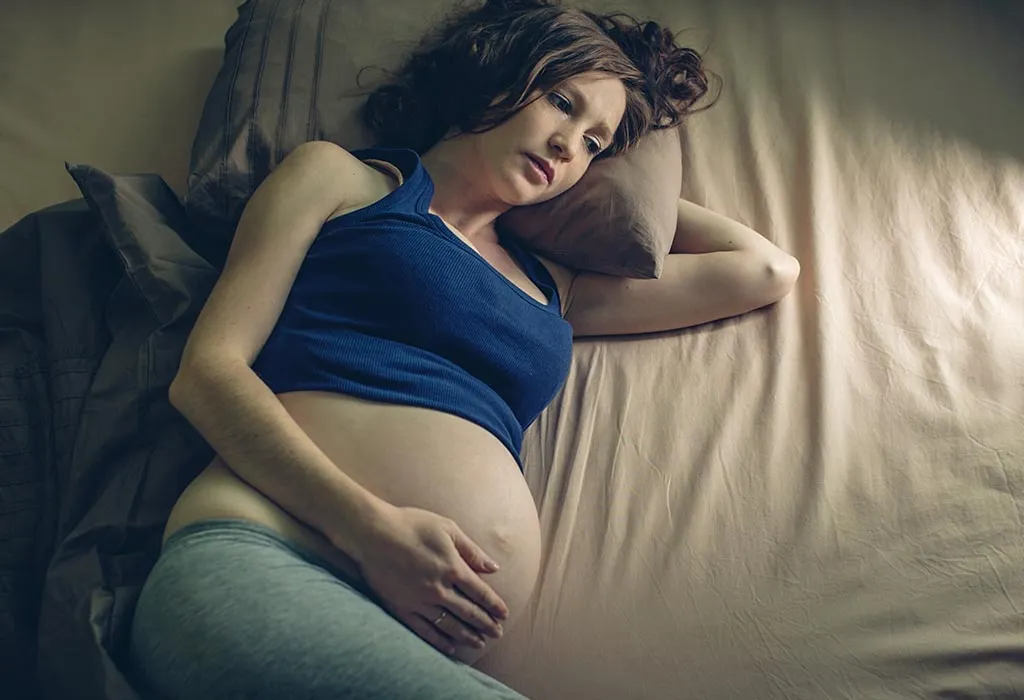
You may experience heart palpitations while resting or while working during pregnancy and no doubt, you will be stressed – and perhaps even worry that something is wrong. But you can manage heart palpitations by taking simple measures. Here are some tips that you may easily adapt to lower the symptoms of heart palpitations during pregnancy:
1. Take Adequate Rest
Heart palpitations should subside if you take enough rest. Make yourself comfortable and lie down on your bed and take a short nap. You will feel better.
2. Stay Hydrated
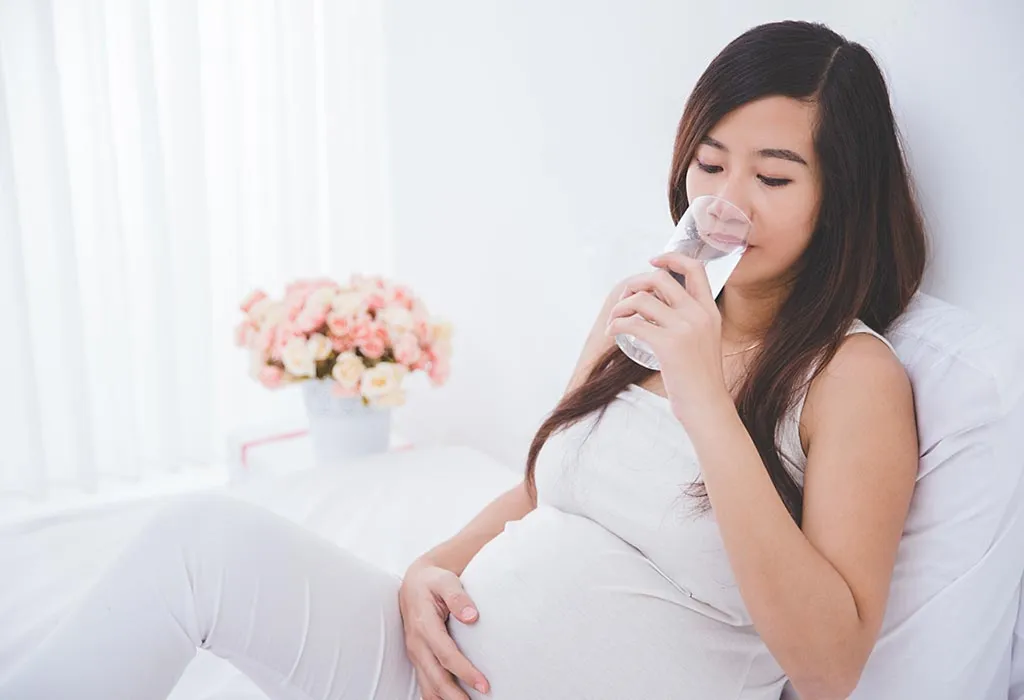
Pregnancy may make you prone to dehydration, which can trigger an increased heart rate. Therefore, keep yourself well-hydrated by drinking enough water and other liquids and ward off dehydration (8).
3. Manage Your Emotions
It is very common for any pregnant woman to experience mood swings or to get emotional during pregnancy. This may trigger stress and lead to an increased heart rate. You can practice relaxation techniques such as yoga, meditation, or other exercises (9). However, it is advised that you consult your doctor before starting with these relaxation techniques.
4. Avoid Drinking Caffeine
Drinking coffee, tea, and other caffeinated beverages may trigger increased heart rate during pregnancy. So keep the intake of such products to a minimum (7).
5. Avoid Physical Exertion
Any kind of physical exertion is not recommended during pregnancy. It may not only harm you and your baby but it may also result in an increased heart rate or heart palpitations.
6. Refrain From Taking Stimulant Medicines
Some over-the-counter medicines for common cold and cough may contain stimulants. Stimulant medicines may result in an increased heart rate. Consult your doctor before consuming any such medicine on your own.
7. Identify the Reasons
Apart from certain food items, sometimes some situations may also result in an increased heart rate. Therefore, if you experience heart palpitations regularly in pregnancy, make a diary and track what could be the probable reasons and then avoid doing that activity or eating that food item etc., that may have possibly caused heart palpitations.
8. Take Bath With Cold Water
The best way to control heart palpitations is to by taking a cold water shower. The cold water gets your heart rate to normal and makes you feel better and relaxed.

When Should You Call the Doctor?
As discussed above, heart palpitations during the second or third trimester are quite common and usually nothing to worry about. However, understanding heart palpitations in pregnancy and when to worry is important, especially if they are accompanied by certain unusual symptoms. If you experience any of the following conditions along with heart palpitations, you should seek immediate medical attention (2):
- The feeling of dizziness
- Shortness of breath or difficulty in breathing
- Excessive sweating
- Tightness in your chest, arms, or jaw
- You feel that you may pass-out or faint
- You experience unusual heart palpitations more often
FAQs
1. When are heart palpitations most common during pregnancy?
Heart palpitations can occur at any stage of pregnancy but are often more noticeable during the second and third trimesters when the heart works harder to support the growing baby.
2. Are frequent heart palpitations in pregnancy normal?
Yes, frequent heart palpitations and pregnancy are usually a normal combination. They often happen because of the extra blood volume and hormonal changes that make the heart work harder. In most cases, they are harmless, but if they come with symptoms like chest pain, dizziness, or breathlessness, it’s important to see a doctor.
If you register any of the above-mentioned symptoms during pregnancy then it may be due to some underlying condition. It is important that you get a complete check-up done to rule out the concern of any probable complication.
Also Read:
Heart Attack in Pregnancy
High Heartbeat while Pregnant
Blood Pressure during Pregnancy
Was This Article Helpful?
1. Cleveland Clinic – Heart Palpitations
2. Cleveland Clinic – Heart Palpitations in Pregnancy
3. Cleveland Clinic – Progesterone
5. Clinical Medicine – Clinical approach to palpitations in pregnancy
6. American Heart Association – How serious are heart palpitations? Causes, symptoms and when to worry
7. Mass General Brigham – Heart Palpitations
8. Medanta – Heart Palpitations: Why They Happen & How to Stop Them
- Author
- Expert Reviewer


Related Articles
-

Is Eating Neem During Pregnancy Safe?
-
Bronchitis During Pregnancy - Causes, Risks, and Prevention
-
Weight Gain in Pregnancy - How Much is Good?
-
Chorionic Villus Sampling (CVS): Test, Procedure, Risks & Results
-
Thrombocytopenia (Low Platelets) During Pregnancy - Causes, Symptoms & Treatment
-
Pregnancy Acne & How to Combat It