
Iron-Deficiency Anaemia in Pregnancy – Causes, Risks, and Prevention
Learn about iron-deficiency anemia in pregnancy, including its causes, symptoms, treatment options, and ways to support healthy iron levels.




In this Article
- Key Takeaways
- What Is Iron-Deficiency Anaemia?
- Causes of Iron-Deficiency Anaemia in Pregnancy
- Symptoms of Iron-Deficiency Anaemia While Pregnant
- Diagnosis of Low Deficiency Anaemia in Pregnancy
- Treatment for Iron Deficiency Anemia in Pregnancy
- Risks of Low Deficiency Anaemia in Pregnancy
- How to Prevent Iron Deficiency Anaemia When Pregnant?
- Does Anaemia Affect the Baby During Pregnancy?
- Iron Rich Foods for Pregnant Women
- When to Consult a Doctor?
- FAQs
View More
Key Takeaways
- Iron-deficiency anaemia during pregnancy occurs when the body lacks enough iron to produce healthy haemoglobin.
- Increased iron requirements, poor dietary intake, and low existing iron stores are common causes.
- Untreated anaemia may increase the risk of premature birth, low birth weight, and maternal complications.
- Iron-rich foods, vitamin C, and doctor-recommended supplements help prevent and manage iron deficiency.
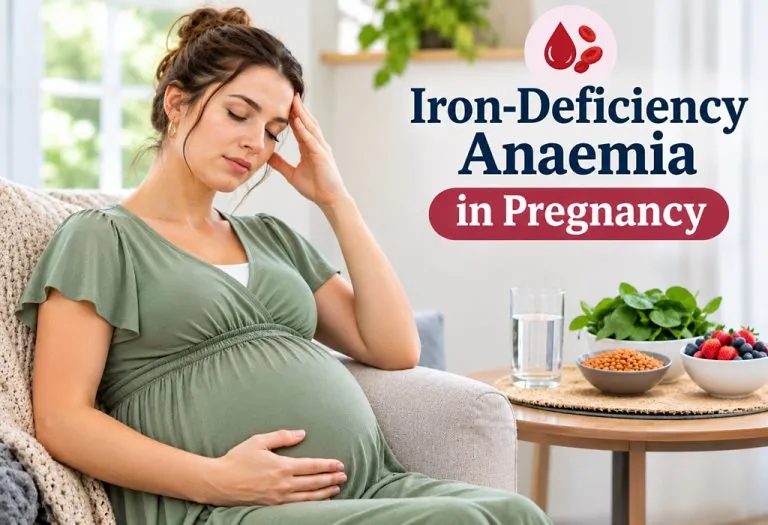
Iron-deficiency anaemia in pregnancy occurs when a woman’s body does not have enough iron to produce the haemoglobin needed to carry oxygen to both mother and baby. According to India’s NFHS-5 (2019–21), 52.2% of pregnant women aged 15-49 years are anaemic, highlighting the importance of maternal nutrition (1).
This article explains the connection between pregnancy and iron deficiency anemia, its causes, associated risks, common symptoms, and ways to prevent and manage the condition for a healthier pregnancy.
What Is Iron-Deficiency Anaemia?
Anaemia occurs when your body lacks the required amount of red blood cells. These cells are responsible for carrying oxygen all through your body. When your iron levels decrease, the red blood cells are unable to carry the oxygen to the tissues in your body (2).
Experiencing anaemia during your pregnancy is normal. However, if it is severe, it can put your baby at risk. When you experience iron-deficiency anaemia during your pregnancy, it is because the blood cannot carry the required amount of oxygen to the tissues all over your body.
Your body experiences a lot of changes during pregnancy as your heart works a little harder to give enough nourishment to the foetus. This means, the volume of your blood increases by 30% to 50%. So, what should you do when there’s an increase in blood volume? It is recommended to increase your folic acid and iron consumption.
Causes of Iron-Deficiency Anaemia in Pregnancy
As the pregnancy progresses, the body needs more iron to produce haemoglobin, support the growing baby, and supply oxygen to the placenta. Several factors can contribute to iron deficiency anemia in pregnant woman, including:
1. Increased Iron Requirements
During pregnancy, a woman’s blood volume increases to support the growing baby and placenta. This means the body needs additional iron to produce more haemoglobin and red blood cells. When dietary iron intake or existing iron stores are insufficient to meet this increased demand, iron deficiency can develop (3).
2. Inadequate Iron Intake Through Diet
Not consuming enough iron-rich foods is one of the major reasons for iron deficiency during pregnancy. A diet lacking foods such as green leafy vegetables, lentils, beans, fortified cereals, meat, and poultry may not provide sufficient iron. Women following vegetarian or vegan diets may also need extra attention to their iron intake because plant-based iron is generally less easily absorbed by the body (4).
3. Poor Absorption of Iron
Sometimes, even when women consume iron-rich foods, their bodies may not absorb enough iron from the diet. Certain dietary substances, such as tannins in tea and coffee and phytates in some grains and legumes, can reduce iron absorption. Digestive conditions such as coeliac disease and inflammatory bowel disease may also interfere with nutrient absorption (5).
4. Closely Spaced Pregnancies
Women who become pregnant again within a short period may have lower iron stores, particularly if they have not fully recovered from the previous pregnancy and childbirth. Pregnancy, delivery, and breastfeeding can place additional nutritional demands on the body, making it important to replenish iron stores between pregnancies.
5. History of Anaemia or Heavy Menstrual Bleeding
Women who experienced anaemia before pregnancy or had heavy menstrual periods may already have low iron reserves when they conceive. If these iron stores are not replenished before or during pregnancy, the increased demand for iron can make the deficiency worse (6).
6. Multiple Pregnancies
Women carrying twins or triplets generally have greater nutritional requirements than those carrying a single baby. Supporting the growth and development of more than one baby increases the body’s demand for iron, potentially raising the risk of iron deficiency if adequate iron is not available.
Symptoms of Iron-Deficiency Anaemia While Pregnant
Below are the symptoms of iron-deficiency anaemia during pregnancy (7):
- Irregular heartbeats
- Fatigue
- Chest pain
- Headache
- Shortness of breath
- Dizziness
- Cold hands and feet
- Pale or yellowish skin
Now, some of these symptoms are common during pregnancy. However, you shouldn’t wait for these signs of anaemia and get blood tests done to check your haemoglobin levels. If something else is bothering you, like the fatigue you are experiencing, you should have a discussion with your doctor and let him/her know your health challenges for a smooth and safe pregnancy.
Diagnosis of Low Deficiency Anaemia in Pregnancy
Anaemia is diagnosed after your doctor conducts a complete blood count, also known as CBC. This shows the number of various cells that make up your blood. Here are details of the tests your doctor will run to test for anaemia (8):
1. Blood Tests
If your doctor sees that your red blood count is low, you will be diagnosed with anaemia and you will have low haemoglobin during pregnancy. This test is always conducted during the first trimester of your pregnancy, usually when you visit your doctor for your prenatal appointment. The blood count test is also conducted when you are 28-week pregnant.
2. Tests for Anaemia
The blood tests conducted at your first appointment usually include the following:
- Haemoglobin Test: This measures the level of haemoglobin in the blood.
- Hematocrit Test: The percentage of red blood cells present in the blood sample are checked in this test.
Treatment for Iron Deficiency Anemia in Pregnancy
Proper management of iron deficiency anemia during pregnancy starts with a healthy, balanced diet, adequate iron intake, and timely medical care. You should consume foods that are high in iron content because this ensures your body is getting an excellent supply of iron. This helps reduce the possibility of anaemia. It is recommended that you eat foods, such as dark green leafy vegetables, red meat, peanuts, eggs, and fortified cereals as they have rich iron content (9).
Besides maintaining an iron-rich diet, you can also ask your doctor to prescribe iron and folic acid vitamins to ensure that your body is getting the recommended amount. During your pregnancy, you need to get a minimum of 27 mg of iron daily. The best way to treat iron-deficiency anaemia during your pregnancy is by consuming these iron supplements.
A good thing to do when you visit your doctor for your first prenatal checkup is to ask him/her what your risk of getting anaemia is. It is also recommended that you get yourself tested 4 to 6 weeks after you have had your child. After the doctor analyses your condition, he/she might refer you to a haematologist.
Risks of Low Deficiency Anaemia in Pregnancy
When left untreated, complications of iron deficiency anemia in pregnancy may affect both maternal health and the baby’s growth and development. Some of the major risks include (10):
- Premature Birth: Low iron levels during pregnancy are associated with an increased risk of preterm delivery, meaning the baby is born before completing 37 weeks of pregnancy.
- Low Birth Weight: Insufficient iron can affect the baby’s healthy growth and increase the risk of being born with a low birth weight (less than 2.5 kg).
- Maternal Fatigue and Weakness: Low haemoglobin levels reduce the oxygen-carrying capacity of the blood, causing persistent tiredness, dizziness, weakness, and breathlessness.
- Childbirth Complications: Severe anaemia can make it harder for the mother to cope with blood loss during delivery and may increase the need for a blood transfusion.
- Impaired Brain Development: Iron is essential for the baby’s brain and nervous system development. Maternal iron deficiency may affect the baby’s iron stores and potentially influence cognitive and behavioural development.
- Increased Risk of Maternal Complications: Severe anaemia can increase the risk of maternal health complications during pregnancy and after childbirth, including difficulties recovering from delivery.
- Increased Risk of Stillbirth and Neonatal Complications: Severe maternal anaemia has been associated with a higher risk of stillbirth and newborn health complications.
How to Prevent Iron Deficiency Anaemia When Pregnant?
While it is highly recommended that you maintain a balanced diet during pregnancy, your doctor may also prescribe iron supplements to prevent low amounts of iron in your body. These supplements are ferrous sulfate (325 mg) and should be consumed once a day. The iron requirements during pregnancy are higher than when you’re not pregnant, and the depletion of iron in your body may result in signs of severe anaemia (6).
Does Anaemia Affect the Baby During Pregnancy?
According to research, a mild iron deficiency during your pregnancy does not affect your baby. However, if you do not treat the mild iron-deficiency anaemia on time, the condition can get extremely severe during your pregnancy. This condition may get worse in the first two trimesters, which are the most important trimesters for your baby’s development. If untreated, your baby is at an increased risk of being born at a considerably low weight. The most severe case of iron-deficiency anaemia can also cause stillbirth and newborn death. To prevent the anaemic effect on the baby’s health, you need to make sure you get regular checkups, consume good amounts of iron and stick to a healthy diet.
Iron Rich Foods for Pregnant Women
One of the best ways to ensure you have a healthy and happy pregnancy is by maintaining a balanced diet. Here are a few foods to pick on your next trip to the supermarket (11).
1. Spinach
Spinach is one of the best iron-rich foods you can eat during your pregnancy. All you have to do is eat half a cup of cooked spinach. This has around 3 mg of iron and contains other vitamins and minerals like beta-carotene, folate, vitamin C and calcium that are great for your pregnancy. Including spinach in your diet takes care of the problems connected with folate-deficiency anaemia.
2. Iron-Fortified Cereal
What is the best way to provide your body iron supply? Opt for cereals that are made from iron-fortified grains. Cold cereals can offer you around 1.5 mg to 20 mg of iron per serving. On the other hand, hot cereals and oatmeal offer lower iron content, which ranges from 4.5 mg to 8 mg per serving. One of the great things about iron-fortified cereals is that they are loaded with folate and calcium, which are also beneficial for your pregnancy.
3. Meat
Meat is another good source of iron, offering around 2.6 to 2 mg of iron per serving. The reason meat is recommended during pregnancy is that the iron in meat, also known as heme-iron, is absorbed easily by the body. You do not have to eat fatty meats as the leaner meats have higher iron content. You can make a quick meat stir fry with veggies for a healthy and hearty meal.
4. Prune Juice and Dried Fruits
Another food that is great during pregnancy is prune juice. One 100 gm serving of prune juice gives you around 1.2 mg of iron. Besides the iron content, prune juice is also rich in fibre and helps excellently with constipation.
However, if you do not like prune juice, you can always opt for dried fruits. A half-cup of dried apricots offers 3.6 mg of iron, dried peaches offer 4.8 mg of iron, prunes offer 3.8 mg of iron and raisins offer 2.6 mg of iron. Dried fruits are also rich in fibre, and can help you relieve constipation, which is commonly experienced during pregnancy.
5. Potato
Surprisingly, the good old potato also helps reduce iron deficiency during pregnancy. Not only are potatoes high in vitamin C and potassium, but they are also good sources of iron and offer around 2.7 mg iron per potato. Potatoes are also rich in vitamin B6 and dietary fibre. You can whip up a batch of quick potato salad or a potato vegetable for a wholesome meal.
6. Beans
The humble bean is also a good source of iron, whether it is red, black or kidney beans. However, white beans have the highest iron content, giving up to 3.8 mg of iron per half-a-cup serving. These white beans can be used to make a quick, aromatic curry or a hearty soup.
7. Pumpkin Seeds
Feel like munching on something? Leave those bags of chips and indulge in a handful of pumpkin seeds as they offer up to 4.1 mg of iron. These pumpkin seeds can be roasted and stored, and you can eat them every time you have a craving. Toasting pumpkin seeds is also a good way to enjoy this snack.
The above foods are all rich in iron and ensure that you get your daily recommended levels of iron during pregnancy. Consuming these foods will help you prevent iron-deficiency during pregnancy.
When to Consult a Doctor?
Consult your gynaecologist if you experience any of the following symptoms during pregnancy:
- Persistent fatigue or weakness.
- Frequent dizziness or headaches.
- Shortness of breath.
- Rapid or irregular heartbeat.
- Pale skin, lips, or inner eyelids.
- Unusual cravings for ice, clay, or chalk.
- Low haemoglobin or ferritin levels in blood tests.
- Fainting or severe dizziness.
- Chest pain or difficulty breathing.
- Heavy vaginal bleeding.
- Reduced or absent baby movements.
FAQs
1. Do all pregnant women need iron supplements?
Many pregnant women are advised to take iron supplements to meet their increased nutritional requirements. The recommended dose depends on individual health, haemoglobin levels, and local antenatal guidelines. Always follow your healthcare provider’s advice rather than starting high-dose supplements independently.
2. How long does it take to recover from iron-deficiency anaemia during pregnancy?
Recovery time varies depending on the severity of the deficiency and response to treatment. With appropriate iron supplementation, haemoglobin levels often begin improving within a few weeks, although treatment may need to continue for several months to replenish iron stores.
3. Can tea and coffee affect iron absorption during pregnancy?
Yes. Tea and coffee contain compounds called polyphenols that can reduce iron absorption, particularly from plant-based foods. It is advisable to avoid consuming them close to iron-rich meals or iron supplements.
4. Can iron-deficiency anaemia be prevented before pregnancy?
Yes. Maintaining a balanced diet rich in iron, identifying and treating existing iron deficiency, and attending regular health check-ups before conception can help build healthy iron stores and reduce the risk of anaemia during pregnancy.
Pregnancy is a memorable journey, something you can look back at with a smile. However, no pregnancy comes without certain challenges. Iron-deficiency anaemia is one such challenge. The good news is that this deficiency is easily preventable and you can work on it even when you are trying to get pregnant. If you plan on having a baby, ensure your iron levels are excellent. If you are already pregnant, discuss the risks with your doctor and ask his/her for ways to restore or maintain the iron content in your body.
References/Resources
1. Press Information Bureau – ANAEMIA MUKT BHARAT
2. Cleveland Clinic – Iron-Deficiency Anemia
3. National Institutes of Health – Iron
4. PubMed Central – Iron deficiency anaemia in pregnancy: A contemporary review
5. World Health Organization – Anaemia
6. Mayo Clinic – Iron deficiency anemia during pregnancy: Prevention tips
7. Mayo Clinic – Iron deficiency anemia – Symptoms and causes
9. PubMed Central – Identifying and treating iron deficiency anemia in pregnancy
10. National Library of Medicine – Iron Nutrition During Pregnancy
11. American Pregnancy Association – Iron-rich Foods for Pregnancy
Also Read:
Vitamin A when Pregnant
Consuming Antacids in Pregnancy
Iron Supplements During Pregnancy
Taking Vitamin B2 (Riboflavin) while Pregnant
Was This Article Helpful?
Parenting is a huge responsibility, for you as a caregiver, but also for us as a parenting content platform. We understand that and take our responsibility of creating credible content seriously. FirstCry Parenting articles are written and published only after extensive research using factually sound references to deliver quality content that is accurate, validated by experts, and completely reliable. To understand how we go about creating content that is credible, read our editorial policy here.
- Author


Related Articles
-
Skin Darkening During Pregnancy: Causes and Home Remedies
-
Maternity Leave and Maternity Benefit Act 2017
-
Hernia and Pregnant - Risks, Symptoms, and Treatment
-
Low Blood Pressure When Pregnant - Causes, Symptoms, & Treatment
-

Guess Who Mommy or Daddy Baby Shower Game With Questions
-
Henna in Pregnancy - Is It Safe to Use?