
15 Alphabet Games for Kids to Learn Letters Easily
Fun and engaging alphabet games that help kids learn letters easily through play, boosting memory, creativity, and early language skills.




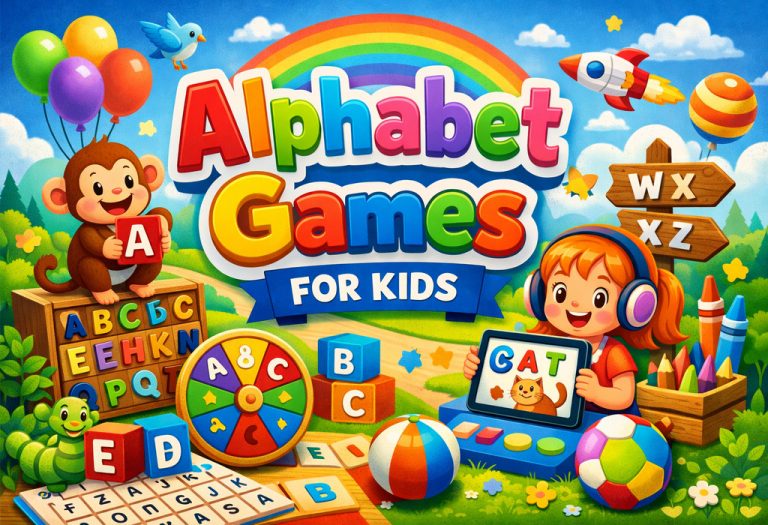
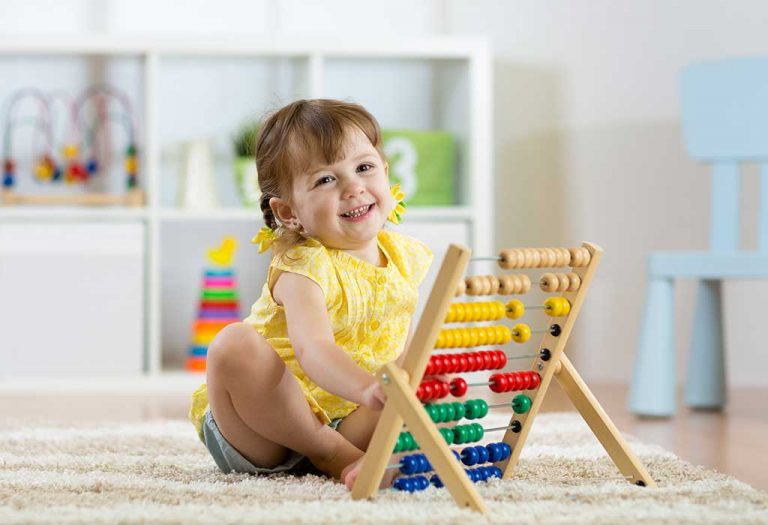
Image Source: AI-Generated Image
Teaching young children the alphabet can sometimes feel tricky. Kids are naturally curious and energetic, which means they learn best when they are playing, moving, and exploring rather than sitting still for long periods. When learning feels fun, children become more interested and confident, and letters start to make sense much faster.
That is why many parents and teachers rely on alphabet games for kids to introduce letters in a playful way. Instead of memorising symbols from a chart, children interact with letters through activities that involve movement, imagination, and everyday objects. A simple game can turn a confusing lesson into an exciting discovery.
Over the years, educators have seen how playful learning helps children recognise letters earlier and remember them longer. When letters are connected to stories, sounds, and real experiences, they begin to feel familiar rather than overwhelming. The following activities make learning the alphabet simple, engaging, and enjoyable for young learners.
How Alphabet Games Improve Kids’ Learning?
Young children learn best when learning feels like play rather than a lesson. When they touch and explore letters, they begin to understand them naturally. Many parents and teachers use free alphabet games for kids because they make learning fun and stress-free. These playful activities help children remember letters better while also building confidence and curiosity.
Alphabet Games for Children
Children understand letters better when learning feels playful and natural. When kids touch and explore letters, they begin to remember them without pressure. Simple alphabet activities for kids can turn everyday moments into meaningful learning opportunities. Many teachers and parents also rely on learning alphabet games for kindergarten and alphabet recognition games for preschoolers because playful activities help children develop curiosity and early reading skills.
1. Alphabet Treasure Hunt
The alphabet treasure hunt is a fun way to introduce letters through movement and discovery. Write several letters on small cards and hide them around the room or yard. Give the child a basket and ask them to find the hidden letters.
Each time they find one, encourage them to say the letter aloud and think of a word that begins with it. For example, A for apple or B for ball. Children enjoy searching, which makes the activity feel like a small adventure rather than a lesson. This game keeps them active while gently building letter recognition and vocabulary.
2. Letter Hop Game
The letter hop game combines movement and learning, making it perfect for energetic children. Write letters on the floor using chalk, tape, or paper cards. Spread them out so the child has space to move safely.
Call out a letter and ask the child to hop to it. When they land on the correct letter, ask them to say its sound or think of a word that starts with it. This activity helps children remember letters through physical movement. It also keeps learning lively and engaging, especially for younger kids who enjoy jumping and playing.
3. Alphabet Matching Cards
Alphabet matching cards help children recognise both uppercase and lowercase letters. Create two sets of cards, one with uppercase letters and the other with lowercase letters. Spread them on a table or floor.
Ask the child to match the correct pairs, such as A with a or B with b. When they find a pair, encourage them to say the letter and a word that begins with it. This activity strengthens memory and visual recognition. Children also enjoy the small challenge of finding the correct matches, which keeps them focused.
4. Letter Sound Basket
The letter sound basket connects letters with real objects that children recognise. Fill a basket with small toys or items like a ball, a cup, an apple, or a spoon. Ask the child to pick one object from the basket.
Then help them identify the first sound of the word. For example, ball begins with the B sound. Handling real objects makes the activity feel natural and meaningful. Children quickly begin to connect letters with familiar items in their daily life, which supports early reading skills.
5. Build the Alphabet with Blocks
Children enjoy building things, and this activity turns that interest into learning. Provide blocks, sticks, or magnetic tiles and invite children to create the shapes of different letters.
Start with simple letters like L or T and encourage the child to copy the shape using the blocks. After building the letter, ask them to say its name and think of a word that starts with it. Constructing letters helps children understand their shapes while also improving fine motor skills and creativity.
6. Alphabet Sorting Game
The alphabet sorting game helps children notice how words begin with different sounds. Write letters on small bowls or containers. Give the child picture cards or objects representing different words.
Ask them to place each item in the correct container based on the starting letter. For example, a toy car goes under C, and a ball goes under B. Sorting activities encourage children to listen carefully to sounds and group words together, which strengthens their phonics awareness.
7. Letter Fishing Game
The letter fishing game adds excitement to learning letters. Write letters on small cards and attach paper clips to them. Use a toy fishing rod or a stick with a magnet to catch the letters.
As children catch each letter, ask them to say the letter name or sound. You can also ask them to think of a word that begins with that letter. The playful fishing theme keeps children interested and eager to keep playing while practising letter recognition.
8. Alphabet Puzzle Time
Alphabet puzzles are a simple but powerful learning tool. Give children a puzzle where each piece represents a letter. Ask them to place each piece in the correct spot while saying the letter aloud.
This activity helps children recognise letter shapes and learn their correct order. Puzzles also improve concentration and problem-solving skills. Many children enjoy the satisfaction of completing the puzzle, which encourages them to repeat the activity and strengthen their memory.
9. Letter Tracing with Fingers
Letter tracing with fingers helps children learn through touch and movement. Fill a tray with sand, flour, pulses, or rice and invite the child to trace letters using their finger.
You can say a letter aloud and ask them to draw its shape in the tray. The texture makes the activity interesting and calming. This hands-on method helps children remember the shape of each letter while also developing early writing skills.
10. Alphabet Memory Game
The alphabet memory game improves focus and recall. Place letter cards face down on a table. Children take turns flipping two cards at a time to find matching letters.
When they find a match, they say the letter aloud and keep the pair. If the cards do not match, they turn them back over. This simple game strengthens memory while helping children become more familiar with letter shapes.
11. Name the Picture Game
In this activity, show the child a picture card, such as a cat, a dog, or an apple. Ask them to identify the first letter of the word. You can guide them by slowly saying the sound.
Children begin to understand how letters connect with spoken words. This game also encourages vocabulary development because children often learn new words through the pictures.
12. Alphabet Dance Game
The alphabet dance game turns learning into a fun movement activity. Play cheerful music and call out a letter. Ask children to form the shape of that letter using their bodies or arms.
For example, they might stretch their arms to make the shape of a T. This playful activity helps children remember letters through body movement while also keeping them active and engaged.
13. Letter Path Walk
Create a path of letters on the floor using paper cards or chalk. Ask the child to walk along the path and say each letter as they step on it.
This simple activity combines movement with repetition, which helps strengthen memory. Children enjoy following the path and feel a sense of progress as they move from one letter to the next.
14. Alphabet Story Game
The alphabet story game encourages imagination while practising letters. Choose a letter, such as B, and ask the child to think of several words that start with it.
Then create a short story using those words such as a bear eating berries near a big blue boat. Storytelling makes learning creative and memorable. It also helps children expand their vocabulary.
15. Letter Art and Craft
Letter art and craft activities allow children to learn while being creative. Give them a large piece of paper and let them decorate it with crayons, stickers, or coloured paper.
You can also ask them to draw pictures of objects that begin with that letter around it. Craft activities help children focus on letter shapes while enjoying artistic expression.
FAQs
1. Are there free alphabet games for kids that parents can try at home?
Yes, many free alphabet games for kids can be played at home using simple items like paper letters, toys, or everyday objects. Activities like letter hunts, matching cards, and tracing in sand are easy and effective.
2. What are some simple alphabet games for preschool?
Many alphabet games for preschool include letter hopping, matching uppercase and lowercase cards, and sorting objects by their starting letter. These activities help young children recognise letters while keeping learning playful.
3. How do ABC learning games help children learn faster?
ABC learning games for kids help children remember letters through play and repetition. When learning feels fun, children stay curious and build stronger early reading skills.
Helping children learn the alphabet does not have to feel difficult or stressful. When learning happens through play, children stay interested and naturally remember what they discover. Simple activities like letter hunts, matching games, and tracing can make a big difference in early learning. These games also help children connect letters with sounds, words, and everyday objects. Over time, children begin to recognise letters with more confidence and curiosity. The most important part is keeping the experience relaxed, fun, and encouraging. With patience and playful learning, children can build a strong foundation for reading and language.
Also Read :
Sports Books for Kids That Inspire Big Dreams
Essay on Bhagat Singh in English for Students and Children
Essay on Cow in English for Students & Children
Was This Article Helpful?
Parenting is a huge responsibility, for you as a caregiver, but also for us as a parenting content platform. We understand that and take our responsibility of creating credible content seriously. FirstCry Parenting articles are written and published only after extensive research using factually sound references to deliver quality content that is accurate, validated by experts, and completely reliable. To understand how we go about creating content that is credible, read our editorial policy here.
- Author
 About the Author






.svg)