

High Fibre Foods for Pregnancy – Benefits and Top Sources
Fibre rich foods in pregnancy support gut health help prevent common digestive issues and improve comfort.





Medically Reviewed By
Megha Mukhija
(Paediatric Nutritionist)

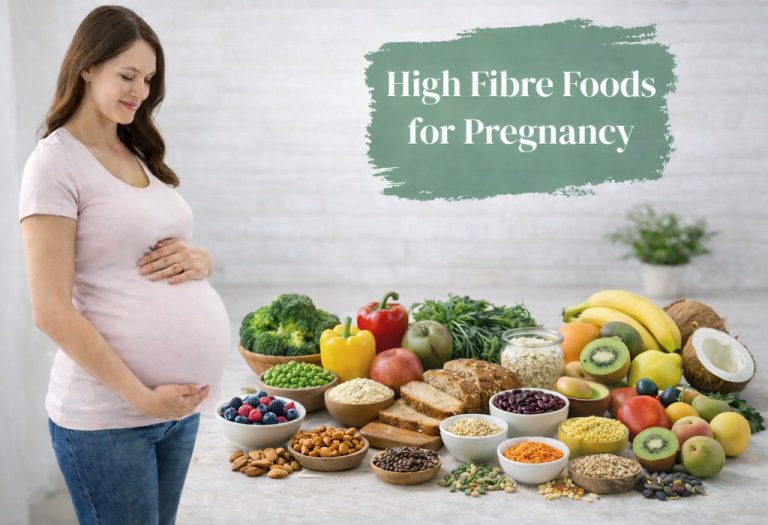
Image Source : AI Generated Image
In this Article
- What Is Fibre?
- What Are the Types of Fibre?
- How Much Fibre Do You Need While Pregnant?
- Benefits of Eating High-Fibre Foods During Pregnancy
- What Are the Effects of Consuming Excessive Fibre During Pregnancy?
- Fibre-Rich Food Options for Pregnant Women
- Instant High-Fibre Recipes
- How to Add Fibre to Your Pregnancy Diet?
- Other Things to Consider
- FAQs
View More
Doctors around the world recommend fibre-rich foods for pregnancy. But why so? What makes high fibre foods for pregnant women so important? The answer lies in the hormonal and physical changes that take place in a woman’s body during pregnancy, and digestive problems are quite common. Gastro issues, like constipation, haemorrhoids, and diarrhoea, can make pregnancy uncomfortable for expectant mothers. Having fibre-rich foods during pregnancy keeps them at bay or keeps them to a minimum. Let’s learn more about the high-fibre meals for pregnancy and different recipes to try.
What Is Fibre?
Fibre is found only in plants, and it is not something that can actually be digested by the human body. We do not gain any nutrients from it, but it does provide an important function in the body. Having enough fibre in your diet ensures a healthy and well-functioning digestive system, as it helps the body remove waste properly. Another name by which fibre is known is roughage (1).
The only side effect of a diet rich in fibre is that you may pass a bit more gas than you usually would. This is because, though our bodies generally cannot digest fibre, the bacteria inside the colon and intestine can digest it to an extent.
What Are the Types of Fibre?
Fibre is mainly constituted of two types: insoluble and soluble. Let’s learn about them in more detail (2).
1. Insoluble Fibres
This type of fibre acts as a natural laxative, and it helps in faster and easier waste movement through the digestive tract. It softens the stool and prevents constipation. It can be found in whole grains, fruits, vegetables, beans, and dried peas.
2. Soluble Fibres
This type of fibre helps to regulate blood sugar and cholesterol levels. They absorb water, reduce blood cholesterol levels, and contribute to stool bulk. Soluble fibres can be found in dried peas and beans, fruits, vegetables, barley, and oats.
How Much Fibre Do You Need While Pregnant?
There are immense benefits to consuming adequate fibre during pregnancy. Dietary fibre helps by keeping you satisfied and feeling full, keeping blood sugar levels in control, preventing constipation, and more. Keeping these benefits in mind, pregnant women should aim to include 20-25 grams of fibre in their daily diet (3). Also, do check with your doctor if you are meeting your daily fibre requirements.
Benefits of Eating High-Fibre Foods During Pregnancy
A hormone called progesterone, which is produced by the ovaries during pregnancy, relaxes the stomach muscles and slows digestion. Adding fibre to your diet can make all the difference here, as it helps to curb irregular digestion and bowel movements. Here are some other ways that fibre is good for you during your pregnancy (4):
- Helps keep pregnancy weight under control: As high-fibre foods keep you fuller for longer and do not contain too many calories, they are a great way to help you manage your pregnancy weight.
- Helps to prevent constipation: Having the recommended amount of fibre in your diet will prevent you from becoming constipated, which is a problem faced by most pregnant women (5).
- Helps regulate blood sugar: Fibre slows the digestion of food, and this prevents your blood sugar from rising too fast.
- Helps reduce the risk of heart problems: Fibres help to trap cholesterol-rich bile acids in the digestive system, resulting in the body being unable to absorb cholesterol.
What Are the Effects of Consuming Excessive Fibre During Pregnancy?
High-fibre foods are important for your health during pregnancy. But consuming excessive fibre too quickly can lead to the following problems:
1. Gas and Bloating
This happens especially if you quickly try to increase your fibre intake. These uncomfortable gastrointestinal effects can be avoided by slowly and gradually increasing fibre content.
2. Constipation
This happens especially if you’re dehydrated and increase fibre content too quickly. As fibre absorbs the water in the intestines, make sure you drink enough water to prevent constipation (6).
3. Nutritional Deficiency
Foods that are rich in fibre are also low in calories. That’s why too much reliance on fibrous foods will make you feel fuller, and you won’t feel the need to eat other nutritious and high-calorie foods, leading to nutritional deficiencies.
Fibre-Rich Food Options for Pregnant Women
In order to avoid constipation and other problems that a faulty digestive tract can cause, add more high-fibre foods for constipation during pregnancy to your meals, and notice the difference it makes to your system. Here are some fibre-rich foods for pregnancy (7):
1. Fibre-rich Vegetables
The following fibre-rich vegetables can be your best buddy during pregnancy:
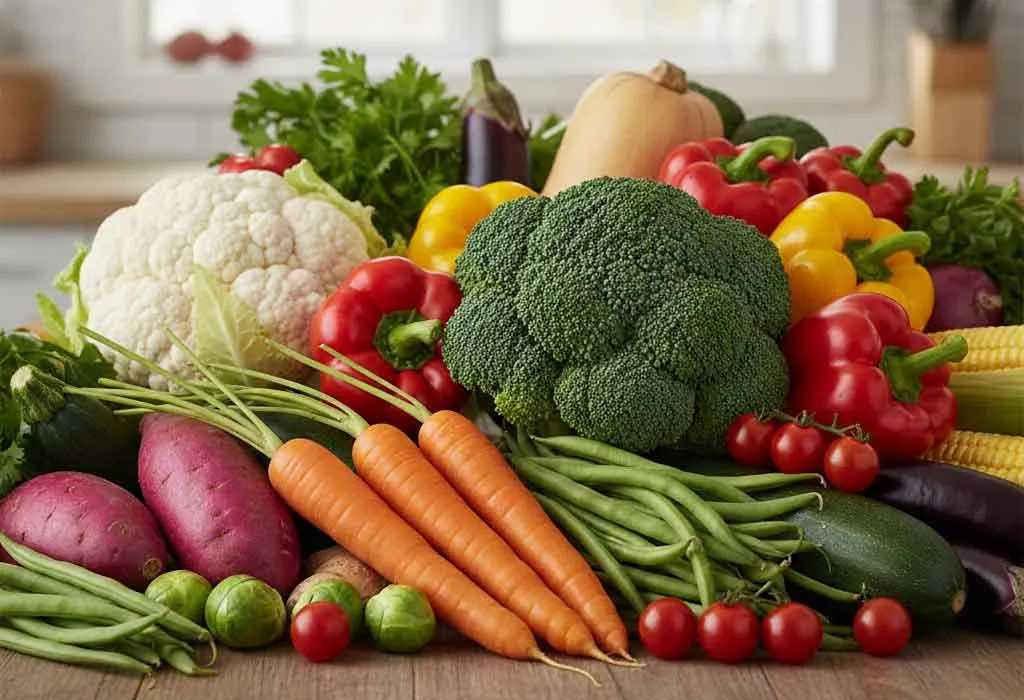
Image Source : AI Generated Image
- Beetroot
- Green Peas
- Bell peppers
- Cauliflower
- Green leafy vegetables
- Okra (Lady’s finger)
- Carrots
- Brocolli
- Artichokes
2. Fibre-rich Fruits
The following are the fibre-rich fruits. Try to eat 5 or more servings of these daily.

Image Source : AI Generated Image
- Berries
- Oranges
- Pears
- Apple
- Kiwi
- Mango
- Prunes
- Banana
3. Fibre-rich Grains and Cereals
You must surely be adding two or more of these to your current diet. Do experiment with the others too!
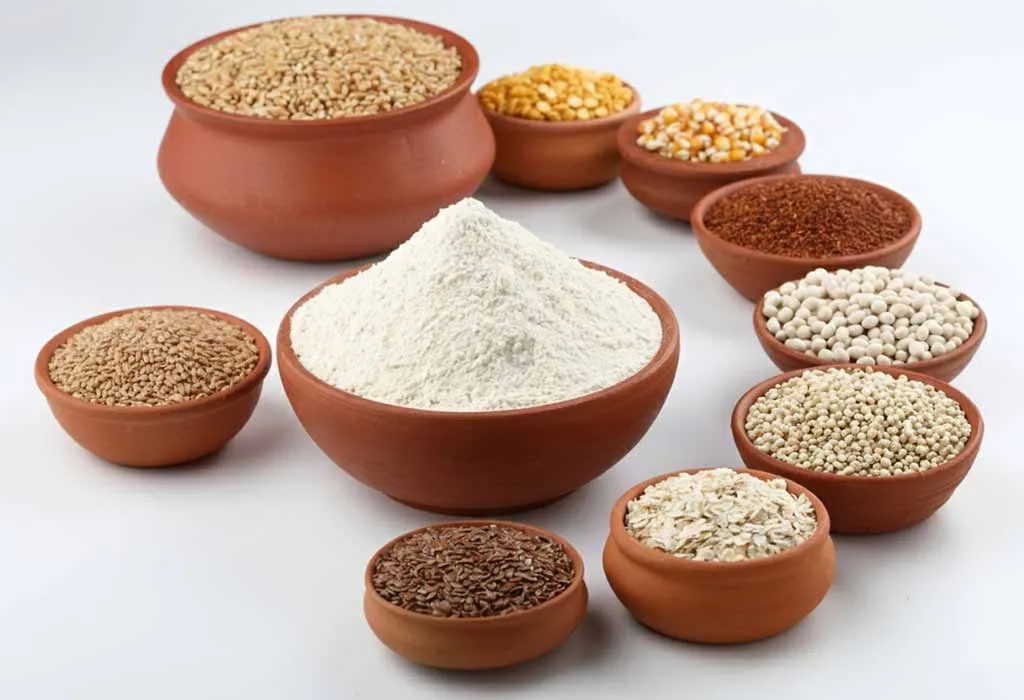
Image Source : AI Generated Image
- Millet
- Barley
- Wheat
- Brown Rice
- Whole Grains
- Oats
- Wild Rice
4. Fibre-rich Legumes and Nuts
Add these to your diet to increase your fibre intake.

Image Source : AI Generated Image
- Lime Beans
- French Beans
- Chickpeas
- Black Beans
- Lentils
- Coconuts
- Almonds
The above high-fibre foods list for constipation while pregnant will make sure you’re comfortable during this phase.
Instant High-Fibre Recipes
You can very easily make high-fibre meals for pregnancy. Try out these easy and tasty high-fibre recipes that won’t take you long to make:
1. Fruit Shake With Nuts
A milk or yoghurt-based shake made with fresh fruits and nuts like almonds, walnuts, or pistachios is the perfect beverage for breakfast or as a mid-day snack! Choose fibre-rich fruits like mango, apple, or berries.

Image Credit: Pinterest
Ingredients:
- Milk or yoghurt
- Fresh fruits (mango, apple, berries)
- Nuts (almonds, walnuts, pistachios)
How to Make:
- Wash all the fruits well with clean water and chop them into small pieces.
- Add the fruits, nuts, and milk or yoghurt to a blender.
- Blend until smooth and creamy.
- If you want it chilled, you may add ice or put it in the refrigerator.
2. Carrot Sticks With Hummus
This classic dish is packed with nutrition and fibre. If you can make the hummus at home from scratch, that will be perfect! The chickpeas and carrots are fibre-rich, and the accompanying spices make this recipe simple yet scrumptious and an absolute delight to snack on. Make sure to wash the carrots well, and slice them as thick or thin as you like.

Image Credit: Pinterest
Ingredients:
- Fresh carrots
- Cooked chickpeas
- Olive oil
- Garlic
- Lemon juice
- Mild spices (as preferred
How to Make:
- Wash nd peel the carrots thoroughly. Slice them into long, thin sticks and keep them aside.
- To make hummus, blend chickpeas with olive oil, garlic, lemon juice, and spices until you get a smooth paste consistency.
- Drizzle some olive oil on top of the hummus.
- Serve the carrot sticks with a generous portion of hummus.
3. Orange, Lettuce, and Spinach Salad
This salad, which is high in fibre, will also meet your nutritional requirements in terms of Calcium, Iron, Vitamin A and Vitamin C.
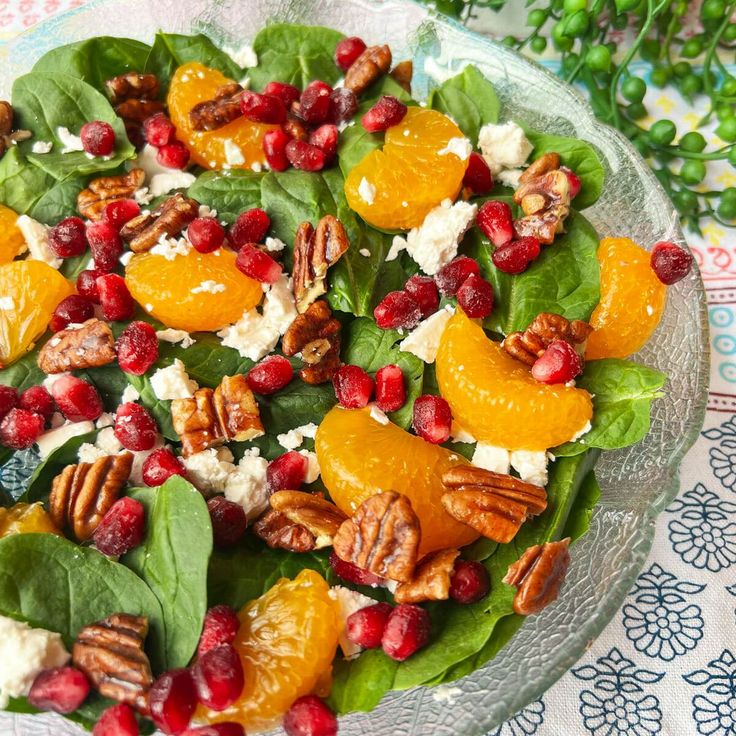
Image Credit: Pinterest
Ingredients:
- Oranges
- Lettuce leaves
- Spinach leaves
- Lemon juice
- Pecans
- Pomegranates
How to Make:
- Peel the orange and chop it into bite-sized pieces.
- Wash and shred the lettuce and spinach leaves.
- Toss and mix everything in a big bowl.
- Make sure to squeeze a dash of lemon juice before serving!
4. Stuffed Grated Carrot Pancakes
These healthy pancakes are loaded with nutrients are are highly satisfying too. The wheat flour pancakes laced with cinnamon are the perfect quick-snacking option during pregnancy.
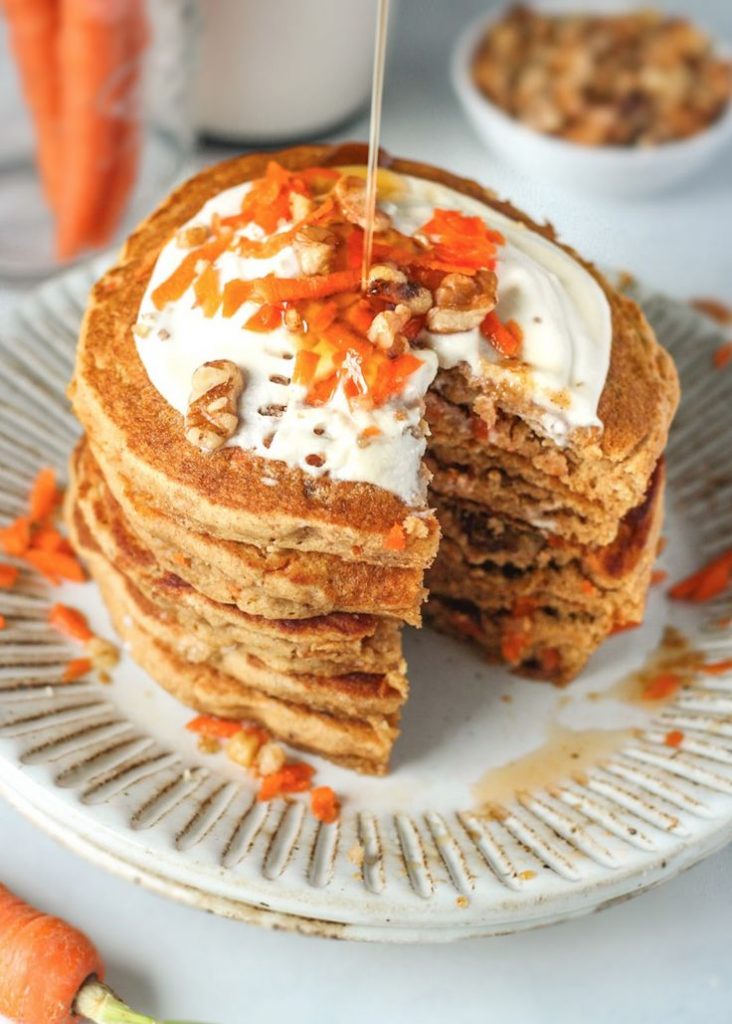
Image Credit: Pinterest
Ingredients:
- Whole wheat flour
- Grated carrots
- Water
- Cinnamon powder
How to Make:
- Wash and peel carrots nicely. Grate them.
- In a bowl, whisk together wheat flour, grated carrots, cinnamon, and water until smooth.
- Heat a pan and pour small portions of the batter to make pancakes.
- Flip and cook nicely on both sides until golden and fluffy.
- Serve warm as a healthy snack.
How to Add Fibre to Your Pregnancy Diet?
To ensure a high-fibre pregnancy diet, you must make a meal plan with plenty of fibre options in it. The following are the ways in which you can increase the fibre content in your diet during pregnancy:
- Eat more fruits and vegetables
- Try adding legumes to salads and soups
- Whenever you’re hungry, snack on nuts and dried fruits
- Begin your day with a high-fibre breakfast cereal
Other Things to Consider
Keep the following points in mind when consuming fibre:
- As you increase the amount of fibre you consume during pregnancy, it becomes very important for you to drink a lot of fluids as well, as it helps in keeping your digestive system working well, and also keeps you hydrated. The recommended amount of fluids you should be drinking is ten to twelve cups.
- Coconut water is especially beneficial to pregnant women, as it contains many essential nutrients, dietary fibre, and lauric acid, which help in protecting the body from infections.
- The high-fibre content of a plant-based diet is the healthiest option for pregnant women, as it contains less toxic waste than animal products. Plant fibre ensures a healthy gut microbiome diversity (8).
- It is also advised that pregnant women stay away from soybeans or any soy products, as they are most often genetically engineered.
FAQs
1. How much fibre should a pregnant woman consume daily?
Most pregnant women are advised to consume around 25–30 grams of fibre per day. This requirement can usually be met through whole grains, fruits, vegetables, legumes, and nuts, along with adequate water intake.
2. Can pregnant women take fibre supplements?
Yes, it is okay to consume fibre supplements during pregnancy to keep constipation at bay. However, do so only after consulting your healthcare provider.
3. What are the best fibre-rich foods during pregnancy?
Grains like brown rice, oats, whole wheat, lentils, and beans, and fruits like apples, pears, and berries, leafy greens, carrots, and seeds such as flaxseed or chia seeds are great sources of fibre. Ensure a variety of colourful and different fibrous foods in your pregnancy diet.
4. Can too much fibre cause problems during pregnancy?
Yes, consuming excessive fibre without enough fluids may cause gas, bloating, and abdominal discomfort. Therefore, it’s best to increase fibre intake gradually and drink plenty of water to support smooth digestion.
5. Is it safe to take fibre gummies in pregnancy?
Fibre gummies may have ingredients that are not safe to consume during pregnancy. Please check with your doctor before consuming fibre gummies while pregnant. Also, it is ideal to get your fibre intake from vegetables, fruits, legumes, etc.
Pregnancy is one of the most beautiful times in a woman’s life. Most women anticipate it with a lot of joy. But, in order for you to truly enjoy your pregnancy while knowing that you are doing the best for your baby, you must ensure that you are maintaining a healthy and balanced diet. After all, you are eating for two now. Remember to have a more plant-based diet and drink a lot of fluids, in order to keep your body functioning at the best level it possibly can, for you and your baby.
Also Read:
Protein Intake during Pregnancy
Carbohydrates in Pregnancy
Magnesium Intake when Pregnant
Was This Article Helpful?
Parenting is a huge responsibility, for you as a caregiver, but also for us as a parenting content platform. We understand that and take our responsibility of creating credible content seriously. FirstCry Parenting articles are written and published only after extensive research using factually sound references to deliver quality content that is accurate, validated by experts, and completely reliable. To understand how we go about creating content that is credible, read our editorial policy here.
1. UC Davis – Nutrition and Health Info Sheet: Fiber
2. UCSF Health – Increasing Fiber Intake
3. UCSF Health – Eating Right Before and During Pregnancy
4. Mayo Clinic – Dietary fiber: Essential for a healthy diet
6. Cleveland Clinic – Pregnancy Constipation
- Author
- Expert Reviewer
 About the Author