
Feta Cheese and Pregnancy – Safety, Benefits & Risks
Is feta cheese in pregnancy safe? Learn the risks, benefits and how much is safe to eat. Read on..




Key Takeaways
- Feta cheese, made from a blend of goat’s and sheep’s milk, is a great source of calcium, protein, and minerals.
- Feta cheese is safe only when it is made from pasteurised milk or thoroughly cooked.
- Many experts recommend that pregnant women avoid feta cheese during pregnancy.
- Listeriosis, a bacterial infection caused by the consumption of raw or unpasteurised feta cheese, can be life-threatening for the unborn baby.
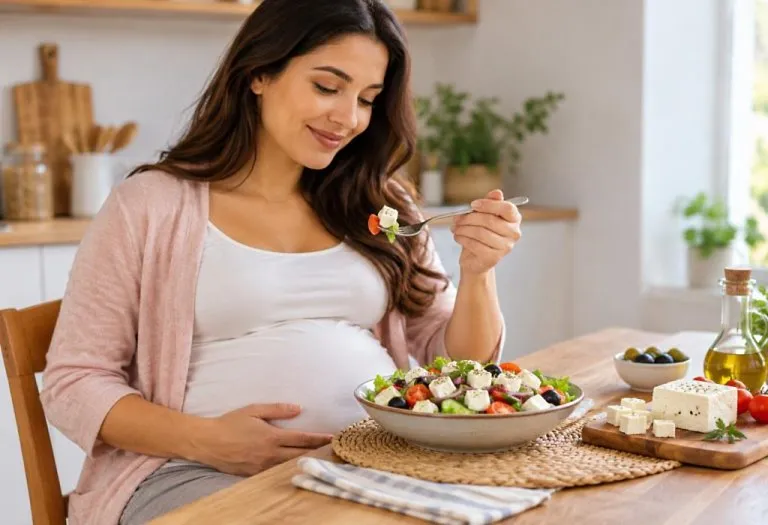
Eating feta cheese during pregnancy has been a topic of discussion among many mothers and health experts. When it comes to feta cheese and pregnancy, the main concern is not the cheese itself but whether it is made from pasteurised milk and handled safely. The Food and Drug Administration (FDA) states that eating feta during pregnancy is safe only when it is made from pasteurised milk (1). Feta made from unpasteurised milk or lacking proper storage can carry harmful bacteria such as Listeria, leading to serious consequences.
Therefore, proper labelling that reads “made from pasteurized milk” and proper storage are essential. In this article, we’ll explore the conditions that make feta cheese in pregnancy safe for pregnant women and what precautions should be kept in mind.
What Is Feta Cheese?
Feta cheese is cheese made from a blend of goat’s and sheep’s milk. This crumbly, coloured block of cheese is popular for being a natural source of probiotics and is easier to digest than cow’s milk. Used a lot in Mediterranean cuisine, the cheese is used as a garnish for various main dishes, appetisers, and desserts.
Nutrition You Get From Feta Cheese
Feta cheese is loaded with nutrients and known for being a good source of calcium. In terms of the nutrition profile, feta cheese has generous amounts of vitamins K, A, pantothenic acid, folate and magnesium. Unlike ricotta, mozzarella, and parmesan cheeses, feta has lots of B vitamins, protein and phosphorus – all three of which are vital for good bone health. Here’s a representation of 100 grams of whole milk, crumbled feta cheese by the USDA (2):
| Nutrition | Amount |
| Water | 51.9g |
| Energy | 273 Kcal |
| Protein | 19.7g |
| Total Fat | 19.1g |
| Carbohydrate | 5.58g |
| Calcium | 371mg |
| Iron | 0.07mg |
| Magnesium | 17.7mg |
| Phosphorus | 328mg |
| Potassium | 105mg |
| Sodium | 1030mg |
| Zinc | 2.35mg |
| Iodine | 48.4µg |
| Fatty acids, total saturated | 11.2g |
| Cholesterol | 58mg |
| Vitamin B-6 | 0.038mg |
| Vitamin A (Retinol) | 147 µg |
| Vitamin K | 1.2 µg |
Can You Eat Feta Cheese When Pregnant?
Eating soft, pasteurized mild feta cheese is safe during pregnancy. Pasteurization kills harmful bacteria and renders the product safe for unborn babies. As per the CDC, pregnant women can have feta cheese in moderation as long as the label reads “made from pasteurized milk” or is cooked thoroughly at an internal temperature of 165°F (about 74°C) or until steaming hot (3).
So, to answer the question, ‘Is pasteurised feta safe during pregnancy?’ the answer is yes. The Tommy’s agrees with this statement (4).
Let’s follow a quick thumb rule:
- Feta cheese available in supermarkets that is labelled “pasteurised” can be eaten cold and straight from the tub, provided it is properly refrigerated.
- Feta available in the restaurant or deli counter or imported PDO Greek feta should be asked about. If the deli or restaurant is unable to verify the source or pasteurisation details, treat it as unpasteurised and harmful.
- If the label says “unpasteurised,” “raw milk,” or “lait cru,” put it back on the shelf.
- Feta in cooked form—feta in a hot pastry, baked feta, or grilled halloumi—is safe.
Benefits of Feta Cheese for Pregnant Women
Cheese is often the best pregnancy craving food. It not only eases the cravings but also provides ample amount of nutrition, including protein, calcium, vitamin D, and more. Here’s a quick overview of the benefits of cheese in pregnancy:
- Rick calcium source: Feta is a rich calcium source that helps strengthen the bones of the mother as well as the baby.
- Eases cravings: It can be paired with salad to ease hunger pangs or mood cravings.
- Good source of protein: Feta is rich in protein and helps build muscle and bones.
Risks of Eating Unpasteurized Feta Cheese in Pregnancy
The Food Standards Australia New Zealand (FSANZ) advises pregnant women to avoid soft or semi-soft pasteurised white cheeses, including feta cheese (5). The main risk associated with eating unpasteurized feta cheese and pregnancy is being exposed to the bacteria Listeria monocytogenes. This is a sneaky bacterium found in a lot of animal and dairy products and thrives at refrigeration temperatures. Refrigeration does not kill this bacterium, and while the bacterium causes mild flu-like symptoms in adults, it can cause grave situations for unborn babies who have a compromised immune system (6).
Listeriosis is the term for the condition that occurs due to the bacteria. Pregnant moms who eat unpasteurized feta are at risk of having a miscarriage or newborn illnesses. There’s also the risk of abnormal baby growth and developmental deformities due to this condition (7). If you have unpasteurized feta cheese to work with, cook it thoroughly until the bacteria die. It’s a lot safer that way.
The Centers for Disease Control and Prevention (CDC) still warns pregnant women that sometimes pasteurised soft cheeses like feta still carn harbour Listeria bacteria when made or kept in factories with unsanitary conditions (7).
Other Risks of Eating Feta Cheese While Pregnant
Here are some risks associated with eating feta cheese during pregnancy:
1. High Sodium Content
Feta cheese, like many types of cheese, tends to be high in sodium as it is brined, often well over 1,000mg per 100g. Excessive sodium intake during pregnancy can contribute to conditions like high blood pressure and preeclampsia. These conditions can pose risks to both the mother and the developing fetus.
Solution: rinse the feta under cold water before you crumble it, and treat it as a side dish, not the main.
2. Potential for Excess Weight Gain
While cheese, including feta, is a good source of calcium and protein, it can also be calorie-dense. Consuming it excessively, without proper portion control, may contribute to excess weight gain during pregnancy. This can increase the risk of gestational diabetes, which in turn can lead to complications for both the mother and the baby. Additionally, excessive weight gain can make it more challenging to lose weight postpartum.
3. Digestive Discomfort
Some individuals may experience digestive discomfort, such as bloating or gas, after consuming feta cheese. This can be particularly bothersome during pregnancy when hormonal changes may already be affecting digestion. It’s important for expectant mothers to be mindful of any discomfort they experience after consuming feta cheese and adjust their diet accordingly.
Is Cooked Feta During Pregnancy Safe?
As long as the feta is pasteurized, it is safe for consumption both cooked and raw (8). The amount of protein in the feta cheese is enough to repair muscles, and for moms trying to meet their dietary requirements for iron and calcium, it’s a good addition.
How Much Feta Cheese Can You Consume During Pregnancy?
Balancing intake is crucial, especially with cheeses. While feta has lower fat content compared to other cheeses, it’s still relatively high in sodium and saturated fats. Typically, a small portion suffices due to its robust, distinctive taste.
When You Should Not Eat Feta Cheese When Pregnant?
You should not eat feta cheese if you find yourself suffering from digestive issues. If you’re struggling with lactose intolerance and get acne breakouts, you should cut out or limit the feta cheese. Where you source your feta from is important too. If you suspect that the supplier doesn’t meet the safety and hygiene standards in the manufacturing plant, it’s best to avoid buying from them. Cross-contamination and bacterial infections are a possibility during those sourcing cases. If you’re on a low-carb diet temporarily, you should limit your intake of feta cheese.
Directions for Rightly Choosing and Eating Feta During Pregnancy

If you’re getting feta cheese that’s pasteurized and straight from the farm, there’s nothing like it. Read the label and see if it says ‘pasteurized’ on it. If you’re not sure how to choose feta cheese brands when going to the grocery store, you can ask your doctor for recommendations. Consulting a nutritionist or dietician will also help too since they’re aware of popular brands for these types of cheeses.
Here’s what you should do when shopping for feta cheese:
- Look at the nutrition label and see if it has any added sugars, salts or any other ingredients. If it has, avoid it. If it doesn’t, go for it.
- It should say clearly on the label that it’s pasteurized. Pasteurized grass-fed feta cheese is often the healthiest, in terms of nutrition profile.
- If it says it has allergens or is processed in a facility that processes nuts and other allergens, avoid it.
Feta Dishes That Are Pregnancy Safe – With Warnings
There are a million recipes you can make with pasteurized feta cheese. Feta cheese is very versatile as an ingredient for cooking, baked and raw dishes. It doesn’t matter if you’re vegetarian or non-vegetarian; feta cheese makes your life better.
If you want your baby to grow strong and healthy, it’s a no-brainer that adding feta to your diet will make a difference. Now that we’ve got that out of the way, here are some common but popular feta dishes for pregnant moms. Take what you can out of these, tweak them and enjoy the process.
1. Feta Cheese Pizza
Feta cheese pizza is one of the tastiest dishes out there for pregnant moms. You can sprinkle pasteurized feta cheese on top of the pizza as a garnish or simply cook the pizza with feta cheese added along with the toppings. If the pizza has unpasteurized feta as the topping for the end, avoid it. If you’re gluten-free, you can swap out the flour for the pizza base with a millet base or a base like coconut flour.
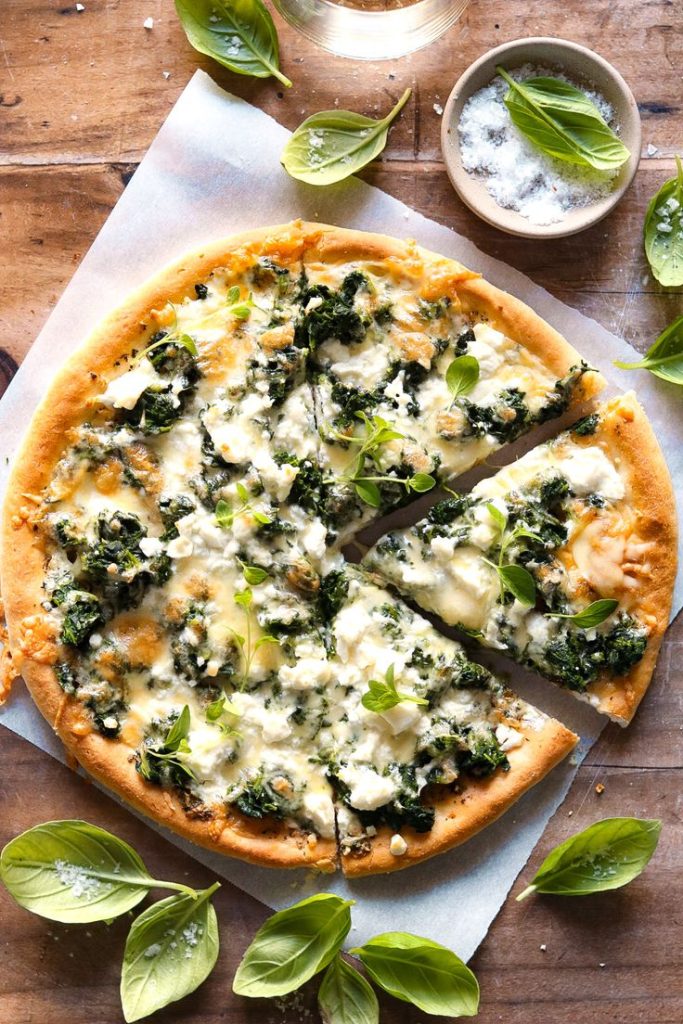
Image Credit: Pinterest
2. Feta Cheese in Burrito Bowls
It’s safe to have feta cheese sprinkled into burrito bowls and enjoy them as long as the cheese is pasteurized. You can play around with the ingredients, and kidney beans in burrito bowls are a good source of dietary iron for pregnant moms as well. If you’re trying to eat healthily, we suggest going with brown rice for your burrito bowel since that eases hunger and leaves you feeling satisfied.
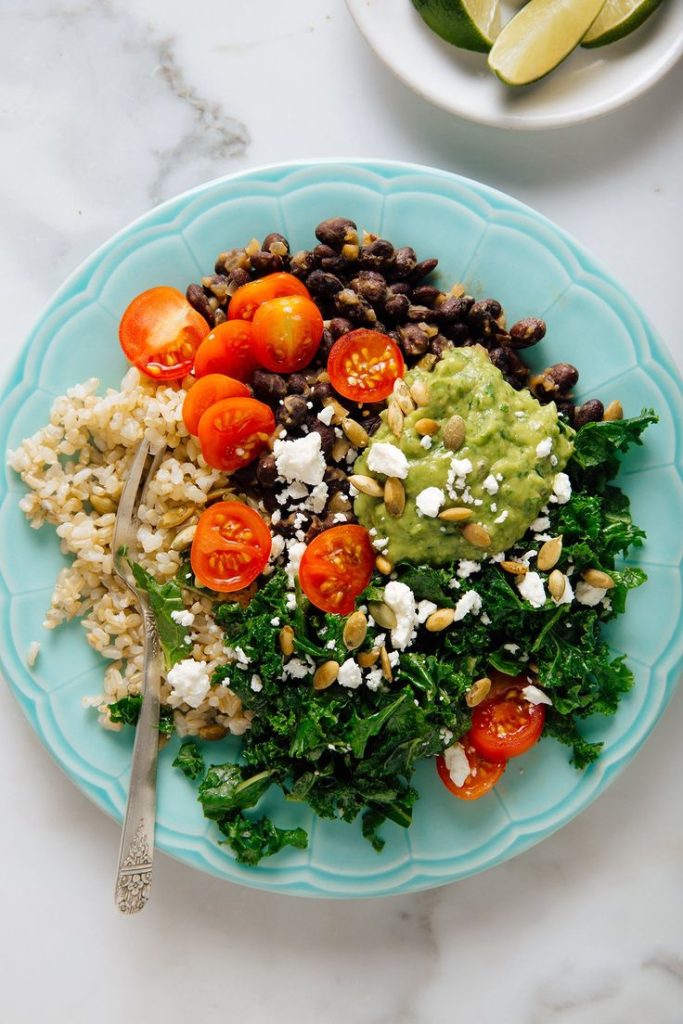
Image Credit: Pinterest
3. Melted Feta Cheese
Who doesn’t love melted feta cheese? As long as it’s piping hot and cooked properly, you can add melted feta to your sandwiches, quiches, tarts and more. It’s a delicious way to spruce up your meals, and you will love it. Baked feta cheese is another good option for pregnant moms too. No need to go stingy with melted feta on your meals. Layer it generously, and your tastebuds will love it!
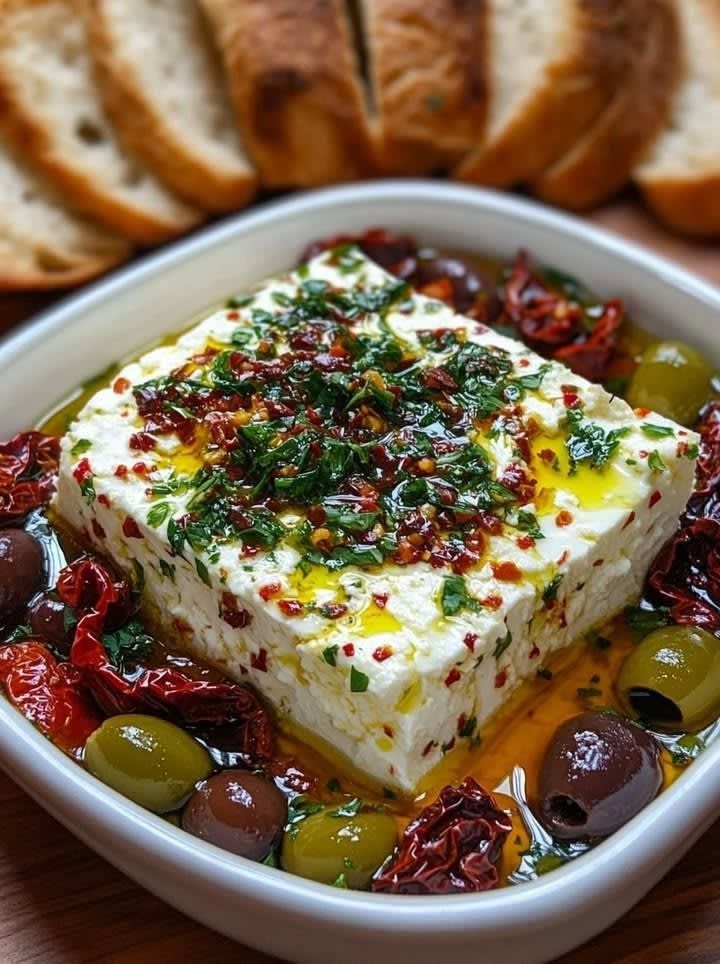
Image Credit: Pinterest
4. Feta Cheese Salad
Home-grown or garden-fresh salads with pasteurized feta cheese sprinkled on top is a good way to add veggies to your diet. You can get creative with the toppings and even add nuts like cashews and almonds, dried apricots/figs and cherry tomatoes to these. Add olive oil or vinaigrette for the dressing and you have a juicy salad that’s not just healthy but tasty as well.
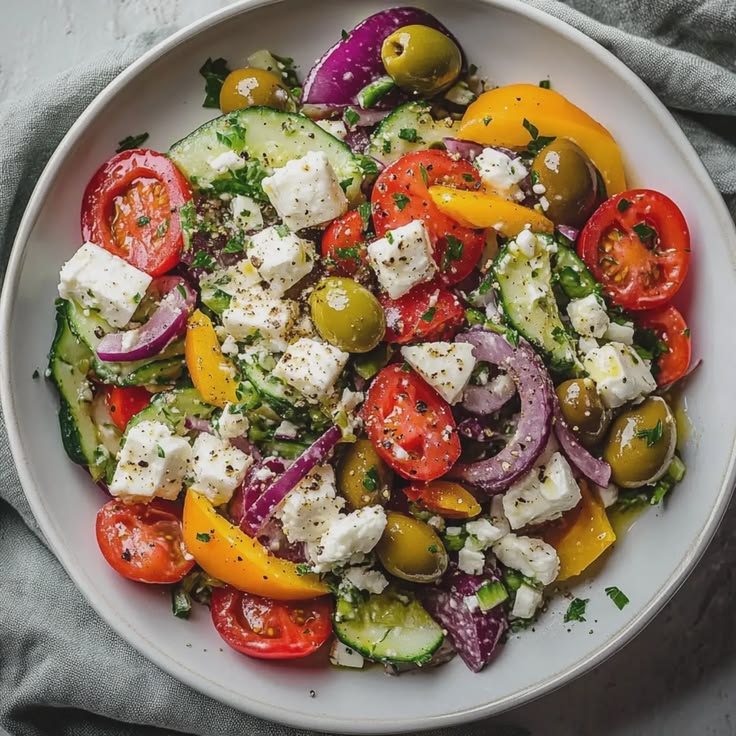
Image Credit: Pinterest
5. Feta Dips
Do you eat a lot of fried or fast foods and find yourself reaching out for dips? Pregnancy triggers cravings and enjoying a feta dip with your meals is a good way to save some of it off. When you’re going for feta dips, be sure to watch out for the label. You want to make sure it specifies that the dip’s made from pasteurized feta cheese and not unpasteurized.
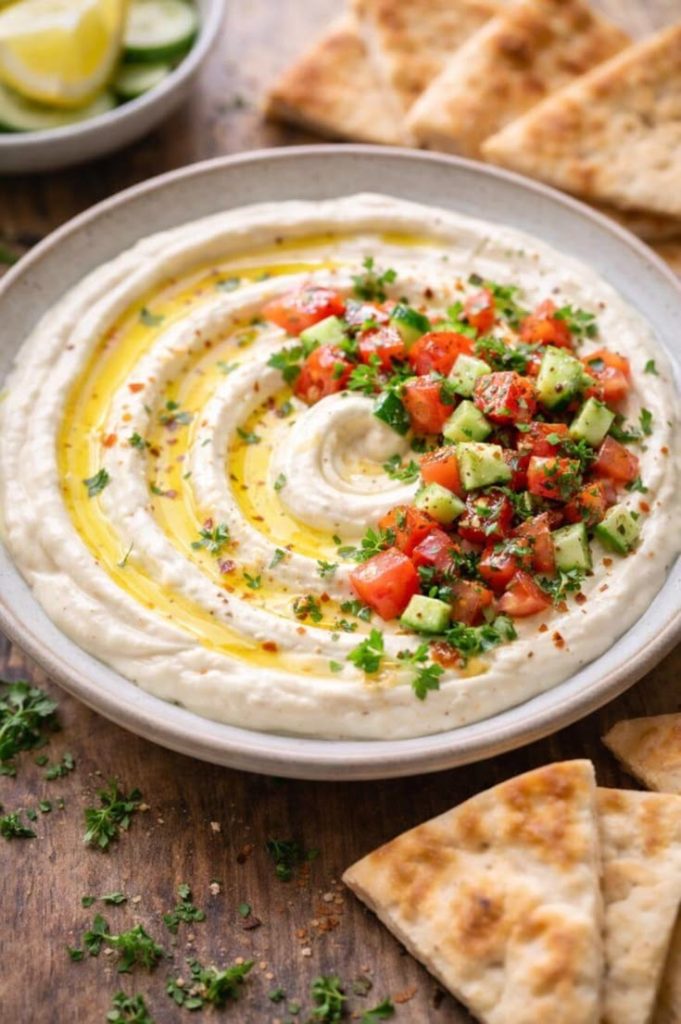
Image Credit: Pinterest
6. Feta in Brine
Traditional feta cheese is always stored in brine. But the important part is if it’s pasteurized or not since the brine is irrelevant to your pregnancy diet. As long as the feta in brine is pasteurized, you can safely consume it without worries.
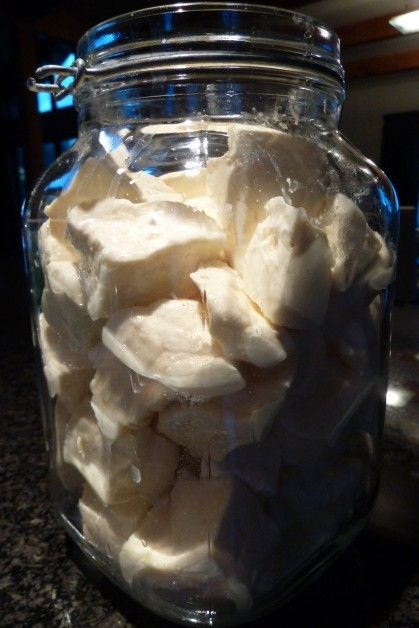
Image Credit: Pinterest
7. Feta Tortilla Wraps
If you’re looking for an easy, quick and no-nonsense feta cheese for pregnancy dish, having a feta tortilla wrap is the way to go. As long as you have some chilli sauce, chopped veggies, meat and tortilla bases, you’ll be good. Top the wraps with these ingredients and generously sprinkle pasteurized feta cheese. You can make the wraps even more delicious by adding peanut butter or sauces along with the feta cheese. It’s delicious!
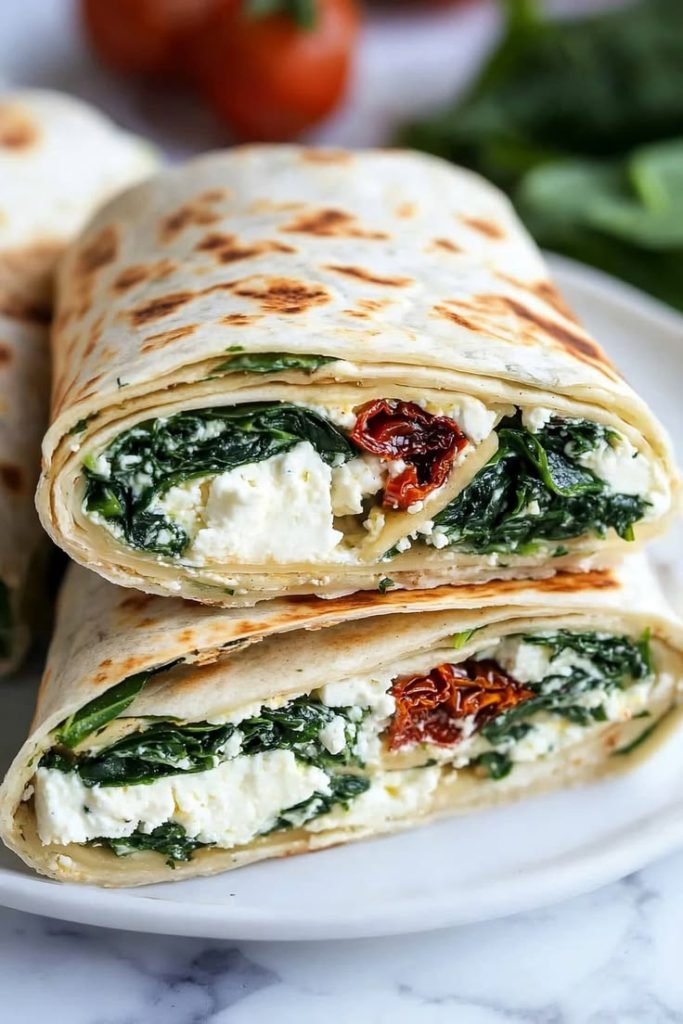
Image credit: Pinterest
Although most soft cheeses aren’t allowed during pregnancy, the feta cheese is an exception. As it’s made from goat milk, it is a valuable source of nutrition and considered very healthy. Ready-to-eat hot dogs and deli meats can be sprinkled with pasteurized feta cheese to get a good taste. Hard cheeses are also considered safe during pregnancy and if you want other options, you can try out variants like Cheddar, American cottage cheese and Buffalo mozzarella too.
FAQs
1. What to do if I accidentally eat raw feta cheese when pregnant?
If you accidentally consume raw feta cheese during pregnancy, there’s no need for immediate alarm. The risk of contracting listeriosis from commercially available feta cheeses is generally low. However, if you exhibit any symptoms of listeriosis, it’s crucial to promptly seek medical attention. Blood tests are available to confirm the presence of the infection.
2. Which types of cheese should I avoid during pregnancy?
The types of cheeses you must avoid when pregnant are soft cheeses, soft blue cheeses, fresh mozzarella, and Mexican-style cheeses.
3. How to check if feta is safe to eat while pregnant?
To make sure feta in pregnancy is safe, check the packaging to confirm if the feta cheese is pasteurized or unpasteurized. If the source of the milk is unclear, homemade, or clearly specified as made from unpasteurized milk, it is advised to avoid that type of feta cheese during pregnancy.
4. Is unpasteurized feta cheese OK to eat if it’s been baked or cooked?
As per the MotherToBaby, ff the feta cheese is not pasteurized, but has been baked or cooked thoroughly untill steam comes out of it, then there is little to no risk of any infection (9).
Have fun with your meals, prep wisely and you’ll find yourself sticking to your pregnancy diet without running into any problems. That’s pretty much it!
Also Read:
Drinking Milk while Pregnant
Consuming Butter during Pregnancy
Is Eating Cheese in Pregnancy Safe?
Can You Eat Goat Cheese when Pregnant?
Was This Article Helpful?
Parenting is a huge responsibility, for you as a caregiver, but also for us as a parenting content platform. We understand that and take our responsibility of creating credible content seriously. FirstCry Parenting articles are written and published only after extensive research using factually sound references to deliver quality content that is accurate, validated by experts, and completely reliable. To understand how we go about creating content that is credible, read our editorial policy here.
1. US FDA – Listeria (Food Safety for Moms-to-Be)
2. USDA – Cheese, feta, whole milk, crumbled
3. CDC – How Listeria Spread: Soft Cheeses and Raw Milk
4. Tommy’s – Foods to avoid in pregnancy
5. Food Standards Australia New Zealand – Pregnancy and healthy eating
6. KidsHealth – Why Are Pregnant Women Told to Avoid Feta Cheese?
7. CDC – Preventing Listeria Infection
8. American Pregnany Association – Foods to Avoid During Pregnancy
9. MotherToBaby – For the Love of Cheese! Why Are Pregnant Women Told to Avoid Soft Cheese?
- Author