
Figs in Pregnancy – Benefits & Ways to Eat It
Everything moms should know about figs in pregnancy including benefits risks and safe use of anjeer in pregnancy





Medically Reviewed By
Megha Mukhija
(Paediatric Nutritionist)


Image Credit : AI Generated Image
If you enjoy eating figs, it is essential to check if it is safe to eat anjeer in pregnancy. This article on consuming figs in pregnancy will give you information on whether or not it’s safe to add this fruit to your pregnancy diet. Since pregnancy is a crucial time for any woman, if you’re pregnant, you must take good care of yourself and eat healthily. Your pregnancy diet should include veggies, whole grains, fruits, and dry fruits. These foods are nutritious and a must-have, but there are others that may not be good for your health, so avoid them. This could be due to various concerns, such as being unsafe for pregnancy or the baby, or harmful in excessive amounts. Let’s learn whether figs and pregnancy make a good duo or not.
Also Read: Eating Apple While Pregnant
Can I Eat Figs During Pregnancy?
Yes, consuming figs is good for pregnancy. They are considered to be one of the healthiest fruits as they are rich in nutrients and highly recommended for pregnant women. Research indicates that incorporating figs into the diet, whether on their own or along with other dried fruits, enhances the intake of specific micronutrients and is linked to improved diet quality (1).
Having anjeer during pregnancy can help you deal with morning sickness during the early stages of pregnancy, especially in the first trimester. All in all, figs during pregnancy’s first and third trimesters prove healthy. Anjeer in pregnancy can also help fulfil the nutritional requirements of your body during pregnancy (2).
Nutritional Value of Figs
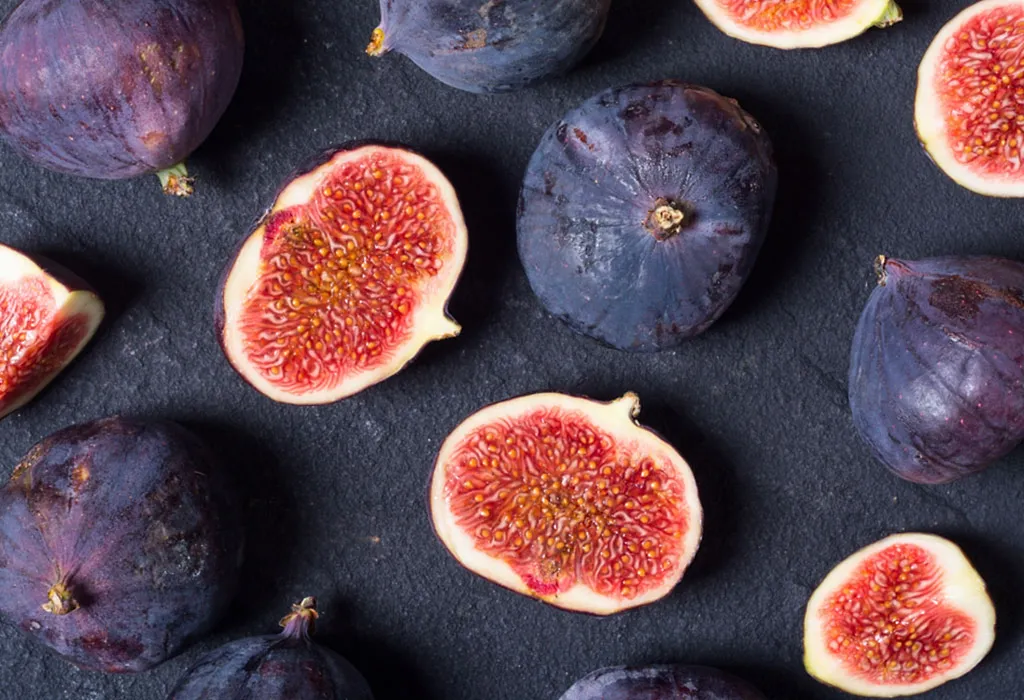
You may have a quick look at the nutritional properties per 100 grams of raw figs, given in a detailed list below (3).
- Calories – 74 Kcal
- Dietary Fibre – 2.9 g
- Carbohydrates – 19.2 g
- Total Sugars – 16.3 g
- Protein – 0.75 g
- Vitamin B6 – 0.113 mg
- Potassium – 232 mg
- Magnesium – 17 mg
- Phosphorus – 14 mg
- Pantothenic acid – 0.13 mg
- GI – medium
Also Read: Eating Bananas During Pregnancy
How Many Figs Can You Consume Per Day During Pregnancy?
Consuming figs during pregnancy can be beneficial for your health. That said, you must remember that you consume it in moderation, as overconsumption of figs may lead to high blood sugar levels during pregnancy. Doctors usually suggest that pregnant women consume figs as a fruit and not as a medicine. You can have 1-3 figs a day at different times in the form of a snack. You can even have one during a coffee break or add it to your salad. Note: Remember to consume figs in moderation; as mentioned, a maximum of 3 per day.
Benefits of Eating Fig Fruit During Pregnancy
Figs (anjeer) have numerous components that can ensure the good health of a pregnant woman as well as the proper nourishment of her baby. Some fig benefits for pregnancy are given below (4) (5):
- Helps Strengthen the Bones – Calcium helps in the development of bones and teeth of the foetus as well as of the mother. Figs, being a rich source of calcium, can help strengthen the bones of the mother during and after pregnancy, thus keeping her fit and strong for resuming daily activities.
- May Help in Brain Development of the Foetus – Consuming figs has a commendable contribution to the development of the foetal brain. Figs are rich in omega-3 and folate, which are crucial for brain development.
- May Help Keep Your Cravings in Control – During pregnancy, many women tend to have an increased craving for certain dishes or food in general. Such cravings may result in other serious conditions like gestational diabetes or obesity. Eating figs can help control your cravings.
- May Lower the Risk of Anaemia – One of the known anjeer benefits in pregnancy is the reduction of anaemia. Deficiency of iron may lead to a lack of oxygen supply to the foetus. Figs provide adequate iron content to the body. Figs are also rich in Vitamin C, which is known to assist in the absorption of iron in the body. Thus, it may lower the risk of anaemia in pregnant women.
- May Improve Digestion – Figs are rich in dietary fibre, which helps regulate bowel movement and prevent constipation (6). Moreover, the probiotics existing in figs support the good bacteria in your gut and aid in digestion.
- May Provide Relief From Morning Sickness – The presence of Vitamin B6 is thought to help reduce morning sickness.
- May Help Regulate Blood Sugar Levels – Figs are a rich source of potassium, which can help in lowering blood sugar levels. Besides, it has a high amount of polyphenol antioxidants that help prevent atherosclerosis.
- May Help Balance Cholesterol Levels – Figs contain healthy components such as omega-3 and omega-6 fatty acids and phytosterols that help reduce cholesterol levels. In addition, the element pectin, present in figs, also helps lower cholesterol levels in the body.
- May Help Maintain Blood Pressure – Regular intake of figs can also help with regulating blood pressure in pregnant women (7).
- May Provide Glucose – Figs are sweet and are a healthy way to fulfil the need for glucose during pregnancy.
- Can Clear Pigmentation – Figs contain a chemical called Psoralens, which helps clear skin pigmentation such as melasma.
- Provides Relief From Acidity – As figs are alkaline in nature, they can help women deal with acid reflux, a common problem women face during pregnancy.
Also Read: Consuming Chikoo while Pregnant
Side Effects of Consuming Figs While Pregnant
Eating figs can benefit a pregnant woman immensely, but only if they are consumed in moderate amounts. Before you decide to have fig fruit for pregnancy diet, you must be aware of the side effects as well. Over-consumption of this fruit may lead to certain side effects during pregnancy, such as:
- Figs are known to treat skin pigmentation caused during pregnancy. But in certain cases, if a high amount of psoralens (contained in figs) enters the body, it may cause a serious skin condition called photodermatitis.
- Figs in a moderate quantity can help control blood pressure. But it has an opposite effect if consumed too much. Figs, when consumed in excess, can lower blood glucose levels.
- Allergic reactions are highly unpredictable and may be triggered at any point in time. Even in the absence of a history of allergy in the mother, many times, the hormonal changes during pregnancy can trigger an allergic reaction on the consumption of figs.
Also Read: Eating Oranges while Pregnant
Can You Eat Dry Figs During Pregnancy?
The method of dehydrating fruits helps preserve the nutrients while changing the texture of the fruit. Dried figs for pregnancy are an amazing snack option. When stored properly, they last longer and can also be added to salads or milkshakes. Convenient to pack, dry figs in pregnancy are a special treat among moms on the go.
How Can You Select and Store Figs?
Selecting and storing figs the right way helps extend their shelf life and also keeps the nutrients intact. Here are some tips on making the right choices when it comes to figs.
- Buying Fresh Figs – Fresh figs should be clean and dry on the outside, with the skin unbroken. Gently squeeze them. They should be soft to the touch but not mushy. Figs shouldn’t give out an acidic smell, as it indicates that the fruit has begun to ferment.
- Storing Fresh Figs – After purchasing, store fresh figs in a plastic bag in your refrigerator to increase their shelf life.
- Freezing Fresh Figs – You can also peel and slice fresh figs, and then freeze them in a sealed container for up to a year.
- Buying Dried Figs – When buying dried figs, the packet should be sealed tightly with no holes or tears.
- Storing Dried Figs – Once you open the packet, transfer the dried figs to a re-sealable bag or airtight container, and store them in the refrigerator.
How to Eat Figs During Pregnancy?
Whether you prefer eating dried figs during pregnancy or the fresh ones, there is a major scope to experiment. You can include figs in your diet in one or more of the following ways given below:
- Fresh Figs: Eating a fresh fig is the best option. Fresh figs can also be added to a fruit salad with some fresh cream.
- Dry Figs: Dry figs are easy to carry. You can store some dried figs along with other dry fruits in a jar and eat them when you crave some snacks.
- Milkshake: Add 1 fresh fig to the blender with 2 cups of milk. Add a bit of vanilla extract. Blend together all the ingredients. You will have fig milkshake ready in a matter of minutes. It’s the best way to include figs in your diet if you don’t like eating raw figs.
- Fig Smoothie: Add ½ banana and 1-2 figs to the blender with a cup of yoghurt, and 1 teaspoon of honey. Blend together, and add more milk if you prefer a thinner consistency. This is a power-packed recipe that can be included in your breakfast menu.
- Salad: Add cut-up pieces of fresh or fried figs to a salad of your choice, and enjoy the sweet and tart bites of the fruit in every bite.
Fig Recipes for Pregnant Women
1. Fig and Almond Smoothie
Consumed fresh in the morning or daytime, the fig and almond smoothie is a great mood booster. Moreover, this smoothie supports digestion, provides natural energy, and contributes calcium and iron needed during pregnancy!
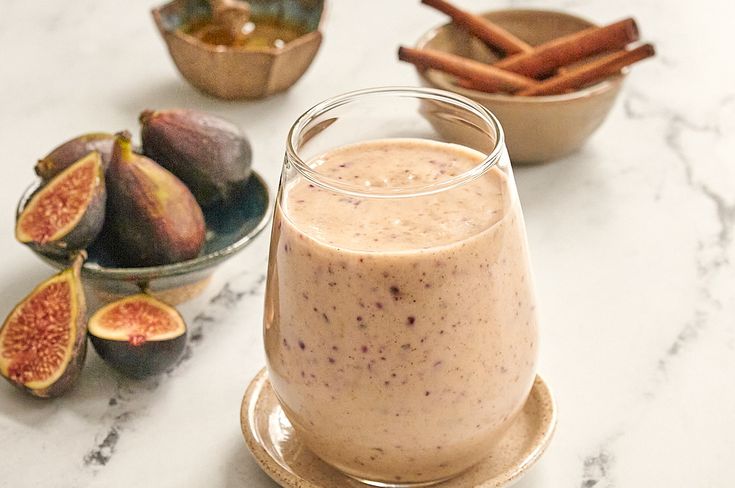
Image Credit: Pinterest
Ingredients:
- 3 dried figs (soaked overnight)
- 1 cup pasteurised almond milk
- 1 small banana
- 4–5 soaked almonds
- A pinch of cardamom (optional)
Method:
- Thoroughly wash and soak three dried figs overnight in clean drinking water.
- The next day, drain the soaked figs and rinse well with clean water.
- In a blender, add soaked figs, almond milk, banana, and almonds until smooth.
- You can add cardamom if you want to enhance the taste.
- Your smoothie is ready! Consume fresh!
2. Warm Fig Oat Porridge
This warm fig and oat porridge is like a warm hug. This porridge can help manage constipation and provide sustained energy, especially helpful during the second and third trimesters.

Image Credit: Pinterest
Ingredients:
- 2 fresh figs (chopped) or 3 soaked dried figs
- ½ cup rolled oats
- 1 cup pasteurised milk or plant-based milk
- 1 tsp crushed walnuts
- A pinch of cinnamon
Method:
- Cook oats with milk on low heat.
- Once oats are cooked well, add chopped figs and a pinch of cinnamon. Let it simmer until soft.
- Top with walnuts or pecans before serving!
FAQs
1. Which is better in pregnancy – fig fruit or dry fig?
You can choose to eat figs in whichever form you prefer during pregnancy. However, dried figs contain more antioxidant properties. Whatever your choice, make sure you select and store figs the right way to ensure proper nutrition.
2. Is it safe to consume fig juice during pregnancy?
Most women prefer eating the whole fig as opposed to drinking fig juice, as the process of juicing gets rid of primary nutrients such as fibre. Fig juice is also sugar-heavy, which can be of concern if consumed in excessive amounts. It is advised to opt for whole figs or dried figs rather than consuming fig juice.
3. Can you eat figs while breastfeeding?
Breastfeeding can be tiring for mothers, and they may often feel fatigued. Figs are high in natural sugars and can give you much-needed energy and replenishment while breastfeeding. You can eat ripe or dried figs as a snack or addition to meals.
Figs are not only delightful to eat but also help counteract some of the ill effects of pregnancy. However, before making them a part of your diet, check with your doctor if you should eat them. Do keep in mind that too much of anything can be detrimental to health, and figs are no exception.
Also Read:
Peanuts during Pregnancy
Eating Dates while Pregnant
Cashew Nuts during Pregnancy
Dry Fruits and Nuts in Pregnancy
Was This Article Helpful?
Parenting is a huge responsibility, for you as a caregiver, but also for us as a parenting content platform. We understand that and take our responsibility of creating credible content seriously. FirstCry Parenting articles are written and published only after extensive research using factually sound references to deliver quality content that is accurate, validated by experts, and completely reliable. To understand how we go about creating content that is credible, read our editorial policy here.
- Author
- Expert Reviewer
 About the Author
Aliya Khan
Related Articles
-

Beetroot in Pregnancy – Benefits, Risks, and Recipes
-
Eating Tulsi (Holy Basil) During Pregnancy
-
Paleo Diet During Pregnancy - Is It Safe?
-
Why Should You Avoid Eating Liquorice Root During Pregnancy?
-
Taking Folic Acid Before Pregnancy - Why Is It Important?
-
8 Effective Tips to Stay Healthy This Diwali