Dry Eyes in Pregnancy – Causes and Treatment
Experiencing itchy, dry, or watery eyes during pregnancy? Learn what causes it, how to ease the discomfort, and when to visit a doctor.





Medically Reviewed By
Dr. Sanjana Sainani
(Gynecologist/Obstetrician)

This content has been reviewed by a qualified expert and follows the FirstCry Parenting editorial policy to ensure accuracy and reliability.
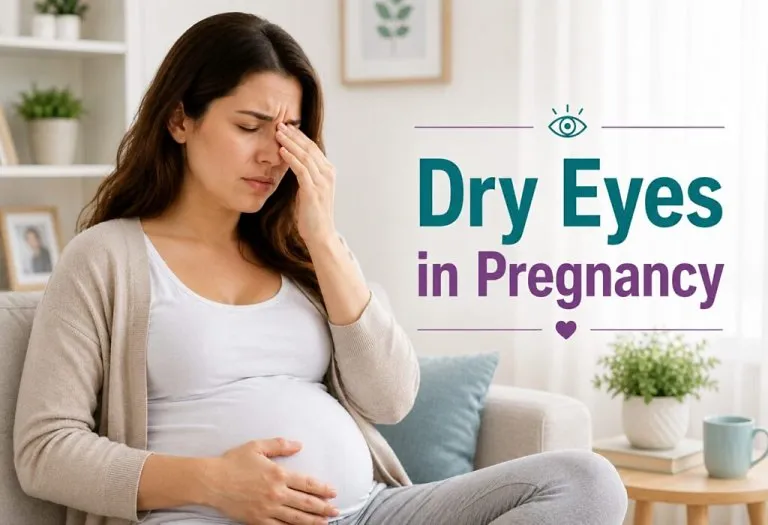
Dry eyes in pregnancy are a common but often overlooked side effect of hormonal changes that can temporarily reduce tear production and affect the quality of your tears. According to the American Academy of Ophthalmology (AAO), hormonal fluctuations during pregnancy can contribute to dry eye symptoms, making expectant mothers more likely to experience irritation, burning, redness, and blurred vision (1). The good news is that these symptoms are usually temporary and can often be managed safely with pregnancy-friendly treatments.
In this article, you’ll learn everything you need to know about dry eyes and pregnancy, including their causes, common symptoms, safe treatment options, effective home remedies, and practical tips to keep your eyes comfortable throughout your pregnancy.
Causes of Dry Eyes During Pregnancy
Eye dryness during pregnancy can develop for several reasons. Here are the most common causes:
1. Hormonal Changes
Hormonal changes are one of the major reasons for dry eyes, especially a decrease in the male androgen hormone. During delivery and nursing, these hormonal levels remain constant, but some women may continue to experience dry eye symptoms during nursing (1).
2. Decreased Tear Production
During pregnancy, hormonal changes usually cause a decline in tear production. Dry eyes are sure to occur when tears are produced in a smaller volume (2).
3. Oil Gland Production
During pregnancy, the oil glands act differently than they normally do. These oil changes can block the production of lipids that are functioned to lubricate the eye. The consistency of the tears is changed due to this reduction in lipids and oils. As a result, a dry eye is caused when blinking because there is nothing to prevent the eyelids from rubbing against the eye.
4. Increased Tears
Some women experience an increase in tear production which is an exact opposite of what most women experience. When the ocular surface is irritated, it reflexively produces poor-quality tears to eliminate the irritant and lubricate the eye.
5. Dehydration
Pregnancy increases your body’s need for fluids to support both you and your growing baby (3). If you don’t drink enough water or experience frequent vomiting due to morning sickness, dehydration can reduce tear production and worsen dry eye symptoms. Staying well-hydrated is essential for maintaining healthy eyes.
Symptoms of Dry Eyes in Pregnancy
Though generally harmless, having dry eyes in pregnancy can be very uncomfortable and annoying. Some of the symptoms include (4):
- Sticky eyelids, usually when you wake in the morning
- Red or sore eyes
- Moments of blurred vision, which usually goes when you blink
- A gritty feeling in the eyes that tend to become worse as the day goes on
- Itchy eyes
- Sensitivity to light (photophobia)
- Eye fatigue or discomfort, especially after reading or screen use
How to Treat Dry Eyes During Pregnancy?
Fortunately, a combination of simple self-care measures and pregnancy-safe treatment options can help keep your eyes well-lubricated and reduce irritation. Here are some effective ways to manage dry eyes during pregnancy.
Medical Treatments
The following medical treatments may be considered for managing dry eyes during pregnancy.
1. Artificial Tears
To lessen the irritation and discomfort of the dry eye syndrome, artificial tears can be used. They are safe to use during pregnancy and nursing. The artificial tears that replace part of the lipid layer in tears are very helpful. If you wear contacts, make sure that you choose appropriate lens re-wetting eye drops (5).
2. Punctal Occlusion
Plugging your tear ducts, also called punctal occlusion, is a medical procedure that involves blocking your puncta. A puncta is a small opening in the corners of the eye that drains tears. When the puncta is blocked there is an increase in the tears to bathe the front part of the eye. Punctal occlusion is a safe procedure for pregnant women (6).
Home Remedies
Here are some effective home remedies to help soothe dry eyes during pregnancy.
1. Warm Compressions
The Meibomian glands can be opened up and stimulated by gently giving warm compressions on the eyes. This restores the glands to normal by bringing proper blood flow to the required area (7).
2. Stay Well Hydrated
Drink plenty of water throughout the day to support your body’s increased fluid needs during pregnancy. Proper hydration helps maintain healthy tear production and can reduce the severity of dry eye symptoms.
3. Follow the 20-20-20 Rule
If you spend long hours using digital devices, take a break every 20 minutes by looking at something 20 feet away for at least 20 seconds. This habit encourages regular blinking and helps prevent tears from evaporating too quickly (8).
4. Use a Humidifier
Dry indoor air can worsen eye dryness, especially in air-conditioned or heated rooms. Using a humidifier adds moisture to the air, helping keep your eyes better lubricated and more comfortable.
What Increases the Risk of Dry Eye in Pregnancy?
Although any pregnant woman can develop dry eyes, certain health conditions and lifestyle factors may increase the risk. Below are the most common factors:
- Contact Lens Use: Wearing contact lenses during pregnancy may become less comfortable due to reduced tear production and changes in the cornea.
- Excessive Screen Time: Prolonged use of digital devices reduces blinking, causing tears to evaporate faster and worsening dry eye symptoms.
- Dehydration: Not drinking enough fluids or losing excess fluids from morning sickness can decrease tear production and increase eye dryness.
- Dry or Windy Environments: Exposure to air conditioning, indoor heating, wind, smoke, or low humidity can accelerate tear evaporation and irritate the eyes.
- Pre-existing Dry Eye or Autoimmune Conditions: Women with a history of dry eye syndrome or autoimmune disorders, such as Sjögren’s syndrome (9), may be at a higher risk of experiencing more severe symptoms during pregnancy.
When to Consult a Doctor?
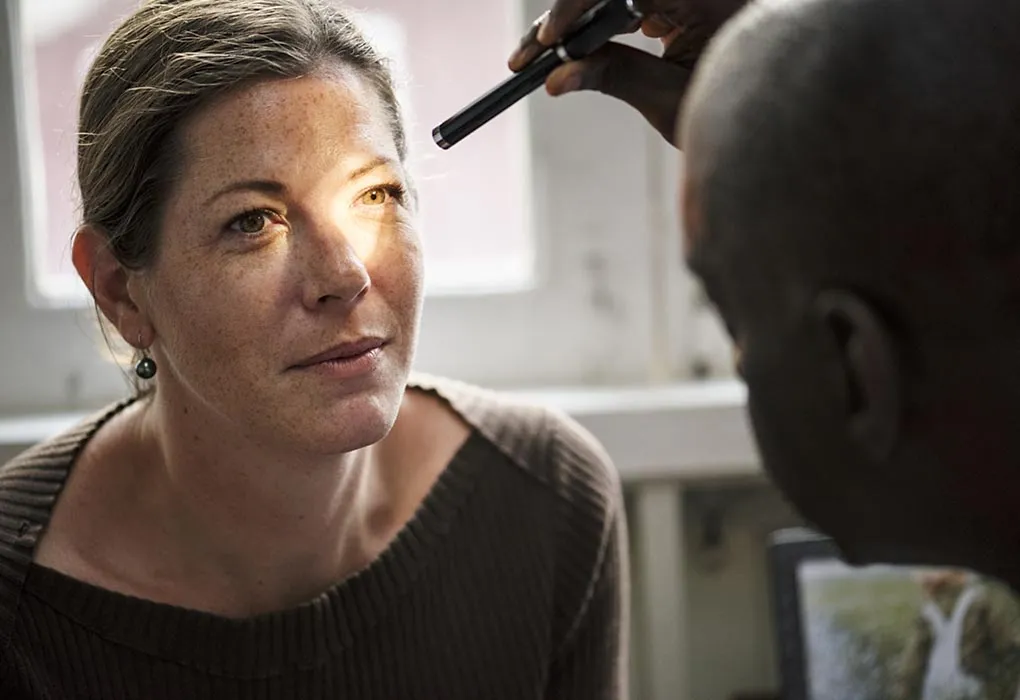
See a doctor if your symptoms are becoming worse. You may have a bacterial infection and need antibiotic drops. Visit a gynaecologist if you see flashes or flickering because these symptoms could be an early indication of pre-eclampsia. This is an implication of high blood pressure. Flashes and flickering may also be an indication of impairment of the retina. In such cases, consult an eye doctor.
FAQs
1. Will dry eyes go away after pregnancy?
In most cases, yes. Dry eye symptoms usually resolve within a few weeks or months after delivery as hormone levels stabilise. If symptoms continue, consult an eye care specialist for further evaluation.
2. Can I wear contact lenses if I have dry eyes during pregnancy?
Yes, but contact lenses may become less comfortable during pregnancy due to reduced tear production and changes in the shape of the cornea. If discomfort persists, consider wearing glasses more often until your symptoms improve.
Dry eyes are a common symptom of pregnancy and may be distressing for women. However, it is important that you do not self-medicate. Consult a doctor who will recommend safe remedies for dry eyes during pregnancy.
Also Read:
Dark Circles while Pregnant
Conjunctivitis (Pink Eye) in Pregnancy
Dealing with Eye Infections during Pregnancy
Was This Article Helpful?
Parenting is a huge responsibility, for you as a caregiver, but also for us as a parenting content platform. We understand that and take our responsibility of creating credible content seriously. FirstCry Parenting articles are written and published only after extensive research using factually sound references to deliver quality content that is accurate, validated by experts, and completely reliable. To understand how we go about creating content that is credible, read our editorial policy here.
1. American Academy of Ophthalmology – Ocular Changes in Pregnancy
2. PubMed Central – Pregnancy and Dry Eye Syndrome: A Review for Clinical Practice
3. PubMed Central – Nutrition Column An Update on Water Needs during Pregnancy and Beyond
4. UCI Gavin Herbert Eye Institute – Dry Eye
5. Cleveland Clinic – Artificial Tears
6. American Academy of Ophthalmology – Punctal Occlusion
7. Cleveland Clinic – Meibomian Gland Dysfunction
8. American Optometric Association – 20-20-20 rule and digital eye strain
- Author
- Expert Reviewer


Related Articles
-

Non-Invasive Prenatal Testing (NIPT) - Purpose, Risks and Accuracy
-
When to Start Buying Baby Stuff - The Right Timeline to Know
-
Breastfeeding While Pregnant - Is It Safe?
-
Back Pain During Pregnancy – Types, Reasons & Remedies
-
Pregnancy Induced Hypertension (PIH) - Causes, Symptoms, and Treatment
-
Surprising Positions To Relieve Gas While Pregnant