
How Vitamin D May Affect Fertility and Conception
Understanding how Vitamin D levels may influence reproductive health and fertility in both men and women.





Medically Reviewed By
Dr. Sukriti Sharma
(Obstetrician and Gynaecologist)

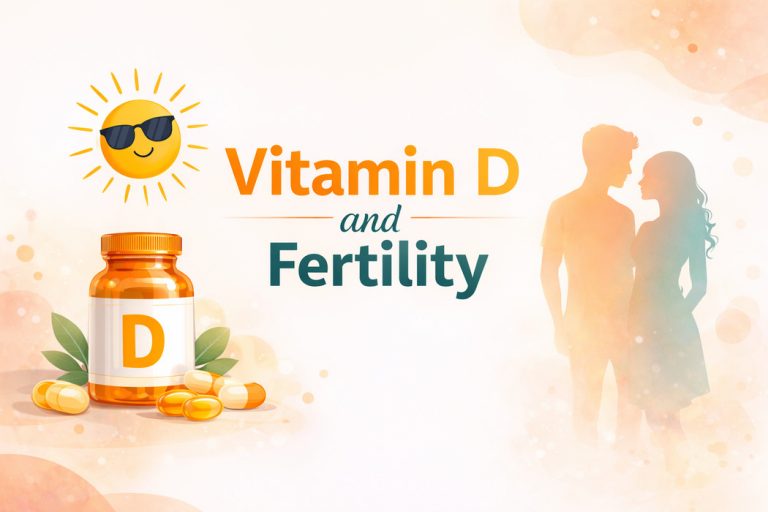
Image Credit : AI Generated Image
This health content has been medically reviewed by qualified experts and follows the FirstCry Parenting editorial policy to ensure accuracy and reliability.
Couples who struggle to conceive are often unaware of infertility issues or other health conditions that may make pregnancy difficult. One of the factors that can influence fertility is nutrition. Eating a balanced diet that provides essential vitamins and minerals may help support reproductive health.
Vitamin D is one such nutrient that plays an important role in many bodily functions, including fertility. This article explains how vitamin D may support fertility, its possible benefits, and the best ways to include it in your routine.
What Is Vitamin D?
Vitamin D is a nutrient that is synthesised in the skin in response to sunlight exposure. In addition to sunlight, this important nutrient can also be obtained through certain foods and supplements (1). Often referred to as the “sunshine vitamin,” vitamin D functions more like a hormone in the body. It is a fat-soluble nutrient that supports several vital functions, including maintaining bone health, strengthening the immune system and reproductive health, preventing autoimmune diseases like rheumatoid arthritis and multiple sclerosis, and ensuring several metabolic functions.
According to Mayo Medical Laboratories, serum 25(OH)D values between 20 and 50 ng/mL are considered optimal (2). Vitamin D’s effects on women’s reproductive health are also significant. Let’s learn more about this nutrient’s effect on fertility.
How Does Vitamin D Help to Improve Fertility?
Vitamin D is associated with several health benefits, and research suggests it may also play a role in reproductive health. This nutrient influences fertility through its involvement in the production of sex hormones, which are important for regular ovulation and overall fertility. Balanced hormone levels and sufficient levels of vitamin D have been linked to enhanced fertility, healthier pregnancies, and a lower likelihood of reproductive issues, such as polycystic ovary syndrome (PCOS), PMS, endometriosis, and other infertility-related issues (2).
Sufficient vitamin D level positively influences the outcome of in vitro fertilisation (IVF) regardless of age, body mass index (BMI), ethnicity, or the number of embryo transfers. There is a strong correlation between vitamin D levels and success rates; for every nmol/L rise in the vitamin D content of the follicular fluid, the likelihood of achieving clinical pregnancy increases by 2.4%. Vitamin D also supports AMH production, promotes the longevity of the preantral follicle, and facilitates the development of the antral follicle (3).
Vitamin D may also influence male fertility. Low vitamin D levels have been linked to reduced sperm motility, low sperm count, and other issues (3). For this reason, maintaining healthy vitamin D levels may support the chances of conception for both partners.
Ideal Vitamin D Level for Fertility & Successful Pregnancy
Some studies suggest that adequate vitamin D levels may improve the success rates of certain fertility treatments. However, there has not been enough scientific evidence available on the exact level required for conception. According to MedlinePlus, the general daily vitamin D requirement for adults aged 19 to 70 years is 600 IU (international units) (1).
In a 2023 research published in the Endocrine Practice, women with 25-OH vitamin D levels (≥50 nmol/L) above 30 ng/ml found improved chances of pregnancy following the IVF therapy (4). However, more large-scale studies are needed to confirm the exact role of vitamin D in fertility outcomes.
How to Get More Vitamin D
The amount of vitamin D requirements may vary from person to person; therefore, before you follow any of the below-mentioned recommendations to pep up your vitamin levels, you should get a lab test done. Here are some ways of getting more vitamin D:
1. Exposure to Sunlight
Sunlight is one of the best and most effective ways of getting your daily dose of vitamin D (5). You may bask in unprotected and unadulterated sunlight for approximately 15 to 20 minutes every day.

2. Food Sources
If you are not able to avail the sunlight benefit, you may consider including some of the following food items to pep up your vitamin levels (6):
- Egg yolks
- Cod-liver oil
- Mackerel
- Salmon
- Sardines
- Grass-fed beef
- Shiitake and button mushrooms

These are some of the sources of vitamin D-rich foods that you may consume.
Vitamin D Deficiency and Fertility
Though there are still many ongoing studies to prove the relation between vitamin D deficiency and fertility and reproductive capacity, there is substantial evidence available which indicates positive effects of vitamin D supplementation on conception through IVF. There has also been a study indicating the positive effects of this vitamin on male fertility.
A study from Yale revealed that only 7% of 67 women experiencing infertility had sufficient vitamin D levels. At the same time, research has shown a strong relationship between vitamin D levels in the body and the success rates of in vitro fertilization.
So, if you are wondering, can low vitamin D cause infertility? Well, to get a foolproof answer to that question, we may have to wait until more substantial studies come forward. Meanwhile, you may increase your vitamin D intake if you are planning to get pregnant to improve your chances of conception.
Should You Take Vitamin D Supplements to Boost Fertility?
Self-medication or taking any kind of supplements on your own may not be a good idea. Vitamin D supplements must be taken if it has been prescribed by your doctor. Before prescribing any kind of supplements to you, your doctor will first establish your deficiency levels by suggesting some lab tests. Your doctor may recommend supplements that may contain vitamin D3 with vitamin K2. Vitamin K2 is very important for the proper absorption of calcium and vitamin D by the bones, and it also ensures that it does not go into the arteries.
You may be prescribed supplements to pep up your fertility, but they cannot replace any fertility treatment that you may have to undergo. Therefore, if you are 35+ years and you have been having unprotected sex for more than 6 months, you should meet a specialist to get your reproductive health assessed before you plan to take any vitamin D supplements.
Vitamin D can be easily produced by our body if we get adequate amounts of sun exposure. However, multiple factors may affect the absorption of this vitamin by your skin. Well, this may happen if you are a dark-skinned woman or if you are overweight. If you have any such issues that may interfere with your natural vitamin D absorption, you may like to meet with your doctor, especially when you are trying to get pregnant.
A healthy body is vital to conceiving and nurturing a baby in your womb. Therefore, if you plan to get pregnant, you may like to get yourself thoroughly examined to see if your body has any kind of deficiencies. Once any kind of deficiency is established, your doctor may help guide you on how to overcome that. Talk to your healthcare provider to know more about vitamin D deficiency.
Also Read:
Best Herbs to Boost Fertility
Super Effective Ways to be More Fertile
Best Foods That Can Boost Your Fertility
Natural Ways to Increase Fertility in Men and Women
Was This Article Helpful?
Parenting is a huge responsibility, for you as a caregiver, but also for us as a parenting content platform. We understand that and take our responsibility of creating credible content seriously. FirstCry Parenting articles are written and published only after extensive research using factually sound references to deliver quality content that is accurate, validated by experts, and completely reliable. To understand how we go about creating content that is credible, read our editorial policy here.
- Author
- Expert Reviewer