
Can You Get Pregnant Naturally With Low AMH?
Low AMH doesn't always mean you can't conceive. Learn your chances of natural pregnancy and what factors matter most.





Medically Reviewed By
Dr. Sabiha Anjum
(Gynecologist/Obstetrician)


This health content has been medically reviewed by qualified experts and follows the FirstCry Parenting editorial policy to ensure accuracy and reliability.
Many couples tend to believe that there is a strong link between low AMH levels and natural pregnancy success rates. However, AMH mainly reflects ovarian reserve rather than egg quality. The ‘Anti-Müllerian Hormone’ is secreted by the follicles in your body, which are responsible for creating the egg reserves. Since healthy ovulation can still occur despite low Anti-Müllerian Hormone, understanding the hormone’s role alongside age, overall reproductive health, and fertility history can provide a more accurate picture of natural conception chances.
What Is Low Anti-Müllerian Hormone?
The Anti-Müllerian Hormone, or AMH, has a specific standard level based on the age of a woman. As age increases, AMH levels begin to decline, depending on the woman’s physical and biological constitution. If these levels fall below a certain threshold, they can substantially impact a woman’s fertility (1). As per the Cleveland Clinic, AMH low meaning is fewer eggs and a lower ovarian reserve (2).
Standard AMH Levels Based on Age
When tracking the AMH levels, the values and their link to the fertility of a woman are usually dependent on the woman’s age. On a general basis, any presence of an AMH level under 1 nanogram per ml is not a good sign, since it usually marks a presence of reduced reserves of eggs. A general value of AMH based on your age is as follows:
| Age (in years) | AMH value (in ng/ml) |
| 25 – 30 | 5.4 |
| 30 – 35 | 3.5 |
| 35 – 40 | 2.3 |
| 40 – 43 | 1.3 |
| 43 and above | 0.7 |
How to Detect Low AMH?
Doctors prescribe an anti-müllerian hormone (AMH) test, which measures the amount of AMH in a blood sample (3). The test can help you get a precise level of the hormone and detect low AMH if there is any.
Causes of Low AMH Levels
The reasons why a woman might experience low AMH levels are not deterministic. The causes of low AMH levels depend on a number of factors and can range from personal individual conditions to other aspects beyond our control.
- Unsafe or inappropriate environmental conditions could expose your body to certain substances that may affect the levels of AMH in your body.
- Genetic reasons are a major contributor as well. If your mother or other members of your family suffer from low AMH levels, chances are you might face the same as well.
- The presence of endometriosis, causing the uterine tissue to grow outside instead of within the uterus, has also been termed a factor leading to reduced levels of AMH in the body.
- The fertility of a woman reduces substantially as her age increases. While various factors play a role in this, with increasing age, AMH levels are lower in the body, affecting clinical pregnancy (4).
- Progesterone and estrogen are just a few hormones responsible for maintaining fertility. If there is an imbalance in their levels or in other hormones, they could have an impact on AMH levels, too.
- Despite ruling out numerous factors, from age to environment, as well as hereditary conditions, there might exist certain aspects that are unknown and have a substantial effect on the AMH levels of your body.
What Are the Symptoms of Low AMH?
Unfortunately, there are no typical signs or conditions that can clearly indicate the reduced level of AMH in your body. However, some women have experienced erratic periods or a total absence of them for a few months as a result of low AMH.
Does Low AMH Affect Fertility?
Low AMH does not indicate infertility but is a determinant of reduced reserves of the ovaries. Fertilisation may still occur successfully in certain cases, but with increasing age, the chances of miscarriage and abnormal embryo development are also higher.
What Are the Chances of Getting Pregnant With Low AMH?
The chances of achieving low AMH pregnancy success are not as dismal as they seem. Women under the age of 35 can still get pregnant with a low AMH level. This may not be true for older women since different factors that affect fertility come into play as well.
Women with low AMH can get pregnant naturally. A study reported a 35-year-old woman with critically low AMH achieved spontaneous conception three times, making natural conception possible with expert guidance (5).
Can Diet and Lifestyle Lower AMH Levels?
Poor lifestyle and poor intake of nutrients such as vitamin D, antioxidants, and essential fatty acids may affect overall reproductive health. While diet alone is not a direct cause of low AMH, maintaining a balanced nutritional diet can help support healthy ovarian function and conceive without any problem.
Other factors that lead to low AMH fertility are:
1. Smoking and Tobacco Use
Research has linked smoking with accelerated ovarian ageing and reduced ovarian reserve (6). Women who smoke may experience a faster decline in reproductive hormones compared with non-smokers.
2. Chronic Stress and Lifestyle Habits
Persistent stress, inadequate sleep, and sedentary lifestyles can cause hormonal imbalance. Although they may not directly lower AMH levels, they can influence overall fertility health.
3. Weight and Metabolic Health
Being significantly underweight or overweight may affect reproductive hormones and ovulation patterns. Maintaining a healthy weight supports better fertility outcomes and overall reproductive wellness.
How to Treat Low AMH to Get Pregnant?
While there are a few natural ways that might be useful in treating low AMH, such as yoga or even acupuncture, there are two major medical approaches you can take that have shown strong signs in achieving pregnancy even with low AMH levels.
1. Opting for IVF as a Means to Treat Low AMH
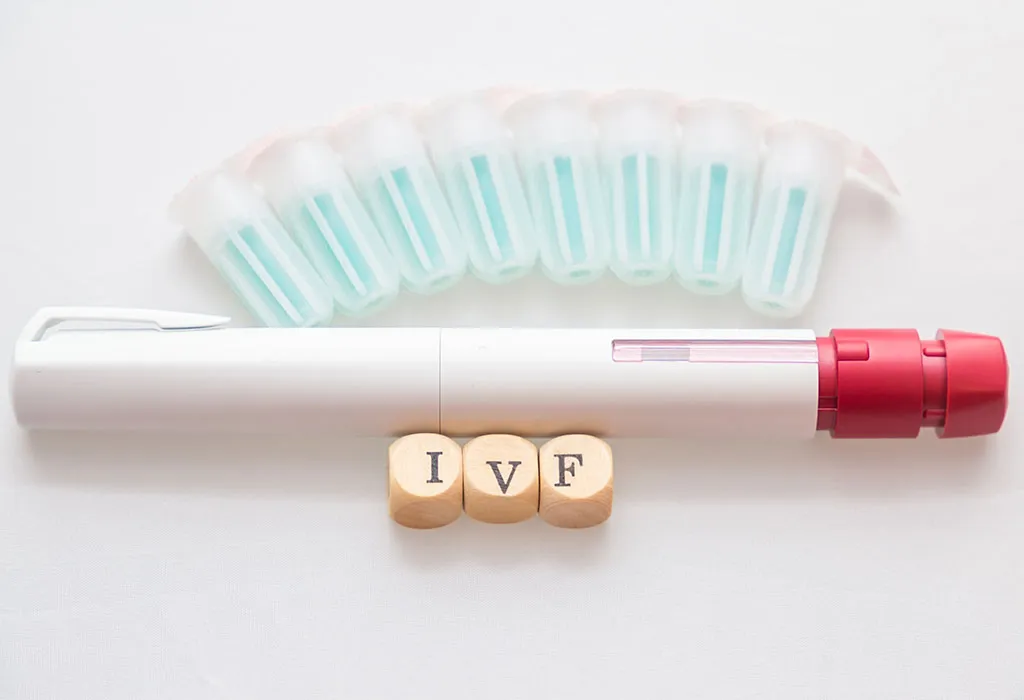
IVF has been a popular procedure for various couples when it comes to treating infertility. It all begins by stimulating the ovaries since IVF highly depends on the collection of a substantial number of eggs. Stimulation injections are administered on a daily basis. These play a vital role in causing the ovaries to develop multiple eggs instead of a single one. A larger number of eggs increases the possibility of developing multiple healthy embryos at a later stage. The entire procedure may continue for around 2-3 weeks, where the stimulation frequency and strength is based on each woman’s biological aspects. Ultrasound scans help keep a check on the development of follicles, accompanied by monitoring the levels of serum in the blood.
Once the scans determine that the follicles have reached a good proportion, the procedure for retrieving the eggs is commenced. Since the eggs need to be released from the body, a stimulant is injected that kicks the body into the ovulation stage. It takes a day and a half to reach a stage where eggs can be collected. The entire process takes 15-20 minutes and usually takes place under light sedation to avoid feeling any uncomfortable sensations. Once the eggs are procured, they are fertilised with the sperm of your choosing, either in a petri dish or by injecting them right into the egg. The embryo, once formed, is transferred to the uterus and allowed to implant naturally.
2. Going Ahead with Eggs Procured From a Donor to Achieve Pregnancy
As is clear from the entire process of IVF, the most crucial aspect for it to be successful is obtaining a good amount of healthy eggs from a woman’s body, after stimulation and ovulation. However, if the levels of AMH are extremely low, the number of eggs might be insufficient, or their constitution may not be conducive to being fertilised or forming a healthy embryo successfully. In such a scenario, opting for an egg donor is a better alternative.
The difference in the process between IVF and egg donation is quite minimal. Where eggs are obtained from your body in IVF, the eggs here are procured from a donor of your choice or from a clinic that stores frozen eggs for fertility purposes.
These eggs then undergo the same procedure as IVF, following the egg procurement. Your partner’s sperm will be used to fertilise these eggs and form an embryo, which is then transferred to the uterus.
How to Get Pregnant Naturally with Low AMH?
While the above-mentioned medical procedures do have a strong chance of helping you achieve pregnancy despite having low AMH levels, you can even attempt to get pregnant the natural way if you are up to it. Making certain lifestyle changes and diet adjustments can help you achieve success as long as you keep trying.
1. Opting for a Fertility Massage
A fertility massage is an option chosen by women even if their AMH levels are fine. This is primarily because the effects of the massage are all-encompassing and it helps create a conducive environment within your body for getting pregnant. By using specific oils and massage techniques, this fertility massage helps enhance the blood circulation in your uterine region, reduce the physical and mental stress, helps reset the hormone levels to a proper one, and even set the menstrual cycle at a proper frequency.
2. Eating Wheat Germ on a Daily Basis
Women looking to get pregnant are strongly advised to have a good intake of wheat germ, whether in the form of oil or even pearl tablets. This is quite beneficial for men as well. Wheat germ consists of selenium and zinc, both of which play a vital role in improving the condition of the sperm as well as the fallopian tubes in the body. With stronger sperm and an easier way to transport them to the egg, your chances of pregnancy can increase as a result.
3. Consuming DHEA Tablets Multiple Times in a Day
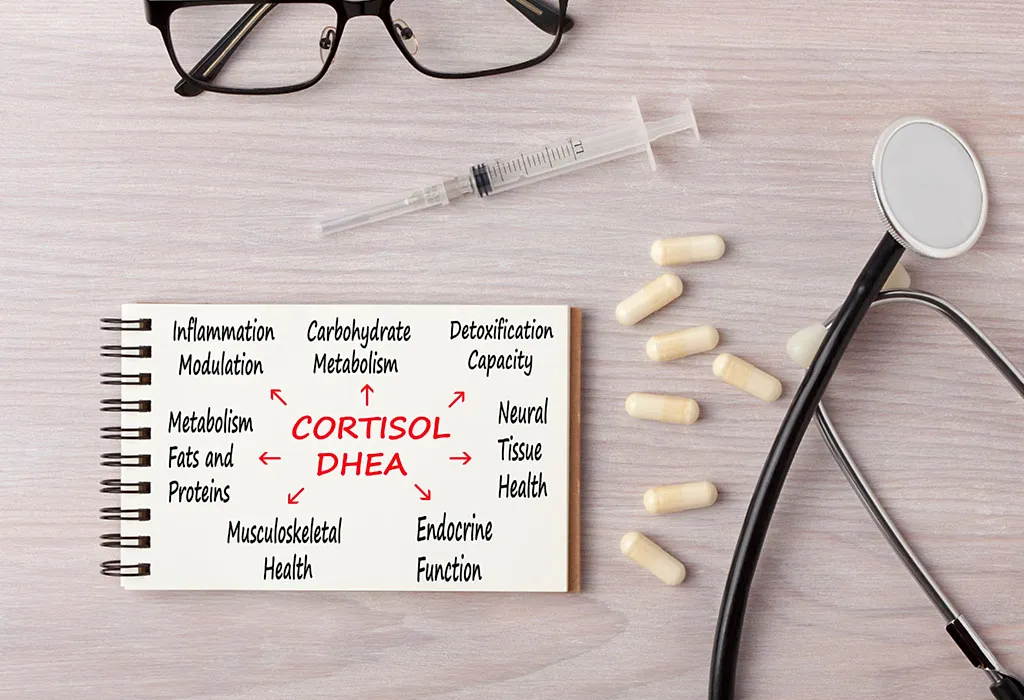
The increasing age of a woman can impact her chances of getting pregnant in a major way. One of the key factors that are affected as a result of ageing is the ovarian reserve. Increasing age tends to reduce the number of eggs as well as their quality, which can make it difficult to achieve pregnancy. DHEA, or dehydroepiandrosterone, is a hormone responsible for replenishing the hormonal reserves to a healthy level. By taking 25mg DHEA tablets 3 times a day, you can help improve egg quality and even support an ongoing IVF process.
4. Undergoing Acupuncture Sessions
There is no conclusive evidence that proves a connection between acupuncture and fertility improvement, but many women who have opted for it have walked away with great results. Acupuncture helps trigger certain areas within the body and optimise their functioning. Certain acupuncture specialists have a good understanding of the bodily areas responsible for fertility and can help you restore it to a good level once again. Even women opting for IVF should give acupuncture a try for a few months before going ahead with the procedure.
5. Yoga Exercises to Control Your AMH Levels
The reduction in AMH levels is also dependent on your mental makeup. Being stressed and tired can seriously bring down your AMH levels considerably. Engage in yogic exercises, deep breathing, and muscle relaxation poses, as these can help restore calm and quiet to the mind, and work in healing your body from within.
When to Consult a Doctor?
You can consider consulting a doctor if:
- You are trying for a pregnancy without success
- Your AMH is significantly lower than expected for your age
- Your age is 35 years or above
- You have an irregular menstrual cycle
It’s best to consult a doctor and rule out the possibilities of issues that could be delaying pregnancy rather than leaving everything to chance.
FAQs
1. Can I get pregnant naturally with low AMH?
Yes, you can. Low AMH levels in the body do not necessarily prevent natural conception, especially if you continue to ovulate regularly.
2. Does low AMH mean poor egg quality?
Not always. AMH primarily reflects egg quantity (ovarian reserve) and not egg quality.
3. What AMH level is considered low?
Reference ranges vary between laboratories, so results should always be interpreted by your fertility specialist.
4. Can AMH levels improve naturally?
Since AMH generally declines with age, certain lifestyle improvements can help support reproductive health. But significant increases in AMH are uncommon. That does not mean you focus on your health or lifestyle. Continue to eat healthily, exercise regularly, and take necessary prescribed supplements to improve your Anti Mullerian Hormone low levels.
5. Is IVF the only option for women with low AMH?
No, IVF is not the only option for conceiving if your AMH levels are low. Many women with low AMH conceive naturally. Your doctor can prescribe certain medications or supplements for low AMH.
6. Do low AMH levels mean menopause?
Low AMH does not necessarily mean menopause. It suggests reduced ovarian reserve. Many women with low AMH continue to have regular menstrual cycles for years.
Many couples often wonder if people with low AMH conceive naturally or should they opt for advanced medical procedures to make it happen. The right decision for you can be determined by attempting natural techniques while keeping an open mind for IVF or egg donation as a last resort.
Also Read:
Keys to a Successful IUI
How to Get Pregnant Fast
Delayed Ovulation Affect your Chances of Pregnancy
Was This Article Helpful?
Parenting is a huge responsibility, for you as a caregiver, but also for us as a parenting content platform. We understand that and take our responsibility of creating credible content seriously. FirstCry Parenting articles are written and published only after extensive research using factually sound references to deliver quality content that is accurate, validated by experts, and completely reliable. To understand how we go about creating content that is credible, read our editorial policy here.
- Author
- Expert Reviewer