
Diet After C Section Delivery – Foods to Eat and Avoid
A helpful guide on foods to eat and avoid for better healing and recovery after a C-section.




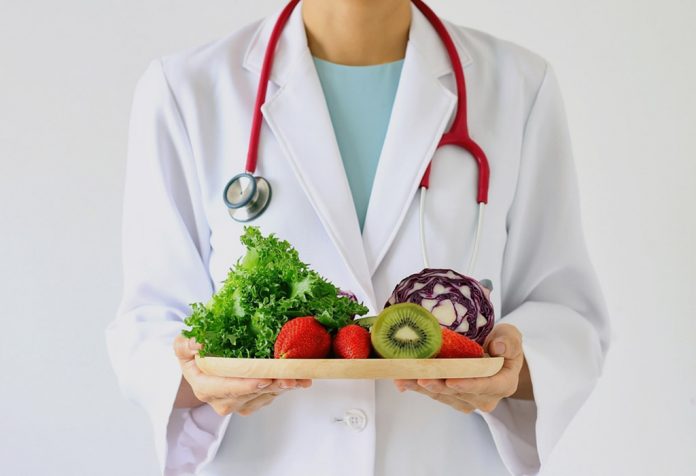
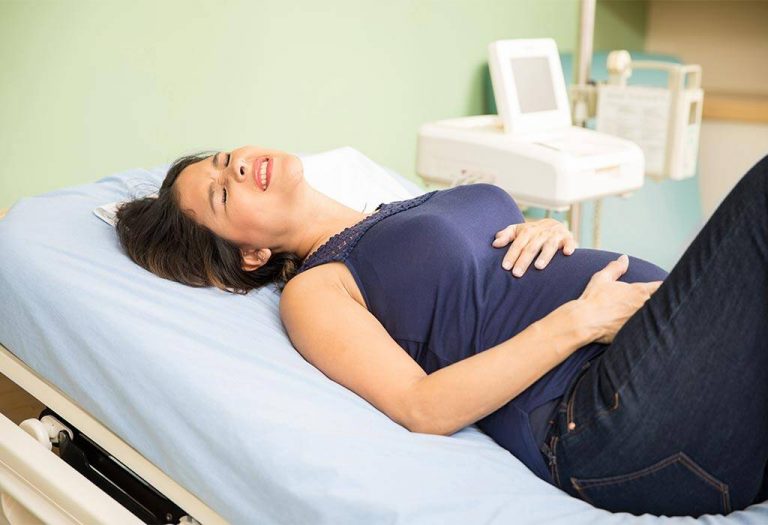
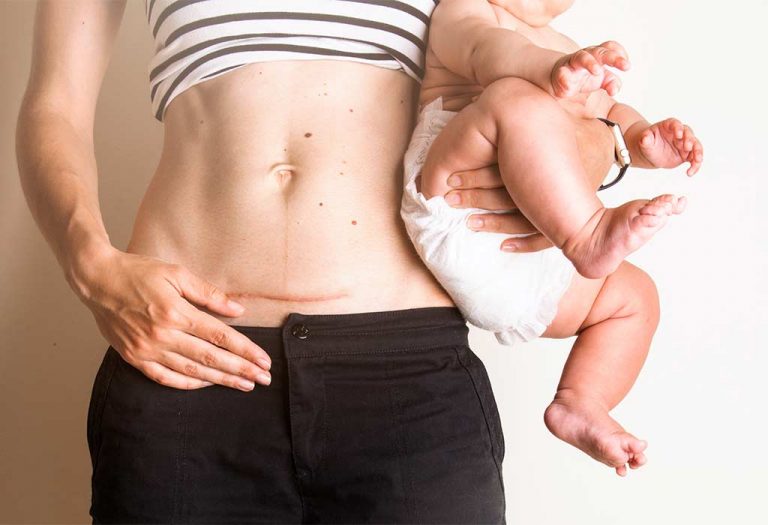
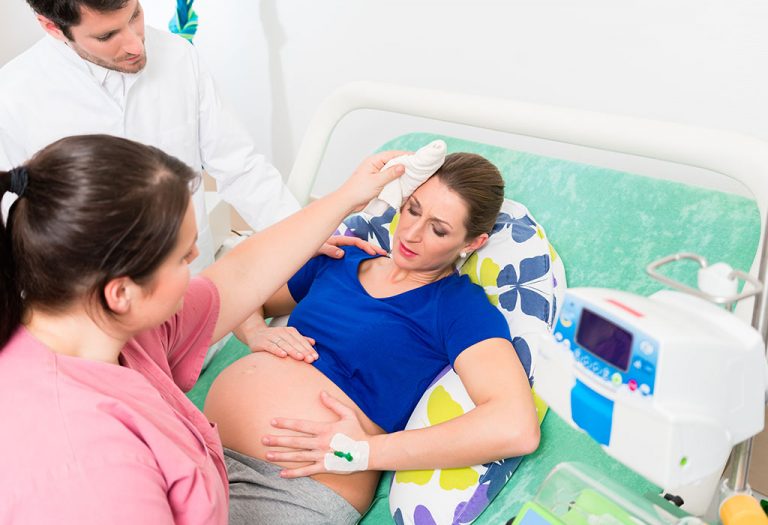
A lot of C-section or caesarean deliveries happen as a result of a complication or unforeseen circumstances. The process of delivery by C-section can be difficult and painful, as it can exhaust the mother both mentally and physically. In order to recover from the surgery, the mother will need ample rest and a healthy diet after cesarean delivery. The mother needs to be closely monitored during the first few weeks after the C-section, and she should be assisted to recover mentally and physically from the stress of the delivery. In this article, we’ll look at the best diet after a C-section, top Indian foods to support the C-section recovery, what to avoid, and important tips. Keep scrolling!
Why Is Nutrition After Delivery Important?
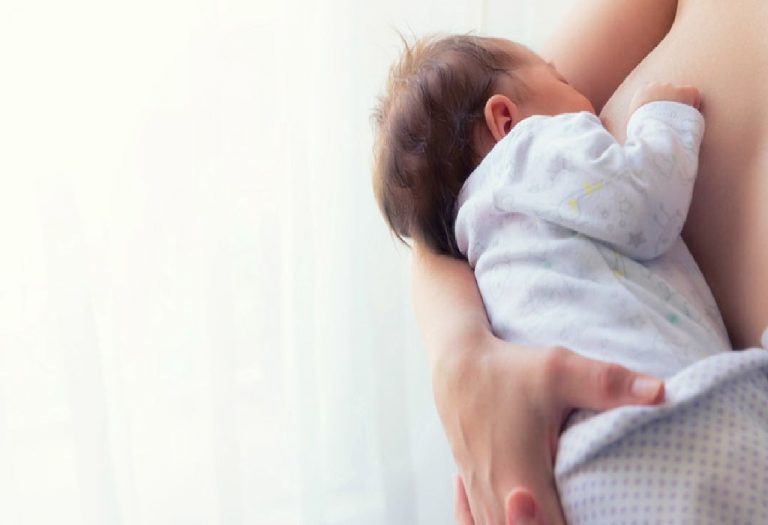
The mother’s diet after delivery is very important not only because it aids her speedy recovery, but also because she needs to breastfeed the newborn. The American Academy of Paediatrics and WHO recommend exclusive breastfeeding for the first 6 months and breastfeeding at least through the first year of life (1) (2).
Breast milk is the baby’s only source of nutrition during the first few months, so it is important to ensure the mother has a healthy diet. Good nutrition, along with ample rest, speeds up the healing of the abdominal wall and the uterus, which are slit during the C-section.
According to the Dietary Guidelines for Americans (DGAs), breastfeeding women need about 500 additional calories per day more than what is recommended for non-pregnant women. During pregnancy, most women accumulate an additional 2 to 5 kg (19,000 to 48,000 kcal) of tissue, primarily in the form of fat, as a natural preparation for breastfeeding. If women fail to take in extra calories, their body utilises the reserves to support lactation. It is common for breastfeeding women to shed 0.5-1.0 kg per month following the first month after giving birth (3).
Thus, proper nutrition is highly essential post-delivery.
Also Read: Indian Foods to Eat After Delivery
Diet to Follow Immediately After Caesarean Section
In addition to providing good nutrition to the baby and assisting in healing the mother’s body, a good diet is also important for proper digestion and easy bowel movements that don’t strain the abdomen. The diet to be followed immediately after caesarean delivery should be rich in critical nutrients such as proteins, minerals, calcium, fibre, and iron.
Constipation is one of the major problems women face after delivery. The reasons for these are many, such as the high levels of iron in prenatal supplements, drugs used during surgery, dehydration, and weak pelvic muscles post-delivery. Even breastfeeding may increase the risk of dehydration and lead to constipation (4). However, another reason why new moms suffer from constipation is psychological – the fear that their stitches might get affected or that they might hurt.
To make sure that constipation isn’t because of physiological changes post-delivery, here’s what you can do –
- Drink warm liquids
- Eat fibre-rich foods (explained in detail below)
- Avoid caffeine
Also Read: Diet for Healthy Weight Loss After Delivery
Best Diet After C-section
Drawing a diet plan with what to eat after caesarean delivery and what to avoid should be planned carefully. The diet should be a mix of foods which will supply essential nutrients in sufficient quantities to the mother. Listed below are items which should be included in a mother’s diet after a C-section for a speedy recovery (5):
1. Protein, Minerals and Calcium-rich Food
Proteins help in the growth of new tissue cells, which quicken the healing process. Foods rich in protein facilitate the repair of tissues and maintain muscle power post-surgery. Calcium, on the other hand, strengthens bones and teeth, relaxes the muscles, aids blood coagulation and prevents osteoporosis. During breastfeeding, 250 to 350 mg of calcium is transferred to the newborn baby.
- Low-fat dairy products such as skimmed milk, low-fat yoghurt, cheese, beans, and dried peas are excellent sources of protein and vitamins (6).
- Pulses are rich in protein content.
- Sesame seeds are rich in iron, copper, calcium, phosphorus, and magnesium.
2. Whole Grain Foods
Whole-grain foods such as pasta, brown bread, and brown rice should be part of your diet, as they are rich in carbohydrates that help maintain energy levels and support breast milk production. Enriched whole grain products have iron, fibre and folic acid, which are essential in the early stages of development of the baby. Mothers who are experiencing sleepless nights and morning irritation should start their day with a whole-grain cereal breakfast.
3. Vitamin-rich Foods
Vitamins are rich in antioxidants and help in repairing tissues. Vitamins assist in the production of collagen in the body, which helps build new scar tissue, ligaments, and skin.
- Vegetables like broccoli, spinach, and fenugreek leaves are good sources of vitamins A and C, as well as dietary calcium and iron.
- Vegetables and fruits like oranges, papayas, watermelons, strawberries, grapefruits, and sweet potatoes are rich in vitamin C, which helps combat infections and strengthen immunity.
4. Fibre-rich Foods
Constipation can delay healing by putting pressure on wounds and incisions, and fibre is a necessary nutrient that helps prevent constipation by ensuring smooth bowel movements (7).
- Raw fruits and vegetables add roughage to the diet and help relieve constipation.
- Oats and ragi are high in fibre content and are also rich sources of carbohydrates, calcium, proteins and iron.
- Lentils, green grams and pulses can also be included in the diet for their protein and fibre content.
5. Easy-to-digest Foods
The body accumulates gas after giving birth. New mothers should avoid foods that cause gas and constipation. During the period after the C-section, you should avoid consumption of junk food and carbonated drinks and consume food items such as soup, cottage cheese, broth, yoghurt and other items which are easily digested by the body.
6. Iron-rich Foods
Iron maintains haemoglobin levels in the body and helps replace blood lost during delivery. Iron also supports the immune system. Food items, such as egg yolk, red meat, oysters, beef liver and dry fruits are rich sources of iron. The recommended iron intake for women beyond 19 years is 18 mg per day. Excessive iron consumption can result in constipation and shortness of breath; thus, it should be avoided (8).
7. Fluids
Drinking lots of fluids helps keep dehydration and constipation at bay. Good fluid intake helps smooth bowel movements and aids in post-surgery recovery (9). Liquids such as coconut water, low-fat milk, non-citrus juices, herbal teas, buttermilk and soup are good sources of essential nutrients. You should also consume 8 to 10 glasses of water daily.
Liquids such as calcium-fortified drinks, low-fat yoghurt and milk improve your breast milk supply, which is an essential component of the baby’s daily diet. Caffeinated drinks such as coffee, tea and energy drinks should be avoided as they can enter the breast milk and affect your baby’s sleep.
8. Dairy Products
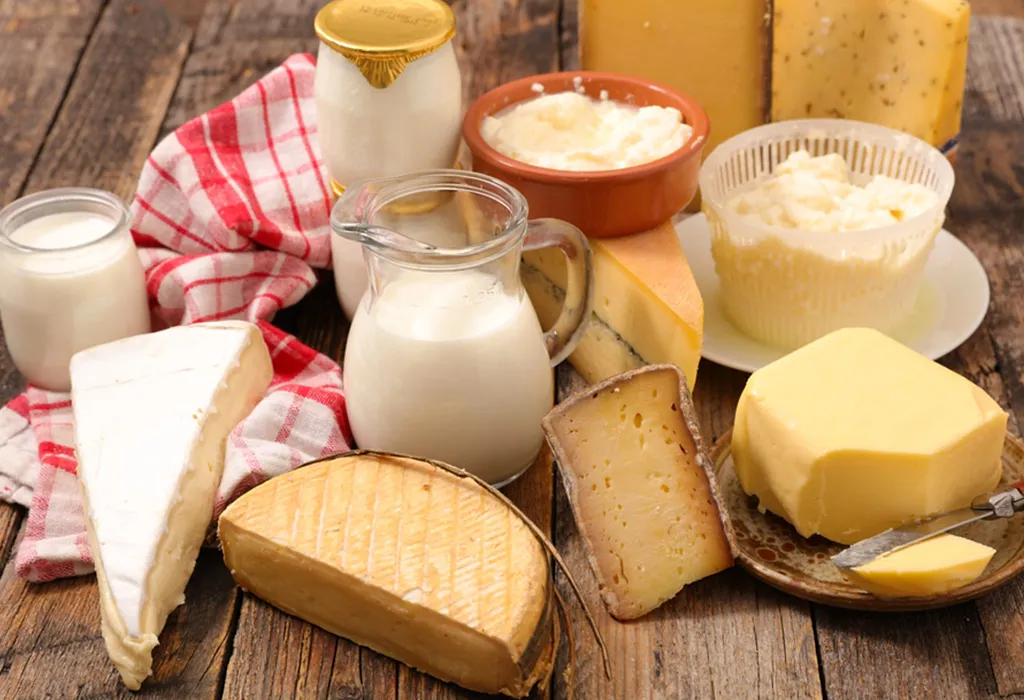
Low-fat dairy products such as skimmed milk, low-fat yoghurt and cheese provide a good dose of protein, calcium and vitamins B and D. These minerals are essential for nursing mothers, and at least 500 ml of dairy products should be consumed daily.
9. Vegetables and Fruits
While all fruits and vegetables are beneficial for new mothers, green veggies are especially good as they are loaded with vitamins, iron and calcium. As part of a diet plan after C section, besides beans, spinach and broccoli, it is a good idea to include lotus stems and fenugreek in a meal plan. Mushrooms and carrots are good sources of protein for vegetarians. Breastfeeding mothers can benefit from the antioxidant properties of blueberries and the goodness of vitamin C-rich citrus fruits.
10. Other Foods
Aside from the foods listed above, including spices and condiments that are integral to Indian cooking, will help a new mother cope with the physical demands childbirth puts on her. Cumin, fenugreek, turmeric, ginger and garlic, and carom seeds (ajwain) are some spices that have medicinal properties. While some, like ajwain, are anti-bacterial and anti-fungal, others, like turmeric, help reduce inflammation.
Indian Foods After Caesarean Delivery – Spices for Recovery
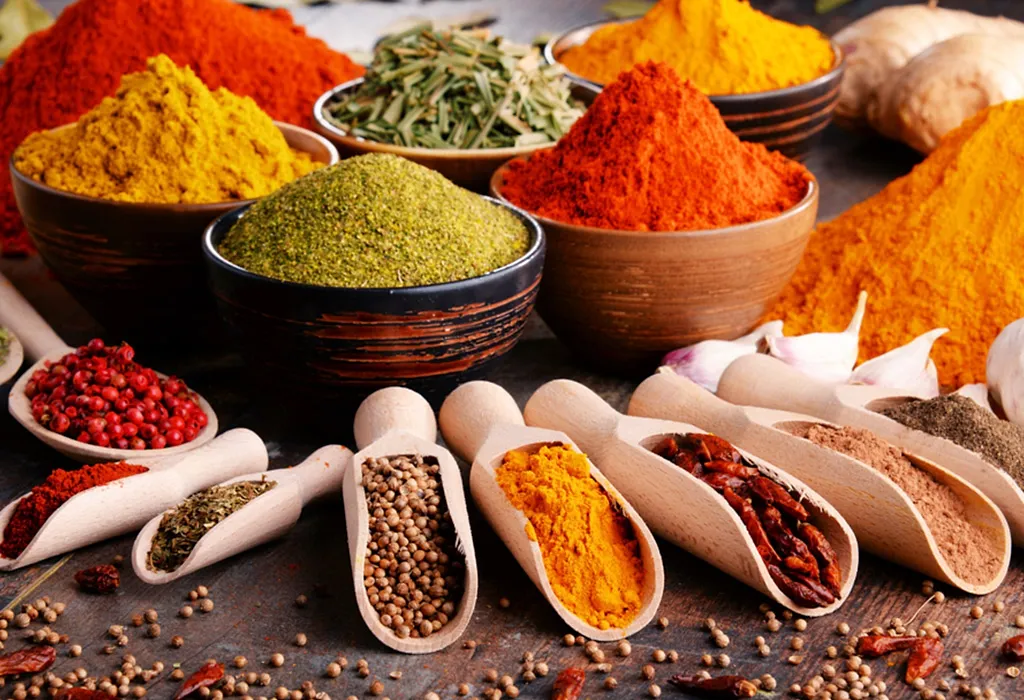
Indian foods are rich in nutrients such as proteins, calcium, iron and vitamins, and a good diet plan consisting of Indian foods can fulfil the nutritional requirements of the recovering mother. Food items commonly used in India, such as fenugreek seeds, fennel seeds, cumin seeds, ridge gourd, spinach, masoor dal, oats and daliya, help increase milk production in the mother.
Indian spices, when added to the mother’s diet, help in speedy recovery after a C-section delivery.
- Hing/Asafoetida: Addition of hing to the diet post-pregnancy will help in better digestion and ease out the gas/flatulence problem, which every mother faces post-delivery.
- Jeera: Jeera aids digestion and also helps in the production of milk.
- Ajwain/Carom seeds: Consumption of ajwain also helps in digestion and is beneficial towards the digestive system. Aromatic oils from ajwain are released in the breast milk, which help in regulating the baby’s motions and digestion.
Which Foods to Avoid After Caesarean Delivery?
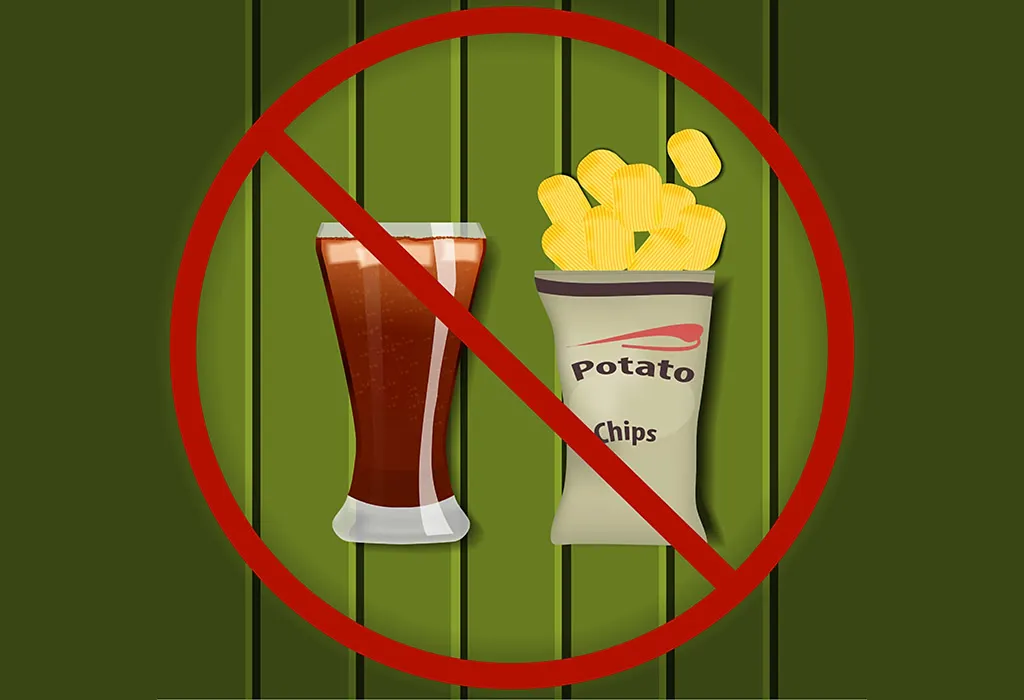
Post C-section, your usual activities are restricted as you are advised to rest. Since you will not be able to do much of any physical activity, it is important to control what you eat and avoid consuming anything that will take a long time to digest and increase fatigue. Also, in order to heal from the stress of delivery, the body needs nutritious and light food that supplements it with necessary minerals and helps avoid any adverse impact. Just like the list of recommended foods, there are food items that should be avoided after delivery.
- Avoid spicy food as it can cause gastric trouble, and the baby might also get the flavour in the milk.
- Carbonated drinks and citrus juices should not be consumed as they can cause gas.
- Consumption of caffeinated drinks such as coffee and tea should be restricted, as caffeine can cause problems in the baby’s growth.
- Alcohol should be avoided as it can interfere with the mother’s ability to breastfeed and impair the baby’s growth and development.
- Stay away from foods that produce gas. Food items such as urad dal, chole, chawali, rajma, chana, besan, pickles, green peas, dry peas and vegetables like cauliflower, cabbage, bhindi, broccoli and onions should be avoided for at least 40 days from the day of delivery.
- Cold and uncooked food and chilled drinks should be avoided.
- Fried and fast foods should be avoided completely.
Important Tips to Get the Best Out of Your Post-Caesarean Delivery Diet
The following are some basic tips to be kept in mind in regards to your diet to get the best out of what you eat:
- Instead of consuming three heavy meals during the day, spread out your meals throughout the day and try to have five to six small meals.
- Maintain a gap of two hours between meals. In case you feel hungry, snack on some fruits or nuts in the interim.
- Have a relaxed meal. Take time to properly chew the food before swallowing instead of gulping it down at once. Ask your family members to look after your baby in the meantime so that you can have a peaceful meal.
- Sleep whenever possible. A good sleep might be difficult with a newborn baby around, but make sure to catch a nap frequently, as sleep will help your body repair and heal better and faster.
- Avoid food that is not cooked at home. Consume only home-cooked food and include a lot of fresh ingredients in your meals.
FAQs
1. Is it safe to eat bread after a cesarean?
Yes, it is absolutely safe to eat bread after getting a cesarean delivery. Postpartum women can have anything nutritious after their delivery as long as it suits them. Whole grain or brown bread can provide fibre to support healthy digestion, because constipation is common after surgery and pain meds.
2. When can you eat normal food after a C-section?
Most women can transition back to regular solid foods within 24–48 hours after getting a C-section, once their digestive system starts functioning (signalled by passing gas and absence of nausea). Initially, hospitals give clear liquids and soft foods, then progress to your usual diet. You can start with easily digestible options and avoid very spicy or heavily fried foods in the first week. For more information, you can consult your doctor.
3. Can you eat a banana after a cesarean delivery?
Yes, absolutely. Bananas are a great food to have after a C-section. Since they are gentle on the tummy and potassium and fibre-rich, bananas can help regulate bowel function and prevent cramps.
The time after a C-section delivery can be difficult and challenging. It is important to keep control of the diet in order to speed up recovery. A good, nutritious diet can help you recuperate from surgery and keep you and your baby healthy.
Also Read:
No Breast Milk After Delivery
Indian Diet After Miscarriage
Fruits to Eat and Avoid during Breastfeeding
How to Sleep After C-Section Delivery?
Was This Article Helpful?
Parenting is a huge responsibility, for you as a caregiver, but also for us as a parenting content platform. We understand that and take our responsibility of creating credible content seriously. FirstCry Parenting articles are written and published only after extensive research using factually sound references to deliver quality content that is accurate, validated by experts, and completely reliable. To understand how we go about creating content that is credible, read our editorial policy here.
1. American Academy of Pediatrics – Policy Statement: Breastfeeding and the Use of Human Milk
2. WHO – Exclusive breastfeeding for optimal growth, development and health of infants
3. National Library of Medicine – Nutrition Recommendations in Pregnancy and Lactation
4. BetterHealth Channel – Food and your life stages
7. BetterHealth Channel – Caesarean section
- Author
 About the Author
Tilottama Chatterjee
Related Articles
-

Transition Phase of Labor - Signs and Ways To Deal With It
-
Home Birth - Pros, Cons and How to Do It
-
10 Things You Should Know About C-Sections
-
Prolonged Labour - Causes, Signs and Treatment
-
Gestational Diabetes and Labour Induction: Why It Matters
-
This Simple Exercise At Birth Can Solve Bonding, Breastfeeding, and Parenting Problems For Newborns