
Crying During Pregnancy – Does It Affect the Baby in the Womb?
Understanding why crying is common during pregnancy, its emotional causes, and simple ways to cope and feel better.





Crying during pregnancy is not uncommon, largely due to hormonal shifts and anxiety. It has also been found that pregnant women are prone to crying at certain times more than others. A lot of women find themselves crying during the first and third trimesters of pregnancy. So, if you happen to cry unusually more over small things (like sore breasts), don’t worry; it is normal. Research conducted by the Association for Psychological Science indicates that the mother’s emotions can also have an impact on a foetus that is six months or older. It is said that the way you feel during your pregnancy can have a significant role in determining your child’s attitudes and views of life as they grow up. Trying home treatments or getting professional help can greatly help in mood regulation. Understanding the relationship between crying and pregnancy and the consequences can
Causes of Crying When Pregnant

If you have been bursting into tears at the drop of a hat or crying for no reason in pregnancy, do not think that something is wrong with you. A lot of pregnant women go through the same experience, and you are definitely not alone. There are a plethora of reasons why women are more likely to cry when pregnant. These include physical as well as emotional causes. Here are some known reasons for crying in pregnancy:
1. Fluctuating Hormones
Three hormones—estrogen, progesterone, and human chorionic gonadotropin (hCG) are produced in the body. Changes in the levels of these hormones can transmit varied signals to the brain that can then have an impact on a pregnant woman’s moods. They are primarily responsible for stoking pregnancy emotions and making her cry without any provocation. Progesterone levels in particular tend to be on the higher side during the last two months of the pregnancy, leaving the woman quite vulnerable (1).
2. Stress
It doesn’t matter how well you have timed or planned your pregnancy – stressors are bound to pop up every now and then. Your physical and mental health, the worry towards the well-being of your unborn child, doctor’s visits and tests, job-related ups and downs, family relationships, older children, etc., can all cause stress during pregnancy (2).
3. Stretch Marks
Almost every pregnant woman will get at least a few stretch marks during this time. They usually fade away with time, but seeing them for the first time can cause a pregnant woman to tear up because her body is changing.
4. Being Uncomfortable
Physical discomfort is part and parcel of every pregnancy. Being fit or healthy prior to your pregnancy is irrelevant, as some aches and pains are definitely in store. Being unable to sleep peacefully without having to keep switching positions every few minutes, waddling around with the excess weight, and having a huge tummy is enough to bring on the tears every now and then!
5. Clothes That Don’t Fit
Shopping for clothes can prove to be saddening at times during pregnancy, as you might be too big for your regular clothes, but too small for maternity apparel. You might come close to tears during this stage, especially if you’re looking to wear something appealing for an important meeting or social event.
6. Watching Emotional Films/Shows
Watching a soul-stirring movie or television show can have you in tears in a jiffy. Also, pictures of babies, parent-child relationships, and even baby animals in distress can turn on the waterworks before you even realise it!
7. Comments on Your Pregnancy
People’s comments on your pregnancy body and weight can prove to be distressing, which can lead to crying. Listening to people tell you that having a baby is going to change your life, your body and your relationship with your spouse can also be stressful.
8. Pregnancy Milestones
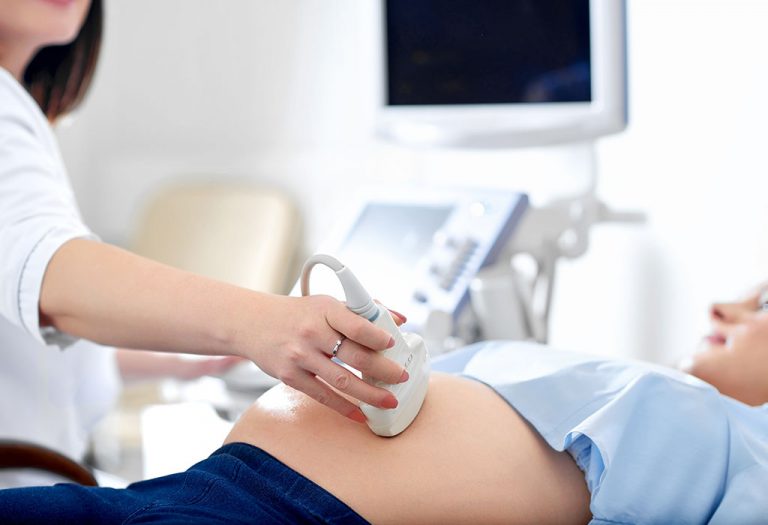
Some moments of your pregnancy will remain priceless – the first time you hear your baby’s heartbeat, the first time you see your little one in an ultrasound image, the first time your baby kicks inside your womb, and so on. So, don’t be surprised to find yourself fighting back tears during moments like these.
9. Going Past Your Due Date
Going past your due date with no sign of the baby can leave a pregnant woman disappointed and impatient. There’s a chance that you are tired of the physical discomforts that you’ve been putting up with, and if the end is still not in sight, it can prove to be a bit too much.
10. Being in Labour
No matter how many pregnancy classes you’ve attended or how strictly you have stuck to the pregnancy manual, labour can be painful. Irrespective of whether you will be having a vaginal delivery or a C-section, pain is a given!
When Does Crying During Pregnancy Indicate a Serious Problem?
While emotional distress and crying during pregnancy are common, in some cases, crying may also reveal a serious medical condition like depression. Depression in pregnancy happens in about one in seven women. Prenatal depression signs and symptoms include (3):
- Feelings of sadness, despair, or being overwhelmed
- Restlessness
- Irritable behavior
- Crying, weeping, or sobbing frequently
- Experiencing feelings of guilt or worthlessness
- Having thoughts of self-harm or suicide
- Changes in eating habits
- Difficulty with decision-making, concentrating, or remembering things
- Loss of interest in previously enjoyed activities
- Isolating from friends and family
- Disinterest in things that were once liked
- Feeling weak, fatigued, and lethargic frequently
- Complaining of persistent headaches, stomachaches, or other aches that don’t seem to improve
Pregnant women must monitor their emotions. If the feelings of sadness, anxiety, and hopelessness persist for more than two weeks or there is uncontrollable crying, consulting a doctor without delay is recommended.
How Crying Can Affect Your Baby During Pregnancy?
So, what happens when you cry while pregnant? The effects of crying during the second trimester – or, for that matter, at any time during your pregnancy – will have an impact on your little one. It depends on the type of mom you are. Here are some categories that illustrate how crying during pregnancy is bad for the baby:
1. If You’re a Stressed Mother
Pregnancy can bring some stressful days. The occasional stress will not do any harm to your baby. However, if you have chronic anxiety and stress, it can cause your body to produce cortisol, a stress hormone. This hormone can be passed on to your baby through the placenta. If your baby is constantly exposed to this hormone while in the womb, it is possible that you will end up with an anxious and colicky newborn.
A study published in the Journal of Developmental & Behavioral Pediatrics found that stress and emotional issues during pregnancy elevates the chances of having an excessively crying baby (4).
According to a 2018 study published in the Iranian Journal of Public Health, “negative emotions and life events increase the risk of women’s missed miscarriage” (5).
2. If You’re a Depressed Mother
Several women experience depression during pregnancy. In fact, it is estimated that around 10 to 20% of all pregnant women are depressed (3). This is not good for your child as it can have an adverse impact on them later in life. Children born to women who are clinically depressed were found to be likely to experience depression themselves as adults, besides being afflicted by emotional setbacks. Depression during pregnancy also increases the risk of preterm birth, being born small for their gestational age, low birth weight, being more irritable, less active, and less attentive, and learning and behaviour problems (6).
3. If You’re a Mother Who Resents Her Pregnancy
If you are a mom-to-be who is not happy about being pregnant and you resent the baby for putting you through physical and mental difficulties, it will most likely make matters worse. It has been seen that mothers who did not feel any attachment towards their unborn child were likely to have babies who would develop emotional problems in their childhood.
4. If You’re a Mother With Occasional Bad Days
The occasional stressful or depressing day is acceptable when you are pregnant. With so much going on mentally and physically during those nine months, it would be unreasonable to expect that you will be blissful and immune to the pain and discomfort. Occasional stress and depression will have no impact on the growth and development of your baby.
Treatment for Crying While Pregnant
Stress during pregnancy is quite natural, but it is important to deal with the stress-causing factors and move on. Some data suggests that when the mind is in constant stress with no attention paid to it, it can alter your body’s stress management system. This may trigger an inflammatory response – inflammation is said to cause poor pregnancy health and developmental problems in babies. Thus, it is important as a pregnant woman to listen to your body and eliminate stressors that are hampering your everyday life. Here are some ways you can get rid of stress that is bogging you down:
- Eat at regular intervals. Try to avoid skipping meals, as they can lead to mood swings and hunger pangs, which can cause one to overeat. Make sure that at least 2 portions of your meals include fruits, green, leafy veggies and nuts.
- Go to sleep on time, regularly. Giving your body the rest it needs is essential for a healthy and happy mom and baby. Try to get enough sleep so that you don’t wake up feeling grumpy and underslept.
- Put your needs first. It’s tough being pregnant and being constantly in demand at both work and home, but this is the time you get to take care of yourself unapologetically – get yourself a massage (after consulting your doctor), take yourself out for a movie or get yourself some parlour treatments at your favourite salon. Doing the things you like will bring down the stress significantly.
- Engage in moderate exercise daily. You don’t need to exhaust yourself in this process; simply getting your blood pumped will put you in a better mood. Yes, exercise fights anxiety and depression. Set a time every day and go out for a walk. You could practice some yoga as well – the quiet environment that it warrants may help you get away from chaos. Exercising for 30 minutes every day is enough to get you out of stress – do so every day (1)!
- Keep yourself engaged with activities. Reading, journaling, meditating, painting, or listening to happy music can help you forget the stress. You can even take up a new hobby like meditation or yoga under the guidance of a qualified instructor.
- Try mindfulness applications. Use technology for the better by trying apps that guide you through mindfulness-based practices (7).
- Communicate your feelings. Talk to your partner, a close friend, or a family member about how you are feeling. Assess how often you are in a depressed mood. You might need to seek help if you are experiencing more than the occasional bout of depression and stress. Consulting a qualified medical professional will help you deal with it in the best possible way.
- Get professional help. There are anti-depressants that can be prescribed for pregnant women, and your doctor will be able to guide you on this.
FAQs
1. Can my baby feel when I cry?
Yes, some reports suggest that unborn babies can sense your emotions in a way similar to how you experience them. As a result, when you cry during your pregnancy, your baby in the womb may feel your feelings as their own (8).
2. Can you prevent crying during pregnancy?
Occasional breakdowns are normal during pregnancy due to hormonal fluctuations and other factors. While crying spells can’t be prevented during pregnancy, you can manage them by ensuring self-care and having open communication with your partner and loved ones. Trying calming techniques, like meditating, listening to calming music, journaling, painting, and doing yoga, can greatly help (1).
3. How long do crying episodes last during pregnancy?
Depending on the causes, crying episodes during pregnancy can last anywhere from a few days to several weeks. However, it’s best to seek medical advice promptly if you encounter frequent or intense crying spells (regardless of whether there seems to be a reason) while pregnant.
4. How can a partner and loved ones ensure no crying during pregnancy?
By understanding the emotions of an expecting mother, the reason behind her crying, being patient, and giving her love as well as space, a partner and her loved ones can ensure a healthy and supportive environment for a pregnant woman. Gentle hugs and kisses are a great mood booster as well (9).
Your emotional well-being is important for your unborn child’s mental health and development right up to adulthood. So, make an attempt to keep your feelings in check during this crucial phase of your life. Keep yourself busy and occupied with getting things ready for the baby while keeping a watchful eye on your health. Trying some home remedies, such as aromatherapy candles and meditation, can be helpful during days when you are feeling restless. Though simple, these are some extremely effective means of combating stress and depression on a daily basis without the need for any medication.
Also Read:
Anger while Pregnant
Laughing during Pregnancy
Mood Swings in Pregnancy
Bad Dreams and Pregnancy
Was This Article Helpful?
Parenting is a huge responsibility, for you as a caregiver, but also for us as a parenting content platform. We understand that and take our responsibility of creating credible content seriously. FirstCry Parenting articles are written and published only after extensive research using factually sound references to deliver quality content that is accurate, validated by experts, and completely reliable. To understand how we go about creating content that is credible, read our editorial policy here.
1. NCT – Common emotions when expecting a baby
2. March of Dimes – Stress and pregnancy
3. New Jersey Department of Health – About Perinatal Mood Disorders
4. Wolters Kluwer – Stress and Emotional Problems During Pregnancy and Excessive Infant Crying
6. March of Dimes – Depression during pregnancy
7. Society of Behavioural Medicine – How to Manage Stress Naturally During Pregnancy
8. RMC Health System – When I Feel Sad While Pregnant, Does My Baby Feel Sad?
9. Pregnancy Birth and Baby – Supporting your partner during their pregnancy
- Author
 About the Author
Mrunal
Related Articles
-

Placental Lakes - Do They Affect Pregnancy?
-
Can You Donate Plasma While Pregnant?
-
Is Sleeping on Your Right Side During Pregnancy Safe?
-
Is Performing Lumbar Puncture (Spinal Tap) During Pregnancy Safe?
-
Best Giraffe-themed Baby Shower Ideas
-
Spider Veins during Pregnancy - Causes, Remedies & Prevention