

Can You Get Pregnant After Ovulation? – Understanding Fertility




In this Article
- How Does Ovulation Work?
- Can You Become Pregnant After Ovulation?
- How Many Days After Ovulation Can You Get Pregnant?
- Signs That Ovulation Is Happening
- How to Calculate Your Ovulation Days?
- When to Consult a Doctor?
- FAQs
View More
If you’re wondering will you get pregnant after ovulation, the chances are very low, as the egg typically remains viable for only about 12–24 hours after it is released. However, because ovulation can be difficult to pinpoint, pregnancy may still be possible if intercourse occurs around the fertile window. According to the American Society for Reproductive Medicine, the fertile window spans the six days ending on the day of ovulation, with the highest chance of conception occurring just before ovulation (1). This article explains how ovulation affects fertility, how long the egg and sperm survive, and when pregnancy is most likely or unlikely after ovulation.
How Does Ovulation Work?
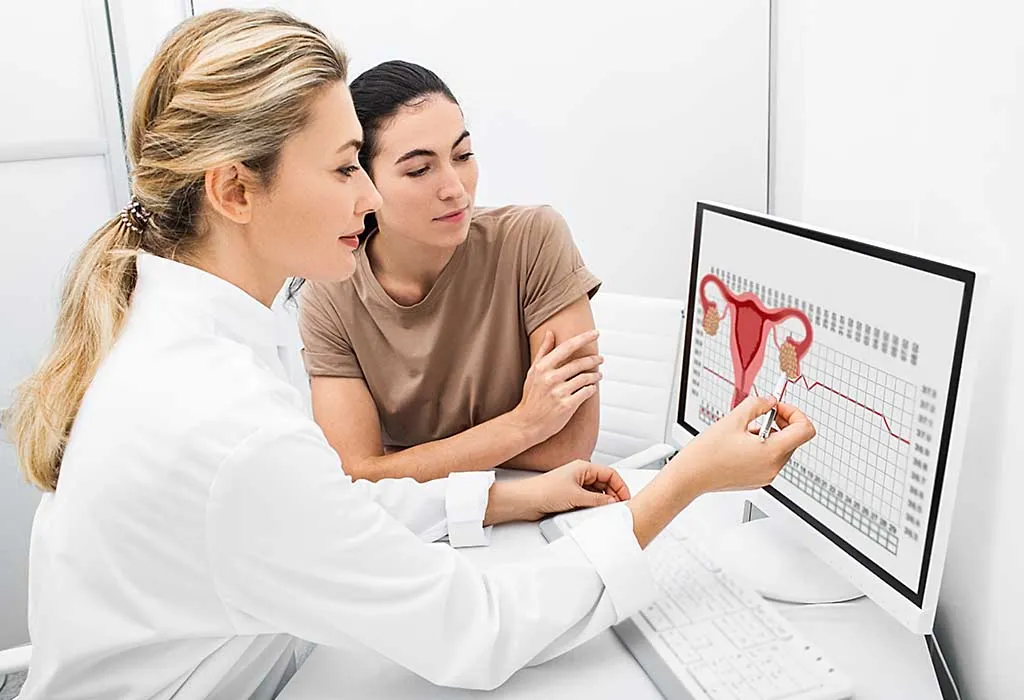
Ovulation is an important part of the menstrual cycle, and it’s how your body prepares for a possible pregnancy. Every month, on or around the fourteenth day of a 28-day cycle, your ovaries mature and release an egg. However, this is just an average. Ovulation can happen between the 11th and 21st day of the cycle, with day 1 being the first day of your period. These 10 days are known as your “fertility window” (2). Once the egg is released, it goes through the fallopian tube to meet sperm for fertilisation. Since the egg remains for 12-24 hours, the days just before and during ovulation are the most fertile. If the egg isn’t fertilised, it will break down, and your body will eventually shed the uterine lining, leading to your period (3).
Can You Become Pregnant After Ovulation?
Yes, it’s still possible to become pregnant after ovulation, but the window is short. After an egg is released during ovulation, it remains viable for about a day. If sperm is present and fertilises the egg during this time, pregnancy can occur. The chances of getting pregnant while ovulation is generally quite high, making it the most fertile time in the menstrual cycle. However, because sperm could live in the reproductive tract for up to five days if you had intercourse before ovulation, there’s also a chance that the sperm could fertilise the egg once it’s released (4). After the egg’s viability ends, the chances of pregnancy drop significantly until the next cycle. So, even though the days just before and during ovulation are the most fertile for you, there is a little window right after ovulation for conception (5).
How Many Days After Ovulation Can You Get Pregnant?
The probability of getting pregnant after ovulation declines rapidly with each passing day. Here’s a look at your chances of pregnancy before, during, and after ovulation (6):
| 5 Days Before Ovulation | 10% |
| 3-4 Days Before Ovulation | 15-20% |
| 1-2 Days Before Ovulation | 27-31% |
| Day of Ovulation | 33% |
| 1 Day After Ovulation | 10-15% |
| 2 Day After Ovulation | 0-1% |
Signs That Ovulation Is Happening
Paying attention to these signs can help you better understand your fertile window and identify when ovulation is approaching.
1. Changes in Cervical Mucus
Just before ovulation, cervical mucus often becomes clear, thin, slippery, and stretchy, similar to raw egg white. This change helps create a sperm-friendly environment.
2. Rise in Basal Body Temperature
After ovulation, basal body temperature (BBT) typically rises slightly because of hormonal changes. Tracking your temperature every morning can help identify an ovulation pattern over time.
3. Mild Pelvic Pain or Cramping
Some people experience mild pain or a brief twinge on one side of the lower abdomen around ovulation. This is sometimes called mittelschmerz.
How to Calculate Your Ovulation Days?
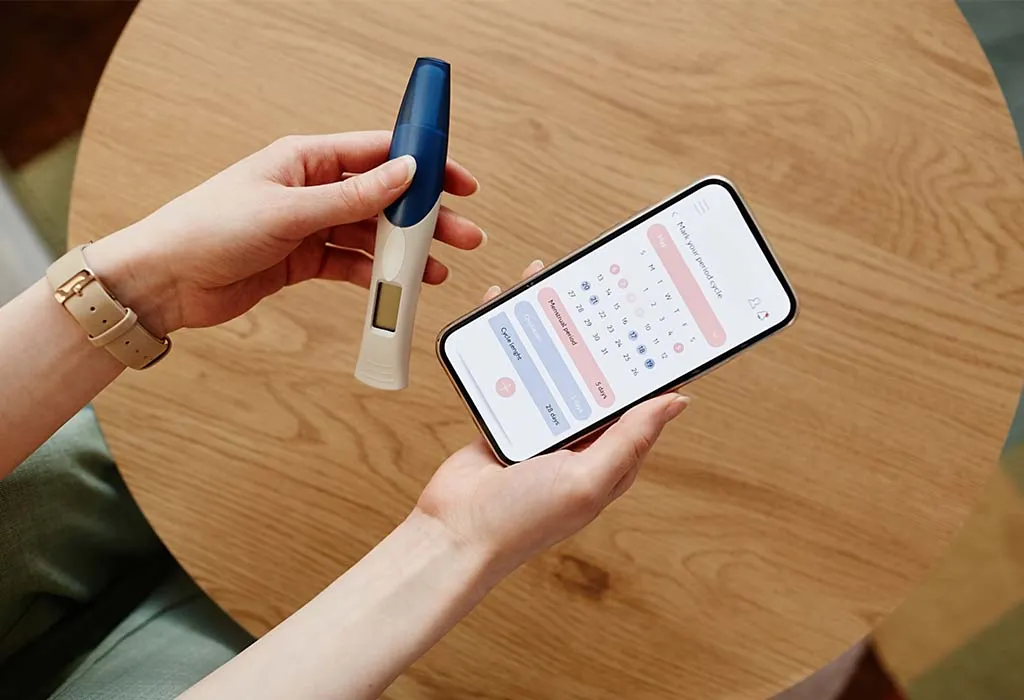
Tracking your ovulation can be helpful if you’re trying to conceive. Here’s how you can calculate your ovulation days (7):
- Track Your Menstrual Cycle: Ovulation typically occurs 14 days before your next period starts. For a 28-day cycle, ovulation would be around day 14. For longer or shorter cycles, deduct 14 days from the duration of your cycle to estimate ovulation day.
- Changes in Cervical Mucus: As ovulation approaches, your cervical mucus gets clear and stretchy, similar to raw egg whites. This is a sign that your body is preparing to ovulate.
- Track Basal Body Temperature (BBT): Your body temperature increases after ovulation due to increased progesterone levels. By tracking your BBT daily, you can identify the small spike that indicates ovulation has occurred.
- Use an Ovulation Predictor Kit: These kits test hormone levels in your urine to detect the surge in luteinising hormone (LH) that happens right before ovulation. If the test is positive, you will probably ovulate within the next 24-36 hours.
When to Consult a Doctor?
It’s important to seek medical advice if you have any concerns about your fertility, especially if:
- You’ve been trying to conceive for several months without success.
- Your periods are irregular, unpredictable, or frequently missed.
- You experience unusual or persistent symptoms.
FAQs
1. How do I know if I’m ovulating?
Several signs can indicate ovulation. Common symptoms include changes in cervical mucus, which becomes clear and stretchy, resembling egg whites, and a rise in basal body temperature. Some women may also experience mild pelvic pain (mittelschmerz) or increased libido around ovulation (8).
2. Can you ovulate more than once in a cycle?
A woman only ovulates once per cycle. While multiple eggs can be released, this happens within a short time frame (within 24 hours), which could result in fraternal twins if both eggs are fertilised. However, ovulating at two different timings within the same cycle is extremely rare and not common in humans.
3. Do you always ovulate on the same day each month?
Not necessarily. Even in women who have regular cycles, ovulation might vary from month to month. Stress, illness, or changes in routine can affect when ovulation occurs. While many women ovulate around the same time each month, tracking your cycle can help pinpoint any variations.
4. Can you get pregnant if you don’t ovulate?
No, pregnancy requires the release of an egg from the ovary, which is the process of ovulation. If you’re not ovulating, there is no egg for sperm to fertilise. Women with conditions like anovulation (absence of ovulation) may need medical assistance to stimulate ovulation if they’re trying to conceive (9).
So, when it comes to the question, “Will you get pregnant after ovulation?” the answer is yes! As long as the egg remains viable and sperm is available within that window, conception is possible. While your ovulation day might shift slightly, knowing your fertile window gives you a great advantage when it comes to planning.
Also Read:
Fertility Massage
Ovarian Follicle and Its Role in Fertility
Freezing Sperm for Future Fertility
Was This Article Helpful?
Parenting is a huge responsibility, for you as a caregiver, but also for us as a parenting content platform. We understand that and take our responsibility of creating credible content seriously. FirstCry Parenting articles are written and published only after extensive research using factually sound references to deliver quality content that is accurate, validated by experts, and completely reliable. To understand how we go about creating content that is credible, read our editorial policy here.
1. American Society for Reproductive Medicine – OPTIMIZING NATURAL FERTILITY: A COMMITTEE OPINION
2. NHS – Periods and fertility in the menstrual cycle
3. Tommy’s – Ovulation and fertility
4. University of Utah Health – OVULATION: WHEN IS THE BEST TIME TO GET PREGNANT?
6. Fertility Coalition – Right time for sex
7. The Johns Hopkins University – Calculating Your Monthly Fertility Window
8. Harvard Health Publishing – Mid-menstrual cycle pain (mittelschmerz)
9. Women & Infants Fertility Center – Understanding Anovulation: Causes, Diagnosis, and Treatment
- Author