

Healthy Breakfast for Pregnancy – Foods to Eat and Avoid





Medically Reviewed By
Gayatri Dawda
(Nutritionist)

In this Article
- Why Should You Eat Breakfast During Pregnancy?
- What Foods Should Pregnant Women Include in Their Breakfast?
- Breakfast Foods That Should Be Avoided During Pregnancy
- Breakfast Food Safety Tips for Pregnant Women
- Breakfast Tips to Follow During Pregnancy
- Healthy Pregnancy Breakfast Recipes
- FAQs
View More
This content has been reviewed by a qualified expert and follows the FirstCry Parenting editorial policy to ensure accuracy and reliability.
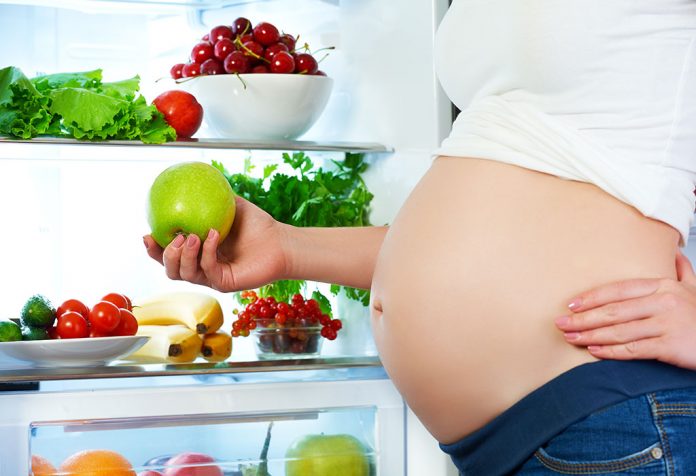
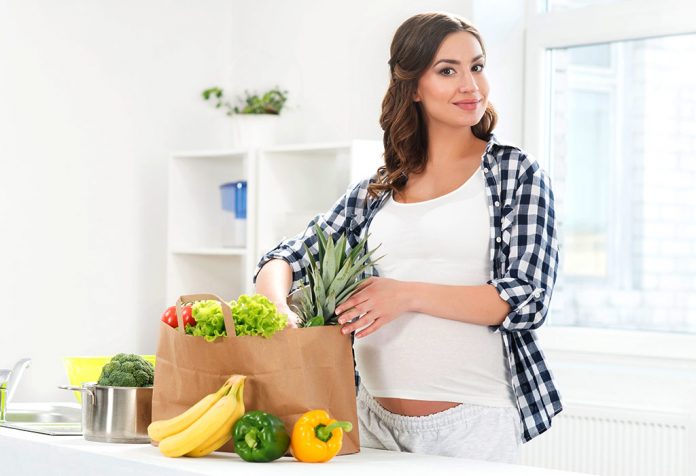
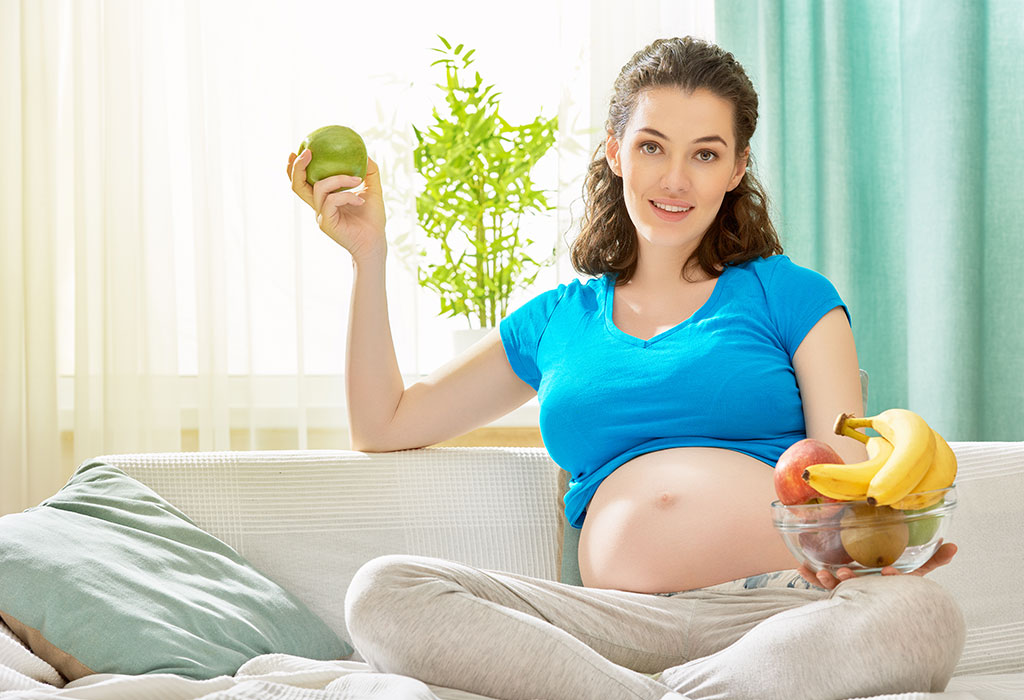
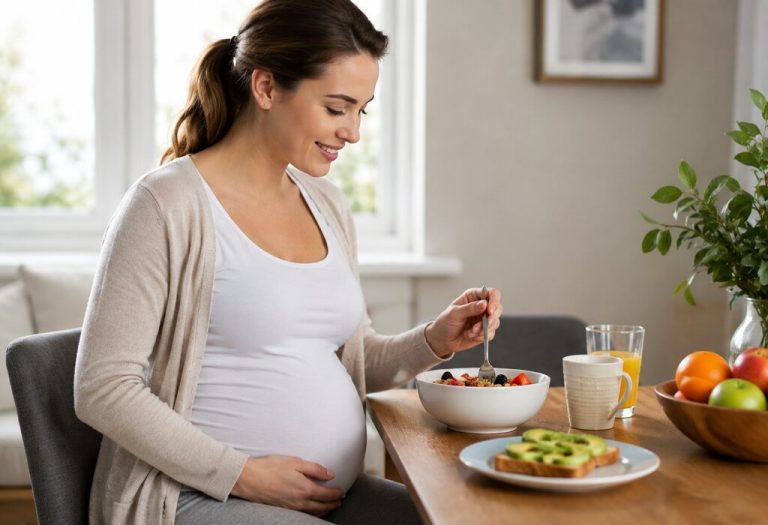
While all meals are important, breakfast for pregnancy tops the list to charge the day with good nutrition that supports both the mother and the growing baby. But what are the essentials of breakfast food for pregnant women? Is it fibre or protein? Well, a mother needs a combination of essential nutrients in her breakfast that includes fibre, protein, healthy fats, vitamins, and minerals to guarantee the healthy growth and development of her unborn baby. A balanced breakfast not only keeps you full but also helps reduce fatigue and maintain stable blood sugar levels throughout the day. In this article, we tell you why a healthy breakfast is important during pregnancy and shed some light on which foods are good for pregnancy and which ones to avoid.
Wait, there’s more. You’ll also find some tasty and easy-to-prepare healthy breakfast recipes for pregnant women.
Why Should You Eat Breakfast During Pregnancy?
Want to know why you should never skip breakfast during pregnancy? Let us convince you with some worth-knowing health facts (1).
- Breakfast is a healthy start to your day with nutritious items on your plate. An empty stomach can cause gastric issues, heartburn, morning sickness, and nausea; a good breakfast ensures these symptoms do not occur during pregnancy.
- A balanced breakfast keeps focus, energy, and attention high, all of which are needed to function well during the day.
- Skipping breakfast only makes you snack later on high-calorie foods like chips and burgers during the day, bringing a host of other problems.
- Having a nutritious and balanced breakfast maintains a healthy weight.
- If you are finding it difficult to eat breakfast in the morning, start with small portions, and your appetite will build.
- The National Institute of Diabetes and Digestive and Kidney Diseases (NIDDK) suggests that if you feel sick to your stomach in the morning, you can have a dry whole-wheat toast or whole-grain crackers the first thing in the morning, even before you get out of bed. Then have the rest of your breakfast, like fruit, oatmeal, or cereal, later in the morning (2).
What Foods Should Pregnant Women Include in Their Breakfast?
Although everyone should start their day with a healthy breakfast, it is more important for pregnant women to do so, and do it right. Their breakfast should include the nutrients required by them and the little life growing inside them. Here is a list of foods that pregnant women should include in their breakfast:
1. Protein-Rich Foods
Proteins are the building blocks of DNA, tissues and muscles. Your baby needs protein for cell differentiation, tissue and cell growth, and overall growth. Some of the protein-rich foods you can include in your breakfast include yoghurt, eggs, paneer, milk, sprouts, lentils (dals), nuts and cheese (3).
2. Calcium-Rich Foods
Calcium is essential for the development of strong bones. The mother and the foetus both need this nutrient for healthy bones. A pregnant woman needs about 1000mg of calcium a day to meet the requirements of her own body and that of her baby. Some calcium-rich breakfast foods that you can eat during pregnancy are paneer, cheese, green vegetables, almonds, amaranth, figs, sesame seeds, milk, and yoghurt.
3. Fibre-Rich Foods
Constipation and indigestion can make pregnancy inconvenient. Although it cannot be avoided, pregnant women can get some relief by including fibre-rich foods in their diet. Some of the fibre-rich foods that you can include in your pregnancy diet are – whole grains like bran and oats, flax seeds, chia seeds, broccoli, sweet corn, figs, apples, bananas, and pears.
4. Whole Grains
Whole grains are rich in vitamin B-complex, dietary fibre, carbohydrates, and minerals like magnesium, iron, and selenium. These nutrients are important for your baby’s healthy growth and development. Examples of whole grains are bulgur wheat, oats, buckwheat, barley, brown rice, and millets.
5. Iron and Folate-Rich Foods
During pregnancy, a mother’s body needs extra iron to make more blood for both herself and the baby. Folate is important for the proper development of the baby’s brain and spinal cord. So, include folate-rich foods like spinach, kale, asparagus, broccoli, lentils, avocado, and Brussels sprouts. As per the Mayo Clinic, most dark green leafy vegetables are rich in iron and folate (4). Other foods, according to the HSE, such as whole grains, red meat, fish, tofu, liver, soybeans, nuts, and seeds, are also rich in iron (5).
Breakfast Foods That Should Be Avoided During Pregnancy
Not all foods are healthy to eat during pregnancy. Some healthy breakfast foods for pregnant women that you could easily consume before pregnancy are a big no-no after you conceive. Here’s a list of breakfast foods that you should avoid during pregnancy.
1. Raw Eggs
Raw eggs could contain Salmonella bacteria, which cause food poisoning and are harmful to the unborn baby. So, eat only pasteurised eggs that are well-cooked (6).
2. Unpasteurised Dairy Products
Unpasteurised dairy products like hard cheese, soft cheese or blue cheese could contain Listeria, which causes food poisoning or more serious pregnancy complications such as foetal death. Hence, avoid unpasteurised dairy products (7).
3. Undercooked or Raw Meat and Seafood
Undercooked meat can also cause food poisoning. Ensure that the meat you consume is well-cooked. Also, seafood contains high levels of mercury, which can cause birth defects in the baby. It is best to avoid seafood during pregnancy.
4. Caffeine
Caffeine can cross the placental barrier and increase the heart rate of the foetus. It has also been linked to miscarriages. It is better to limit or avoid caffeinated beverages such as coffee and cola during pregnancy.
5. Raw Sprouts
Raw sprouts, such as alfalfa, clover, radish, and mung bean sprouts, can harbour harmful bacteria like Salmonella, E. coli, and Listeria, which can lead to foodborne illnesses. Pregnant women should avoid consuming raw sprouts to reduce the risk of infection (8).
Breakfast Food Safety Tips for Pregnant Women
Dear mams-to-be, attention here please! There are some things you need to be aware of when preparing breakfast or any meal during pregnancy. If you are planning a healthy pregnancy and a healthy baby delivered without any complications, these tips will be very helpful because infections through improper handling of food are quite easy.
1. Eat Only Fresh Food
Fresh food is the most nutritious. By consuming freshly cooked dishes for breakfast, you will be providing all the necessary nutrition to your body and the foetus. Expired food or food that has been sitting in the fridge for a couple of days loses its nutrient content and can also cause food poisoning.
2. Wash Hands Before Meals
Good hygiene practices make sure that the mom-to-be does not get any infections that can harm her or the baby. You can use a sanitiser if needed.
3. Wash Fruits and Vegetables Thoroughly
Fruits and vegetables always have dirt, germs and pesticides on them. Thus, they must be washed thoroughly before consuming. Vegetables are often cooked after they are cleaned thoroughly, so the chances of germs entering your body are lower. However, fruits are not cooked unless you are making a dish. To clean the fruits and vegetables thoroughly, soak them in salted water. Salted water will help wash off germs from them. You may also use a fruit and vegetable purifier to clean the veggies and fruits before consuming them.
Breakfast Tips to Follow During Pregnancy
Filling the tummy in the morning is not breakfast; it is carefully choosing what you eat and how you eat. To ensure you have an optimal breakfast, we suggest keeping a note of the following breakfast tips.
1. Eat in Stages
If you suffer from morning sickness and cannot handle a big breakfast, start with liquids. Ginger or lemon may help with morning sickness. With regard to meals, eat in stages. Start with one piece of toast, a biscuit or one dosa. Take a short break and then resume eating until you feel satisfied.
2. Stay Hydrated
It is very important to stay hydrated throughout the day. You can drink plain water, juice, coconut water or clear soups. Choose sugar-free or low-sugar drinks. If you are taking tea or coffee, try decaffeinated (9). Ensure you have enough fluids to drink during your breakfast, too.
3. Consume Iron-rich Foods
Iron is crucial during pregnancy for the production of red blood cells and to prevent iron deficiency anaemia. Include iron-rich foods such as fortified cereals, spinach, lentils, and lean meats in your breakfast to meet your increased iron needs.
4. Do Not Avoid Fats
Healthy fats are important for both you and your baby. Incorporate healthy fats from unsaturated fat foods like avocado, olive oil, cold-pressed coconut oil, ghee, butter, nuts, etc., in your breakfast.
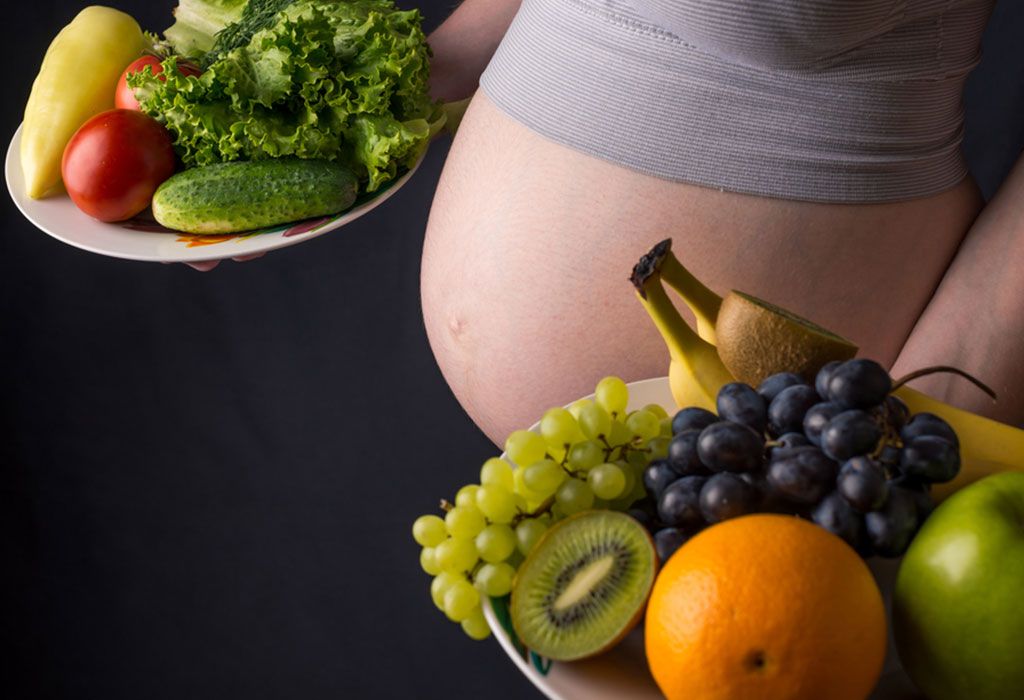
5. Include Plenty of Fruits and Vegetables
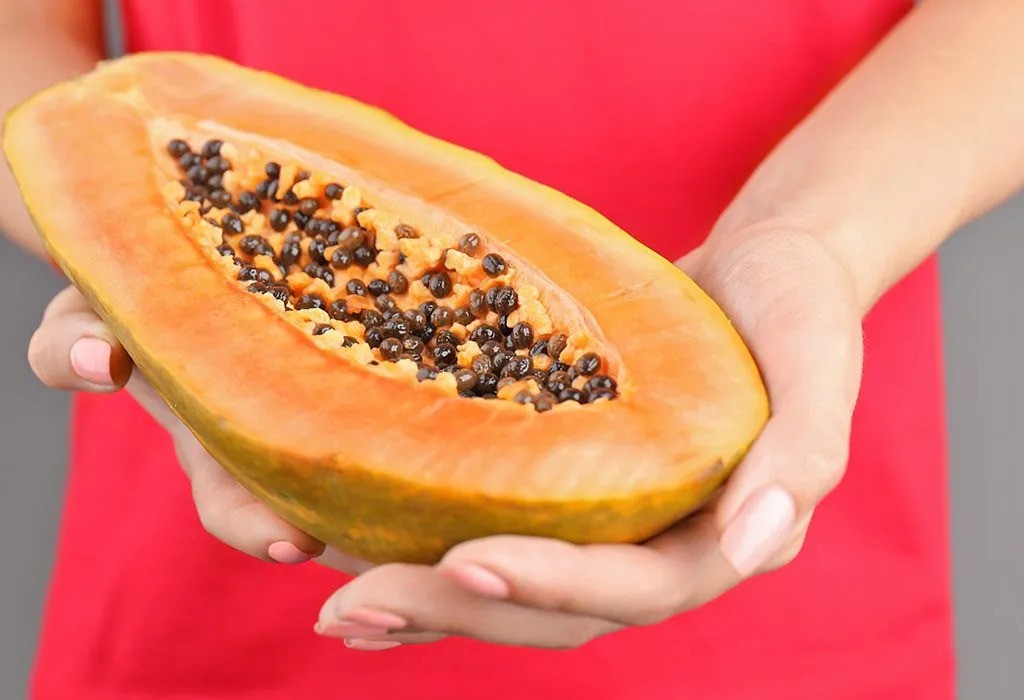
Fruits and vegetables contain a wide range of nutrients that your baby requires for healthy development (10). Make some breakfast dishes that have vegetables in them, and also have a bowl of fruits to provide the much-needed nutrition to yourself and your baby. However, do not eat too much raw papaya and grapes during pregnancy.
6. Opt for Whole Grains
Whole grains provide essential nutrients like fibre, vitamins, and minerals. Choose whole grain options like whole wheat bread, oatmeal, quinoa, or brown rice for sustained energy and better digestion during pregnancy.
Now that you have an idea of what must be eaten and be avoided during pregnancy, let’s take a look at some breakfast recipes that are not only healthy but also delicious.
Healthy Pregnancy Breakfast Recipes
Healthy breakfast ideas for pregnant women don’t need to be ingredients-heavy. Trust us; the last thing you want is standing in the kitchen with a pregnancy backache. So, here are some simple and delicious pregnancy breakfast ideas that are perfect to start their day with!
1. Scrambled Eggs
A quintessential breakfast that’s quick, easy, and protein-rich. You can have it with wholemeal toast and some grilled tomatoes on the side.
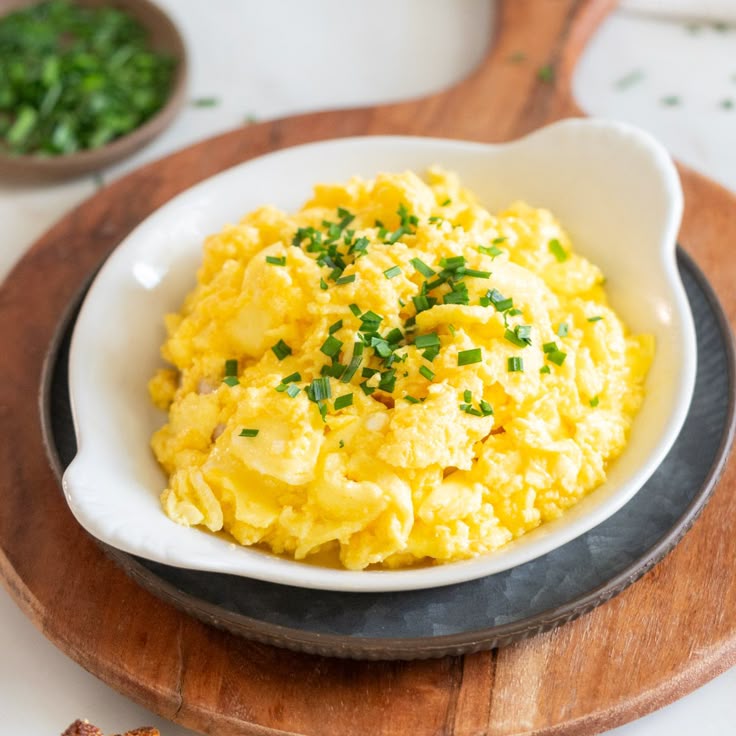
Image Credit: Pinterest
What You Will Need:
- 2 eggs
- 6-7 tablespoons of semi-skimmed milk
- Butter
- Pinch of salt
How to Prepare:
- Whisk the eggs in a bowl and add milk to it.
- Add a pinch of salt to the egg and milk mixture.
- Heat some butter in a saucepan on low flame and gently pour in the egg mixture.
- Continue stirring and folding until the mixture is scrambled and cooked all the way through.
- Do not leave the egg mixture half-cooked. Make sure it is thoroughly cooked.
- Voila! You have hot and quick scrambled eggs!
2. Oats and Banana Breakfast Bowl
Your tummy will love this oats and banana breakfast bowl. Yes, it’s full of fibre, light, and easy on the tummy.
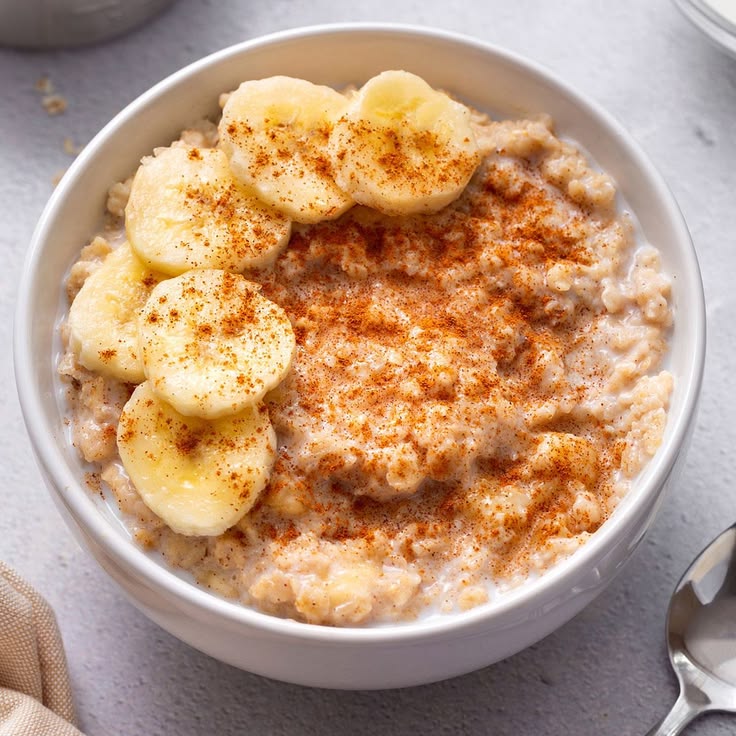
Image Credit: Pinterest
What You Will Need:
- ½ cup rolled oats
- 1 cup milk
- 1 sliced banana
- 1 tablespoon chopped almonds
- 1 teaspoon chia seeds
- A pinch of cinnamon
How to Prepare:
- Cook the oats in milk until soft and creamy. Once cooked, set it aside.
- Transfer cooked oats to a bowl. Now, top with pre-cut banana slices, almonds, and chia seeds.
- Sprinkle a pinch of cinnamon to bring out flavours.
- Serve warm.
3. Zucchini and Carrot Pancakes
This is a very healthy breakfast dish for pregnant women as it contains vegetables and lentils that provide a decent amount of carbohydrates and healthy fats to the mother-to-be and the baby.

What You Will Need:
- ¾ cup grated zucchini
- ¼ cup grated carrot
- ¼ cup Bengal gram flour (besan) or pancake mix
- ½ cup of rice flour
- A few sprigs of finely chopped coriander
- 1 or 2 finely chopped green chillies
- Salt and Oil
- 1/2 cup of water
How to Prepare:
- Combine the gram flour or pancake mix and the rice flour.
- Add water and make a smooth, runny paste.
- Add the vegetables and spices and mix.
- Heat and grease a non-stick pan with oil.
- Pour a ladle of batter into the pan and spread the mix to form a circle.
- Put some oil around the edges of the dosa and cook on a medium flame until it is golden brown.
- Flip it over to cook the other side for a few seconds.
- Serve it with mint chutney.
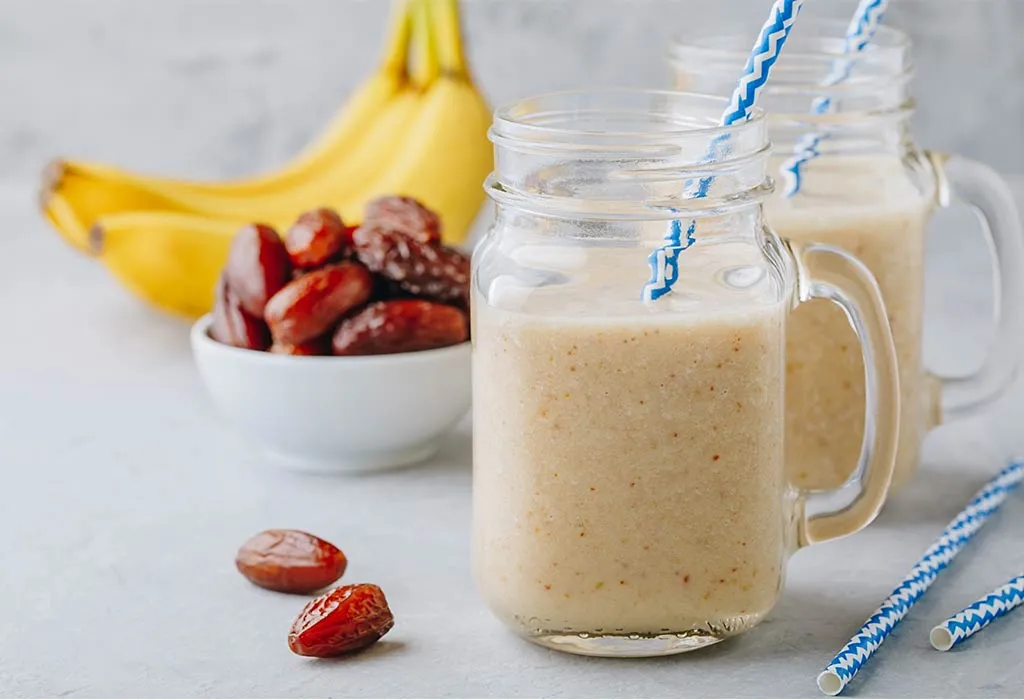
4. Dates and Banana Smoothie
This is a great idea for breakfast during the first trimester when you suffer from morning sickness. If you are unable to stomach a solid breakfast, you can try this healthy smoothie.
What You Will Need:
- ¼ cup dates
- ½ banana
- 1 cup milk
- 4 to 5 ice cubes (optional)
How to Prepare
- Soak the dates in warm milk for five minutes.
- Blend the dates, milk, banana, and ice cubes together in a blender to make a smooth smoothie
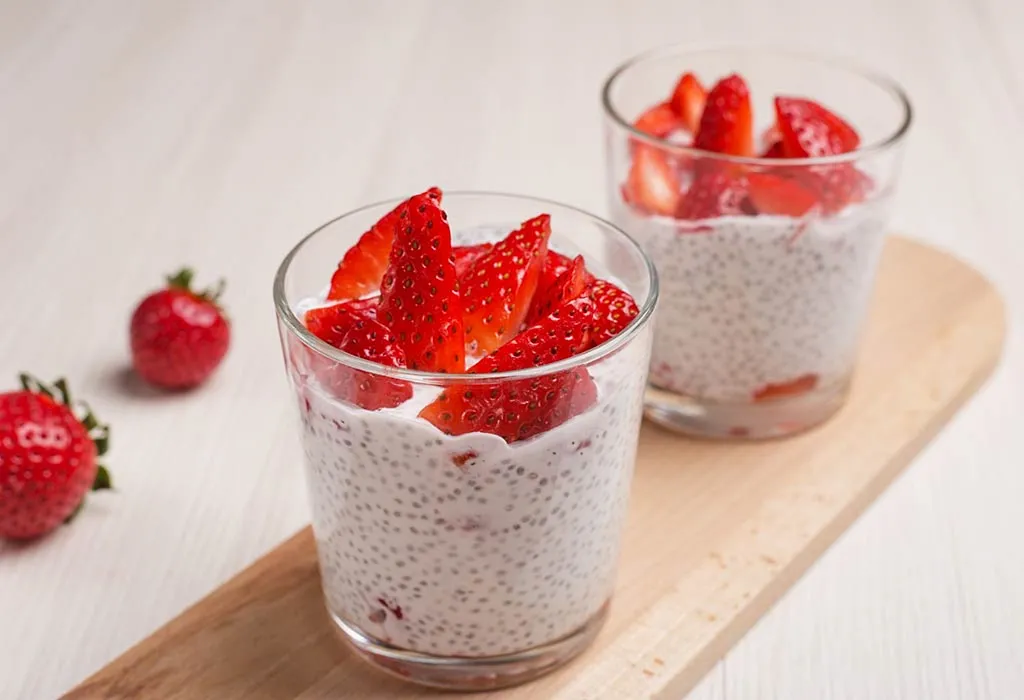
5. Chia Seed Pudding
Chia seeds are packed with nutrients like omega-3 fatty acids, fiber, protein, and antioxidants, making them an excellent choice for a healthy pregnancy breakfast.
What You Will Need:
- 2 tablespoons chia seeds
- 1/2 cup milk (any type you prefer: dairy, almond, coconut, etc.)
- 1 teaspoon honey or maple syrup (optional)
- Fresh fruits for topping (such as berries, sliced banana, or mango)
How to Prepare:
- In a bowl, mix chia seeds and milk. Stir well to combine.
- Add honey or maple syrup if desired for sweetness. Stir again.
- Cover the bowl and refrigerate for at least 2 hours or overnight until the mixture thickens and resembles a pudding-like consistency.
- Before serving, give the chia pudding a good stir. Top with your favourite fresh fruits and enjoy!
FAQs
1. Is it safe to consume dairy products for breakfast during pregnancy?
Yes, dairy products such as milk, yoghurt, and cheese are excellent sources of calcium and protein, which are crucial for the development of your baby’s bones and muscles. However, it’s advisable to choose pasteurised dairy products to minimise the risk of foodborne illnesses.
2. Can I have coffee or tea with my breakfast during pregnancy?
While moderate consumption of caffeine is generally considered safe during pregnancy, excessive intake should be avoided. It’s recommended to limit caffeine intake to no more than 200 milligrams per day, which is roughly equivalent to one 12-ounce cup of coffee.
3. Are there any breakfast foods I should avoid during pregnancy?
Yes, there are certain breakfast foods for pregnant women that should be avoided to minimise potential risks. These include raw or undercooked eggs, unpasteurized dairy products, raw sprouts, and high-mercury fish. It’s also important to limit the intake of processed foods high in sugars and unhealthy fats.
This was all about breakfast foods for pregnancy. Apart from these recipes, you can try other healthy breakfast foods like vegetable and egg omelettes, oatmeal with dry fruits, nuts and honey, boiled eggs, and whole-grain muffins. You can include some freshly squeezed orange juice with your breakfast or have a small bowl of fresh, chopped fruits. A healthy pregnancy breakfast will ensure that you have the energy to get through the day. It will also provide your baby with the nourishment required for healthy development.
Also Read:
Pregnancy Diet Chart
Healthy Snacks during Pregnancy
Healthy Foods to Eat during Pregnancy
Was This Article Helpful?
Parenting is a huge responsibility, for you as a caregiver, but also for us as a parenting content platform. We understand that and take our responsibility of creating credible content seriously. FirstCry Parenting articles are written and published only after extensive research using factually sound references to deliver quality content that is accurate, validated by experts, and completely reliable. To understand how we go about creating content that is credible, read our editorial policy here.
1. Tommy’s – 5 easy breakfast ideas in pregnancy
2. NIH – Health Tips for Pregnant Women
3. NHS – Have a healthy diet in pregnancy
4. Mayo Clinic – Pregnancy diet: Focus on these essential nutrients
5. HSE – Healthy eating during pregnancy
6. Nemours KidsHealth – Food Safety During Pregnancy
7. NHS – Foods to avoid in pregnancy
8. CDC – Emerging infectious Diseases
- Author
- Expert Reviewer


Related Articles
-
Tomatoes During Pregnancy - Benefits, Risks, and Tips
-
Vitamin B1 (Thiamine) in Pregnancy - Importance and Food Sources
-

Loss of Appetite During Pregnancy – Causes & Treatment
-
Artichoke in Pregnancy – Benefits, Risks and Precautions
-
Olive Oil in Pregnancy - Benefits, Side-effects, & Safety
-
Why Should You Avoid Eating Liquorice Root During Pregnancy?