
Baking Soda for Babies – Uses, Bath Care and Safety Tips
Learn when baking soda baths are safe for babies, their benefits for skin concerns, and important precautions parents should follow.





Medically Reviewed By
Dr. Sandeep Garg
(Paediatrician)

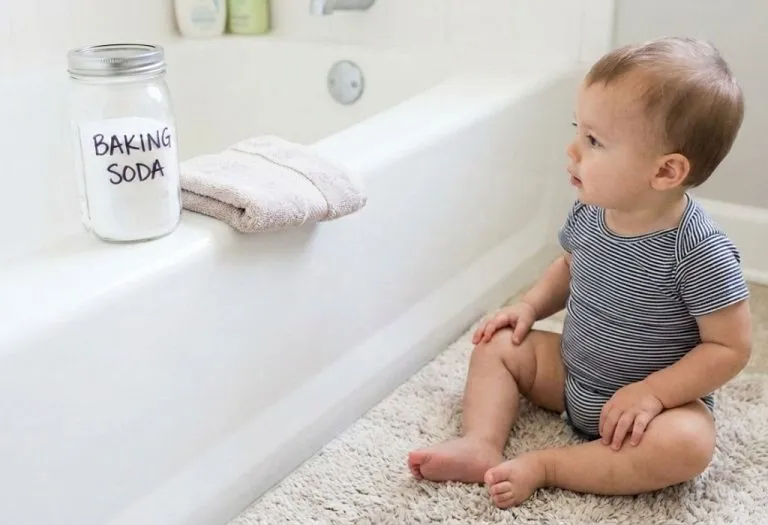
Image Source : AI Generated Image
Baking soda is a popular kitchen ingredient that is a great home remedy for many of your baby’s skin problems. However, we remain unaware of its various benefits and uses. From puffing cakes to dissipating bad odour, baking soda is a multipurpose king. With a pH level of 9, indicating high basicity, many parents wonder if it can be used for babies, considering how delicate and gentle babies are. The use of baking soda for babies is widely known, but many of us are unsure about it. For instance, a baking soda bath for babies is very popular these days as it is said to provide many skin health benefits. Whether it is true and validated by medical experts or just another sham, join us as we navigate through the article.
10 Ways to Use Baking Soda
While there are several uses of baking soda for babies, there are some warnings as well. Parents are advised not to give baking soda to babies as an antacid because it could fatally cause sodium bicarbonate intoxication (1).
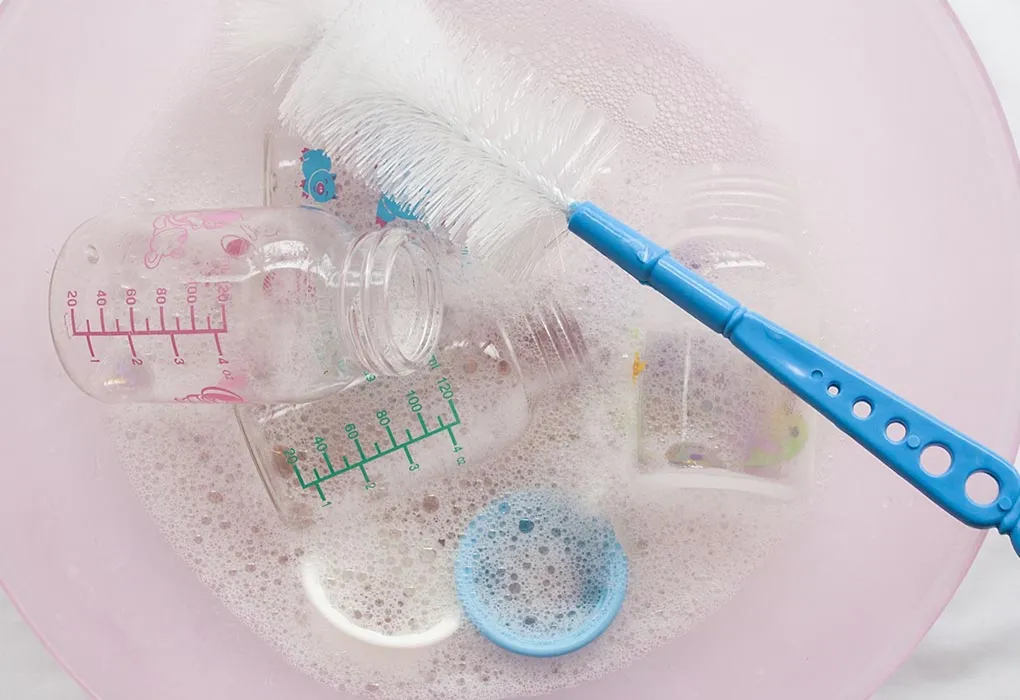
1. Cleaning Feeding Bottles
Baking soda is a well-known kitchen cleaner used to clean bottles, microwaves, countertops, and more. To remove formula buildup from your baby’s bottle, soak the bottle along with the rings and nipples overnight in a baking soda solution prepared by adding four tablespoons of baking soda to 1 quart of warm water. Wash the soaked components with hot water and soap the next day, dry and use.
2. Washing Clothes
Baking soda is a reliable whitening agent that helps to coax out tough stains. If your home has hard water, add a ½ cup of baking soda to one laundry load in your washing machine. This will make your clothes soft and smell fresh. Unwanted stains can be cleaned from your baby’s clothes using baking soda.

3. Baking Soda Bath for Special Medical Ailments: Ichthyosis
Baking soda can be used under a medical expert’s attention in case your child has ichthyosis, which is a skin issue that causes dry, itchy skin (2). However, please get the approval from your child’s paediatrician before making the bath soak for your little one.
To make the bath for your child’s itchyosis, fill the tub with warm water and 2-3 heaped tablespoons (30-45g) of baking soda. Stir the water to dissolve the sodium bicarbonate. Once dissolved, you can let your baby soak in the bath for about 8-10 minutes. After, pat them dry gently with a soft towel and apply the baby moisturiser straight after the bath while the skin is still damp (2).
4. Airing Diaper Pails
Sprinkle a good amount of baking soda in your diaper pails, whether you use disposable or cloth diapers. The soda helps negate the odour till the time you dispose of or clean the diapers. It also helps coat the diapers with baking soda till they go in for a wash.
5. Refresh Stuffed Toys
Babies often spill juices and other food on their toys, making them dirty and smelly. To refresh the toys, sprinkle some baking soda on stuffed toys to remove any odour. Keep it for 15 minutes, and vacuum or brush the soda off. Rinse or remove the baking soda completely, as it should not be ingested by babies.
6. Clean Toys
Babies tend to put toys in their mouths and then throw them away on the floor. This way, toys get germs from the floor, and if they get into the baby’s mouth, they can cause stomach aches. Mix one quarter of warm water with four tablespoons of baking soda (3). Dip a cloth into this solution and wipe your baby’s toys to clean them. Rinse the toys with warm water later. This will remove any odour or dust from them.
7. No More Cradle Cap
Baking soda can act as a mild exfoliating agent. The American Pregnancy Association suggests mixing equal parts of baking soda and water to make a paste. Gently apply the paste to the scalp where you see the remnants of cradle cap. Let it sit for a minute, then rinse it with a gentle, baby-safe shampoo. This will brush away flakes of cradle cap. Do it before bath time, in this way, you’ll be able to easily rinse it off during bath if even a minute residue is left (4).
8. Remove Crayon From the Walls
Works of art can be found on the walls of the house, which have a baby in them. If your baby has scribbled all over the wall with a crayon, just rub the wall with a wet sponge that has some baking soda on it, and you can remove the crayon stains without taking off the paint.
9. Remove Carpet Stains
Babies often pee or spill food items on the carpets. This stains the carpets and often causes them to smell bad. You can break down such stubborn stains from your carpet using a baking soda and vinegar solution. Cover the stain with some baking soda and sprinkle a 1:1 vinegar-water solution over it. Let it rest for 1 hour, and scrub or vacuum the residue.
10. Remove Pesticides From Fruits and Vegetables
There’s a common concern about chemicals in the peels of fruits and vegetables that many parents don’t want to give to their children. Since fruit skins are loaded with nutrients and minerals, peeling is often not considered a viable choice. So, if you are concerned about pesticide residue on your fruits and veggies, then make baking soda your friend. You can soak your fruits, like apples, in a baking soda solution for 10-15 minutes to remove at least 80 per cent of pesticides. However, the solution does not work against the pesticides that have penetrated the fruits/vegetables’ skin.
What Are the Benefits of Using Baking Soda in Your Baby’s Bath?
Many parents might not realise what benefits adding 2 or 3 tablespoons of baking soda to their baby’s bath can bring about. Here are some benefits of a baking soda bath for toddlers:
1. Reduces Diaper Rash
Diaper rash is a condition many babies face, and it can be painful and irritating for them. A baking soda bath for baby diaper rash is a well-known home remedy to relieve itchiness, including yeast-related irritation.
2. Reduces Itchy and Dry Skin
Baking soda is known to relieve itchy skin due to its property to remove oil, dirt and sweat, which may be the cause of itchiness in your baby’s soft skin. Applying baking soda directly to babies’ skin should be strictly avoided. Always dilute it in lukewarm water.
3. Helps Eczema
A baking soda bath for baby eczema can help manage and reduce the symptoms. It can make your baby’s skin soft while cleansing it gently. It will also relieve the irritation caused by eczema. However, do not overdo the bath or do it too frequently.
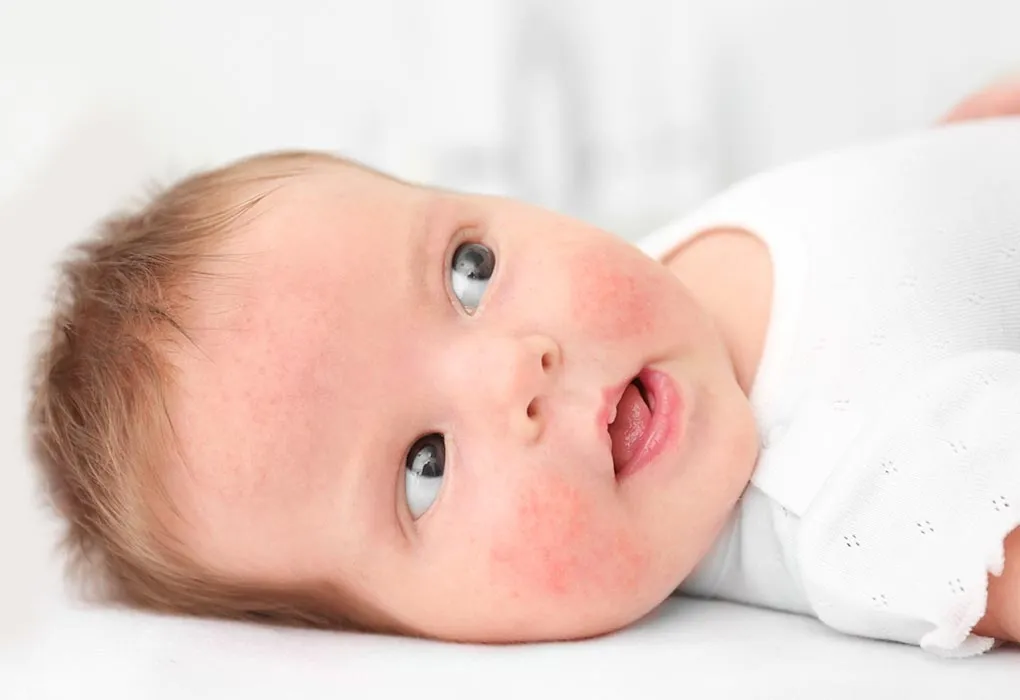
4. Takes Away Bad Odour and Balances pH Levels
If your baby has been sitting with an overnight wet diaper for a long time, it’s bound to smell and make your baby uncomfortable. Add a little baking soda to your baby’s bath to dissipate the bad smells. The reason for this is that since baking soda is alkaline in nature, it will neutralise any bad smell from the diaper and refresh your baby.
However, this shouldn’t be the reason for a daily baking soda bath. Baking soda must only be used occasionally under necessary circumstances and under an expert’s guidance.
FAQs
1. Is it safe to use baking soda in baths for babies?
Generally, it’s safe if you use a small amount of baking soda and keep the bath time short, as the skin can absorb the dissolved baking soda. However, for babies, consult with their paediatrician before using baking soda baths. When adding essential oils to a detox bath, always perform a skin patch test first.
2. How much baking soda should I add to my baby’s bath?
The magic of baking soda and water for baby thrush and diaper rash is unsung. You can add about 2 tablespoons of baking soda to warm water if you are using an infant tub.
The uses of baking soda in daily life are numerous. However, when it comes to babies, we have to be extremely careful before using highly acidic or highly basic ingredients in their diet, as well as on their skin, as they have the most delicate and gentle skin. Direct skin application should be avoided, as it may cause elevated blood sodium levels in children after use (5). Please remember that antacids or baking soda as an antacid or for burping should not be given to children up to the age of 6 years unless they are prescribed by the paediatrician (6) (7). If you have the slightest doubt, make sure to confirm it with your paediatrician and follow their advice.
Also Read:
Aloe Vera for Infants
Is Ubtan Safe for Babies?
Hydrocortisone Cream for Infants
Newborn Baby Care Myths
Tips to Diapering Your Baby at Night
How to Prevent Baby Diaper Leaks
Is Zinc Oxide Safe for Babies?
Was This Article Helpful?
Parenting is a huge responsibility, for you as a caregiver, but also for us as a parenting content platform. We understand that and take our responsibility of creating credible content seriously. FirstCry Parenting articles are written and published only after extensive research using factually sound references to deliver quality content that is accurate, validated by experts, and completely reliable. To understand how we go about creating content that is credible, read our editorial policy here.
1. National Library of Medicine – Baking soda: a potentially fatal home remedy
2. Great Ormond Street Hospital for Children NHS Foundation Trust – Sodium bicarbonate baths
3. Extension Oconto County – Baking Soda — The Everyday Miracle ™
4. American Pregnancy Association – Cradle Cap Symptoms and Natural Treatments
5. RxList – SODIUM BICARBONATE
6. Mayo Clinic – Sodium bicarbonate (oral route, intravenous route, subcutaneous route)
- Author
- Expert Reviewer
 About the Author



.svg)