


Prenatal Vitamins – Importance and Daily Dosage
Learn the importance and right daily dosage of pregnancy vitamins for a healthy mother and baby during every stage.





Medically Reviewed By
Richa Sharma
(Paediatric Nutritionist)


In this Article
- What Are Prenatal Vitamins?
- Who Should Take Prenatal Vitamins?
- Importance of Prenatal Vitamins During Pregnancy
- Are There Side Effects of Prenatal Vitamins?
- When Should You Start Taking Prenatal Vitamins?
- Prenatal Supplements for Pregnant Women
- How Can You Choose the Right Prenatal Supplements?
- What Is Included in Prenatal Vitamins?
- Difference Between Prenatal Vitamins and Other Vitamins
- Daily Recommended Prenatal Vitamins with Dosage
- FAQs
View More
The responsibility of a mother starts before even trying to get pregnant. Jeannette Lager, gynaecologist and assistant professor at San Francisco, California suggests three steps to be taken before getting pregnant. The first is to start pregnancy vitamins, the second to schedule a preconception visit, and the last to consider a genetic carrier screening.
Taking prenatal vitamins during pregnancy is necessary, as we do not get enough nutrition from all the food we eat. Even when consuming a wide variety of foods, including dairy products, meat, fruits, vegetables, grains, and legumes, there might be a nutritional gap that needs to be filled by supplements. Not all food items have the required supplements. The pollution, chemicals used in farming, and improper storage of food reduce the vital nutrients we need.
What Are Prenatal Vitamins?
Prenatal vitamins are specific crucial nutrients that are recommended to be taken in the form of supplements preferably even before trying to conceive. They ensure that the right amount of vitamins are present in the body during pregnancy. Taking prenatal vitamins is especially crucial for women with dietary restrictions, health issues or pregnancy complications (1). This is something that should not be avoided to ensure the proper health of the mother and baby.
Who Should Take Prenatal Vitamins?
Prenatal vitamins are recommended for pregnant women who:
- Are vegetarian or vegan
- Suffer from lactose or any other intolerance
- Smoke
- Have a blood disorder
- Have an eating disorder
- Suffer from some chronic disease
- Had gastric bypass surgery
- Expecting twins or multiples
Importance of Prenatal Vitamins During Pregnancy
Vitamins and pregnancy go hand in hand, because they provide vital nutrients needed for both the mother and the developing baby. Here are a few important ones (1):
- Folate Supports Neural Tube Development: Folate (or folic acid) helps prevent neural tube defects in the baby, such as spina bifida and anencephaly, by supporting proper brain and spinal cord formation (2).
- Iron Helps Prevent Maternal Anaemia: Iron boosts the production of red blood cells, helping prevent anaemia, a condition that can cause fatigue and affect oxygen supply to the baby (3).
- Calcium Strengthens Bone and Teeth Formation: Calcium supports the development of the baby’s bones and teeth while also protecting the mother’s bone density during pregnancy (4).
- DHA Aids in Brain and Eye Development: DHA, an omega-3 fatty acid, is important for the baby’s brain and vision development, contributing to healthy cognitive and visual function (5).
- Vitamin D Supports Immune Function and Bone Health: Vitamin D helps the body absorb calcium efficiently and supports the immune system, benefiting both the mother and the developing baby (6).
Are There Side Effects of Prenatal Vitamins?
Prenatal vitamins may cause constipation, nausea, diarrhoea, dark stools, low appetite, stomach upset, and cramps. In any such cases, consult the doctor for side effects and its remedy. It is important to take proactive measures so that any side effects can be immediately rectified. A doctor will be best able to guide you, should you notice any side-effects.
When Should You Start Taking Prenatal Vitamins?
Consuming prenatal vitamins can be started before trying to conceive. This will ensure the presence of the best vitamins for a healthy pregnancy in the body right from the start (7). Also, the baby’s neural tube which develops into the brain and spinal cord forms during the first few months of pregnancy; that is even before one knows that they are pregnant. Taking folic acid, among other prenatal vitamins, ensures that the baby is protected against neural tube defects. Also, prenatal nutrition contain iron, iodine, and calcium, too, which provide adequate production of blood and strong bones for both the mother and the baby.
Prenatal Supplements for Pregnant Women
It is best to take prenatal supplements through the entire pregnancy, as they will provide consistent nourishment to the developing baby. For some moms, the doctor might suggest continuing supplements after the birth, too, especially during breastfeeding. Doctors strongly recommend continuing prenatal supplements in the first trimester, to ensure proper health for mothers and babies.
How Can You Choose the Right Prenatal Supplements?
As there are no standards set, it is up to the doctor and the consultant to decide a safe and appropriate option. Doctors and gynaecologists have abundant experience in tackling these issues, which makes them the right people to recommend a supplement to you according to your health needs.
What Is Included in Prenatal Vitamins?
Prenatal vitamins contain a blend of essential nutrients that support both the mother’s health and the baby’s development throughout pregnancy. Here are a few key nutrients commonly included in prenatal vitamins (8).
1. Folic Acid
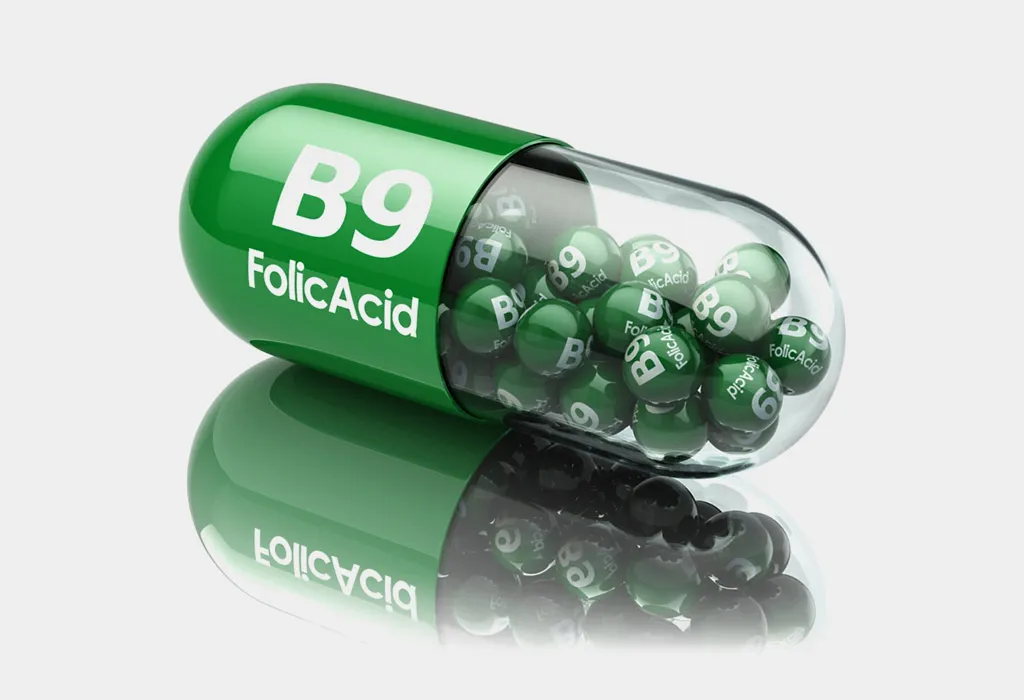
Folic acid supports early brain and spinal cord development and helps prevent neural tube defects (2).
2. Iron
Iron helps prevent anaemia by supporting healthy red blood cell production and improving oxygen flow to the baby (3).
3. Calcium
Calcium strengthens the baby’s bones and teeth while helping maintain the mother’s bone density (4).
4. Vitamin D
Vitamin D improves calcium absorption and supports immune and bone health for both mother and baby (6).
5. DHA
DHA, an omega-3 fatty acid, aids in the baby’s brain and eye development (5).
Difference Between Prenatal Vitamins and Other Vitamins
Usually, women do take multi-vitamins on a regular basis, so one might wonder if there is indeed a need to take up prenatal vitamins especially during pregnancy. Well, there is, as prenatal vitamins contain more folic acid and iron than the typical daily capsules. Folic acid supports proper development of the neural tube. The neural tube forms the spinal cord and brain. Iron, on the other hand, promotes overall growth and development of the baby. At the same time, it augments the growth of healthy red blood cells preventing anaemia in the newborn (8).
Daily Recommended Prenatal Vitamins with Dosage
Here is a list of essential prenatal nutrients that needs to be taken daily along with the source (9).
| Name of the nutrient | Recommended Daily Amount | Why is it needed? | Sources |
| Calcium | 1000 milligrams | Builds bones and teeth | Milk, yoghurt, cheese, dark leafy vegetables and sardines |
| Iron | 27 milligrams | Helps red blood cells deliver oxygen and supports overall development | Split peas, spinach, broccoli, prunes, poultry, lean red meat |
| Folic Acid | 600 micrograms | Prevents birth defects of the brain and spine | Orange, spinach, leafy vegetable, beans, bread, rice, kinds of pasta |
| Vitamin B12 | 2.6 micrograms | Maintains nervous system | Eggs, milk products, fish, poultry, shellfish, some rice and soy beverages |
| Vitamin B6 | 1.9 milligrams | Helps in consumption of protein, fat and carbohydrates as well as forms red blood cells | Beef, liver, pork, ham, whole-grain cereals and banana |
| Vitamin D | 600 international unit | Builds healthy bones and teeth. Promotes healthy eyesight and skin | Egg yolks, cheese, beef liver, soy milk, orange juice |
| Vitamin C | 85 milligrams | Absorbs iron and fosters the growth of gums, teeth and bones. | Brussel sprouts, bell pepper, papaya, pineapple |
| Vitamin A | 770 micrograms | Forms healthy skin and eyesight. Helps with bone growth. | Sweet potato, green leafy vegetables, milk, fish |
Please note that even though our food may contain all the nutrients in most cases, it might not be possible to eat sufficient amounts of all types of food daily. Hence, opting for supplements will fill the nutrition gap. At the same time, it is important to remember that it is only a supplement, and not a substitute for the actual food. Following a good healthy diet is also necessary for good health.
FAQs
1. How many prenatal vitamin pills can you take in a day?
In most cases, one tablet per day is taken. Doubling up of the dose at times can be unnecessary unless told by a medical practitioner. It is recommended not to take any other vitamins or mineral supplements while taking prenatal supplements unless advised by the doctor.

2. What if you have trouble swallowing vitamins during pregnancy?
Ask your doctor to prescribe a smaller pill with a slick coating. Alternatively, there are chewable pills and powdered supplements that can be mixed with water for consumption. There are also smaller pills available that make taking your daily medication easy.
3. What if vitamins upset your stomach?
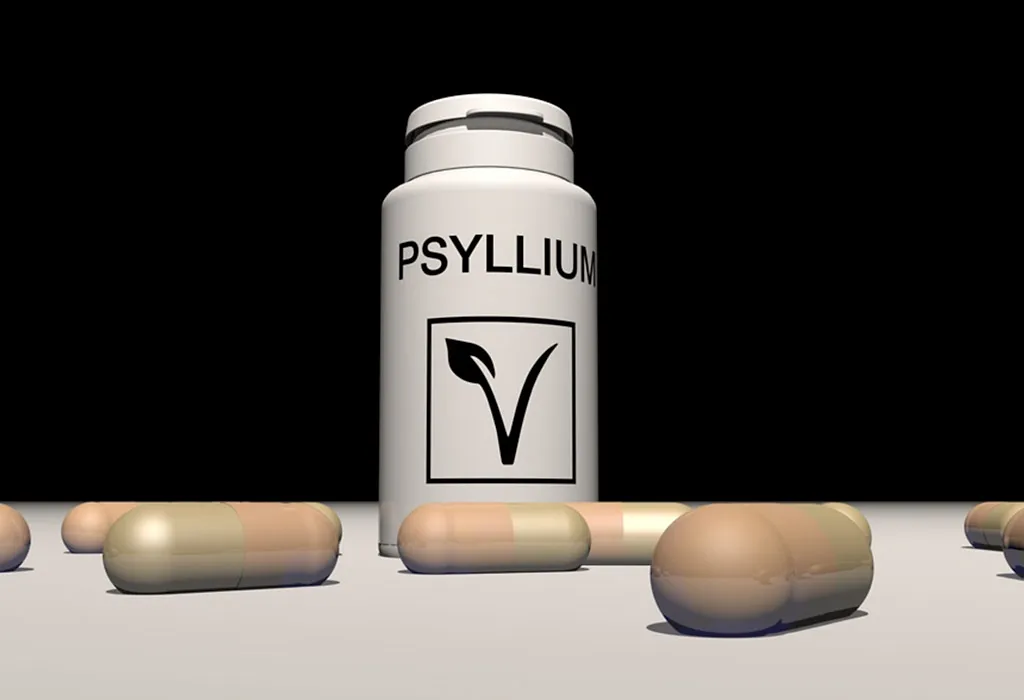
Supplements can upset your gastrointestinal tract and cause queasiness. To avoid this, try taking your pills with a meal or at bedtime. In other cases, iron supplements can cause constipation. Talk to your doctor to switch the pill, or try to ease constipation by drinking prune juice. Eating 2-3 servings of fruit a day or taking a psyllium fibre supplement helps too. Psyllium is sold in the form of powder pills and is known to be a laxative.
4. What if the vitamins make you feel nauseous?
Talk to the doctor to replace the current pill with a one that suits you better, but remember that switching from bouncing off one pill to the other is also not a good practice if it happens frequently. A change in supplements should not be done without consulting the doctor.
5. Should you be concerned about other nutrients as well?
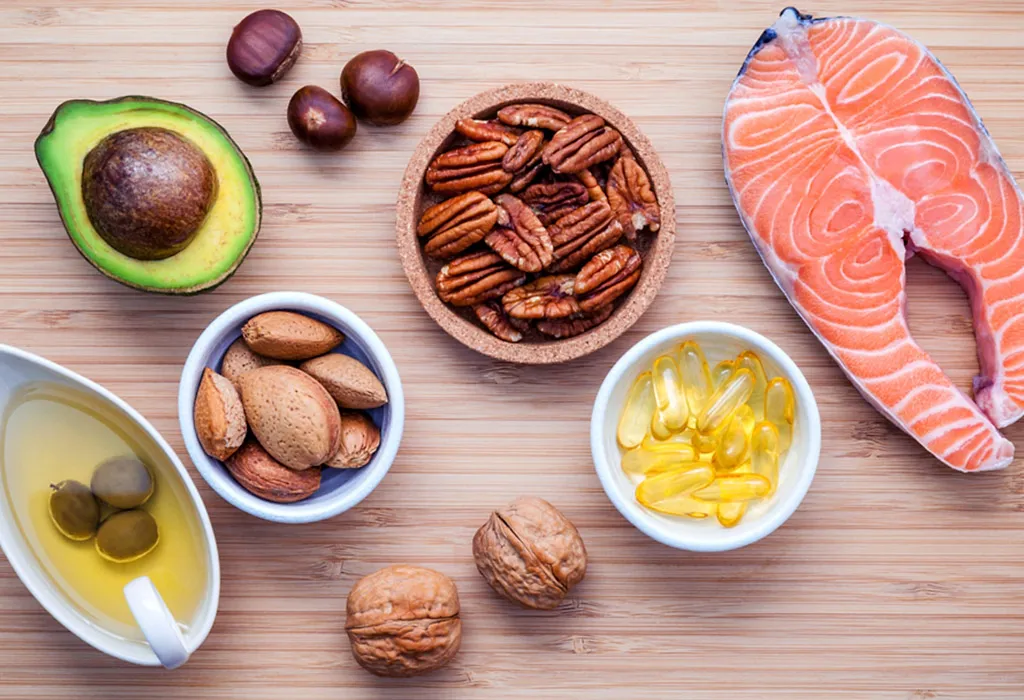
Some pre pregnancy vitamins might not contain other essential nutrients like omega-3 fatty acids. For women who do not eat certain food items, consulting a doctor to fix the nutritional gap is important. You can get omega-3 fatty acids from salmon and tuna. Walnuts and olive oil are also considered to be good sources.
6. How long should you take prenatal vitamins?
Vitamins should be consumed throughout pregnancy. Calcium and Vitamin D are important prenatal supplements during the first trimester as the baby’s bones are growing rapidly and require strengthening. In some cases, the doctor may as well prescribe a vitamin pill even after birth. This is because the body needs to replenish the loss of nutrition. While breastfeeding, taking prenatal pills will ensure the baby gets the nutrients from the milk.
Refer to the chart above to understand the best vitamins for a healthy pregnancy, but before you decide to include any supplement to in your diet, do remember that it should be done under the guidance of your doctor.
Women’s pregnancy vitamins should be considered seriously and discussed with the health-care specialist before and after pregnancy. Talk to the doctor to make a wise choice keeping in mind your overall health and dietary intake.
Also Read:
Vitamin B1 in Pregnancy
Vitamin C during Pregnancy
Vitamin B12 while Pregnant
Taking Vitamin E during Pregnancy
Was This Article Helpful?
Parenting is a huge responsibility, for you as a caregiver, but also for us as a parenting content platform. We understand that and take our responsibility of creating credible content seriously. FirstCry Parenting articles are written and published only after extensive research using factually sound references to deliver quality content that is accurate, validated by experts, and completely reliable. To understand how we go about creating content that is credible, read our editorial policy here.
- Author
- Expert Reviewer
 About the Author