

9 Months Pregnant – Belly, Symptoms, Baby Development, Diet & Precautions
Complete guide to the final stage of pregnancy with baby growth, body changes, healthy diet, and essential care tips.





In this Article
- 9 Month Pregnancy Symptoms
- Physical and Emotional Changes You Can Experience During 9 Months Pregnancy
- Your Belly at 9 Month of Pregnancy
- Baby Development During 9 Month of Pregnancy
- Baby Movement and Baby Position When Nine Month Pregnant
- Foods to Eat and Avoid During the 9 Month of Pregnancy
- What Should You Expect During Visit to the OB/GYN?
- Precautions to Take at 9 Month Pregnancy
- Activities to Do at Nine Month of Pregnancy
- 9 Month Pregnancy Checklist
- Tips for Dad to Be
- When to Consult a Doctor?
- FAQs
View More
At 9 months pregnant, it feels like your baby has officially taken over every inch of space inside your body. Sleeping becomes a challenge, walking turns into a slow-motion workout, and even tying your shoelaces starts feeling like an Olympic event. Along with the excitement of finally meeting your little one, this last stage of pregnancy also brings plenty of questions about symptoms, baby development, diet, and the precautions you should take before delivery. Don’t worry, we’ve covered everything you need to know in this article. After all, since your relatives have already scared you enough with their “delivery stories,” you might as well read something actually useful.
9 Month Pregnancy Symptoms
While every pregnancy is different, the following signs are common during this stage.
1. Increased Pelvic Pressure
As the baby moves lower into the pelvis, many women feel heaviness or pressure in the lower abdomen. This sensation often makes walking or standing for long periods uncomfortable.
2. Frequent Urination
The baby’s position places added pressure on the bladder. This leads to more frequent trips to the bathroom, especially at night (1).
3. Lower Back Pain
Strain on the lower spine increases as the baby gains weight and settles into position. Back pain may come and go or remain constant during daily activities.
4. Braxton Hicks Contractions
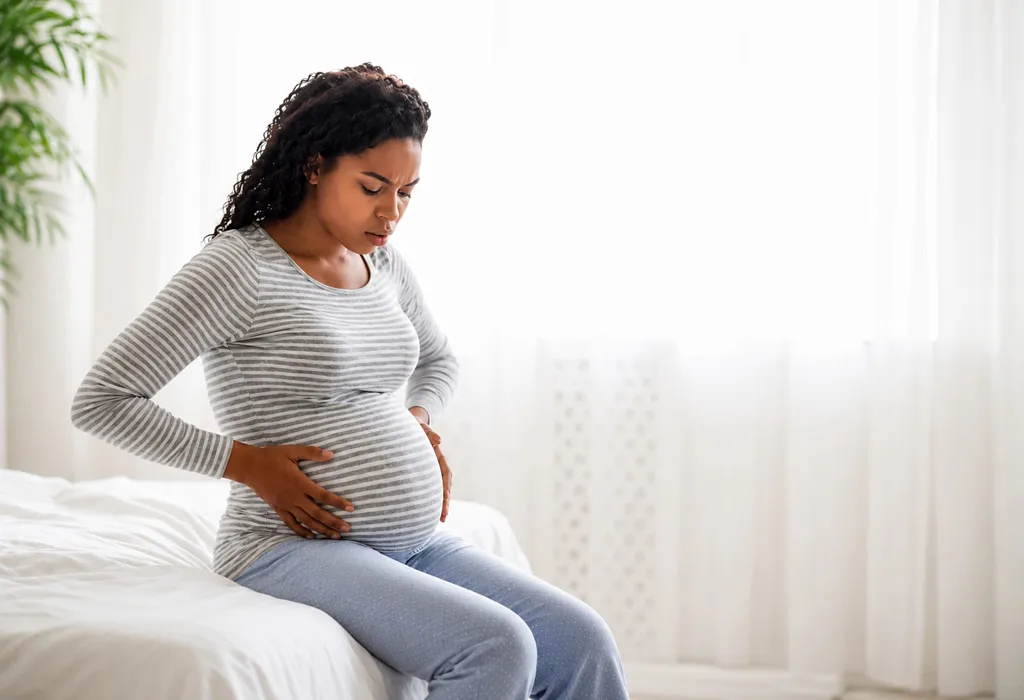
These practice contractions may become stronger and more regular in the ninth month. They are usually irregular and do not increase steadily like true labour contractions (2).
5. Swelling in Feet and Ankles
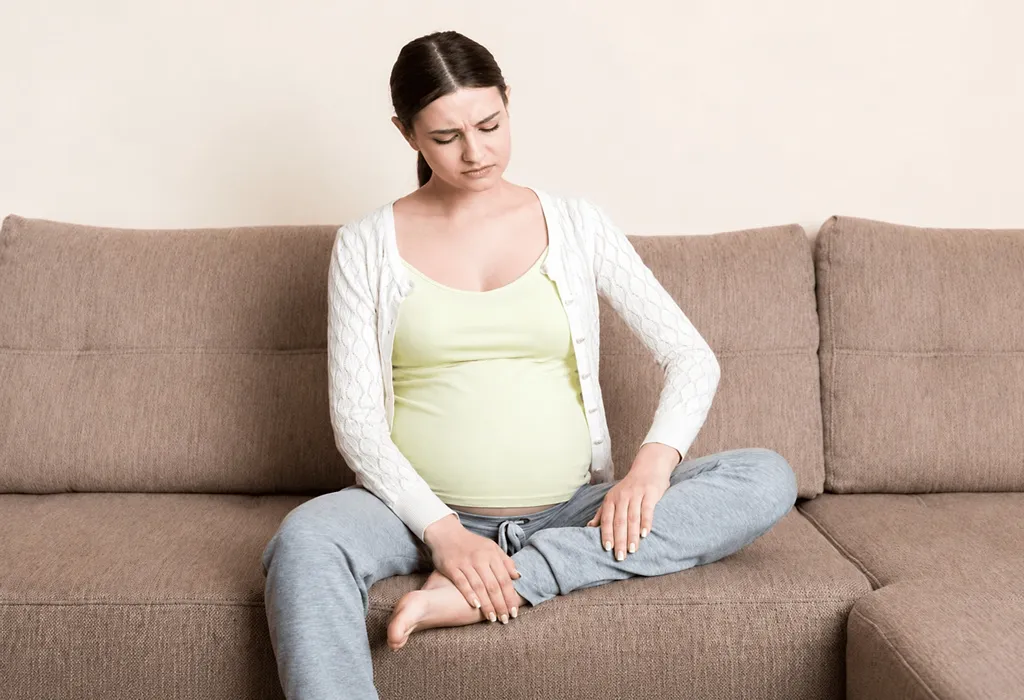
Fluid retention and reduced circulation can cause swelling in the lower limbs. This is often worse by the end of the day and improves with rest (3).
6. Fatigue and Sleep Difficulty
Carrying extra weight and physical discomfort can make sleep restless. Many women feel tired even after a full night in bed.
7. Changes in Appetite
Some women notice a reduced appetite as the baby drops lower, while others feel hungry more often. Digestive discomfort can also affect eating patterns.
8. Nesting Urge
A sudden burst of energy or desire to organise the home is common near the end of pregnancy. This instinctive behaviour often signals that labour may be approaching (4).
Physical and Emotional Changes You Can Experience During 9 Months Pregnancy
As your due date gets closer, your body and mind go through several changes to prepare for labour and delivery. Here are some common physical and emotional changes you may experience during this stage of pregnancy.
1. Physical Changes
- Your belly may appear larger and lower as the baby moves down into the pelvis.
- Back pain and pelvic discomfort may become more noticeable due to the baby’s weight.
- Swelling in the feet and ankles is common, especially after standing or walking for long periods.
- Stretch marks may become more visible as the skin stretches further during the final stage of pregnancy (3).
- Skin darkening around the nipples and abdomen is common due to hormonal changes (5).
- Breasts may start leaking colostrum, which is the first milk produced for the baby (6).
2. Emotional Changes
- Mood swings can happen because of hormonal fluctuations and physical discomfort.
- Anxiety or nervousness about labour, delivery, and caring for the baby can increase (7).
- Forgetfulness and difficulty concentrating are also commonly experienced during this phase.
- Many women develop a nesting instinct and feel the urge to clean, organise, and prepare for the baby’s arrival.
Your Belly at 9 Month of Pregnancy
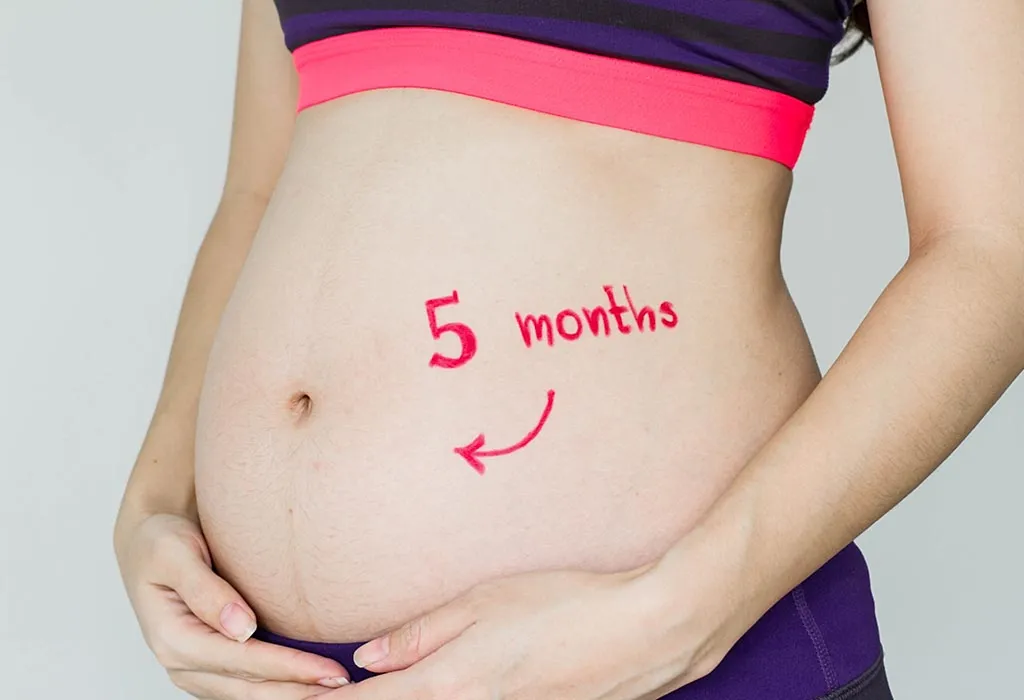
During the final month of pregnancy, your baby goes through rapid growth, which makes your 9 months pregnant belly appear bigger and feel heavier. You may also notice your bump dropping slightly lower as the baby gets into position for delivery (8). Along with this, stretching and tightness around the abdomen become more noticeable in the last few weeks.
However, every pregnancy belly looks different, and there is no fixed shape or size for a baby bump. Factors like your height, body type, and muscle tone can affect how you carry your baby.
Baby Development During 9 Month of Pregnancy
A 9 month fetus usually weighs around 4.2-5.8 lb (1.9-2.6 kg), and the CRL (crown-rump length) measures about 17.2-18.7 in (43.7-47.4 cm) (3).
Let’s take a look at how different body parts develop during this final stage of pregnancy.
| Parts of Body | Development of Baby |
| Skin | The skin becomes smooth and pink (8). |
| Lungs | The lungs are almost fully developed (9). |
| Eyes | The baby starts opening, closing, and blinking the eyes. |
| Lanugo | The fine body hair called lanugo completely disappears (10). |
| Genitals | In boys, the testes move into the scrotum, while in girls, the labia cover the clitoris. |
| Head | The head becomes covered with hair. |
| Nails | Fingernails grow up to the fingertips (11). |
| Muscles | The muscles become stronger, allowing the baby to turn and lift the head. |
| Ears | The earlobes remain soft with very little cartilage. |
Baby Movement and Baby Position When Nine Month Pregnant
By the ninth month of pregnancy, your baby is almost ready to make their grand entrance into the world. Movements may start to feel different now, not because the baby is less active, but because there’s barely any room left inside your belly for those dramatic karate kicks (12). You may notice more rolls, stretches, and strong pushes instead of quick flips.
During this stage, the baby usually settles into a birth position. The most common and safest position is head-down, where the baby’s head moves toward the pelvis for normal delivery. Some babies may remain in a breech position, where the feet or bottom are facing downward, while others may lie sideways in a transverse position (13).
Foods to Eat and Avoid During the 9 Month of Pregnancy
There’s no need to say how important proper nutrition is during the ninth month of pregnancy. The foods you eat during this stage can help keep you healthy, maintain your energy levels, and support your baby’s final growth and development. To make things easier for you, we have curated a list of foods you should eat and foods you should avoid during this phase of pregnancy.
Foods to Eat
Let’s start with the foods you should include in your diet during the ninth month of pregnancy. Here are some foods that are beneficial during this stage (14):

- Fresh fruits such as bananas, apples, oranges, and berries.
- Green leafy vegetables like spinach and broccoli.
- Whole grains including oats, brown rice, and whole wheat bread.
- Protein-rich foods such as eggs, lentils, beans, chicken, and fish.
- Dairy products like milk, yogurt, and cheese for calcium intake.
- Nuts and seeds including almonds, walnuts, and flaxseeds.
- Iron-rich foods such as dates, beetroot, and lean meat.
- Plenty of water and fresh fluids to stay hydrated.
Foods to Avoid
Now that you know what to eat, it’s equally important to understand which foods should be avoided. Here are some foods that should stay off your plate (15):
- Raw or undercooked meat, fish, and eggs.
- Unpasteurised milk and dairy products.
- Excessively spicy or oily foods that may cause heartburn.
- Processed and packaged foods high in salt and preservatives.
- Raw papaya and pineapple.
- Caffeinated drinks such as strong coffee and energy drinks.
- Sugary foods and sweets that offer little nutritional value.
What Should You Expect During Visit to the OB/GYN?
If you’re wondering what usually happens during visits to the OB/GYN, here are a few things you can expect during your appointment.

- Your doctor will check your blood pressure, weight, and overall health during every visit.
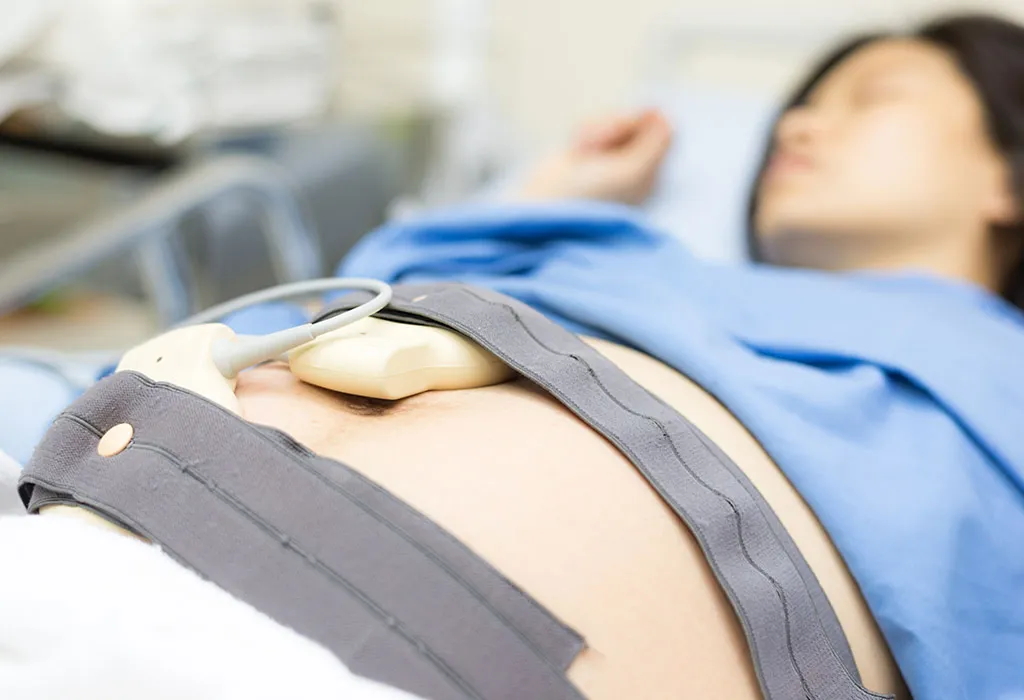
- The baby’s heartbeat and movements are usually monitored to ensure the baby is active and healthy.
- The OB/GYN may examine the baby’s position to see if the head is facing downward for delivery.
- You may be asked about symptoms like contractions, swelling, fluid leakage, or reduced baby movement.
- A cervical examination may be done to check if the body is preparing for labour.
- The doctor may also discuss signs of labour, delivery plans, and when you should immediately visit the hospital.
Precautions to Take at 9 Month Pregnancy
The ninth month of pregnancy is the final stage before delivery, so taking proper care of your health becomes even more important. Here are a few simple precautions that can help keep both you and your baby safe and comfortable until labour begins.
- Attend all scheduled prenatal checkups without skipping appointments.
- Keep tracking your baby’s movements every day and contact your doctor if movements reduce suddenly.
- Avoid lifting heavy objects or doing physically exhausting work.
- Stay hydrated by drinking enough water throughout the day.
- Eat healthy and balanced meals rich in iron, protein, calcium, and vitamins.
- Avoid junk food, excessive sugar, and oily meals that may cause discomfort or indigestion.
- Get proper rest and avoid standing for long periods of time.
- Sleep on your left side to improve blood flow to the baby (16).
- Avoid stress, anxiety, and unnecessary emotional pressure.
- Wear loose and comfortable clothes along with supportive footwear to prevent falls.
- Do light walking or pregnancy-safe exercises only if recommended by your doctor.
- Avoid travelling long distances unless absolutely necessary.
- Do not ignore symptoms like bleeding, severe pain, fluid leakage, or strong contractions.
- Maintain proper personal hygiene to reduce the risk of infections.
- Keep your hospital bag and important documents ready before the due date.
- Avoid taking medicines or herbal remedies without medical advice.
Activities to Do at Nine Month of Pregnancy
As you reach the ninth month of pregnancy, your body starts slowing down, and you may not feel like doing too much physically. To help you make the most of this stage, here are some simple activities you can safely do during the final month of pregnancy.

- Go for short, slow walks to stay active and improve circulation.
- Practice prenatal yoga or gentle stretching for relaxation.
- Do breathing exercises or meditation to reduce stress and prepare for labour.
- Read books, listen to music, or podcasts to keep your mind calm.
- Spend quiet time with your partner or family for emotional support.
- Try light hobbies like journaling, knitting, or sketching.
- Take short naps and rest whenever your body feels tired.
9 Month Pregnancy Checklist
To help you feel more prepared, here’s a simple checklist you can follow during this final stage.
- Pack your hospital bag with essentials like clothes, toiletries, and baby items so you are ready anytime.
- Keep all your medical records, reports, and ID proofs in one place for quick access during hospital visits.
- Stay aware of labour signs such as regular contractions, water breaking, or reduced baby movements.
- Confirm your hospital details and make sure you know the route and contact numbers.
- Arrange newborn essentials like clothes, diapers, blankets, and feeding items at home.
- Keep emergency contact numbers saved and easily accessible.
- Discuss your birth plan and preferences with your doctor.
- Install a baby car seat in advance if you will be travelling by car.
Tips for Dad to Be
The final month of pregnancy can be just as emotional and important for dads-to-be as it is for the mother. If you’re unsure about how to help, here are some simple but meaningful ways to be there during this stage.

- Be emotionally supportive and stay calm during mood swings, stress, or discomfort.
- Attend doctor appointments.
- Help with household chores and daily tasks.
- Keep the hospital bag, important documents, and transport arrangements ready before the due date.
- Learn the signs of labour so you can react quickly during an emergency.
- Spend quality time together and reassure your partner, as emotional comfort is very important before delivery.
When to Consult a Doctor?
While some discomforts are normal in the final month of pregnancy, certain signs should never be ignored and may need medical attention. If you’re unsure about when to reach out, here are some clear situations where you should consult your doctor (17).
- Heavy vaginal bleeding or spotting that increases suddenly.
- Severe or persistent abdominal pain.
- Regular contractions before 37 weeks or very painful tightening.
- Leakage or sudden gush of fluid from the vagina (water breaking).
- Noticeably reduced or no baby movements.
- Severe headache that doesn’t go away.
- Blurred vision or seeing spots.
- Sudden swelling in hands, face, or feet.
- High fever or chills.
- Pain or burning during urination.
- Dizziness or fainting spells.
- Any symptom that feels unusual or worrying to you.
FAQs
1. How many weeks is 9 months pregnant?
9 months pregnant in weeks is usually around 36 to 40 weeks, which is the final stage of pregnancy when the body prepares for labour and delivery.
2. Is 9 months pregnant with twins different from a single pregnancy?
9 months pregnant with twins may involve more pressure on the body, increased fatigue, and closer medical monitoring compared to a single pregnancy.
The last month of pregnancy often feels like a waiting game where every day brings a new emotion, a new symptom, or another guess from people around you about when the baby will arrive. While the excitement keeps building, this is also the time to slow down, take care of yourself, and enjoy these final moments before your little one finally makes their appearance.
Also Read:
Baby Movement During the 9th Month of Pregnancy
9th Month Pregnancy Exercise for Normal Delivery
Benefits of Normal Delivery for the Mom and Baby
Was This Article Helpful?
Parenting is a huge responsibility, for you as a caregiver, but also for us as a parenting content platform. We understand that and take our responsibility of creating credible content seriously. FirstCry Parenting articles are written and published only after extensive research using factually sound references to deliver quality content that is accurate, validated by experts, and completely reliable. To understand how we go about creating content that is credible, read our editorial policy here.
1. Tommy’s – 36 weeks pregnant: baby’s development, common symptoms and pain relief in labour
2. Cleveland Clinic – Braxton Hicks Contractions
4. Cleveland Clinic – Nesting Instinct When Pregnant
5. PubMed Central – Extensive hyperpigmentation during pregnancy: a case report
6. Cleveland Clinic – Colostrum
8. Sutter Health – Fetal Development: Third Trimester
9. Charlotte Lozier Institute – Month 9
10. Cleveland Clinic – Fetal Development
11. South Dakota Department of Health – FETAL GROWTH AND DEVELOPMENT
13. Cleveland Clinic – Fetal Positions
14. Narayana Health – Foods to Eat During Your Third Trimester
15. NHS – Foods to avoid in pregnancy
- Author


Related Articles
-

First Trimester of Pregnancy - Symptoms, Body Changes & Diet
-

4 Months Pregnant - Symptoms, Belly, Baby Growth & Care
-

Does a Child's Taste Preferences Develop in the Womb?
-

2nd Trimester Pregnancy - Symptoms, Baby Growth & Body Changes
-

6th Month of Pregnancy - Symptoms, Baby Development & Precautions to Take
-

Third Trimester of Pregnancy - Symptoms, Body Changes & Diet