28 Weeks Pregnant – Symptoms, Baby Size, Belly & Care





Medically Reviewed By
Dr. Sabiha Anjum
(Gynecologist/Obstetrician)

This health content has been medically reviewed by qualified experts and follows the FirstCry Parenting editorial policy to ensure accuracy and reliability.
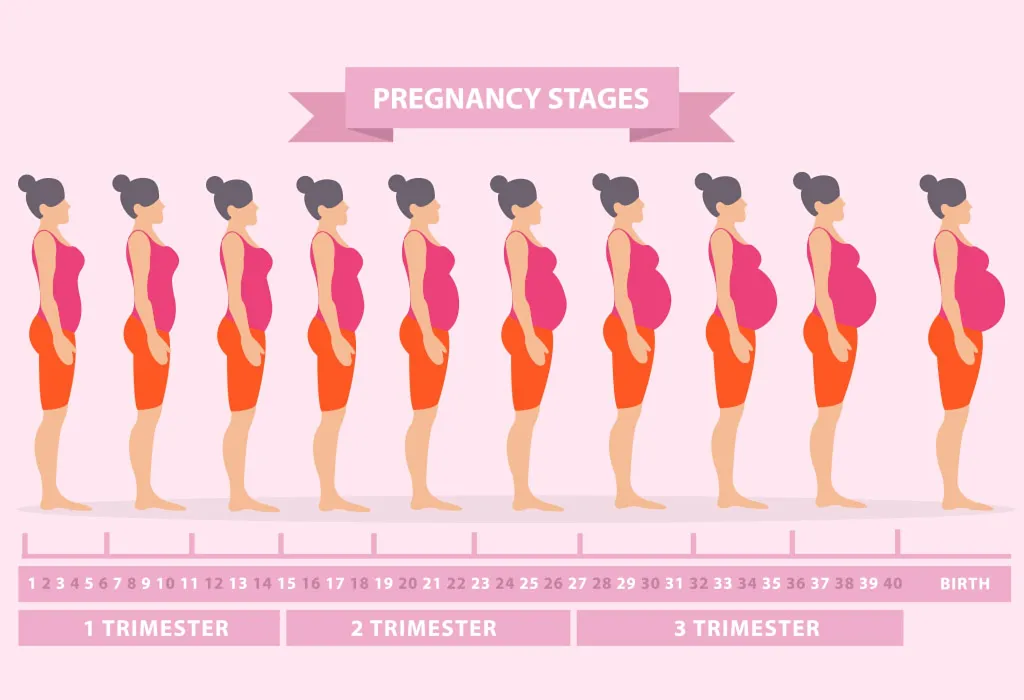
At 28 weeks gestation, you are entering the third and final trimester of your pregnancy, which is expected to last until week 40, when you are most likely to give birth. Isn’t that an amazing feeling? The third trimester typically lasts from the 7th month to the 9th month of pregnancy, and there is a high chance that labour pains may start a couple of weeks before the due date. At this crucial juncture of the 28th week of pregnancy, your doctor may ask you to visit at least once every 2 weeks, depending on your pregnancy progress. In this article, we’ll discuss everything you need to know about the 28th week of pregnancy, including key symptoms, your baby’s growth, dietary tips, and self-care recommendations.
Your Baby’s Growth During Pregnancy – Week 28
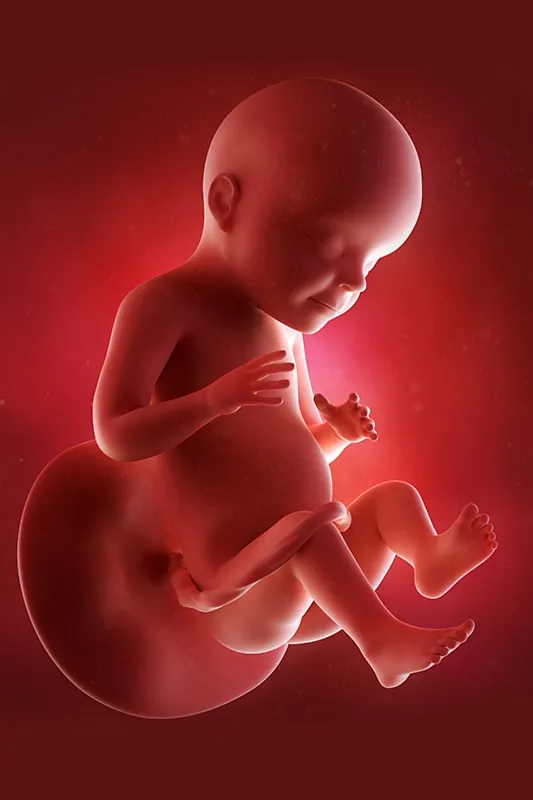
By week 28, your baby can blink her eyes, and her eyesight is developing. She is able to see the faint light entering your womb. Her little brain is also developing billions of neurons and can perform tasks such as blinking, dreaming, and controlling her body’s temperature (5).
The biggest transformation in the third trimester is the development of your baby’s bones from cartilage, which happens in the 7th and 8th months. Make sure that you eat a lot of calcium-rich foods, as your baby requires all the calcium for bone development.
Your baby will also develop all her five senses during the third trimester. This would include the development of her touch receptors (around week 29 or 30), along with other sensory signals like light perception, tasting what you eat, and listening to your voice, all of which happen by week 31.
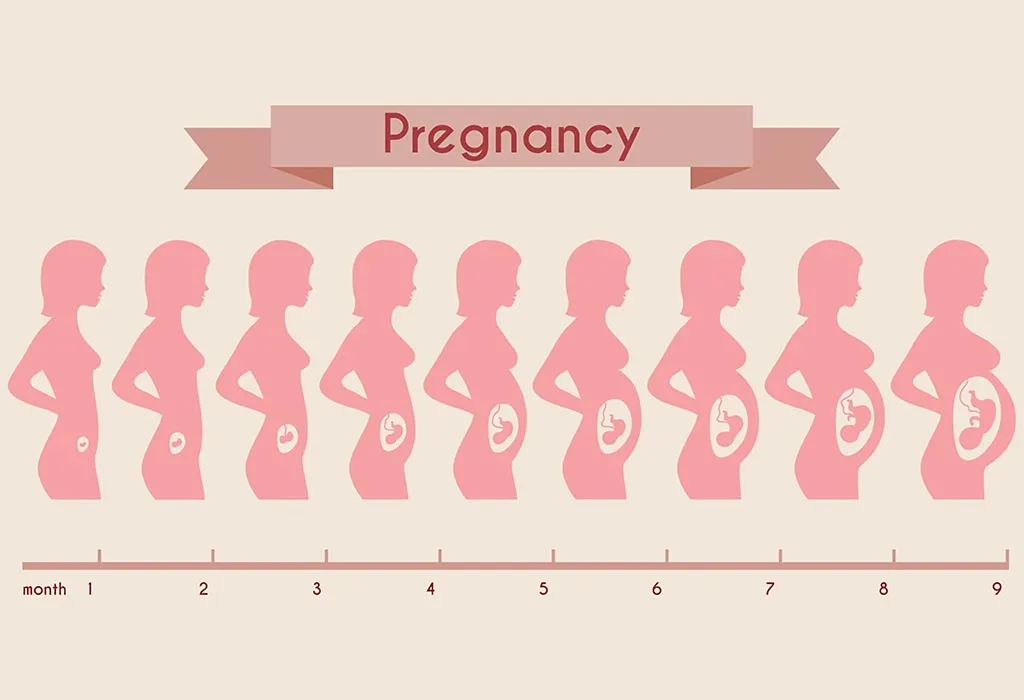
28 Weeks in Pregnancy Is How Many Months?
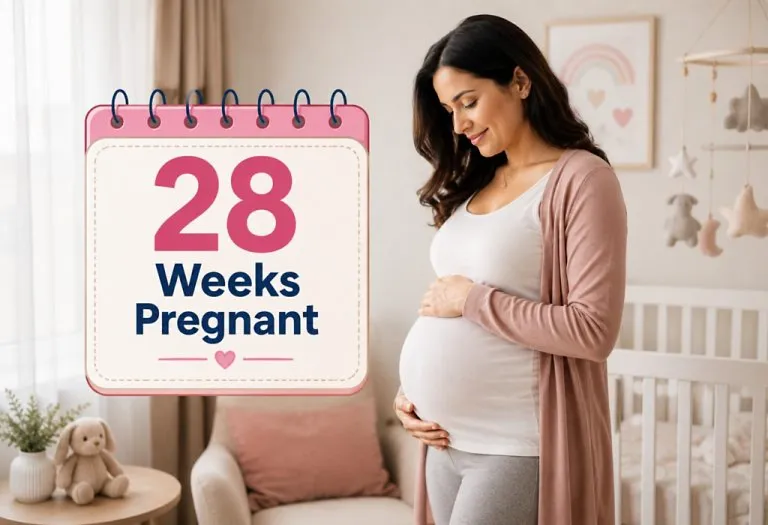
At twenty-eight weeks pregnant, you are in the seventh month of pregnancy. With only about 12 weeks to go, this is an exciting and crucial time as you prepare for the arrival of your baby (4).
What Is the Baby’s Size?
When you are 28 weeks pregnant, the baby’s size is around the size of a large eggplant, and it will weigh around 2.25 pounds (approximately 1.02 kg). The baby is now about 14.25 to 14.80 inches long (1).
The third trimester is also the fastest period of growth for babies, as they grow from 16 inches to around 19-22 inches by the 40th week of pregnancy. Along with height, the weight of your baby also increases at 28 weeks gestation. From about 1 kilogram at the beginning of the 28th week to between 2 and 4 kilograms by the 40th week, your tiny human grows bigger by the day!
| Measurement | Progress |
| Length (crown to heel) | About 14.80 inches |
| Weight | About 2.22 pounds (1 kg) |
| Skills | Can hiccup, suck, kick, blink, roll, and grasp |
Common Body Changes
With all the baby development happening inside your 28 weeks pregnant belly, you are going to experience more body changes during pregnancy in this final trimester.
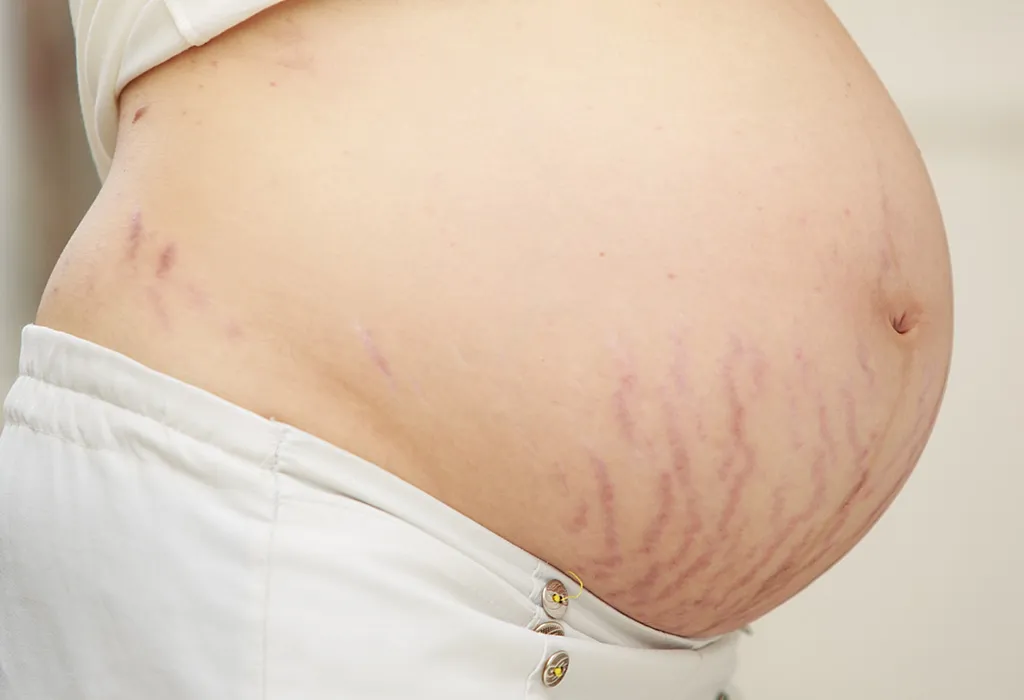
Common body changes that occur during this pregnancy period can include:
- The appearance of stretch marks on your baby belly: These are tiny tear marks that appear on your belly skin and are caused by the skin being stretched during the final phase of your pregnancy. This could also be genetic in nature, so if your mother had them during her pregnancy, you are also likely to develop stretch marks.
- Lack of sleep at night: This is a common occurrence in this trimester, and is caused by factors like your baby’s kicking, the large belly, frequent trips to the bathroom, and several other reasons.
- Swelling of your feet: Also known as oedema, this is caused by water retention as well as the increase in weight.
Other common body changes during the third trimester can include leaking breasts and bulging of veins in your lower body (5).
Symptoms of Pregnancy at Week 28
Other than the body changes, 28 weeks pregnant woman may experience a few mild or severe symptoms during the third trimester (1) (2):
- Pain in the abdomen: You may experience cramping or sharp pain in your lower abdomen as it stretches to accommodate your growing baby bump.
- Fatigue: In the third trimester, your pregnancy demands a lot from your body, resulting in regular fatigue. You must eat well and be active to avoid excessive fatigue.
- Backache: The growing belly will put a lot of pressure on your backbone, thus causing backache. It is essential to keep both your feet up to reduce the stress on your back.
- Restless leg syndrome: Some pregnant women may experience a creepy sensation in their lower limbs, resulting in an urge to keep moving their legs, even when sleeping or relaxing. Stretching or massaging your legs can help relieve restless leg syndrome, or you can consult your doctor for iron supplements.
- Preeclampsia: This occurs in women with high blood pressure after 20 weeks of pregnancy. Common symptoms of preeclampsia include significant swelling on your face or puffiness around your eyes, rapid weight gain, persistent headaches, nausea, or vomiting. Severe preeclampsia can lead to life-threatening problems; hence, it is best to consult your doctor if you have any of these symptoms.
- Leaky breasts: By now, your body is preparing food for your baby; however, you may have to deal with some milk leaking out of your breasts.
- Shortness of breath: As your baby continues to grow and your belly expands, it puts immense pressure on your lungs, because of which you may feel you need to catch your breath from time to time.

Other common symptoms that you may experience include dizziness, bloating or gas problems, stuffy nose, and bleeding gums.
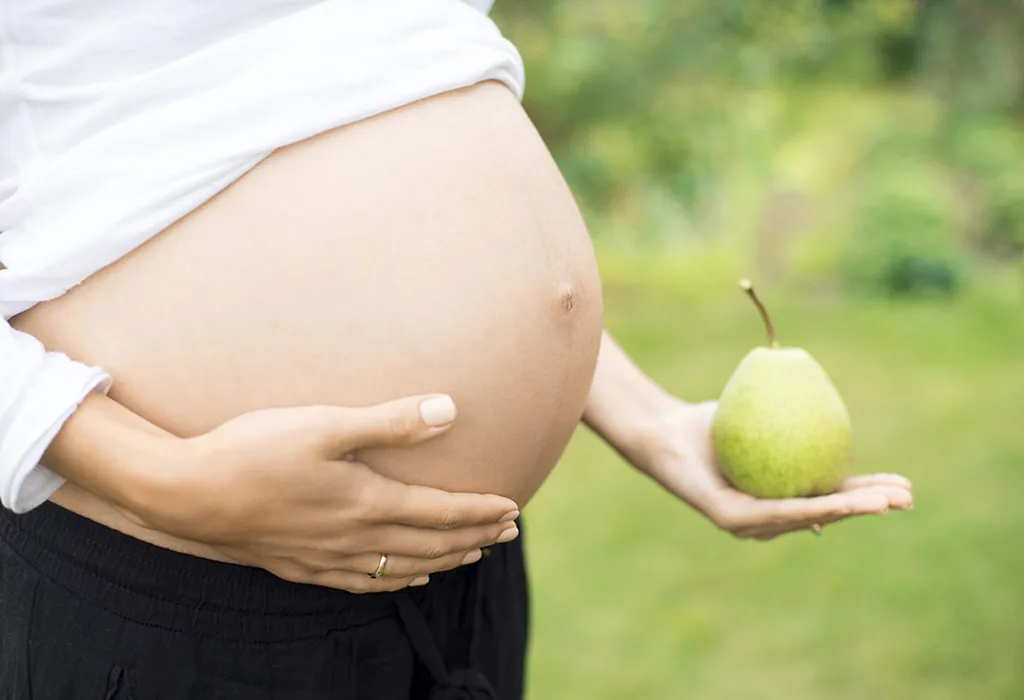
Belly at 28 Weeks of Pregnancy
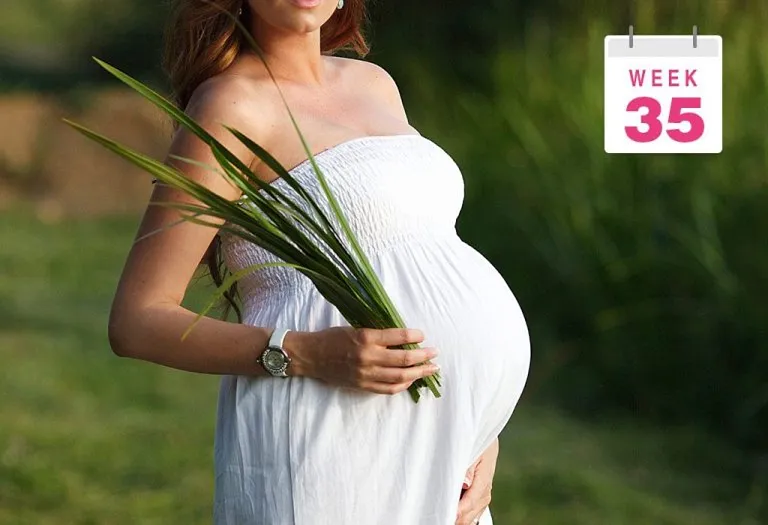
At 28 weeks, your baby should get in the right position (head downwards) inside your belly in preparation for labour. The fundal height of your belly, which is the distance from the pubic bone to the top of your uterus, should measure around 26 to 30 centimetres. If you are expecting twins, the measurement of your fundal height may not be possible.
You must now start keeping tabs on whether your baby is moving consistently through the day. Check how long your baby takes to reach ten foetal movements in a day. Ideally, it should be less than 2 hours.
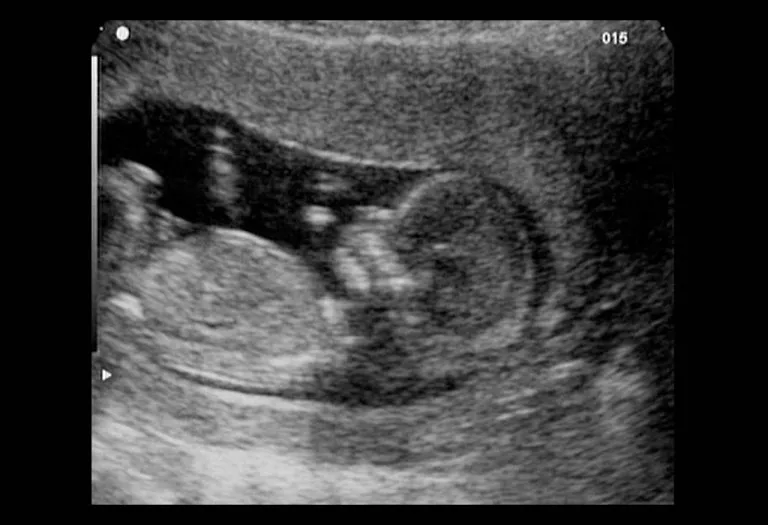
28 Weeks Ultrasound
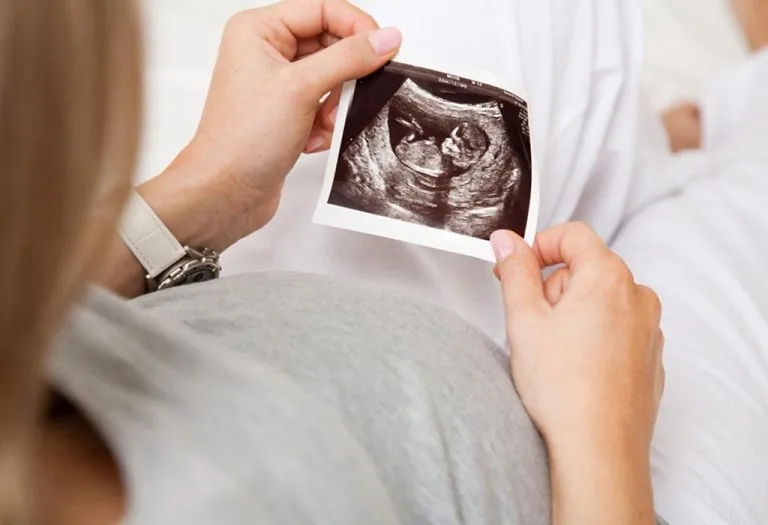
After 28 weeks of pregnancy, your baby is developing more fat, so her skin is starting to get smoother. Your baby’s lungs are mature enough to begin the process of breathing.
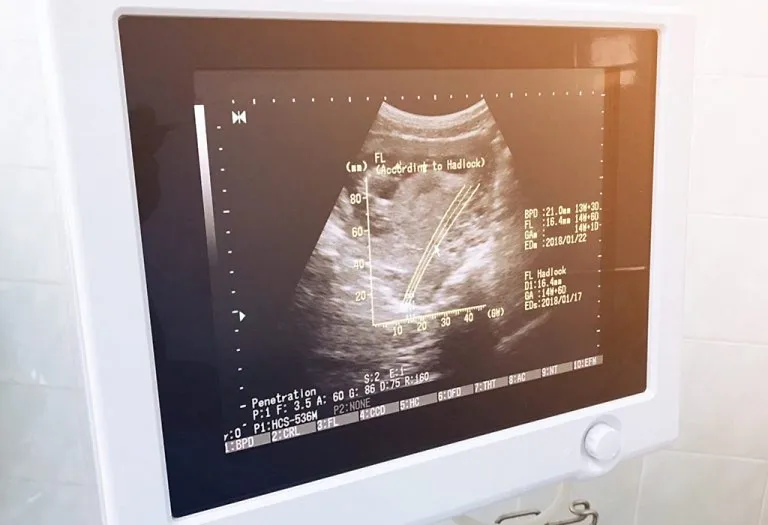
Unless there are any pregnancy-related complications, a 28-week ultrasound would not be recommended by any doctor. You would probably start seeing your doctor more often, every 2 weeks or twice a month.
Tests and Checkups Around 28 Weeks
Around 28 weeks of pregnancy, antenatal care becomes increasingly important as you enter the third trimester. Your doctor will monitor your health and your baby’s growth, and recommend tests depending on your medical history, previous test results, and pregnancy complications, to check for conditions that can affect pregnancy and delivery.
Common checks around this stage may include (9):
- Blood pressure and weight: These are routinely monitored during antenatal visits and can help identify problems such as high blood pressure and preeclampsia.
- Blood glucose screening: Screening for gestational diabetes is commonly performed between 24 and 28 weeks of pregnancy. A glucose screening test may be followed by a diagnostic test if the initial result is elevated (8).
- Anaemia testing: Your doctor may check haemoglobin levels, particularly if you have risk factors or symptoms suggesting anaemia. WHO includes haemoglobin testing among routine antenatal blood investigations (9).
- Rh status and anti-D care: If you are Rh-negative, your doctor may discuss anti-D immunoglobulin around 28 weeks to reduce the risk of Rh sensitisation.
- Baby’s growth and fundal height: After 24 weeks, fetal growth and fundal height are generally monitored during antenatal contacts.
- Fetal movements: Your doctor may discuss monitoring your baby’s movements as part of third-trimester care.
What to Eat?
As your baby experiences the fastest growth during this trimester, your 28th-week pregnancy food will help supplement her growth. However, due to the size of your baby’s belly and regular nausea, you may not feel like eating a lot. So, instead of quantity, opt for quality foods that are rich in essential nutrients. Instead of large meals, opt for six or more mini-meals or snacks throughout the day.
Doctors also recommend eating fish during the third trimester, as fish provides a lot of health benefits to your baby. Avoid fish like king mackerel and swordfish, as they contain high quantities of mercury.
Tips & Care
As you approach delivering your baby, here are essential tips and do’s and don’ts (6).
Dos
Listed below are some pointers that you should keep in mind during the third trimester of your pregnancy.
- Ensure that you schedule and go for your 28-week prenatal appointment.
- Keep a regular count of the foetal kicks.
- Make sure you get lots of sleep.
- Maintain your daily exercise schedule.
Don’ts
Listed below are some things you should not do at any point in your pregnancy.
- Avoid smoking as it can lead to lower baby weight and respiratory problems.
- Don’t consume alcohol, as it can significantly impact your baby’s overall development.
- Do not eat raw or undercooked meat or eggs.
- Avoid deli meat such as hot dogs and sausages.
- Avoid sitting in a sauna or a hot tub.
What You Need to Shop For?
The rapid growth of your baby belly can create a lot of discomfort in the abdominal area, and this puts pressure on your backbone. A maternity bra is an absolute must-have item during pregnancy. As the rib cage expands because of the growing baby, you’ll need to find a good, comfortable wireless bra. Also, check out the maternity nighties from Bella Mama. These are knee-length nighties with concealed zippers that provide good access for nursing. You can shop for a maternity belt if you are experiencing severe pain in the hip and pelvic area. A belly wrap would also be an excellent buy to reduce the strain on your back. Knee-high maternity compression socks might also be a worthy purchase to provide you relief from your leg muscle ache and varicose veins.
Questions to Ask Your Doctor
Your 28-week appointment is a useful time to discuss your baby’s growth, upcoming tests, nutrition, symptoms, and preparations for the final trimester. These questions will help get an overall picture of your current pregnancy status:
- Is my baby’s growth and development appropriate for 28 weeks?
- How should I monitor my baby’s movements, and what changes should prompt me to contact you?
- What foods, nutrients, or supplements should I focus on during the third trimester?
- How much weight should I expect to gain during the remainder of my pregnancy?
- What warning signs should make me contact you or seek urgent medical care?
- What should I start preparing for as I approach the third trimester and delivery?
When to Consult a Doctor?
You should consult your doctor immediately at 28 weeks if you notice reduced fetal movement, signs of preterm labour (regular contractions, fluid leakage, or bleeding), or symptoms of preeclampsia like severe swelling, persistent headaches, vision changes, or sudden weight gain. Other red flags include severe abdominal pain, unusual vaginal discharge, shortness of breath, chest pain, high fever, or signs of gestational diabetes such as excessive thirst and fatigue (5).
FAQs
1. Can I exercise at 28 weeks?
Yes, light to moderate exercises like walking, swimming, or prenatal yoga are beneficial for maintaining fitness, reducing stress, and preparing for labour. However, avoid high-impact or risky activities (3).
2. Should I start preparing for labour and delivery at 28 weeks?
It’s a great time to start planning. Consider taking a childbirth class to learn about labour, delivery, and newborn care. Discuss your birth plan with your doctor or midwife, and start packing a hospital bag with essentials like clothes, toiletries, and important documents.
3. Should I get vaccinated during the third trimester?
Certain vaccinations, such as the Tdap vaccine, are recommended during the third trimester to protect your baby from illnesses like whooping cough. Discuss your vaccination schedule with your doctor to ensure you and your baby are protected (7).
In the third trimester, you may be excused for feeling just a little tired of the discomforts that have been plaguing you for some time now. The good news is that delivery is almost around the corner, and soon the struggle of the last few months will be rewarded with the miracle of birth.
Previous Week: 27 Weeks Pregnant
Next Week: 29 Weeks Pregnant
Was This Article Helpful?
Parenting is a huge responsibility, for you as a caregiver, but also for us as a parenting content platform. We understand that and take our responsibility of creating credible content seriously. FirstCry Parenting articles are written and published only after extensive research using factually sound references to deliver quality content that is accurate, validated by experts, and completely reliable. To understand how we go about creating content that is credible, read our editorial policy here.
1. American Pregnancy Association – 28 Weeks Pregnant
2. Tommy’s – 28 weeks pregnant: baby’s development, itchy skin and your next midwife appointment
3. NHS – You and your baby at 28 weeks pregnant
4. Planned Parenthood – What happens in the seventh month of pregnancy?
5. UnityPoint Health – Pregnancy: What to Expect in Your Third Trimester (Week 27 – End of Pregnancy)
6. Tommy’s – Dos and don’ts for a safer pregnancy
7. March of Dimes – Vaccinations and pregnancy
8. ACOG – Routine Tests During Pregnancy
9. WHO – Maternal, Newborn, Child and Adolescent Health and Ageing
- Author
- Expert Reviewer