
31 Weeks Pregnant: Symptoms, Baby Development & Care Tips





Medically Reviewed By
Dr. Sabiha Anjum
(Gynecologist/Obstetrician)


This content has been reviewed by a qualified expert and follows the FirstCry Parenting editorial policy to ensure accuracy and reliability.
Key Takeaways
- At 31 weeks pregnant, you are in your seventh month and third trimester.
- Your baby weighs approximately 1.2-1.5 kg and measures around 40-41 cm.
- Common symptoms include back pain, frequent urination, pelvic discomfort, and Braxton Hicks contractions.
- Eat a balanced diet rich in iron, calcium, protein, and vitamins.
- Monitor your baby’s movements and attend regular prenatal checkups.
At 31 weeks pregnant, your baby is getting bigger, movements are becoming more noticeable, and your body is working hard to support these final stages of development. If you’re wondering about 31 weeks pregnant in months, you’re now in your seventh month of pregnancy and well into the third trimester. Exciting, isn’t it? However, this stage can also bring new challenges, including backaches, heartburn, swollen feet, and sleepless nights.
So, what exactly happens during the 31st week of pregnancy? Let’s take a closer look at 31 week fetus size, symptoms you may experience, and simple care tips to help you feel more comfortable and prepared for the weeks ahead.
Your Baby’s Growth at Week 31 of Pregnancy
By this time, your baby’s brain development is at full speed. Billions of synapses are forming between its neurons, all receiving constant information from all five senses. Your baby must be practising expressions, breathing, swimming around in the amniotic fluid, and sucking his thumb. Your baby now responds to the sound of your voice with a range of kicks and punches, but they won’t be hard enough to cause any serious pain or injury (1). Some babies hiccup constantly, so be prepared to be jolted awake at night by his movements when he hiccups. Your little one has fully functional eyes by this week, allowing him to respond to light. The amounts of muscle and fat in the body are higher than ever. You will also notice him swaying to any melodies you play for him. Their head has now some hair and laguno has started to disappear (2).
Size of the Baby at 31 Weeks of Pregnancy
When it comes to 31 week fetus weight, your baby typically weighs around 1.2–1.5 kg and measures approximately 40–41 cm from head to toe. At 31 weeks pregnant, your little one is about the size of a tender coconut and continues to gain weight as fat accumulates under the skin.
31 Weeks Is How Many Months Pregnant?
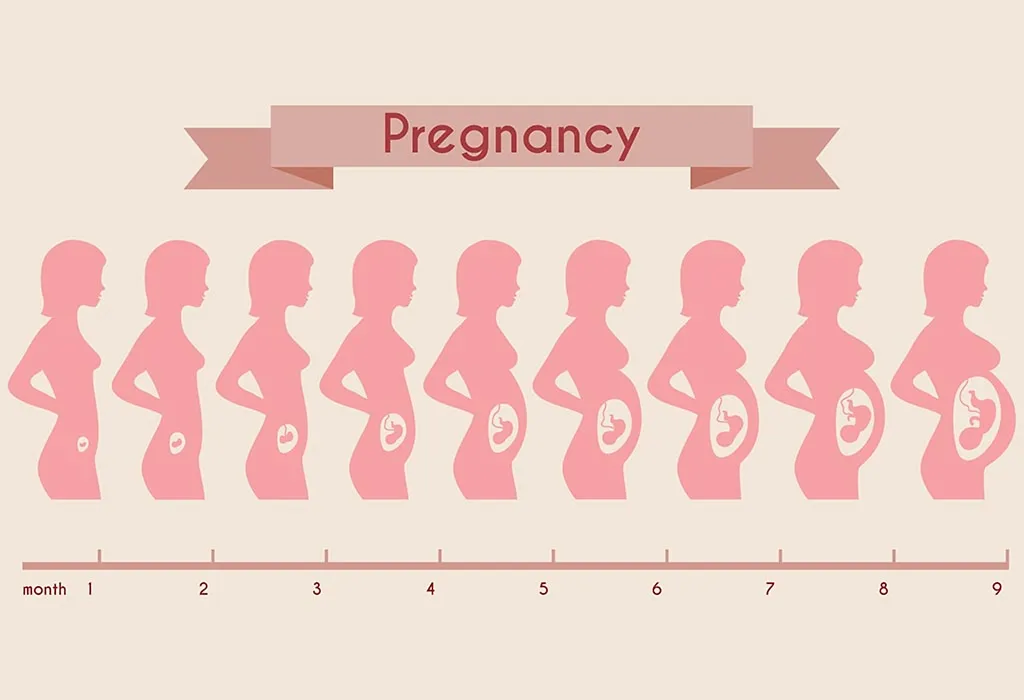
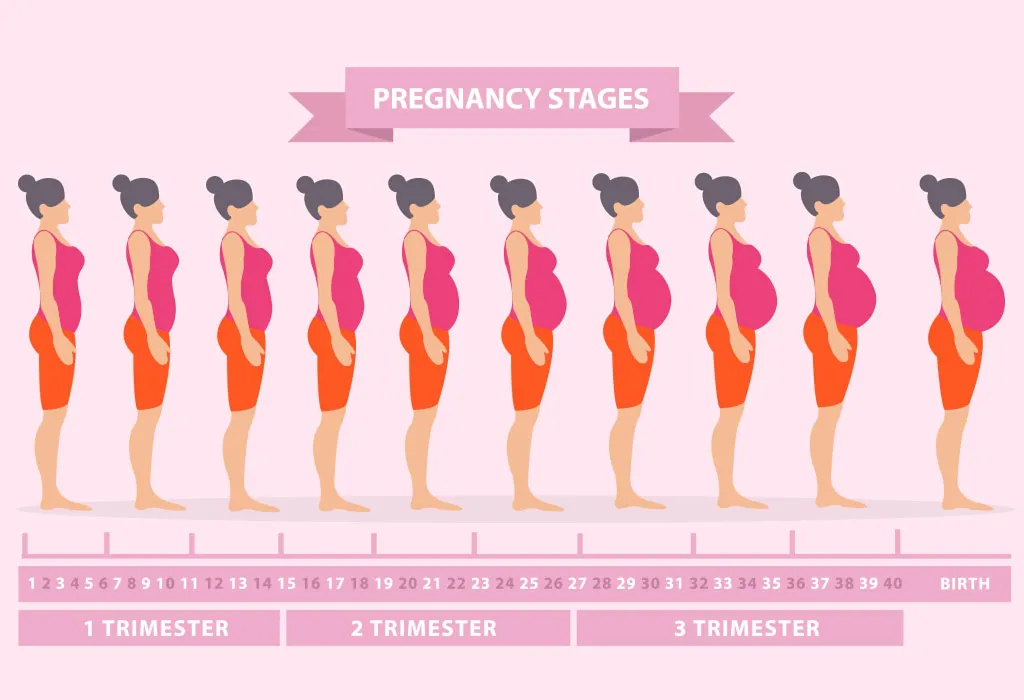
At 31 weeks pregnant, you are in your seventh month of pregnancy and well into your third trimester. You have approximately 9 weeks left until your due date, although your baby may arrive a little earlier or later.
Common Bodily Changes
Here are some changes you can expect in your body at 31 weeks of pregnancy. You may have experienced some of these symptoms earlier, too. They may also continue this week (3).
1. Your Baby Bump May Start to Sit Lower
At this stage, your doctor might check your belly to determine your baby’s position. Some babies will be positioned head down and prepared for delivery. If your bump bulges lower, your baby might be shifting into this position. However, if they are still in a head-up position, there is still time for them to turn around. Some babies might not engage in the pelvis until labour begins (4).
2. Difficulty in breathing
With the foetus pushing your uterus upwards constantly, your lungs are going to feel cramped for space. This will have you taking shallower and fewer breaths than usual, but luckily, you don’t have to worry about your little one as he gets oxygen through your placenta. If you perform cardio regularly, it is time to slow down a little. Be prepared for shortness of breath, as the pressure on your lungs is only going to increase in the coming months (5).
3. Breast discharge
Your breasts are going to be producing a yellow fluid called colostrum, which is what your baby will feed in the first three days after birth.
4. Splitting Nails
Until now, your hair and nails must have grown rapidly, but after 31 weeks, your nails may become dry and crack easily due to hormonal fluctuations. The best thing you can do is to keep them short!
5. Braxton Hicks Contractions
If you’re 31 weeks pregnant and cramping, you may be experiencing Braxton Hicks contractions, also known as practice contractions. These false contractions will plague you significantly more than ever now. Staying hydrated and not sitting or lying down in the same positions will help alleviate some of this discomfort.
Symptoms of Pregnancy at Week 31
Here are some symptoms of pregnancy at week 31 that will continue throughout your third trimester (6).
1. The Urge to Urinate Frequently
Your trips to the bathroom are going to increase as your delivery date approaches. As your baby grows and your uterus expands, the uterus will push against the bladder, and you might feel the need to urinate frequently.
2. Back Pain
The weight of your baby is going to put pressure on your spine and may also change your posture. You may also find it difficult to balance, especially if your posture is off-kilter. Make sure to do some simple stretches and learn some good posture techniques to relax.
3. Sleeping Issues
This is not directly caused by the pregnancy itself but occurs due to other pregnancy symptoms which might keep you awake at night. Back pain, cramps in the legs, indigestion, waking up to urinate, or just inability to find a comfortable position to sleep in, might make it difficult for you to sleep.
4. Pelvic Pain
Pelvic pain can happen due to your expanding uterus pushing against the pelvic girdle. It can be quite difficult to bear, so refer to your doctor or physiotherapist for some exercises to ease the pain.

Belly at 31 Weeks of Pregnancy
At the onset of the 31st week, your weight should have increased by 10-12 kg, which is normal. The extra weight might worry you, but you don’t need to worry about your weight while pregnant, not when you’re gaining healthy weight. Your 31-week bump is quite evident, and the belly will stretch more and might feel dry and itchy, so keep some moisturiser handy.
Ultrasound Scan at 31 Weeks of Pregnancy
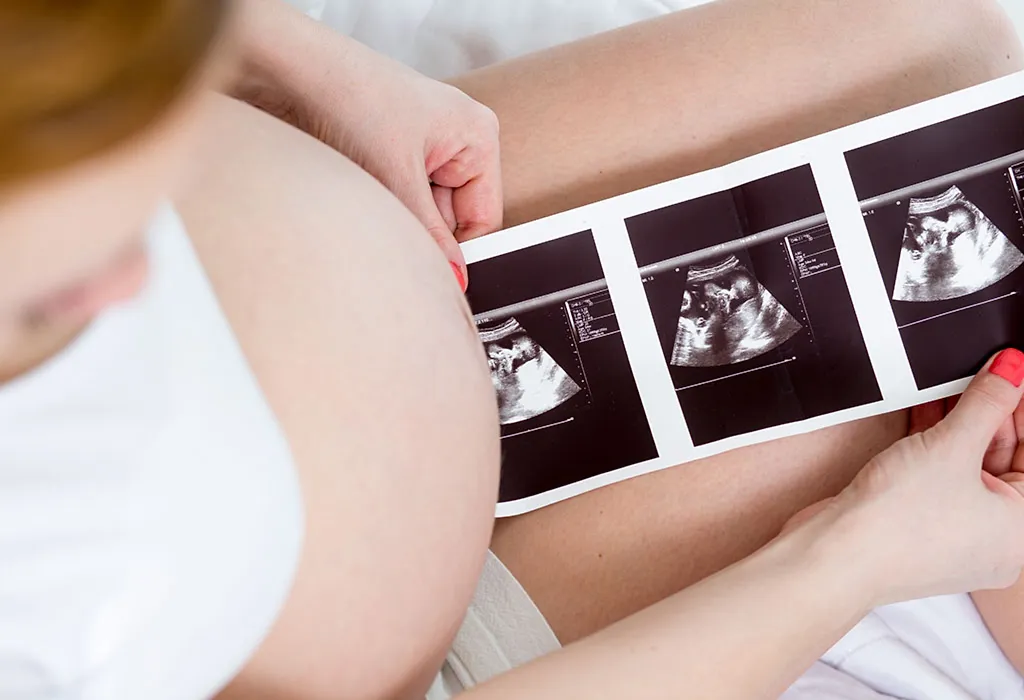
Ultrasounds should now be a weekly affair so the doctor can keep an eye on the pregnancy, especially if you have complications such as diabetes or are carrying multiple babies. The scan will show that your baby is now almost completely formed, including all of his organ systems. If it’s a body, his testicles will descend into the scrotum and if it’s a girl, her clitoris will develop fully. You can also have a 3D ultrasound done, which will show the detailed features of your baby’s face and body.
What to Eat
Your baby’s health depends on your diet, so ensure you get proper portions of protein, fruits, veggies, whole grains, and dairy. It is preferable to eat smaller meals more frequently to stave off indigestion and stomach cramps. Fried, processed and fat-rich foods should be avoided or eaten sparingly. Include these nutrients in your 31st-week pregnancy diet.
1. Vitamin C and Iron
As your little one has started to make his own blood cells, he needs more iron in his diet. And adding some Vitamin C will help the iron absorb better. So eat nutritious foods like cooked spinach, citrus fruits, fish, lean meats and cooked green vegetables.
2. Calcium
Calcium is absolutely essential for the development of the baby’s bones, cartilage, and nails. In addition, you need calcium as well to stay fit. Consume milk, cabbage, spinach, tofu, paneer and soybeans for calcium.
Although your body needs both iron and calcium, be careful not to consume both supplements together as calcium can block the absorption of iron in the body. You can take individual supplements at different times during the day to avoid this.

Care Tips
Here are a few tips that will come in handy at this point of your pregnancy:
Dos
- This is the right time to apply for a prenatal class. The trainers are well-equipped to deal with all issues pertaining to childbirth, such as pain management, stress relief and caring for your newborn. So go ahead and join a prenatal class. It will be a wonderful experience for you and your partner.
- It is not too early to keep your hospital bag packed and ready. So go ahead and start packing your hospital bag.
- Drink at least 2-3 litres of water a day to stay fresh and hydrated. It helps create amniotic fluid around the fetus and aids digestion (7).
- Perform exercises like the Kegel to strengthen your pelvic floor muscles. But take up these exercises only after checking with your doctor.
- Continue taking your prenatal vitamins.
Don’ts
- Don’t assume facial swelling has to do with gaining weight. It might also be a sign of preeclampsia, so talk to your doctor immediately.
- Avoid hot tub baths.
- If you have a pet cat, avoid cleaning their little box as they might be contaminated with toxoplasmosis. Take someone else’s help in cleaning and storing your pet’s items (8).
- Also, avoid deli meat or food with raw meat or raw eggs. Similarly, refrain from consuming unpasteurised juice or milk.
What You Need to Shop For
It might be time for you to think about how you want your newborn’s room decorated. Go ahead and buy cute little things to decorate your baby’s nursery. Buy enough maternity clothes to last the pregnancy, but don’t forget post-pregnancy clothes as well. You can try the maternity pants from Bella Mama, which come with an expandable waistband. When it comes to intimate wear, nursing bras are very efficient as they’re super comfortable and convenient too and can be worn during pregnancy and after. You should also consider buying feeding equipment like nursing bras, bottles, etc. If you’re buying a crib for your baby, don’t purchase those with bumpers and certainly don’t keep pillows, toys or blankets in there, as these objects increase the risk of SIDS (sudden infant death syndrome).
Questions to Ask Your Doctor At 31 Weeks Pregnant
Here are some important questions to discuss with your doctor during your 31-week appointment:
- Is my baby growing at a healthy rate for 31 weeks?
- Is my baby in a head-down position yet?
- Are my current pregnancy symptoms normal, or should I be concerned?
- How can I manage back pain, heartburn, swelling, and sleep difficulties?
- What are the warning signs of preterm labour that I should watch for?
- How often should I monitor my baby’s movements, and when should I contact you if they change?
FAQs
1. Is my baby fully developed at 31 weeks?
Babies at 31 weeks have many organs developed by now but will need to mature in the coming weeks. Your baby will keep growing and putting on weight even during your labour.
2. When will the pregnancy waddle start?
Not every individual who is pregnant exhibits a noticeable waddle, but the physical changes you experience will influence your gait. The extra weight and the growth of your belly place significant strain on your lower joints, particularly the hips. Studies indicate that during the transition from the second to the third trimester, individuals tend to take shorter and wider strides. If you attempt to walk in this manner intentionally, you might notice that it feels like you’re waddling.
3. Are herbal teas and drinks safe to drink at this point of pregnancy?
A few pregnancy-safe herbal teas include chamomile, ginger, peppermint, and fruit teas. These are safe to drink throughout the pregnancy and might help with pregnancy symptoms like gas, indigestion, or sleep. However, you should only drink herbal drinks after consulting with your doctor. This is because many herbal concoctions may react with certain prenatal medications you might be taking.
4. Why do my fingers feel numb and also hurt?
Pain in the hands and fingers, numbness, and tingling could be signs of carpal tunnel syndrome, which puts pressure on a particular nerve on the wrist. It is quite common among pregnant women and gets better on its own. If the pain in the wrist increases abnormally or worsens, contact your doctor immediately (9).
Your baby should arrive in 10 weeks or less, so it is best you stay prepared for your baby’s arrival. And while you’re waiting for his arrival, don’t forget to enjoy your pregnancy journey with your spouse and family. Have a happy and healthy pregnancy!
References/Resources:
1. Pregnancy, Birth & Baby – Pregnancy at week 31
2. ACOG – How Your Fetus Grows During Pregnancy
4. Johns Hopkins Medicine – The Third Trimester
5. NHS – You and your baby at 31 weeks pregnant
6. Mayo Clinic – 3rd trimester pregnancy: What to expect
7. ACOG – How much water should I drink during pregnancy?
8. Drugs.com – Pregnancy at 31 to 34 Weeks
9. Tommy’s – 31 weeks pregnant: baby’s development, Braxton Hicks and your baby’s movements
Previous Week: 30 Weeks Pregnant
Next Week: 32 Weeks Pregnant
Was This Article Helpful?
Parenting is a huge responsibility, for you as a caregiver, but also for us as a parenting content platform. We understand that and take our responsibility of creating credible content seriously. FirstCry Parenting articles are written and published only after extensive research using factually sound references to deliver quality content that is accurate, validated by experts, and completely reliable. To understand how we go about creating content that is credible, read our editorial policy here.
- Author
- Expert Reviewer


Related Articles
-
38 Weeks Pregnant: Symptoms, Baby Growth, Belly Size & More
-

37 Weeks Pregnant: Signs, Symptoms & Ultrasound
-

13 Weeks Pregnant: Symptoms, Ultrasound, & Belly Size
-

Body Changes During Pregnancy - Week By Week
-

35 Weeks Pregnant: Symptoms, Ultrasound, & Care Tips
-

23 Weeks Pregnant: Symptoms, Belly Size & Body Changes