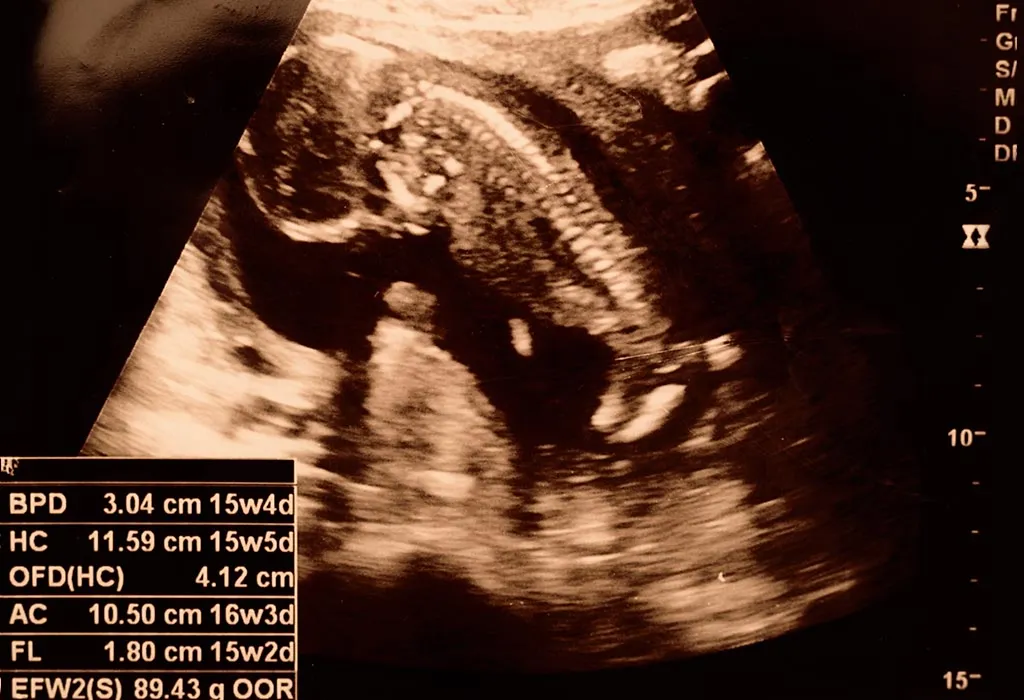

10 Warning Signs in Pregnancy You Should Be Aware Of





Medically Reviewed By
Dr. Sabiha Anjum
(Gynecologist/Obstetrician)


This health content has been medically reviewed by qualified experts and follows the FirstCry Parenting editorial policy to ensure accuracy and reliability.
Key Takeaways
- Warning signs can occur at any stage of pregnancy, so it is important to pay attention to significant changes.
- Not every unusual pregnancy symptom means there is a problem, but some symptoms need prompt medical attention.
- Vaginal bleeding, fluid leaking from the vagina, painful contractions before 37 weeks, or sudden change in baby movement require prompt medical assessment.
- Persistent vomiting, especially with dizziness or difficulty keeping fluids down, should not be dismissed as ordinary morning sickness.
- Sudden, severe, or worsening symptoms should not be ignored or managed on your own; contact your doctor for guidance.
Pregnancy brings plenty of new changes, and it’s natural to wonder, “Is this normal?” While many changes are harmless, some pregnancy warning signs need prompt medical attention. According to the World Health Organization (WHO), around 260,000 women died from pregnancy or childbirth-related causes in 2023, making timely recognition and care especially important (1).
But with so many changes happening at once, it can be hard to tell what’s normal and what needs attention. In this article, we’ll take a closer look at the ten danger signs of pregnancy, that shouldn’t be ignored and what you should do if you experience them.
10 Danger Signs of Pregnancy Which You Should Not Ignore
Here are some danger signs of pregnancy in first, second and third trimester you should look out for.
1. Eyesight Problems and Headaches
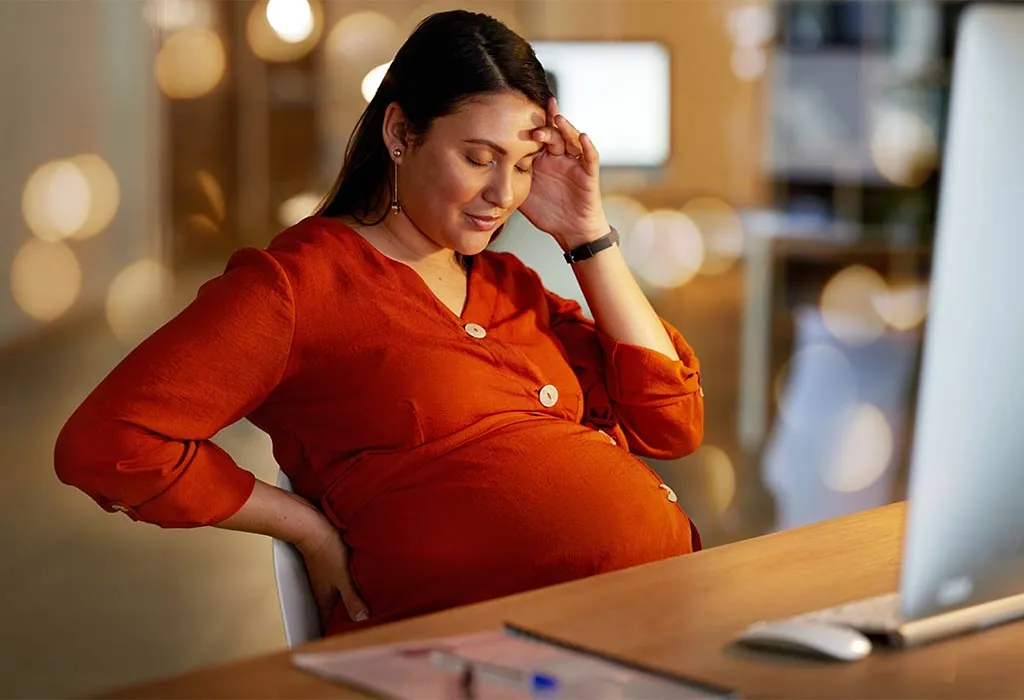
Many factors, including stress, hormonal changes, and fatigue, could be a reason for headaches during pregnancy. A severe headache could indicate high blood pressure or preeclampsia (high blood pressure disorder) (2).
You might even experience changes in vision, like temporary vision loss, light sensitivity, and blurred vision. These problems might be linked to conditions like preeclampsia or gestational hypertension (3). Hence, it is important to seek medical attention immediately to protect the health of the baby and the mother.
2. Severe Abdominal Pain

Many women wonder whether abdominal pain is normal during pregnancy. Discomfort related to round ligament pain is usually normal. But if you have pain in the abdomen along with chills or fever, or severe abdominal pain itself or pain along with vomitings then it might be a very serious problem. During cases like this, it is best to call a doctor right away and get professional advice (4).
3. Dizziness or Fainting

It’s normal during early pregnancy to feel slightly lightheaded. You might even experience dizziness later during your pregnancy because of conditions like low blood sugar levels or circulation problems. But if there is a persistent feeling of dizziness, i.e. if you feel like fainting or actually do go through it, or if it is combined with many other problems like vaginal bleeding, blurred vision, pain in the abdomen, or headaches, consult the doctor so that the problem you have can be treated after identification (5).
4. Burning Sensation While Urinating or Urge to Urinate Often

Urinary tract infections (UTIs) are commonly found in pregnant women. If you feel like you have an increased urge to urinate but only a very few drops come out, or if you feel a burning sensation while peeing, then this can be a sign of UTI (urinary tract infection). This infection has many other symptoms like chills, fever, or urine with a little blood (6). Your doctor will be able to diagnose the symptoms and get rid of the bacterial infection to avoid further complications. But remember that frequent urination is a very common side-effect of pregnancy when in both the first and the last trimesters. This is because, as the baby grows, the growing uterus it presses on your bladder.
5. Severe or Persistent Vomiting

Feeling nausea, along with vomiting, is a perfectly normal sign during your first trimester. This is known as “morning sickness”, but this does not mean that it occurs only during the morning. However, if this morning sickness is severe and sometimes may be accompanied along with other problems like vomiting blood and dizziness, then it might be a condition called the hyperemesis gravidarum (7). In this case, you should definitely go to the doctor. Consult your doctor if you experience vomiting after the first trimester to treat nausea.
6. Less or No Movement of the Baby
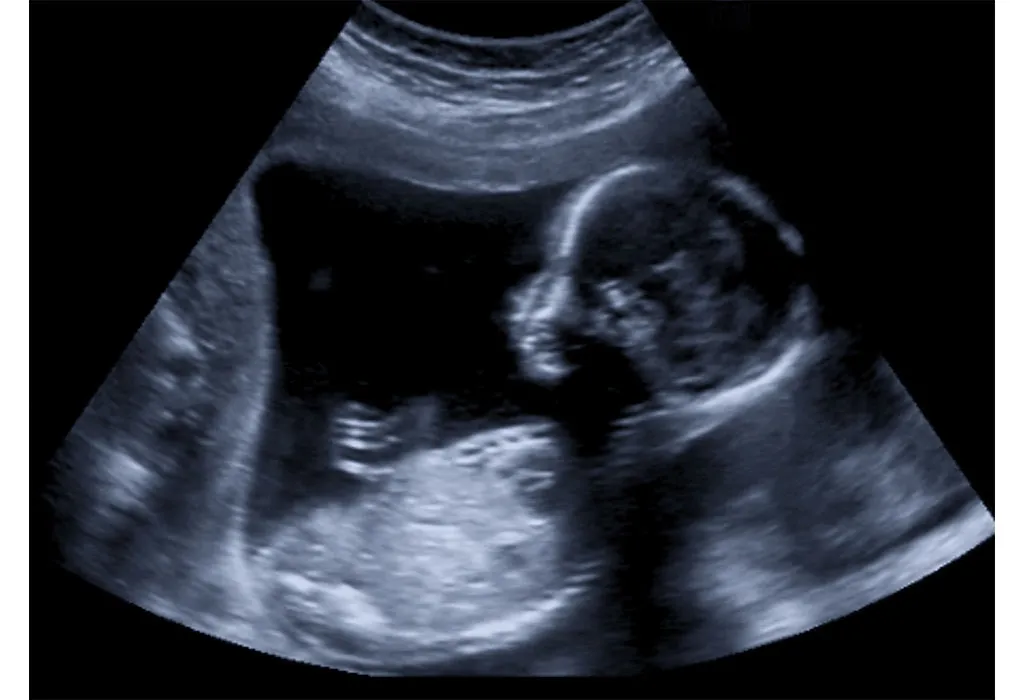
Women during pregnancy usually feel their babies kicking, fluttering, or turning between 18 to 25 weeks of the pregnancy. During the latter part of the third trimester, you can monitor the movements of the baby. Every day during these weeks, lie down for a while to help you keep track of the time it takes to feel 10 rolls, kicks, or flutters. It takes just a few minutes, but if you do not feel anything for an hour, then lie down again after a light snack (8). Record these movements on paper. If you feel the movement is absent, or if the baby is not showing movement like before for a few days, then call your doctor to check the progress of the baby.
7. Preterm Uterine Contractions and Vaginal Discharge (before the end of 37 weeks)
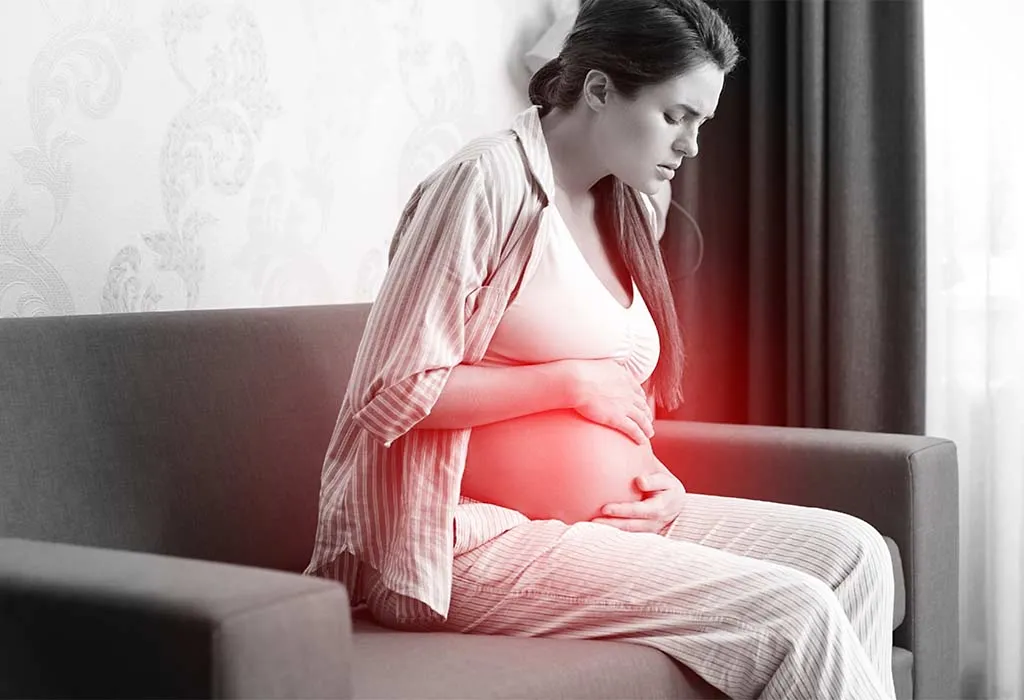
Although it is very normal to experience mild contractions, if these seem to persist or do not stop when you change or move your position and it becomes very regular and painful, then it might be a preterm labour sign. When this is the case, call your doctor as soon as possible.
This is a significant warning sign during pregnancy that occurs in the third trimester. Commonly known as “water breaking”, premature rupture of the membranes might feel like a trickle, uniformly leaking, or a gush of liquid from the vagina before the pregnancy has become full-term. It is best to call your healthcare provider if you notice this problem. Based on the number of weeks of the pregnancy, your doctor will tell you what you should be doing. When your water breaks once you are full-term, then it is a sign of the start of labour.
8. Vaginal Bleeding, Spotting, or Itching

It is normal to see spotting early on in the pregnancy. This is known as implantation bleeding. But bleeding is also a symptom of cervical infection or placenta previa. Bleeding during the first trimester might also be a sign of miscarriage or ectopic pregnancy (9). If you are unsure of what it is, then talk to your healthcare provider if you notice bleeding or spotting during the pregnancy.
Severe itching without a rash might indicate cholestasis. This is a liver condition that happens in late pregnancy. Call your doctor right away if you suffer from extreme itching. Remember, it is completely normal to have itchy skin when you are pregnant. This is because the growth of the baby makes the skin stretch, which makes it become dry and causes places like your breasts, belly, and thighs to itch.
9. Extreme Pain Above the Stomach

If you experience pain under the rib cage (above the stomach), especially with other issues like severe headaches, blurred vision, or nausea, then it is a sign of high blood pressure or preeclampsia. During your prenatal visits, your doctor will usually monitor your blood pressure, but if you feel like there is something wrong, then call your doctor right away. Sometimes it could also be due to gall bladder infection or gall bladder stones if located on the right side.
10. Unusual Weight Gain and Swelling
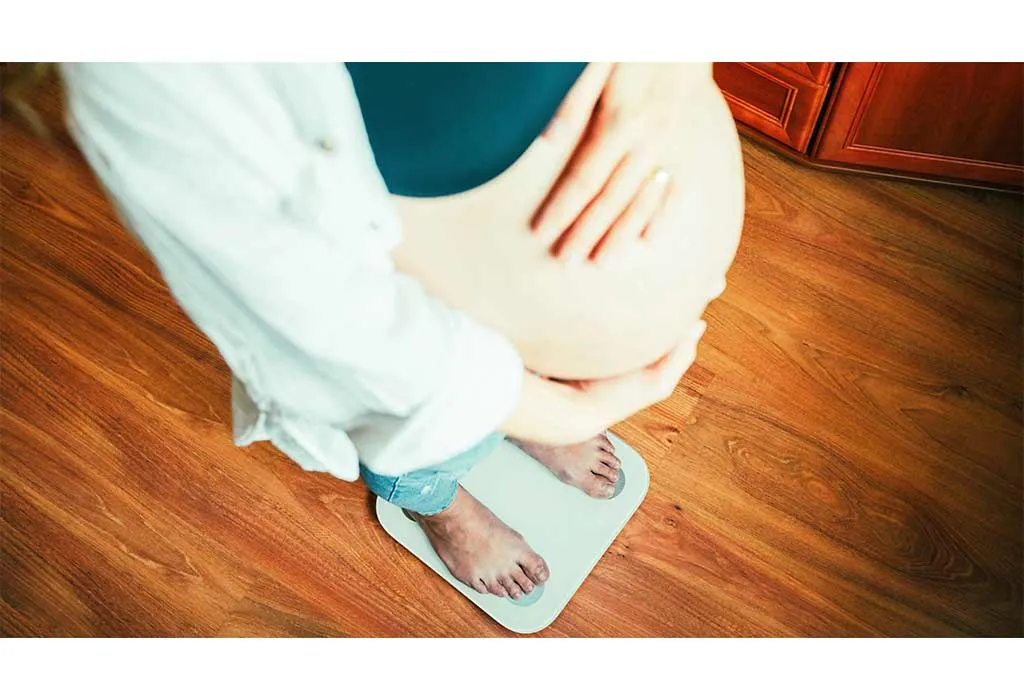
Unusual and sudden weight gain is connected to a small possibility of preeclampsia. You might notice that this weight gain is accompanied by swelling on the hands and face. Although some swelling on hands and feet is normal during pregnancy, it is still better to monitor it (10).
Importance of Identifying These Signs
Being aware of warning signs during pregnancy can make a real difference. While many pregnancy symptoms are completely normal, some can signal a complication that needs medical attention. Recognising these changes early gives you a better chance of getting timely care and reassurance when you need it.
When to Consult a Doctor?
If you experience any of the bad signs of pregnancy mentioned above, don’t ignore them or wait for them to become more severe. Reach out to your doctor or healthcare provider promptly, especially if a symptom is sudden, severe, or getting worse. And if you’re simply unsure about something, it’s always okay to seek medical advice for reassurance.
FAQs
1. Can warning signs appear at any stage of pregnancy?
Yes, concerning symptoms can occur during any stage of pregnancy. Some warning signs may be more common at particular stages, so it is important to pay attention to significant or unusual changes throughout pregnancy.
2. What should I do if I’m unsure whether a pregnancy symptom is serious?
If you are worried about a symptom or something simply doesn’t feel right, contact your doctor or maternity care team. You do not need to wait until symptoms become severe to ask for medical advice.
3. Can pregnancy complications happen without obvious symptoms?
Yes, some pregnancy complications may not cause noticeable symptoms at first. This is why regular prenatal check-ups are important for monitoring both your health and your baby’s development.
4. Are all unusual symptoms during pregnancy dangerous?
No. Pregnancy can cause many unfamiliar physical changes that are completely normal. However, symptoms that are severe, sudden, persistent, or noticeably different from your usual experience should be discussed with a healthcare provider.
If you are currently going through any of these common danger signs during pregnancy, call your doctor right away. If you do not feel right or are in doubt about these warning signs, it is best to consult your healthcare provider or doctor. This way, you will not have to worry about anything, and your problems will be solved immediately.
Also Read:
Pregnancy Symptoms Not to Ignore
Weird Pregnancy Signs and Symptoms
List of Infections That Can Affect a Pregnant Woman
Was This Article Helpful?
Parenting is a huge responsibility, for you as a caregiver, but also for us as a parenting content platform. We understand that and take our responsibility of creating credible content seriously. FirstCry Parenting articles are written and published only after extensive research using factually sound references to deliver quality content that is accurate, validated by experts, and completely reliable. To understand how we go about creating content that is credible, read our editorial policy here.
1. World Health Organization – Maternal mortality
2. Cleveland Clinic – Preeclampsia
3. Cleveland Clinic – High Blood Pressure (Hypertension) During Pregnancy
4. Cleveland Clinic – Abdominal Pain During Pregnancy
5. American Heart Association – Dizziness during pregnancy: When is it a concern?
6. Cleveland Clinic – UTI During Pregnancy
7. Cleveland Clinic – Hyperemesis Gravidarum
8. Tommy’s – Baby movements in pregnancy
- Author
- Expert Reviewer


Related Articles
-

Accuracy of Pregnancy Ultrasound to Predict the Due Date
-
Cytomegalovirus (CMV) in Pregnancy: Causes, Symptoms, & Treatment
-
Asthma in Pregnancy – Causes, Symptoms, & Treatment
-
Using Indian Toilet/Squatting During Pregnancy
-
Normal, Low and High Cholesterol Levels During Pregnancy
-
First Trimester Ultrasound - Everything You Should Know