
1 Week Pregnant – Early Signs and Care Tips
Learn about 1 week pregnant symptoms, early body changes and how pregnancy is dated, with information reviewed by a gynecologist.





Medically Reviewed By
Dr. Deepinder Kaur
(Gynaecologist)

This content has been reviewed by a qualified expert and follows the FirstCry Parenting editorial policy to ensure accuracy and reliability.
Pregnancy at 1 week goes undetected usually. In most women, monthly cycles are variable. As a result, when you miss your cycle for the first time, you may not realise that you are pregnant. In fact, many women don’t realise that they are pregnant even in the 2nd week of pregnancy, and it is perfectly normal. The first week of pregnancy is usually smooth, without any obvious signs. In fact, as per the Mayo Clinic, you might not be pregnant at all (1). This means that conception hasn’t taken place yet. Then, how would you know? That is exactly what this article is going to brief you about! Keep reading this article to know what it means to be 1 week pregnant and the very early signs of pregnancy 1 week.
Your Baby’s Growth During Pregnancy – Week 1
During the first week of pregnancy, the egg moves from the ovary and travels through the fallopian tube (2). So, your baby does not show any significant growth in the first week.
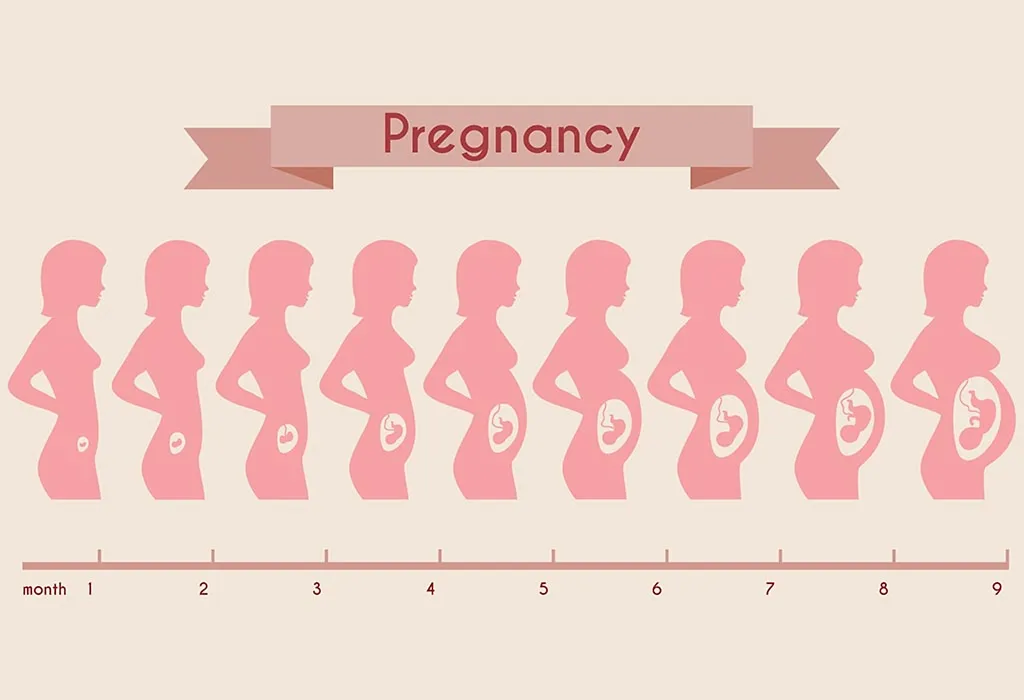
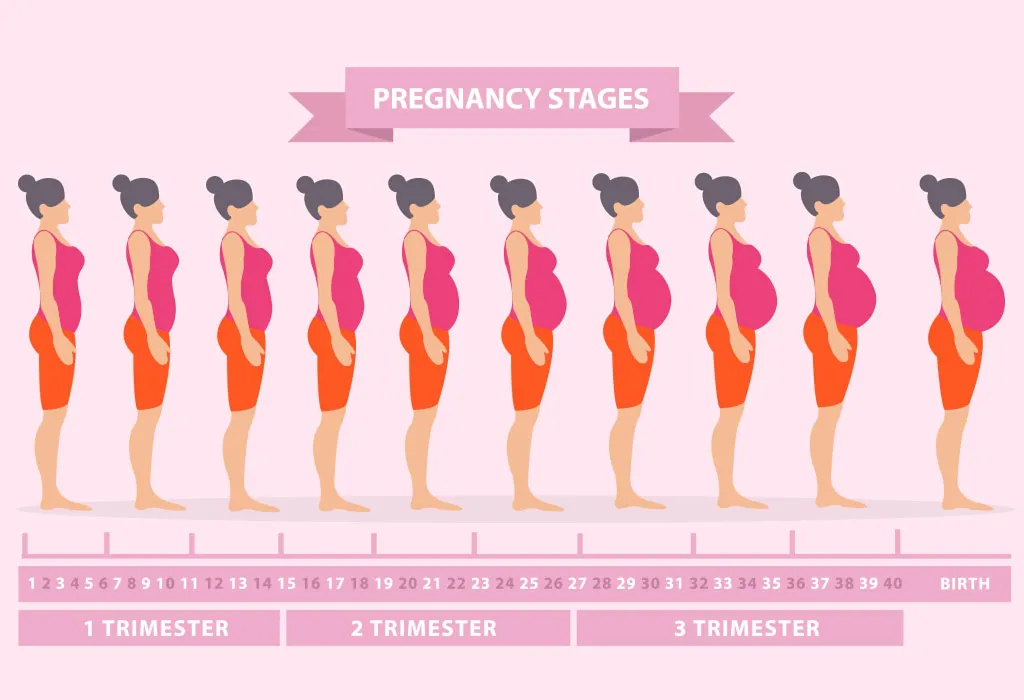
In the first week, the doctor calculates the first day of your last monthly menstrual cycle and it is from this day that your nine months or 40 weeks pregnancy term is calculated. This is why the 1st week is also included in the pregnancy calendar (3).
There is no major development in the baby during the first week. This week, the baby is called the blastocyst. The blastocyst is divided into two parts: the external part, which will become the placenta, and the inner part, which will become the embryo during the 2nd week of your pregnancy. In cases where more than one egg gets fertilised, multiple zygotes are formed. These zygotes carry 46 chromosomes from both the parents, and these chromosomes determine the baby’s sex and other physical features. Amusing, isn’t it?
What Is the Baby’s Size?
There is no baby size in the first week of pregnancy. You may ask, ‘How/why?’ Well, that is because you are only technically pregnant in the first week! The first week is included in the pregnancy calendar because it’s based on the 1st day of your last menstrual cycle, which a doctor uses to predict the EDD, which is the expected due date of the arrival of your little angel (4). Hence, the ‘1-week pregnant baby size’ is nothing. But you will move into the second week soon and we will have something to talk about. So, don’t lose the excitement!
Common Body Changes
Minor body changes start from the first week of pregnancy, and they are good indicators that you may be about to add a new member to your family. Though the body changes during pregnancy vary from woman to woman, here are a few common changes that you may experience in the very first week of pregnancy. These include tender breasts, mood swings, exhaustion, constipation, gas in the stomach, and morning sickness. This discomfort occurs due to the hormonal changes taking place.

Early Signs of Pregnancy 1 Week
Pregnancy symptoms usually differ from woman to woman. While some women may experience mild 1st week pregnancy symptoms, others won’t notice at all. Here are some common one week pregnancy signs and symptoms that you may come across in the first week of pregnancy (5) (6):
- During the 1st week of pregnancy, vaginal bleeding is observed as your body sheds the uterine lining, which discards last month’s fertilised eggs.
- Lower back pain and cramps will also trouble you during this phase.
- Your belly will bloat right before and during your period.
- You will feel exhausted sooner than usual.
- You may experience gas and constipation.
- Your breasts will feel tender and hurt when pressed.
- Changing hormones will make you moody and irritable.
Belly at 1 Week of Pregnancy
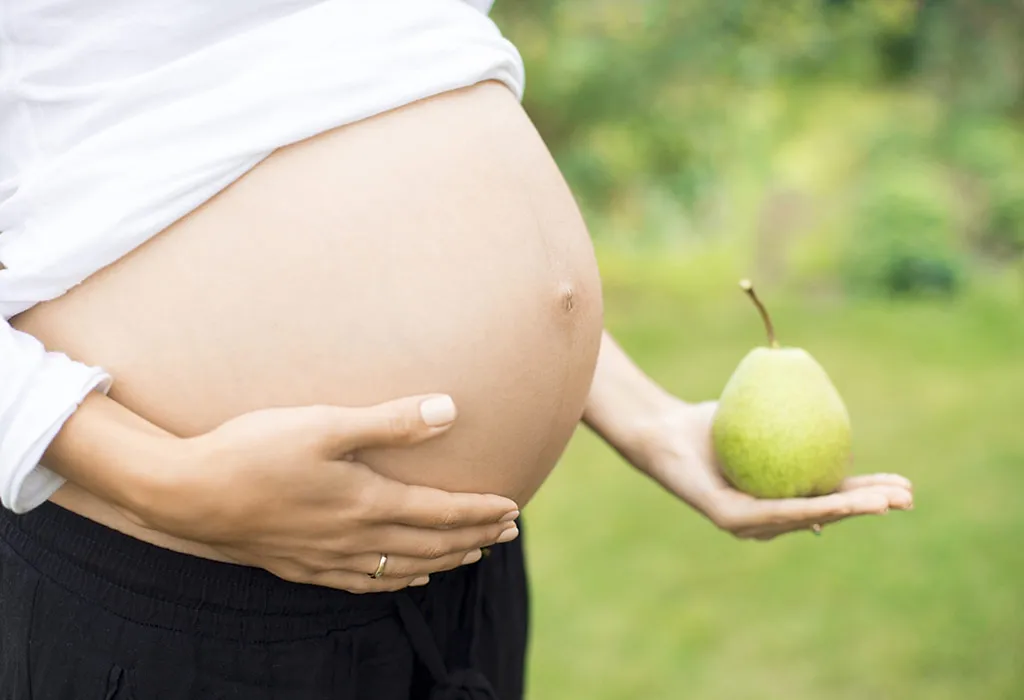
In the first week of pregnancy, your body sheds the uterine lining with the last month’s egg and starts forming a uterine lining to hold and protect the next month’s egg, the one that may grow into a fetus. Each egg in the human body is the size of a peach fuzz, but this will not show up on your belly in the first week of the pregnancy. This is because your body will release the egg 14 days before the next expected cycle, and it will take another 24 hours for the egg to get fertilised. Hence, your belly is not going to show anything in the first week, and you can keep the secret for the next few weeks.
1 Week Pregnancy Ultrasound
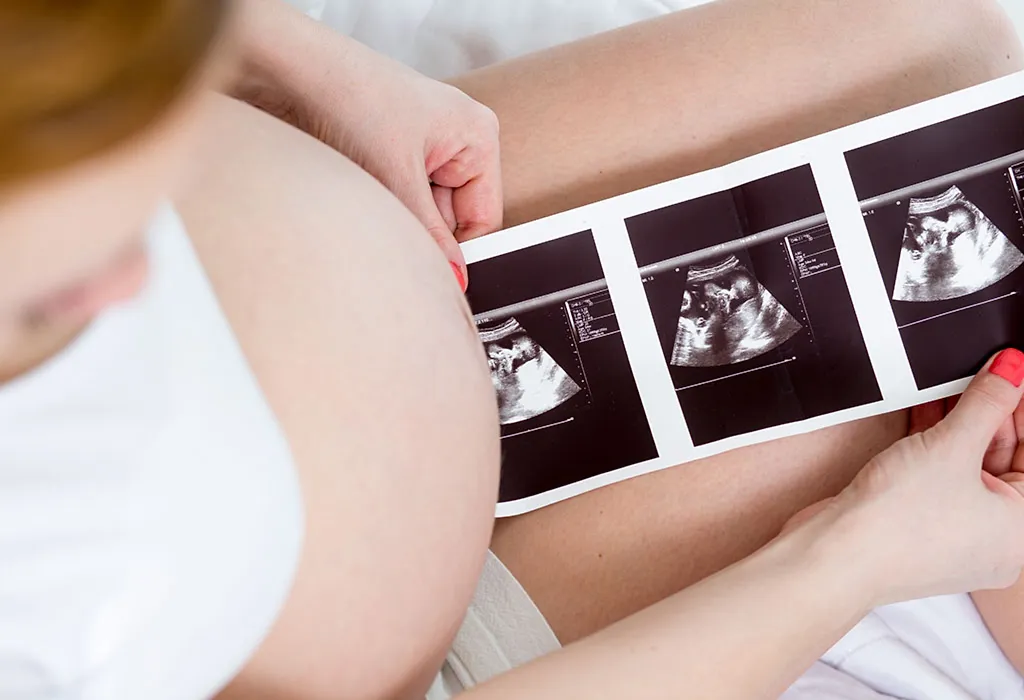
In case of normal pregnancies, there is no ultrasound done in the first week, but if you are going through some treatment to get pregnant, then your doctor may advise you to do an ultrasound in the 1st week to check for fibroids and follicles in the ovary. The ultrasound will also determine the thickness of your uterine lining.
In short, one week pregnancy scan is rarely done when needed.
What to Eat?
If you are trying to get pregnant, you should start eating healthy from day one. During pregnancy, consume extra protein and calcium for the needs of the growing fetus. Ensure that your 1st-week pregnancy food includes a lot of dairy products, legumes, sweet potatoes, salmon, eggs, broccoli and dark leafy vegetables, lean meat, fish liver oil, berries, whole grains, avocado and lots and lots of water. Basically, load your meals up with food that will supply folate, zinc, calcium, iron, and fibre to your body. If you are unable to get these five critical nutrients from the food you eat, then just pop in a supplement or a prenatal vitamin – after consulting your doctor, of course! A healthy you means a healthy baby!

You will be pleased to know that most doctors consider the 1st week of pregnancy as the guilt-free week of pregnancy where you really don’t have to worry about your diet. So, indulge till your doctor breaks the good news to you!
Tips and Care During 1 Week Pregnancy
The first week of pregnancy is a week of joy and anticipation at the same time. While you revel in the moment of welcoming a new member into your life, there are a few 1-week pregnancy care tips that you may want to follow.
Dos:
- The moment you realise that you are pregnant, or if you observe any of the symptoms mentioned above, consult an OB-GYN to understand all about genetic diseases and the risk of environmental hazards.
- Start the intake of prenatal vitamins with 400 mcg of folic acids every day (7).
- Consult your doctor and make all the necessary changes in your lifestyle and eating habits.
- Talk to your doctor about any prescription and nonprescription medication you are taking so that they don’t harm the fetus or interfere with your prenatal vitamins (9).
- Eat a nutritious and well-balanced diet that is full of protein, healthy fat, vitamins, and minerals.
- Stress is a contributor to several health issues. Try to relax and take the issues in a calm manner.
- Get ample rest.
- Stay hydrated.
- Track your symptoms so that you can distinguish between pregnancy and PMS symptoms.
Don’ts:
- Stop drinking, smoking or intake of any drugs immediately (7).
- Don’t take any medicines for any illness without consulting your doctor. If you are on medicines already, stop them right away and start taking them again only with your doctor’s permission.
- Stop any form of tobacco.
- Don’t overexert yourself.
- Avoid high mercury fish, such as shark, swordfish, and king mackerel.

What to Shop For?
Since in the first week of pregnancy you are just about pregnant, there isn’t really too much to shop for. Some of you may not even realise that you are pregnant in the first week. But if you have been planning a baby for a long time and do realise in the very first week that you are pregnant, then add a pregnancy book to your shopping list to read and know all you want to about pregnancy and its phases. If your breasts feel sore, then get yourself comfortable cotton bras. Your skin will start getting drier sooner than you know it, so buy yourself a good moisturiser. And finally, if cramps and backache have already started troubling you, then you may want to include a body pillow on your shopping list. Congratulations, you are all set for the first 2 to 3 weeks of pregnancy!
When to Consult a Doctor?
You don’t need to visit a doctor in the very first week of pregnancy. You may schedule your first prenatal appointment with an obstetrician between 6 and 8 weeks after your last menstrual period, or about 2 to 4 weeks after a missed period (10).
FAQs
1. What should I look for in the prenatal vitamins?
Prenatal vitamins during pregnancy will ensure a healthy baby’s growth and development in the womb by preventing neural tube defects and supporting the development of the placenta (8). Ideally, prenatal vitamins should include calcium, folic acid, iron, vitamins D, B6, B12, C, and A, iodine, and choline.
2. How do I know it is implantation bleeding and not a period?
The simple rule to distinguish between implantation bleeding and a period is that a period involves regular to heavy flow for three to six days. Implantation bleeding, on the other hand, is lighter, like a very light spotting that may resemble a pink or brownish discharge. Implantation bleeding happens six to 12 days after ovulation.
3. What is a preconception visit?
A preconception visit is a type of visit to the healthcare provider before conception happens in order to create a secure foundation for future plans. This includes discussing existing medical conditions, current medications, family history, genetics, nutritional status, and more.
4. Should I test for pregnancy in the 1st week of pregnancy?
You might not be able to ascertain anything at one week pregnancy test. Waiting for a while is suggested.
At 1 week pregnant, pregnancy has typically not started yet in the biological sense, as this week is usually counted from the first day of your last menstrual period. It is a good time to prepare your body for a healthy pregnancy by taking prenatal vitamins with folic acid, eating a balanced diet, avoiding alcohol and smoking, and following healthy lifestyle habits. If you are planning to conceive, regular care and guidance from your doctor can help you prepare for the weeks ahead.
Next Week: 2 Weeks Pregnant
Was This Article Helpful?
Parenting is a huge responsibility, for you as a caregiver, but also for us as a parenting content platform. We understand that and take our responsibility of creating credible content seriously. FirstCry Parenting articles are written and published only after extensive research using factually sound references to deliver quality content that is accurate, validated by experts, and completely reliable. To understand how we go about creating content that is credible, read our editorial policy here.
1. Mayo Clinic – Fetal development: The 1st trimester
2. Planned Parenthood – Month by Month
3. Pregnancy Birth & Baby – Pregnancy at weeks 1 to 4
4. American Pregnancy Association – 1-2 Weeks Pregnant
5. Mayo Clinic – Symptoms of pregnancy: What happens first
6. BetterHealth Channel – Pregnancy – week by week
7. NHS – You and your pregnancy at 1 to 3 weeks
8. Mayo Clinic – Prenatal vitamins: Why they matter, how to choose
9. Nemours KidsHealth – Pregnancy at 1 Week: Weekly Calendar
10. Nebraska Medicine – You asked, we answered: I’m pregnant, how soon do I need to see a doctor?
- Author
- Expert Reviewer


Related Articles
-

15 Weeks Pregnant: Symptoms, Ultrasound & Belly Size
-
40 Weeks Pregnant - Belly Size, Baby Development, Symptoms & More
-
18 Weeks Pregnant: Symptoms, Baby Growth, Belly Size & More
-
12 Weeks Pregnant: Symptoms, Baby Development & Care Tips
-
6 Weeks Ultrasound: Procedure, Abnormalities and more
-
21 Weeks Pregnant: Symptoms, Ultrasound, & Belly Size