

Vomiting in Toddlers
Learn the common causes of toddler vomiting and how to care for your child safely at home.




In this Article
- Causes of Vomiting in Toddlers
- What Is Dry Heaving?
- How to Make Your Toddler Feel Better?
- What Should You Feed Your Toddler After Vomiting?
- Treatment for Vomiting in Toddlers
- Home Remedies for Vomiting in Toddlers
- When Can Your Toddlers Consume Solids Again?
- Precautions to Prevent Vomiting
- What if a Toddler Has Swallowed Something Poisonous?
- When to Consult a Doctor?
- FAQs
View More
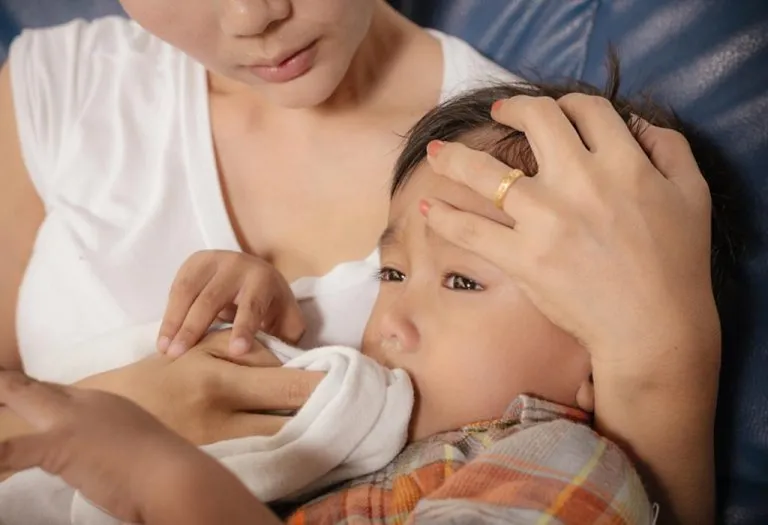
It is undoubtedly distressing for any parent to watch their toddler vomit often. This worry can escalate very quickly if you notice that your child tends to vomit quite often and you cannot identify the reason. While you may not be able to understand the reason at the onset, a closer look may help reveal the reason. Vomiting manifests due to several different reasons and as a by-symptoms of different underlying conditions. If you would like to learn about the reasons why your toddler is throwing up, check out this article.
Causes of Vomiting in Toddlers

Toddlers are sensitive and are still building their immunity, and hence may feel nauseated and end up vomiting for various reasons. Here are a few causes of vomiting in toddlers.
1. Stomach Infection
Stomach flu or viral gastroenteritis is one of the most common stomach infections that can cause vomiting in children. This stomach bug may cause painful cramps in the abdominal cavity, which can lead your little one to regurgitate and vomit. A toddler throwing up clear liquid usually means an empty stomach due to gastroenteritis, teething, or excess mucus. Vomiting caused by stomach infection may be accompanied by diarrhoea, cramps, nausea and fever. The dehydration from diarrhoea may even cause mild headaches (1).
2. Intestinal Infection
Pathogens and bacteria, such as Salmonella and Staphylococcus, can cause infections that can make your toddler vomit. An intestinal infection may cause symptoms such as abdominal cramps, fever, and diarrhoea (2).
3. Pediatric Hernia
When the small or large intestine protrudes from the abdominal cavity, a hernia forms. This can cause discomfort and even increase the risk of infections. Toddlers may be prone to two types of hernias: inguinal and umbilical. If the bowel shifts into the inguinal canal, it can form a large bump in the groin, leading to an inguinal hernia. An umbilical hernia occurs when the small intestine slips through a damaged abdominal wall behind the navel. These hernias exert pressure on the abdominal cavity and cause the toddler to throw up (3).
4. Acid and Bile Reflux
When the oesophageal sphincter that separates the stomach and the oesophagus opens up, it causes some of the contents of the stomach, along with the acid, to move into the oesophagus. This can cause vomiting and nausea due to the irritation (4). On the other hand, when the pyloric valve, which is between the small intestine and the stomach, tends to malfunction, bile from the small intestine moves into the stomach. This irritates the stomach lining, making it contract and expel bile, a greenish-yellow fluid like vomit.
5. Food Allergies
If your child tends to vomit after eating a particular food, it may be due to an allergy. Vomiting is one of the other symptoms of a food allergy (5). Other symptoms could include swelling of the lips and eyelids, abdominal pain, skin hives, itching, etc. If your toddler throws up white chunks of milk, he may be lactose intolerant. This is when the body does not have enough lactase enzymes to digest milk. Some of the most common food allergens are cow’s milk, wheat, eggs, peanuts, sesame, soy, fish (salmon, cod, tuna, shellfish), and tree nuts (pistachios, walnuts, pecans, cashews) (6).
6. Swallowing Air and Overeating
If your toddler has eaten more than his stomach can hold or has swallowed during feeding, he may throw up because his stomach is full to the brim. Swallowing air may be a result of the wrong positioning of the nipple in the mouth.
7. Indigestion
If your toddler’s food hasn’t digested well, he may throw up the undigested food that has accumulated in his stomach. Poor digestion may be caused by overeating, eating too fast, or spicy or greasy food.
8. Ear Infections
Ear infections like labyrinthitis can make the inner ear send erratic signals to the brain, similar to those of motion sickness and vertigo. Your toddler may feel dizzy, face problems balancing, and have severe nausea.
9. Motion Sickness
A constant shift in equilibrium can leave your toddler feeling disoriented. This can be observed after a roller coaster ride. The inner ear, which controls balance, may send erratic signals to the brain due to this shift. This further leads to the brain sending nervous distress signals to the muscles in the stomach, causing your toddler to vomit (7). Dizziness and headaches can also create the same effect.
10. Pneumonia
Bacterial or viral infections inflame the alveoli in the lungs, leading to pneumonia. While breathing difficulties and cough are common symptoms, the toddler may also have vomiting triggered by a persistent cough (8). A toddler throwing up every time they eat could also be due to a lack of appetite due to the infection.
11. Other Infections and Diseases
Vomiting is one of the first-line symptoms of several infections and diseases, including septicaemia and meningitis, as well as other symptoms such as fever, body pain, and headache (9).
12. Ingestion of Poisonous Substances
Since toddlers often put things in their mouths, they may ingest toxic substances that are common in households, like nail polish remover, perfume, or nicotine patches. This can irritate the lining of their stomach and cause the muscles to contract, leading to vomiting (10). He may also have nausea or experience some pain in the abdomen as a result.
13. Rumination Syndrome
This is a rare case when the food regurgitates without any trouble or pain. The toddler will not have any discomfort or heartburn during this. It is also interesting to note that during rumination, the food that is regurgitated is fresh, and the toddler will usually chew and swallow it back (11).
14. Appendicitis
Appendicitis is rare in toddlers and usually occurs in kids between the ages of 10 and 20 years. Infection in the appendix can cause nausea and lead to vomiting (12). It can even cause severe pain in the abdomen, low fever and loss of appetite. The stomach muscles move in an unusual fashion as the infection tends to send impulses of pain throughout the abdominal cavity. This can lead to nausea and vomiting.
15. Medication
Some medications, especially when taken on an empty stomach, can cause your toddler to vomit.
If you notice your toddler vomiting at night, it may be due to several reasons, such as sleeping immediately after dinner, sinus problems, a severe cough, or accumulation of mucus in the tummy at night. In rare cases, it may even be indicative of a tumour. Hence, it is advisable to consult a doctor if it persists.
What Is Dry Heaving?
Dry heaving is when your toddler’s abdominal and facial muscles contract, just like during vomiting. However, he does not actually vomit anything (13). It is also called retching and may occur after a bout of vomiting or when your toddler feels nauseated. It may even be a sign of stress and discomfort.
How to Make Your Toddler Feel Better?
If your toddler is nauseated and feels like vomiting, here are a few things you can do to help him feel better and ease the discomfort.
- Don’t force him to eat: If your toddler does not want to eat anything after vomiting constantly, do not force him to eat. It is all right if he skips a meal to soothe his stomach. Also, feeding him solid food may further distress his stomach and cause him discomfort.
- Give him plenty of fluids: Vomiting can cause the body to dehydrate very fast, even more so if it is accompanied by diarrhoea. He will have also lost electrolytes like sodium and potassium because of vomiting. To rehydrate him, give him small sips of oral rehydration salts (ORS) dissolved in water. This will also provide him with enough calories to sustain him until the time he can eat solid food. Do not give him any milk or juice, as it may be difficult to digest (14). If your little one refuses to drink ORS solution, you can freeze the ORS solution in the popsicle mould and give it to him as a popsicle.
- Allow him to rest: Constant vomiting can make your toddler tired, and he needs adequate rest to regain his energy. Proper rest will also give his body time to fight the infection that may have caused the vomiting (15).
- Follow the course of medicines prescribed by the doctor: Your doctor will prescribe a course of different drugs. Follow the prescription to prevent the infection from returning.
What Should You Feed Your Toddler After Vomiting?
After vomiting, your little one may have expelled the nutrients he had consumed. When a 1–2 year old is throwing up, he may also be unwilling to eat right away due to the discomfort. Here are a few things you can do to ensure your toddler does not feel drained of energy.
- Feed him water and electrolytes: For a few hours after your toddler vomits, you will need to give him enough fluids and electrolytes. Do not give him any solid food, as it could make his condition even worse. Babies can be given Pedialyte, and older children should be given plenty of clear liquids, small amounts at a time.
- Start a liquid diet: Starting your toddler on a liquid diet once he feels better is best. You can give him some vegetable or chicken stock with little salt and no condiments. Rice stock is also a good option. However, avoid lentil stock as some lentils may be hard to digest. You can even give him some tender coconut water as it is rich in amino acids and minerals.
- Provide him with bland, solid foods: Wait 8 hours after your child vomits before introducing solid foods. Once they are able to keep food down, offer options such as yoghurt, bananas, rice, applesauce, and toast. Simple mashed rice and vegetable or chicken stock can also be given to your child once he recovers more. Ensure that you do not give him any high-fibre vegetables that are hard to digest. You can even try blending the vegetables and straining them to make soups that are easy to digest. It’s best to avoid burgers and pizza for a few days (16).
- Give him regular food: Once your toddler has fully recovered or 24 hours have passed since his last vomit, you can give him regular food. You can give him milk in small quantities paired with bread or other foods. If he responds well to the diet, you can continue to give him regular food.
Estimated Oral Fluid & Electrolyte Needs for Children
(Source: American Academy of Pediatrics)
|
Body Weight (in pounds) |
Minimum Daily Fluid Requirements (in ounces)* |
Electrolyte Solution Requirements for Mild Diarrhoea (in ounces for 24 hours) |
|
6–7 |
10 |
16 |
| 11 |
15 |
23 |
|
22 |
25 |
40 |
| 26 |
28 |
44 |
|
33 |
32 |
51 |
|
40 |
38 |
61 |
Treatment for Vomiting in Toddlers
Rehydration is the ultimate treatment goal of vomiting in toddlers.
Medications commonly prescribed to adults for reducing nausea and vomiting are not utilised as frequently in children due to a lack of evidence supporting their effectiveness and the potential for side effects that could surface or worsen an underlying issue. However, in cases where nausea or vomiting is intense or persistent, antiemetics may be administered cautiously to children over the age of 2. According to the MSD Manuals, effective options include (17):
- Promethazine (available orally, by IM, IV, or rectally)
- Prochlorperazine (given orally)
- Metoclopramide (administered orally or via IV)
- Ondansetron (available via IV or orally)
It is strongly recommended to avoid over-the-counter medication for children, whether young or old, without a doctor’s consultation. If your child is sick or is showing unusual symptoms, visit an ER or consult a doctor without any delay.
Home Remedies for Vomiting in Toddlers
Below are some home remedies that can help soothe your toddler after vomiting.
- Clear fluids like broth or water can be a great option to rehydrate your child. Electrolyte solutions like ORS can also be helpful to supplement the lost nutrients. Ginger ale or lukewarm soda can be given in small quantities once it is flat. You will need to stir it to dissolve some of the bubbles, as carbonation may make things worse.
- Tender coconut water is packed with nutrients and can help sustain your child on a liquid diet.
- Chamomile or peppermint tea can soothe the stomach. You can give your child a small amount of tea twice or thrice if he can keep it down. Always give lukewarm tea to prevent burns.
- Once your toddler can successfully keep his liquid diet down, you can give him some toast or crackers. As he recovers, you can begin giving him bland, easily digestible foods like vegetable stock and mashed rice. Once he completely recovers, he will gradually start him on regular food again.
When Can Your Toddlers Consume Solids Again?
Most people say that you wait for at least 24 hours after your child has vomited to give him solid food. If your child does not vomit between feedings and responds well to a liquid diet, you can slowly introduce easily digestible solid foods to him.
Precautions to Prevent Vomiting
In order to prevent your toddler from vomiting due to external triggers, you can follow a few precautions (18).
- Ensure that the food is clean and hygienic: Keep your kitchen clean. Sterilise the utensils that you use to prepare and serve food to your toddler. This is one way to prevent infection-causing bacteria and viruses.
- Reduce food that can cause indigestion: Certain foods like chocolates, citrus fruits and processed foods can lead to acid reflux in your child. If your toddler has had acid reflux before, it is best to avoid these foods. Also, teach your toddler to eat slowly and chew his food properly before swallowing to prevent indigestion.
- Learn the side effects of medicines: If your child is on medications, you will need to enquire about any side effects they may cause. Certain medications can cause vomiting, especially if taken on an empty stomach.
- Keep track of your toddler’ allergies: If you are aware of any food allergies that your toddler has, take all the necessary measures to prevent him from eating that particular food. Also, check the ingredients of all packaged food items to ensure that there are no ingredients that your child may be allergic to.
- Stay away from situations that can lead to motion sickness: If your child is prone to motion sickness, avoid taking him on roller coaster rides or travelling through sharp curves, etc., which can trigger vertigo and make him throw up.
- Hydrate your toddler: Vomiting paired with diarrhoea can decrease the water reserves of the body. Hence, it is important that you provide him with enough fluids to keep him hydrated.
What if a Toddler Has Swallowed Something Poisonous?
If your toddler begins to vomit after ingesting a poisonous substance, you will need to call a doctor immediately to ask for the best course of action. If you can identify the substance that he has ingested, do make a note of it and tell the doctor exactly what it is. The doctor will then be able to tell you what you need to do depending on what was ingested.
When to Consult a Doctor?
Vomiting can be an indicator of something potentially serious. If your child is unable to retain liquids, it is advised to consult a doctor without delay (19). In the following cases, always consult a doctor to get the right medical help for your toddler (20):
- You notice blood in the vomit: Blood in your toddler’s vomit can indicate a lot of serious issues, like a severe infection in the stomach, a tear or bruise in the oesophageal lining caused by acid reflux, an inflamed small intestine, etc. In such cases, you must take your toddler to the doctor as soon as possible.
- Severe diarrhoea and high fever with vomiting: Diarrhoea paired with vomiting can quickly dehydrate your child. The condition escalates if your child has a high fever. This warrants a visit to the doctor to prevent any further complications.
- Vomit is green or black in colour: Bile reflux can make your toddler’s vomit appear green. This could also indicate that your toddler has an intestinal ulcer or a severe infection. On the other hand, dark brown or black coloured vomit can indicate blood clots caused by internal bleeding. This could be due to a deficiency of Vitamin K or to milk allergies.
- Swollen abdomen: If your toddler’s abdomen is swollen, it can indicate a serious infection or fluid retention; both cases require medical intervention.
- Weak pulse and fatigue: If your toddler seems disoriented and pees less during the day, it may be a sign that he is dehydrated due to fluid and electrolyte loss.
FAQs
1. Is it normal for a toddler to experience both fever and vomiting?
Nausea and vomiting, especially in the absence of other symptoms such as fever, can be fairly common. There are plenty of reasons that might lead to vomiting. As long as the toddler remains active and does not have a fever or any other symptoms, it is likely that the cause of the vomiting is not serious.
2. Is it normal for a toddler to experience random vomiting?
Absolutely. A toddler vomiting with no other symptoms or warning is typical. Indigestion, gastric reflux, and overeating are some common contributors to occasional vomiting in toddlers. Sporadic regurgitation is generally not a reason for alarm. Nonetheless, it’s better to consult a paediatrician if the frequency and severity of the vomiting increase.
3. Can I allow my toddler to sleep after they’ve vomited?
Yes. It’s important for your toddler to get proper rest following an episode of vomiting. Therefore, if your toddler feels sleepy, allow them to rest. Just make sure they stay adequately hydrated. Experts suggest that sleep can help the stomach process food and may soothe vomiting (21).
4. How long can vomiting persist in toddlers?
The most frequent cause of vomiting in toddlers is a viral gastrointestinal illness, which typically lasts between one and three days. If a toddler keeps throwing up daily, it is recommended to consult a paediatrician to investigate any potential underlying issues.
5. Is it okay to give a toddler medicines after vomiting?
Do not give your toddler any prescription or over-the-counter medicine unless a doctor has recommended it. Do not give medication that contains aspirin to your child, as it may lead to Reye’s syndrome, which affects the baby’s brain, heart and liver.
6. Can I give milk to my toddler after he has vomited?
It’s better not to give milk or yoghurt drinks until the vomiting has ceased for about eight hours (21).
Proper hygiene and healthy eating are effective ways to reduce the risk of vomiting in children. However, if other conditions cause your toddler to vomit often, it is recommended that you seek medical attention.
Also Read:
Chronic Conditions in Toddlers
Forceful Vomiting In Children
Home Remedies for Vomiting Child
Loose Motions (Diarrhoea) in Toddlers
Was This Article Helpful?
Parenting is a huge responsibility, for you as a caregiver, but also for us as a parenting content platform. We understand that and take our responsibility of creating credible content seriously. FirstCry Parenting articles are written and published only after extensive research using factually sound references to deliver quality content that is accurate, validated by experts, and completely reliable. To understand how we go about creating content that is credible, read our editorial policy here.
1. NHS Cambridge University Hospitals – Diarrhoea and vomiting in children
2. Cedars Sinai – Bacterial Gastroenteritis
3. Standford Medicine – Inguinal and Umbilical Hernias in Children
4. NLM – Overview: Heartburn and GERD
6. American Academy of Pediatrics – Food Allergies in Children: Causes, Symptoms, Diagnosis & Treatment
7. URMC – Why Children Get Carsick—And What to Do
8. Nemours KidaHealth – Pneumonia in Kids
9. Meningitis Research Foundation – Meningitis and sepsis symptoms in toddlers
10. NYU Langone Health -Types of Poisoning in Children
11. URMC – Rumination Syndrome
12. Nemours KidsHealth – Appendicitis In Kids and Teens
13. PubMed Central – Definition of “persistent vomiting” in current medical literature
14. Nationwide Children’s – Dehydration: Giving Liquids at Home
15. HealthDirect – Vomiting in children
16. University of Utah – SHOULD A CHILD EAT OR DRINK IF THEY’RE VOMITING?
17. MSD Manual – Nausea and Vomiting in Infants and Children
19. American Academy of Pediatrics – Treating Vomiting: What to Do When Your Child is Throwing Up
20. University of Utah – HELPING YOUR CHILD RECOVER FROM VOMITING AND DIARRHEA
- Author
 About the Author
Aliya Khan
Related Articles
-

Guillain-Barre Syndrome (GBS) in Children - Symptoms, Causes and Treatment
-

Attention Deficit/Hyperactivity Disorder (ADHD) in Children - Symptoms, Causes, & Treatment
-
Mouth Ulcers (Canker Sores) in Babies and Children - Signs, Causes and Remedies
-
Dental Care for Children
-

Constipation in Kids
-

Blood Infection or Sepsis in Children - Causes, Signs and Treatment


.svg)