
Roller Coaster During Pregnancy: Is It Safe to Ride?
Planning a roller coaster ride in pregnancy Understand the risks follow safety tips and rely on doctor approved guidance before you decide.





Medically Reviewed By
Dr. Deepinder Kaur
(Gynaecologist)

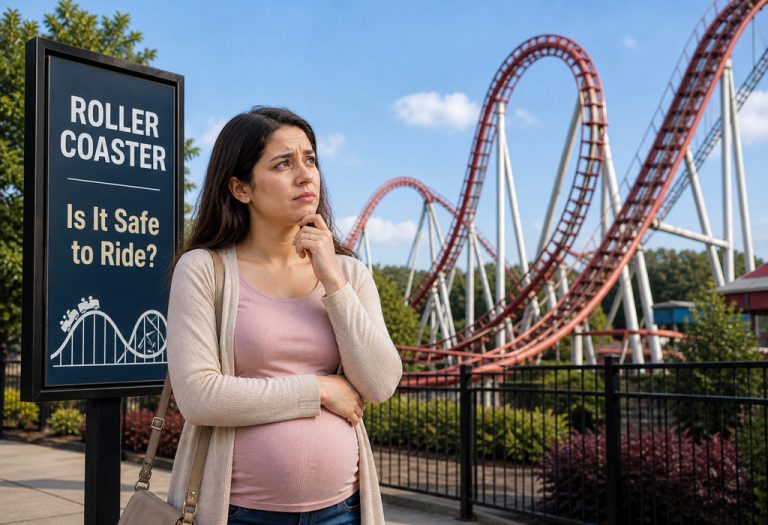
Image Credit : AI Generated Image
This health content has been medically reviewed by qualified experts and follows the FirstCry Parenting editorial policy to ensure accuracy and reliability.
Letting yourself have the best of your pregnancy is what you might have been looking forward to for the longest time. Going for trips, visiting that museum you’ve wanted to, and numerous items on your to-do list might get checked off. But opting for amusement park rides during pregnancy might not be as much fun as you’d want to. The notion of keeping your baby safe during pregnancy can get quite paranoid at times, and you might wonder if it is safe to ride a rollercoaster while you are pregnant or just avoid it altogether. So, can pregnant women go on roller coasters? Read on to find out!
Can Pregnant Women Go on Roller Coasters?
Going to an amusement park and letting yourself enjoy the rides might make for a fun day altogether. But as safe as gentle rides might be, a rollercoaster might not be the safest option for your baby and even yourself.
That being said, there isn’t any conclusive evidence from scientific studies that has deemed rollercoaster rides as dangerous for pregnant women. But along similar lines, their safety hasn’t been confirmed as well. Many rides tend to display a sign outside warning pregnant women about the risks of this ride.
You are susceptible to the highest amount of risk during the first trimester of your pregnancy, which can be elevated with the ride; however, opting for it at a later stage of pregnancy can result in complications in your foetus, too.
What Are the Risks of Riding a Roller Coaster in Pregnancy?
For women wondering if riding roller coasters when pregnant can affect the pregnancy, it is necessary to be aware of certain risks that you would be exposing yourself to. A primary one in this regard usually affects women in the first trimester of pregnancy.
1. Placental Abruption
The first trimester is the time when the embryo is just attempting to get implanted within the uterus and secure itself properly. Even later on, the placenta plays a vital role in providing all the nutrients to the fetus and keeping it in place. Placental abruption is a complication when the placenta separates from the uterine lining, causing immense bleeding. This can either cause the child to be born with low body weight at its minimal risk or be fatal for both the mother and the child at its worst (1).
This usually is a result of various disorders, but can also occur as a result of a massive jerk to the body, which can be experienced in automobile accidents or roller coaster rides. An internal haemorrhage is usually observed in such cases.
2. Miscarriage
In the first trimester, the abrupt and jarring movements of the roller coaster are unlikely to cause a miscarriage, as the foetus is in its early developmental stages (2). But as the general directive for safety, you should avoid roller coasters throughout your pregnancy, especially in the later stages, to prevent any harm to the baby.
3. Preterm Labour
The intense forces and sudden movements experienced on a roller coaster can stimulate uterine contractions. In some cases, especially during the second and third trimesters, this may trigger premature labour. Preterm labour can lead to early delivery, which increases the risk of complications for the baby, including underdeveloped organs and the need for specialised medical care (3).
4. Reduced Blood Flow to the Fetus
High-speed rides often involve rapid acceleration, deceleration, and inversions, which can temporarily affect blood circulation. These abrupt changes may reduce blood flow to the uterus and placenta, limiting the oxygen and nutrients reaching the fetus. Even brief interruptions in circulation can pose risks to fetal development, particularly in pregnancies that are already considered high-risk.
5. Increased Risk of Abdominal Trauma
Safety harnesses and lap bars on roller coasters are designed for the general population and may press tightly against the abdomen. During pregnancy, this pressure, combined with sudden stops or jerks, can lead to abdominal trauma. Such impact may harm the uterus or the developing baby, especially as the pregnancy progresses and the abdomen becomes more prominent.
6. Dizziness and Loss of Balance
Pregnancy already brings changes in blood pressure and balance due to hormonal shifts (4). The spinning, high-speed, and sudden directional changes of roller coasters can worsen dizziness or even cause fainting. This increases the risk of falls or injuries when getting on or off the ride, which can indirectly affect both the mother and the baby.
7. Increased Stress and Anxiety
Roller coasters are designed to create excitement and adrenaline rushes, which can elevate stress hormones like cortisol and adrenaline in the body. Excessive stress during pregnancy is not considered ideal, as it may impact both maternal well-being and fetal development (5). For individuals who are already anxious or experiencing pregnancy-related stress, such rides can intensify discomfort.
Signs Indicating Complications After Riding a Roller Coaster
Most of the time, the effects of the rollercoaster rides might not be evident right away. Some rides might even be safe, but it is best to contact your doctor immediately if you start experiencing any of the following symptoms after completing your ride.
- Continuous contractions in the abdomen that don’t seem to subside even after a long time.
- Immense bleeding from the vagina.
- Intense pain in the back and the abdominal region.
- The beginning of abdominal pain is sudden, and it increases rapidly.

Safety Suggestions for Riding a Roller Coaster While Pregnant
When it comes to riding roller coasters during pregnancy, safety is paramount for both the expecting mother and the unborn child. While the ideal recommendation is to avoid roller coaster rides until after delivery, if you’ve already experienced one and aren’t facing any concerning symptoms, there may be minimal cause for worry. Nevertheless, it’s crucial to be well-informed and take necessary precautions to ensure a safe experience. Here are some safety suggestions for pregnant women considering or having already taken a roller coaster ride:
- Before planning any amusement park visit or engaging in roller coaster rides, consult with your healthcare provider. They can provide personalised advice based on your health, the stage of your pregnancy, and any specific concerns.
- Familiarise yourself with the specific safety guidelines and restrictions of the roller coaster you plan to ride. Some rides may have height or health restrictions that are particularly crucial for pregnant women to adhere to.
- Opt for mild and family-friendly rides rather than extreme and high-thrill roller coasters. Slow-paced rides and those without sudden drops or intense G-forces are generally safer for pregnant women.
- Roller coasters with sharp turns, sudden drops, or inversions can subject the body to abrupt movements and forces. Avoid rides with these characteristics, as they may pose a higher risk during pregnancy.
- If you decide to go on a roller coaster, make sure the lap bar or harness is securely fastened and follows the ride’s safety instructions. Ensure that the restraint system does not apply excessive pressure on your abdomen.
- Pay close attention to your body’s signals during and after the ride. If you experience any discomfort, dizziness, nausea, or other unusual symptoms, seek assistance immediately and inform park staff.
- Amusement parks can be physically demanding, so stay hydrated and take regular breaks. Prolonged periods of standing or walking in the heat can contribute to fatigue, and it’s essential to prioritise your well-being.
- Pregnancy alters your centre of gravity, making you more prone to losing balance. Be cautious when navigating stairs, ramps, and uneven surfaces within the amusement park.
- Adhere to all park rules and regulations, and don’t hesitate to ask park staff for guidance or clarification on which rides are safe for pregnant women. When it comes to roller coaster and pregnancy, prioritising safety over thrill is always the wisest choice for both the mother and the developing baby.
FAQs
1. Is it safe to ride a roller coaster if the pregnancy is low-risk and early?
Even in a low-risk and early pregnancy, safety cannot be guaranteed. The rapid jerks, sharp turns, and restraints pressing against the abdomen can still pose hidden risks. Medical professionals generally advise avoiding such roller coaster when pregnant as a precaution, since the potential risks outweigh the temporary enjoyment.
2. Can loud noises from roller coasters harm the baby’s hearing?
Roller coasters can produce loud mechanical sounds and sudden screams, sometimes exceeding safe noise levels. Although the amniotic fluid provides some cushioning, prolonged or extreme noise exposure may still reach the fetus. While occasional noise is unlikely to cause damage, frequent exposure to very loud environments during pregnancy is best avoided.
So this was all about pregnancy and roller coasters. It is truly not safe to choose to ride roller coasters while pregnant in the first trimester, since the chances of miscarriage are highest at that stage. As you progress through your pregnancy, sitting on a rollercoaster ride can increase your blood pressure or cause stress on the abdomen, which isn’t safe for the child. The option of being tightly strapped in isn’t going to make things easier on you or your unborn baby either. Keep your baby’s safety a priority and choose to enjoy other safe games instead (6).
Also Read:
Boating while Pregnant
Travelling By Bus during Pregnancy
Travelling By Train in Pregnancy
Is It Safe to Ride a Horse when Pregnant?
Driving a Two-Wheeler in Pregnancy
Was This Article Helpful?
Parenting is a huge responsibility, for you as a caregiver, but also for us as a parenting content platform. We understand that and take our responsibility of creating credible content seriously. FirstCry Parenting articles are written and published only after extensive research using factually sound references to deliver quality content that is accurate, validated by experts, and completely reliable. To understand how we go about creating content that is credible, read our editorial policy here.
- Author
- Expert Reviewer


Related Articles
-

30 Fun Things to Do During Pregnancy
-
Sciatic Nerve Problems During Pregnancy: Causes & Treatment
-
Breathing Polluted Air during Pregnancy - Consequences and How You Can Protect Yourself
-
Antibiotics In Pregnancy - What to Have & What to Avoid
-
Guess Who Mommy or Daddy Baby Shower Game With Questions
-
Allergies During Pregnancy : Causes, Signs & Prevention