Pregnancy After D&C: How Soon Can You Get Pregnant, Chances & Tips
Getting pregnant after a D&C is possible for most women. Here's how long to wait, your chances & how to boost fertility.





Medically Reviewed By
Dr. Shruti Kainth
(Gynecologist/Obstetrician)

This health content has been medically reviewed by qualified experts and follows the FirstCry Parenting editorial policy to ensure accuracy and reliability.
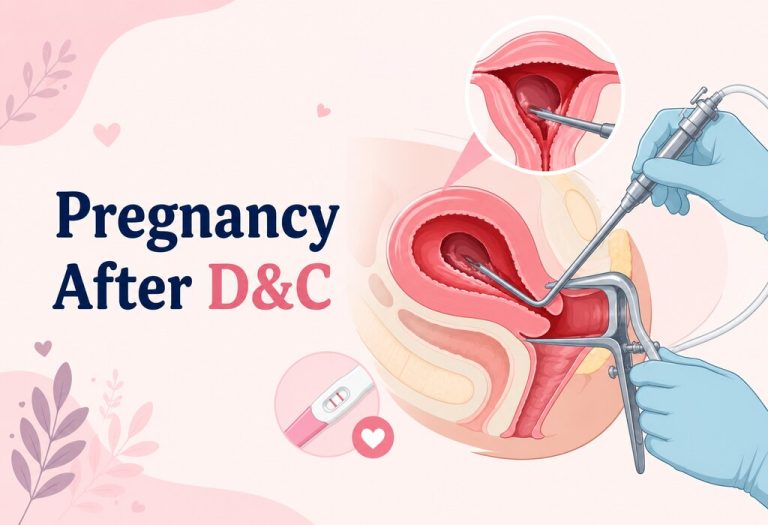
Dilation and curettage (D&C) is a procedure that is used to clear the uterine lining after a miscarriage or an abortion. If you think one miscarriage is the end of your pregnancy or that you can never heal after a D&C procedure, then you are not alone in thinking this. But the good news is that pregnancy after a D&C procedure is possible. While there may be concerns, proper medical guidance and care can increase the chances of a successful pregnancy and deliver a healthy baby. We know you are bubbling up with plenty of questions, like what are the chances of falling pregnant after a D&C, how and when can you get pregnant after a D&C procedure, care tips for an after D&C pregnancy, and more.
What Is D&C?
D&C stands for dilation and curettage, a medical procedure to remove uterine tissue. The American Pregnancy Association say that it is commonly used for various reasons, including the treatment of certain gynaecological conditions, such as abnormal uterine bleeding, miscarriage management, or to obtain a tissue sample for testing (1).
What Are Your Chances of Getting Pregnant After a D&C?
As mentioned above, D&C is performed when a woman has had a miscarriage or wishes to terminate the pregnancy. It’s believed that the dilation and curettage procedure affects the pregnancy rate. After having a miscarriage, you must not lose hope, as chances of having a successful pregnancy still remain very high, and you surely can conceive and have a baby in some time (2).
How Long After D and C Can You Get Pregnant?
After going through a D&C procedure, wait for two weeks and then visit your gynaecologist to determine the extent of recovery. Once your body recovers completely, you can consult your doctor and go ahead and try for a baby (3). Most specialists suggest waiting for at least three menstrual cycles. But ensure you’re physically and mentally ready.
How to Boost Your Chances Post a D&C?
Although a D&C does affect your reproductive health, there are ways to boost your chances of pregnancy. For a healthy pregnancy, you need to be healthy. These tips will help you do just that (4)!
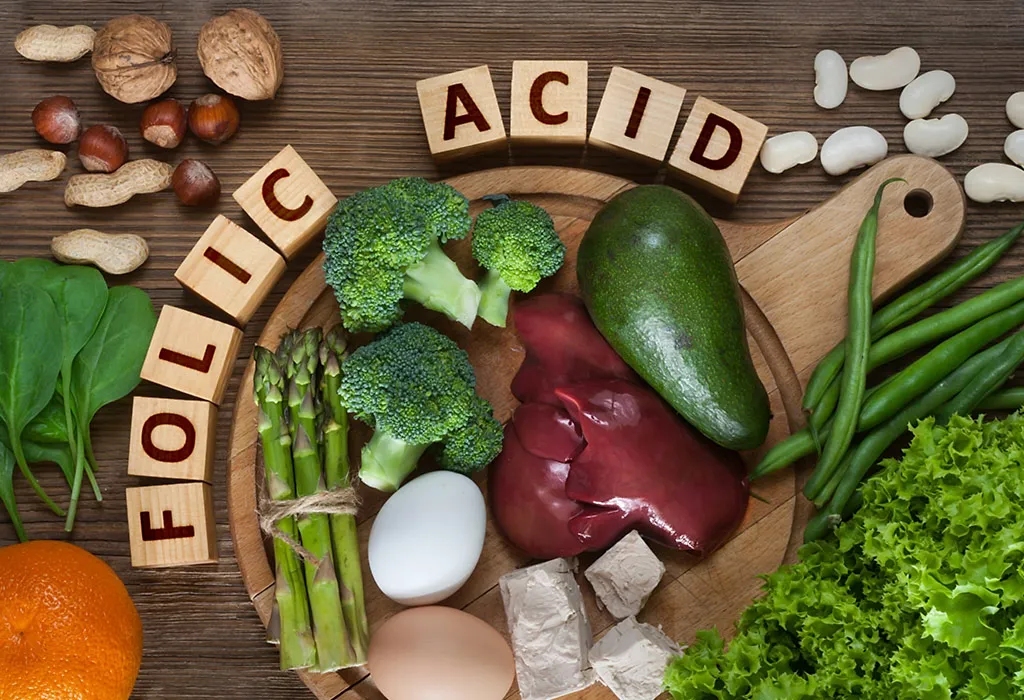
1. Consume Foods Rich in Folic Acid
Folic acid is a man-made form of folate. It helps in the production of red blood cells and in the development of a baby’s brain. If folic acid is consumed before and during pregnancy, it can prevent birth defects in the baby. Hence, increase your folic acid intake. You can eat foods rich in folic acid or take folic acid supplements if you like.
2. Eat Healthy Foods
Eating healthily before and during pregnancy is important. Consuming foods rich in omega-3 fatty acids can help the development of your baby’s brain. Dairy products prepare your body for pregnancy by providing calcium and proteins. A diet rich in proteins, vitamins, and minerals is essential for a healthy pregnancy; so start consuming milk, nuts, fresh fruits and vegetables and water.
3. Maintain a Healthy Weight
Being underweight or overweight can cause complications during delivery. Hence, you should maintain a healthy weight for a smooth pregnancy. If you’re overweight and want to conceive, stop eating junk foods. Exercising daily can also prepare your body for pregnancy.
4. Adopt a Healthy Lifestyle
Another thing you can do to boost your chances is giving up alcohol. Heavy drinking and smoking increase the chances of a miscarriage. Change your habits. Eat well and exercise often!

5. Reignite the Passion
It’s no mystery how babies are born! Start indulging in sex with your partner. Spending intimate time with each other regularly increases the chances of conception. If you have sex on the most fertile days, it’s easy to become pregnant.
6. Seek Medical Help
While trying for pregnancy after a miscarriage or multiple miscarriages, talk to a specialist. Consult a doctor you trust and ask her how you can get pregnant again.
7. Consider Acupuncture
Acupuncture, a traditional Chinese therapy, has been shown to promote blood flow to the uterus, regulate hormone levels, and reduce inflammation. It may be worth exploring as an adjunct treatment to enhance fertility post-Dilation and Curettage (D&C) procedures.
8. Manage Stress Levels
High levels of stress can affect fertility. Engage in stress-reducing activities like meditation, yoga, or counselling to help maintain emotional well-being and create a conducive environment for conception.
9. Monitor Ovulation
Tracking your menstrual cycle and identifying your fertile window can significantly boost your chances of conceiving after a D&C. Use methods like ovulation predictor kits or charting basal body temperature to pinpoint the most favourable time for conception.
What If You Are Unable to Conceive?
Some women have issues conceiving after a D&C procedure due to hormonal imbalance or a rare complication called Asherman’s syndrome. In that case, you need to consult a gynaecologist and have yourself evaluated with a serum prolactin level, thyroid function tests, and an ultrasound so that specific treatment can be initiated to improve the likelihood of conceiving.
FAQs
1. Is the D&C procedure painful?
The D&C procedure is typically performed under anaesthesia, meaning you will be asleep without pain. However, you may experience mild discomfort or cramping, similar to menstrual cramps, after the procedure, which can be managed with pain medications prescribed by the doctor (5).
2. Is it normal to bleed after D&C?
Yes, yes. It is normal to experience some bleeding after a D&C procedure. The bleeding can vary in intensity and duration but is similar to a menstrual period. However, if the bleeding becomes heavy or you experience severe pain, fever, or foul-smelling discharge, you must contact your doctor, as these could be signs of complications (6).
3. How soon can I get pregnant after a D&C?
You can become pregnant as soon as you ovulate, which may happen within two to four weeks after a D&C. However, most doctors suggest waiting until you have had at least one normal menstrual period before trying to conceive. This helps with pregnancy dating and allows the uterus some time to recover as well.
4. Does having a D&C reduce fertility?
In most cases, a D&C does not affect future fertility. Many women go on to have healthy pregnancies after this procedure (7). Rare complications include postpartum haemorrhage or bands of scar tissue, which may form inside the uterus, causing infertility and amenorrhea, which is known as Asherman syndrome, but these are uncommon and can often be successfully treated with surgery (8).
5. When is it safe to try for another pregnancy after a D&C?
If you have recovered well and there are no complications, then your doctor may advise you to try again after your first normal period. The right timing often varies for individuals depending on the reason for the D&C, overall health, healing speed, and emotional readiness (9).
6. Can I have a healthy pregnancy after a miscarriage and D&C?
Yes, why not! Most women who have a miscarriage followed by a D&C go on to have healthy pregnancies. A balanced diet, prenatal vitamins with folic acid, managing chronic health conditions, and following your doctor’s advice can help support a healthy pregnancy.
The thought of being unable to conceive can be scary, but you shouldn’t let it affect you. Seeking medical help promptly can help you take measures to increase your chances of getting pregnant after D&C.
Also Read:
Pregnancy after Stillbirth
Pregnancy after Abortion
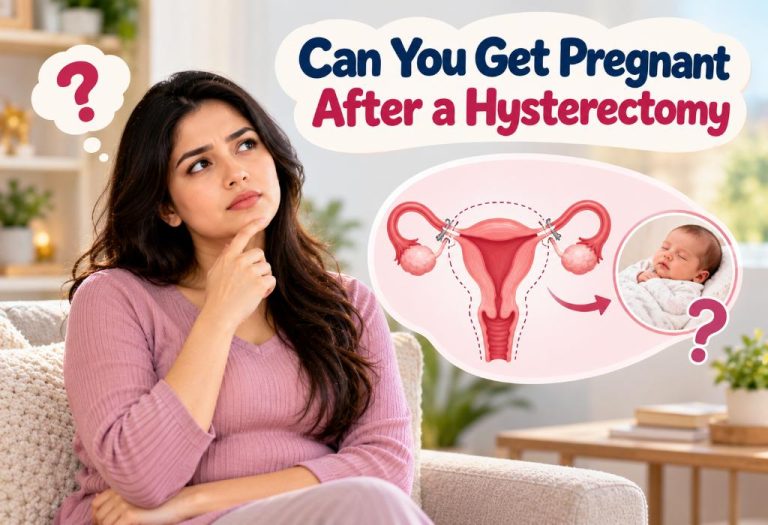
Pregnancy after a Hysterectomy
Was This Article Helpful?
Parenting is a huge responsibility, for you as a caregiver, but also for us as a parenting content platform. We understand that and take our responsibility of creating credible content seriously. FirstCry Parenting articles are written and published only after extensive research using factually sound references to deliver quality content that is accurate, validated by experts, and completely reliable. To understand how we go about creating content that is credible, read our editorial policy here.
1. American Pregnancy Association – D&C Procedure After a Miscarriage
3. Mayo Clinic – Dilation and curettage (D&C)
5. Cleveland Clinic – Dilation and Curettage (D & C)
6. Johns Hopkins Medicine – Dilation and Curettage (D and C)
7. National Library of Medicine – Does Dilation and Curettage Affect Future Pregnancy Outcomes?
8. American College of Obstetricians & Gynecologists – Dilation and Curettage (D&C)
9. American College of Obstetricians & Gynecologists – Early Pregnancy Loss
- Author
- Expert Reviewer


Related Articles
-

Is It Possible to Choose Your Baby's Sex
-
How Soon After Giving Birth Can You Get Pregnant
-
How to Get Pregnant Fast After an Ectopic Pregnancy: A Complete Guide
-
Can Meditation Help With Conception and Pregnancy?
-
Basal Body Temperature (BBT): Chart, Tracking, & more
-
Can You Get Pregnant After a Hysterectomy?