
Postpartum Thyroiditis: Symptoms, Causes, Diagnosis, and Treatment
A complete guide to postpartum thyroiditis, symptoms, stages, treatment and recovery after birth.




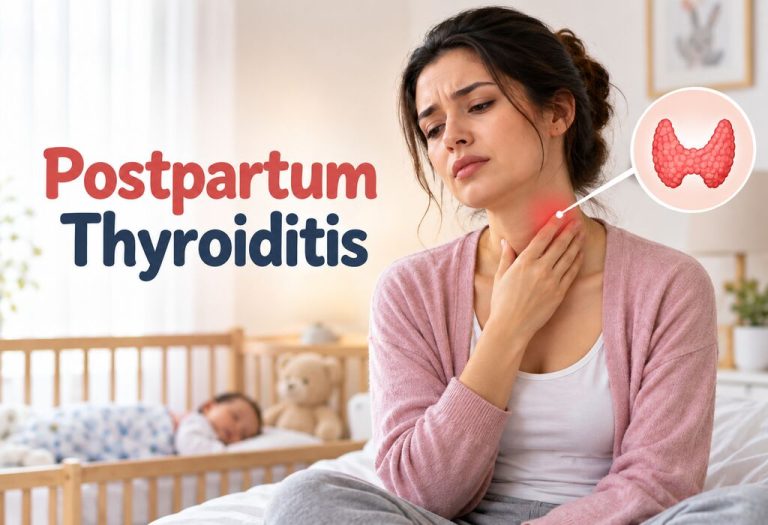
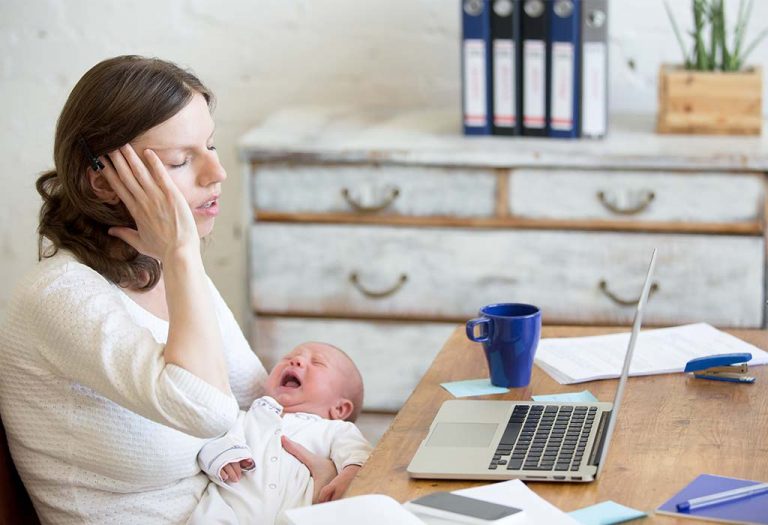
Postpartum thyroiditis is an autoimmune inflammation of the thyroid that can cause temporary overactive or underactive thyroid symptoms during the first year after childbirth. It affects about 5% to 10% of women in the postpartum period, according to the American Thyroid Association (1). Because symptoms such as fatigue, mood changes, weight fluctuations, and trouble sleeping can resemble normal postpartum changes, the condition may go unnoticed. This article covers postnatal thyroiditis symptoms and causes, along with risk factors, diagnosis, treatment options, and what to expect during recovery.
What Is Postpartum Thyroiditis?
Postpartum thyroiditis is a temporary inflammation of the thyroid gland that can develop within the first year after childbirth. It can cause the thyroid to release too much hormone at first and later produce too little hormone. The condition often follows three phases (2) (3):
- Thyrotoxic phase: The thyroid releases excess hormones, which may cause anxiety, irritability, a fast heartbeat, sweating, and unintentional weight loss (4).
- Hypothyroid phase: Thyroid hormone levels drop, leading to symptoms such as fatigue, feeling cold, constipation, dry skin, and weight gain (5).
- Recovery phase: Thyroid function gradually returns to normal in many women. However, some may develop long-term hypothyroidism and need ongoing monitoring.
How Common Is Postpartum Thyroiditis?
Postpartum thyroiditis affects approximately 5% to 10% of women during the first year after giving birth, according to the American Thyroid Association (1). Thyroid disease after pregnancy is more common among women with certain risk factors, particularly those with thyroid antibodies, a history of thyroid problems, or autoimmune conditions.
What Causes Postpartum Thyroiditis?
Postpartum thyroiditis can develop due to several changes in the immune system and thyroid function that occur after childbirth. Some of the key factors include (6):
- Postpartum immune changes: Pregnancy naturally alters immune activity. After delivery, the immune system rebounds, which can trigger inflammation against thyroid tissue.
- Thyroid antibodies: Antibodies such as thyroid peroxidase (TPO) and thyroglobulin (Tg) antibodies can attack thyroid cells and are strongly linked to postpartum thyroiditis.
- Previous thyroid problems: A history of thyroid dysfunction can increase the likelihood of developing postpartum thyroiditis.
- Previous postpartum thyroiditis: Women who have experienced the condition after an earlier pregnancy have a higher risk of recurrence.
- Personal or family history of autoimmune disease: Autoimmune conditions and a family history of autoimmune thyroid disease can increase susceptibility.
Symptoms of Postpartum Thyroiditis
The symptoms of postpartum thyroid disease vary depending on the phase and whether thyroid hormone levels are high or low.
1. Signs of Hyperthyroidism
Postpartum hyperthyroidism occurs when the thyroid releases excess hormones, which can affect several functions of the body. You may notice symptoms such as (7):
- Fast or irregular heartbeat
- Anxiety or irritability
- Unexplained weight loss
- Increased sweating
- Difficulty sleeping
- Trembling hands
2. Signs of Hypothyroidism
The hypothyroid phase occurs when thyroid hormone levels fall, slowing several functions of the body. This can lead to symptoms such as (5):
- Persistent fatigue
- Weight gain
- Increased sensitivity to cold
- Dry skin
- Constipation
- Low mood
- Difficulty concentrating
- Muscle or joint aches
Who Is at Risk of Postpartum Thyroiditis?
Certain health and pregnancy-related factors can increase the likelihood of developing postpartum thyroiditis. Women with the following risk factors may be more susceptible (8):
- History of thyroid disease
- Positive thyroid peroxidase (TPO) antibodies
- Previous postpartum thyroiditis
- Type 1 diabetes
- Other autoimmune conditions
- Family history of thyroid or autoimmune disease
- History of Graves’ disease
- Previous thyroid surgery
When Does Postpartum Thyroiditis Occur?
Pregnancy related thyroiditis usually develops within the first year after childbirth, and its symptoms can appear in distinct phases (1) (9).
- Hyperthyroid phase: Usually occurs 1 to 4 months after delivery and may last for 1 to 3 months.
- Hypothyroid phase: Often develops 4 to 8 months after delivery and may last for several months.
- Recovery phase: Thyroid function commonly returns to normal within 12 to 18 months after symptoms begin, although some women may develop permanent hypothyroidism.
How to Diagnose Postpartum Thyroiditis?
Post pregnancy thyroid is diagnosed through a review of symptoms, medical history, and blood tests that measure thyroid hormone levels. Doctors may use the following (2):
- Thyroid-stimulating hormone (TSH) test
- Free T4 test
- Thyroid antibody tests, particularly TPO antibodies
- Physical examination
- Medical and pregnancy history
- Repeat thyroid function tests to monitor changes between phases
How Is Postpartum Thyroiditis Treated?
Postpartum thyroiditis treatment depends on the phase, severity of symptoms, and whether thyroid hormone levels are high or low (2) (10).
- Managing the Hyperthyroid Phase: Beta-blockers may be used to control symptoms such as a rapid heartbeat, while corticosteroids may be considered for severe inflammation.
- Treating the Hypothyroid Phase: Thyroid hormone replacement therapy may be prescribed when thyroid hormone levels are low or symptoms are significant.
- Monitoring Thyroid Function:Regular blood tests help monitor thyroid hormone levels and determine whether treatment needs to continue or be adjusted.
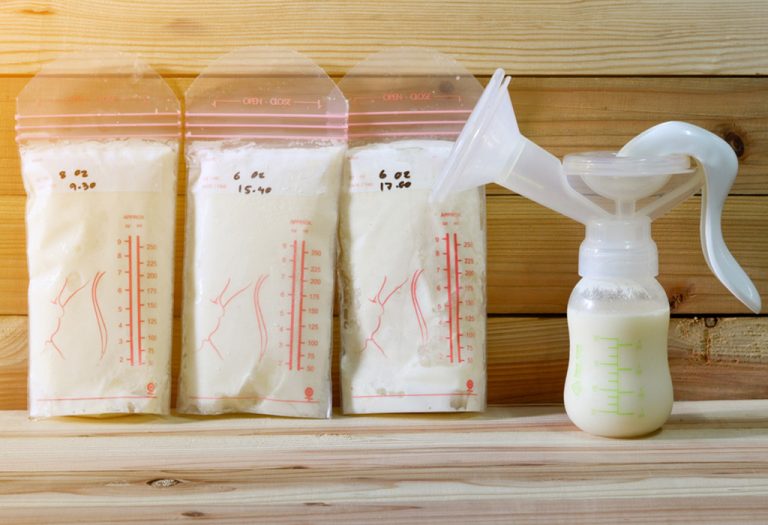
- Treatment During Breastfeeding: If you are breastfeeding, your healthcare provider can choose medications considered appropriate for you and your baby.
FAQs
1. Is postpartum thyroiditis permanent?
Usually, no. Most women recover normal thyroid function within 12 to 18 months. However, some may develop permanent hypothyroidism and require long-term treatment.
2. Can after pregnancy thyroid issues affect breastfeeding?
In most cases, women with postpartum thyroiditis can continue breastfeeding. If medication is needed, a doctor can recommend options that are appropriate during breastfeeding (11).
3. Can postpartum thyroiditis be prevented?
There is currently no reliable way to prevent thyroid after giving birth. Women at higher risk can discuss thyroid testing and monitoring with their doctor during pregnancy and after delivery.
Postpartum thyroiditis can feel concerning, especially when changes in your body are difficult to distinguish from the demands of new motherhood. However, it is usually temporary, and most women return to normal thyroid function with time and appropriate care. If symptoms continue or affect your daily life, reaching out to your doctor can provide clarity and peace of mind.
Also Read:
Postpartum Checkup
Thyroid after Pregnancy
Causes of Postnatal Cramps
Postpartum Complications & Solution
Was This Article Helpful?
1. American Thyroid Association – Postpartum Thyroiditis
2. Cleveland Clinic – Postpartum Thyroiditis
3. Cleveland Clinic – Thyroiditis
4. Cleveland Clinic – Thyrotoxicosis
5. Cleveland Clinic – Hypothyroidism (Underactive Thyroid)
7. Cleveland Clinic – Hyperthyroidism
8. Johns Hopkins Medicine – Postpartum Thyroiditis
9. The Annals of Thyroid – Postpartum thyroid disorders
10. National Library of Medicine – Postpartum Thyroiditis
11. Australian Breastfeeding Association – Breastfeeding and thyroid disease
- Author