
Can You Be Pregnant Without Any Symptoms? Know the Facts
Can You Be Pregnant With No Symptoms? Understanding Silent Early Pregnancy Signs and What to Look For.





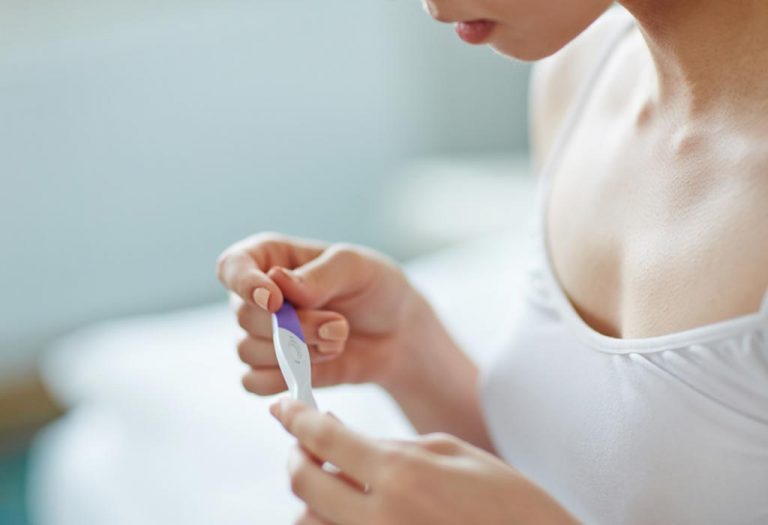
You tested positive on your pregnancy kit and were expecting all the pregnancy symptoms to start kicking in. Morning sickness, breast tenderness, fatigue, and nausea seemed to be on the way. If you’re reading this, it’s likely that the above symptoms haven’t made their appearance just yet. However, you shouldn’t assume that something is wrong. It is just that you are pregnant with no symptoms. The signs of early pregnancy can vary from pregnancy to pregnancy. One may feel their body making changes before they know they’re pregnant, or one may not notice any symptoms at all. So, can you be pregnant without symptoms? Let’s learn more about pregnancy with no symptoms with the help of this article.
Can You Be Pregnant With No Symptoms?
Many women who test positive and see no symptoms often wonder, “Can I be pregnant without any symptoms?” The answer is yes. A positive pregnancy test but no symptoms are common, and no, it does not mean your baby is in trouble.
Every woman goes through a different experience during pregnancy, and as such, no two pregnancies are similar. Some women reach up to 7 weeks of pregnancy with no symptoms. After this, they begin experiencing symptoms like an increase in appetite, nausea, soreness, etc.
When the fertilised embryo gets implanted in the uterus 6 to 12 days after ovulation, most women are not aware of the changes (1). Even if you don’t see any symptoms in the early stages, you may suddenly experience nausea or morning sickness a few weeks into your pregnancy.
Why There Is a Positive Pregnancy Test and No Symptoms?
Pregnancy without symptoms is common, and there is no need to worry if no sign in your body indicates pregnancy. Here are some of the common reasons why there are no symptoms when the pregnancy test is positive:-
1. Missed the Early Signs
It is possible that you may have experienced the early symptoms but mistaken them for menstrual symptoms. You might have mistaken implantation bleeding with the regular period flow (2).
2. Too Early to Experience
Every pregnancy is different, and so are the symptoms. Sometimes, a pregnant woman may not feel a thing until the second half of their first trimester or even later. You should probably wait for a little while to feel the signs if you have just conceived.
3. Don’t Get Symptoms
Some pregnant women have reported having no signs or symptoms apart from a growing belly. But you must mention the absence of signs to your doctor.
4. Attributing Symptoms to Something Else
You may be attributing the signs of pregnancy to something else, like feeling tired more than usual. Now you may assume that it’s because of the long working hours instead of pregnancy symptoms. Mood swings could be blamed on routine stress rather than your bun in the oven.
5. Expecting More Dramatic Symptoms
If you are trying to conceive, you probably have read all things related to pregnancy, including information about pregnancy symptoms, like throwing up as soon as you are pregnant. But this isn’t always the case. It’s not necessary that you may also experience pregnancy symptoms at extreme levels like other pregnant women.
6. PCOS
It is difficult for women with PCOS to get pregnant as they don’t release eggs regularly (3). But when they do successfully conceive, they may only experience subtle symptoms and sometimes none.
7. False Pregnancy
If you have only taken your test at home and it is not confirmed by the doctor, there are chances that it’s just a false pregnancy. Although most of the home pregnancy sticks are accurate, that doesn’t mean getting a false positive is impossible.
What If You’re Uncertain About Your Pregnancy?
If you’ve taken an early pregnancy detection test at home, you may have got a positive result but not experienced any symptoms.
Early pregnancy detection strips measure the level of hCG in the urine to determine pregnancy. The level of hCG hormone is very low during the early stages (4). Hence, if you’ve taken a test and are uncertain of your pregnancy, it’s best to visit a gynaecologist and get your blood and urine tested to determine pregnancy.
What If the Doctor Confirms Your Pregnancy, but You Don’t Have Any Symptoms?
Even if a gynaecologist has confirmed your conception, you may not experience any symptoms. This means that you are among the lucky ones who experience little to no symptoms during pregnancy. Or you may not have noticed slight changes like an increase in your appetite, fatigue or a rise in your energy level.

Despite the lack of symptoms, we recommend that you keep up your routine checkups to track fetal development. If you feel unusual pain or cramps, visit the doctor immediately.
Conditions That Can Mimic Symptom-free Pregnancy
A symptom-free pregnancy is actually possible—but there are also several conditions that can mimic pregnancy or make it seem “silent.” Here are the most important ones to know:
1. Polycystic Ovary Syndrome (PCOS)
PCOS is a hormonal disorder that can cause irregular or missed periods, making it difficult to tell whether a delay is due to pregnancy; it may also lead to symptoms like bloating, mild weight gain, acne, and changes in hair growth, which can either resemble early pregnancy signs or mask them entirely, especially in people who already have unpredictable cycles.
2. Thyroid Disorders
Thyroid conditions, whether hypothyroidism (underactive) or hyperthyroidism (overactive), can disrupt menstrual cycles and hormone balance, leading to missed or delayed periods, fatigue, mood swings, and weight changes; these symptoms often overlap with pregnancy-related changes, making it harder to distinguish between the two without testing (5).
3. Stress & Hormonal Imbalance
High levels of stress can significantly affect hormonal balance by increasing cortisol, which in turn may suppress ovulation and delay periods; along with missed cycles, stress can also cause nausea, fatigue, appetite changes, and emotional fluctuations, creating a situation where pregnancy seems possible even when it isn’t (6).
4. Pseudocyesis (False Pregnancy)
Pseudocyesis is a rare psychological condition in which a person strongly believes they are pregnant, and this belief can trigger real physical symptoms such as missed periods, abdominal enlargement, breast changes, and even sensations resembling fetal movement, despite there being no actual pregnancy (7).
5. Ovarian Cysts or Tumours
Ovarian cysts or, less commonly, tumours can interfere with normal ovarian function, leading to delayed or missed periods, pelvic discomfort, bloating, and in some cases visible abdominal swelling; these physical changes can sometimes be mistaken for pregnancy, particularly if cycles are already irregular.
6. Medication Side Effects
Certain medications, especially hormonal contraceptives, fertility treatments, antidepressants, or other hormone-influencing drugs, can cause side effects such as nausea, breast tenderness, fatigue, and changes in menstrual timing, all of which can closely resemble early pregnancy symptoms or make cycles unpredictable (8).
7. Early or Cryptic Pregnancy
In some cases, a real pregnancy may present with very minimal or no noticeable symptoms, often referred to as a cryptic pregnancy, where hormone levels rise more slowly, or the body doesn’t react strongly; this can result in little to no nausea, fatigue, or breast changes, causing the pregnancy to go unnoticed for a longer period (9).
Emotional Impact of Symptom-free Pregnancy
A symptom-free pregnancy can feel very different from what most people expect, especially when common signs are missing. This can lead to a mix of emotions as the experience feels less obvious or harder to trust.
- Doubt and uncertainty: Without typical symptoms like nausea or fatigue, it’s common to question whether the pregnancy is real or progressing normally.
- Increased anxiety: The absence of signs can lead to overthinking and worry that something might be wrong, even when everything is fine.
- Emotional disconnect: Some people may find it harder to feel connected or “pregnant” in the early stages due to the lack of physical changes.
- Relief with mixed feelings: Not having uncomfortable symptoms can feel like a blessing, but it may also come with guilt when comparing to others’ experiences.
- Need for reassurance: There may be a stronger desire for confirmation through tests, doctor visits, or ultrasounds.
- Feeling misunderstood: Others might minimise the experience, which can make someone feel isolated or not taken seriously.
Overall, these feelings are normal, and reassurance usually builds over time as the pregnancy progresses and becomes more tangible.
Is There Any Treatment Available When You Are Pregnant With No Symptoms?
After your doctor has determined the cause of your no-symptoms pregnancy, you can ask them for treatment options. If you have an ectopic pregnancy, you may require surgery (10). If you have a molar pregnancy, you may need to terminate the pregnancy (11). In case you have an infection, it may be treated with antibiotics. The treatment will be based on the causes of no-symptoms pregnancy.
Does This Happen to Women With PCOS?
Polycystic Ovary Syndrome (PCOS) is a hormonal disorder that causes the ovaries to develop cysts. Many women who have PCOS find it difficult to get pregnant.

Those who do get pregnant experience minor or no symptoms at all, making PCOS one of the most common causes of pregnancy without symptoms. A pregnant PCOS woman would feel mild hunger pangs or soreness, but not as much as a woman without PCOS.
So, if you have PCOS and aren’t experiencing any symptoms, it’s likely nothing wrong with your baby. You can consult your doctor for a better understanding of pregnancy with PCOS.
What If the Pregnancy Symptoms Stop Suddenly?
Most women miscarry within the first 12 weeks of pregnancy as the body is more likely to eliminate a pregnancy in case something goes wrong (12). Only a few miscarriages occur after this point.

However, in case you’ve been experiencing symptoms of early pregnancy and they’ve stopped abruptly, it’s wise to consult a gynaecologist, as it may indicate a miscarriage.
Some signs of miscarriage include:
- Intense abdominal pain
- Regular painful contractions
- Bleeding
Sometimes, miscarriage happens without the expecting mom even realising it; hence it’s important to keep a check on your pregnancy at all times.
Note: Some women have delayed pregnancies in which the embryo and pregnancy sac develop a little later even though the pregnancy test result is positive. In such cases, please contact your doctor to rule out unusual or tubal pregnancies.
When to Call a Doctor?
If you’ve got a positive pregnancy test at home, your next step will be to call your healthcare provider, irrespective of symptoms or no symptoms (13). They might ask you to get a pregnancy test done in order to confirm the same. During this visit, your doctor will discuss any current medical conditions, as well as your general health before pregnancy or recommend tests to find the reason behind the no-symptom pregnancy.
FAQs
1. Can you get a positive pregnancy test at 4 weeks?
Most pregnancy tests are able to detect hCG in your urine on the first day your period is due. Therefore, when you’re four weeks pregnant, there are usually high chances that you’ll get a clear positive on a urine pregnancy test.
2. Is it possible to be pregnant without getting a positive test?
Yes. When pregnant, you can get a negative test result from a home pregnancy test kit. This is known as a false negative. The false-negative may be because you are taking the test too early, or you missed the test directions and checked the test result too soon.
3. Can hormone levels be normal even if I have no pregnancy symptoms?
Yes, it’s completely possible to have normal and healthy hCG levels without experiencing noticeable symptoms, as the intensity of symptoms depends more on how your body responds to hormones rather than the hormone levels themselves; some people are simply less sensitive to these changes.
4. Does a symptom-free pregnancy increase the risk of miscarriage?
Not necessarily, as the presence or absence of symptoms is not a reliable indicator of pregnancy health; many people with strong symptoms can still experience complications, while others with no symptoms go on to have perfectly healthy pregnancies, so medical confirmation is more important than symptom tracking.
The key to a successful pregnancy is staying informed and taking all the necessary precautions. Every woman goes through a different experience. If you’re experiencing pregnancy without any symptoms, you can consider yourself a lucky mother-to-be and enjoy your pregnancy a little more.
Also Read:
Digital Pregnancy Test
False Positive Pregnancy Test
How to Test for Pregnancy With Salt
Early Pregnancy Symptoms Before Missed Period
Was This Article Helpful?
Parenting is a huge responsibility, for you as a caregiver, but also for us as a parenting content platform. We understand that and take our responsibility of creating credible content seriously. FirstCry Parenting articles are written and published only after extensive research using factually sound references to deliver quality content that is accurate, validated by experts, and completely reliable. To understand how we go about creating content that is credible, read our editorial policy here.
1. National Library of Medicine – Urinary hCG patterns during the week following implantation
2. Cleveland Clinic – Am I Pregnant?
3. U.S. Department of Health & Human Services – Polycystic ovary syndrome
4. Cleveland Clinic – Human Chorionic Gonadotropin
5. U.S. Department of Health & Human Services – Thyroid disease
7. American Pregnancy Association – What is a False Pregnancy?
8. National Library of Medicine – Premenstrual syndrome: Learn More – Treatment for PMS
9. Cleveland Clinic – Cryptic Pregnancy
10. NHS – Treatment: Ectopic pregnancy
11. Cleveland Clinic – Molar Pregnancy
12. Cleveland Clinic – Miscarriage
13. Mayo Clinic – Home pregnancy tests: Can you trust the results?
- Author
 About the Author
Aparna
Related Articles
-

Menopause vs Pregnancy – Symptoms and Diagnosis Explained
-
Twin Pregnancy: Symptoms & Key Signs
-
21 Early Signs of Pregnancy Before Missed Period to Watch For
-
12 Uncommon Signs & Symptoms of Pregnancy
-
Pregnancy Symptoms After Missed Period - Am I Pregnant?
-
Can You Get Pregnant While Breastfeeding? All You Need to Know