Pneumonia During Pregnancy – Causes, Signs, Risks and Treatment
Pneumonia in pregnancy can be serious if ignored. This gynecologist reviewed guide covers the signs and treatment, read on to learn more.





Medically Reviewed By
Dr. Priyanka Kalra
(Gynecologist/Obstetrician)

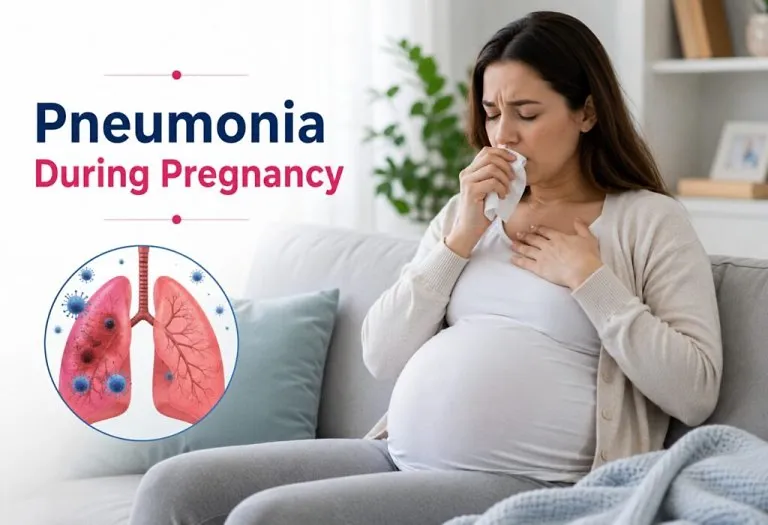
This health content has been medically reviewed by qualified experts and follows the FirstCry Parenting editorial policy to ensure accuracy and reliability.
Pneumonia is an infection of the lungs caused by bacteria, viruses, or, less commonly, fungi and other germs. In CDC study of 3,651 cases of invasive pneumococcal disease among women of childbearing age, 146 cases occurred during pregnancy, and 63.7% of these pregnant women had pneumonia (1). While pneumonia can be treated during pregnancy, knowing what to look out for can make it easier to get the right care at the right time. But how does pneumonia affect pregnancy, and which symptoms should you take seriously? In this article, we’ll break down what you need to know about pneumonia during pregnancy and when it’s important to seek medical attention.
What Is Pneumonia?
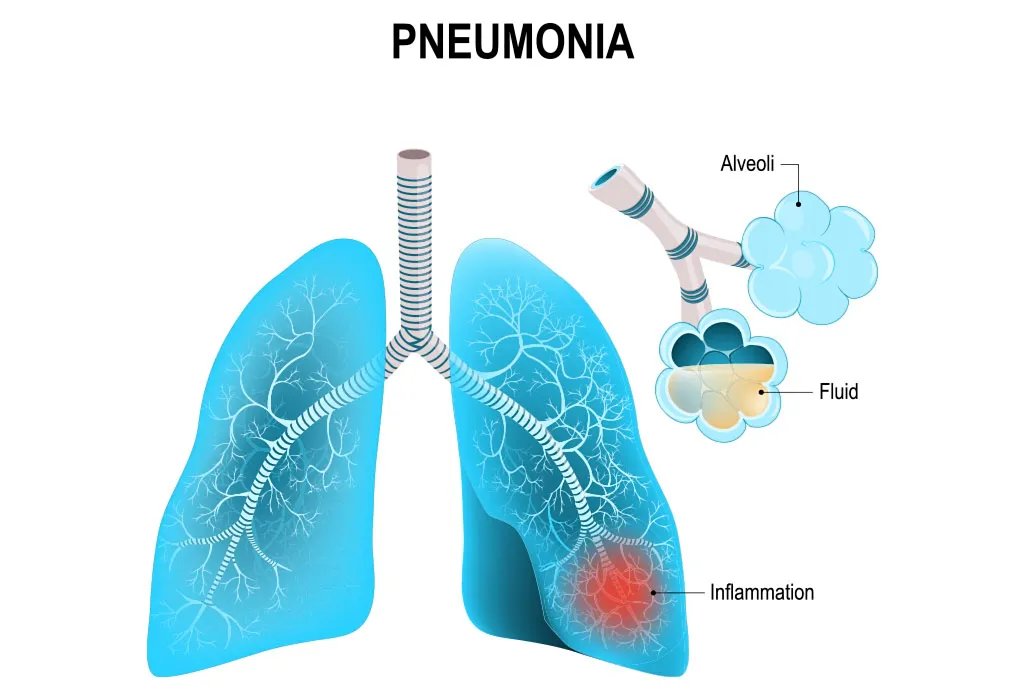
It is a type of lung infection that is often a severe result of a cough or cold that gradually spreads to the lungs. If you are pregnant and you develop pneumonia, it is called ‘maternal pneumonia’ (2).
Causes of Pneumonia During Pregnancy
Maternal pneumonia can occur due to a number of reasons, such as (3):
- A viral or bacterial infection such as a cold or a cough
- Chickenpox or varicella
- Influenza
- Respiratory distress syndrome
- Suppressed immune system leading to susceptibility to pneumonia
- Coronavirus disease (COVID)
Symptoms of Pneumonia During Pregnancy
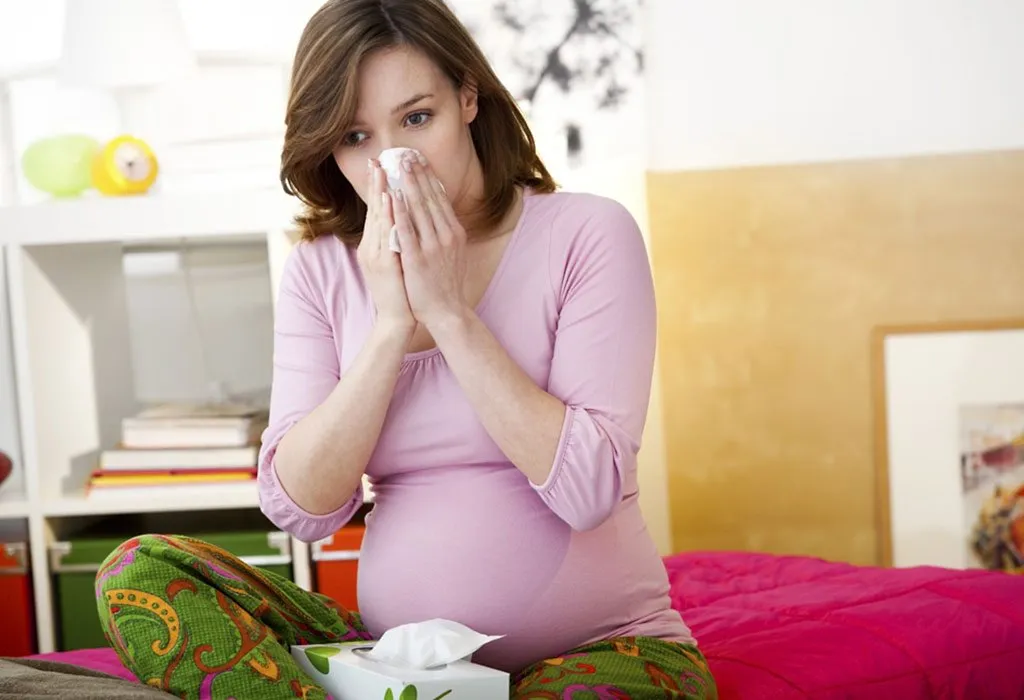
Pneumonia primarily starts off as flu-like symptoms, and hence it can be difficult to identify it at first. If conditions like a headache, cold, and chest pain worsen, it could potentially be pneumonia.
Here are a few signs of pneumonia when pregnant (4):
- A severe cough with a phlegm
- Difficulty in breathing
- Breathlessness
- Chest congestion and severe pain
- Shivers
- Tiredness or listlessness
- Fever
- Vomiting or severe nausea
- Loss of appetite
These are the typical signs of pneumonia in pregnancy.
How Does Pneumonia Get Transmitted During Pregnancy?
Pneumonia can spread in many ways. The bacteria and viruses that cause pneumonia are primarily air-borne, transmitted by sneezing or coughing without covering the mouth. Blood can also be a carrier of the infection, and this is fairly common to contract after birth.
Common Types of Pneumonia During Pregnancy
There are several types of pneumonia that one can get, and they are classified on the basis of their origin.
1. Bacterial Pneumonia
This originates from a bacteria carried by someone, and is the most common type. The bacteria that cause this include Haemophilus influenzae, Streptococcus pneumoniae, and Mycoplasma pneumoniae (5).
2. Viral Pneumonia
The viral type can be due to respiratory infections like influenza, varicella, or acute respiratory syndrome, which can be threatening to pregnant women (6).
3. Fungal Pneumonia
This type of pneumonia is very uncommon, and it is primarily due to a fungal infection called coccidioidomycosis. It can happen in the third trimester, and can occur due to low immunity.
Risk Factors of Developing Pneumonia During Pregnancy
If you are pregnant, your body is undergoing a lot of changes, and a lot of energy is spent on nourishing the baby. Hence, the immune system of a pregnant woman is a bit weak, increasing her risk of contracting pneumonia. Other risk factors are:
- Smoking
- Anaemia
- Chronic illnesses
- Asthma
- Working with young children who are also likely carriers
- Obesity
Complications of Maternal Pneumonia
You may be wondering, ‘can pneumonia affect pregnancy?’. Well, there are several dangers to both the mother and the baby, if the mother gets pneumonia.
Complications for the mother may be (7):
- Dropping levels of oxygen due to congestion, leading to a condition called empyema, where fluids can amass around the lungs
- Spreading of the infection from the lungs to the other organs
- Increased risk of preterm labour, potentially resulting in early delivery of the baby.
- Fatal if not treated immediately
Complications for the baby may be:
How Is Pneumonia Diagnosed?
If your cough or cold persists, and you experience severe chest pain, the first step is to call the doctor. A doctor will then diagnose maternal pneumonia by using chest X-rays, listening to your breathing, and also collecting a sputum sample (spit or phlegm). The doctor may refer to your medical history before making the prognosis.
Treatment of Pneumonia for Pregnant Women
Treating pneumonia while pregnant is very crucial. There are several techniques for infection management of pneumonia during pregnancy (8).
- If it is bacterial pneumonia, a doctor can prescribe antibiotics which need to be taken over a course.
- Painkillers or over-the-counter pain relievers may be prescribed to relieve congestion and fever. This is usually acetaminophen.
- Proper rest and good nutrition is recommended.
- Since the body will be dehydrated, it is advisable to have lots of liquids in the form of water, juice, or milk.
- Oxygen therapy may be provided if the infection causes low oxygen levels, helping both the mother and baby receive enough oxygen.
- Monitoring and regular check-ups are important to track the condition of both the mother and the baby, ensuring any complications are caught early.
How Can You Prevent Pneumonia During Pregnancy?
The most effective way to avoid risks of pneumonia during pregnancy is by avoiding anyone who has the flu or any other infection, in addition to maintaining good hygiene. Pregnant women especially need to get a full night’s sleep and good nutrition, and should wash their hands regularly to avoid contracting pneumonia and other infections (9).
Effective Natural Remedies for Maternal Pneumonia
Some simple home measures may help ease symptoms and support recovery, but they should never replace medical care. Here are some safe, practical options to consider during pregnancy (10).
1. Honey
A fusion of honey and warm water can be consumed daily to help symptoms subside. Honey is full of antibacterial, antifungal, and medicinal properties, and is used for various treatments.
2. Camphor
Two to three drops of camphor oil can be added either to jojoba or olive oil, and rubbed gently on the chest and back. It is a decongestant, which will do wonders to get rid of the phlegm.
3. Dandelion Tea
The roots are used to treat ailments, and have a variety of health benefits, such as anti-inflammatory properties. It can be made into hot tea with turmeric and honey, and consumed daily.
4. Turmeric
The greatest remedy in Indian households for a variety of ailments is turmeric! It has antiseptic and anti-inflammatory properties, and can be consumed with warm milk at night to reduce congestion.
5. Garlic
This is the best antibiotic readily available in your kitchen for a cough and cold. It can reduce chest pain, as it has anti-irritant properties. A small quantity of it can be applied on the chest daily (in the form of a paste).
6. Liquorice
Anyone suffering from pneumonia knows the terrible coughs that accompany it. The best way to relieve this is by using liquorice, which helps build a protective mucus, in addition to being anti-viral and antibacterial.
7. Sesame Seeds
If you have a huge build-up of phlegm, sesame seeds can be boiled in water and consumed after straining, to get relief from the phlegm.
8. Ginger
This one is an age-old remedy that every grandmother recommends when one is suffering from cold and cough! Ginger tea or soup is a good option to relieve congestion and pain.
9. Steam Bath
You can take a hot shower and use a few drops of essential oils such as lavender, camphor, or eucalyptus.
10. Parsnip Juice
This vegetable contains many vitamins and minerals, of which potassium is great for treating pneumonia.
FAQs
1. Can pneumonia during pregnancy cause blood clotting issues?
Yes, pneumonia during pregnancy can increase the risk of blood clotting issues, particularly if the woman experiences prolonged immobility due to illness. The inflammation caused by pneumonia can contribute to a higher risk of developing deep vein thrombosis (DVT) or pulmonary embolism, which can have serious consequences for both mother and baby.
2. Can pneumonia during pregnancy cause changes in amniotic fluid levels?
In some rare cases, pneumonia during pregnancy may contribute to changes in amniotic fluid levels. Severe infections can affect the body’s overall fluid balance, potentially leading to oligohydramnios (low amniotic fluid) or polyhydramnios (excess amniotic fluid), both of which can complicate pregnancy and require close monitoring.
3. How long does pneumonia take to recover from during pregnancy?
Recovery time varies depending on the cause and severity of the infection and your overall health. Some people begin feeling better within a few days of treatment, but cough and tiredness can continue for several weeks.
Pneumonia while pregnant in third trimester especially is not something that should be taken lightly. Now that you are aware of the signs, causes, and symptoms of maternal pneumonia, take the necessary precautions to avoid pneumonia during pregnancy and keep yourself and your baby healthy. If you do fall sick, it is recommended that you see a doctor as soon as you feel that the illness is beyond a common cold so that you can avoid complications.
Also Read:
Bronchitis in Pregnancy
Tuberculosis during Pregnancy
Maternal Sepsis while Pregnant
Swine Flu (H1N1) when Pregnant
Was This Article Helpful?
Parenting is a huge responsibility, for you as a caregiver, but also for us as a parenting content platform. We understand that and take our responsibility of creating credible content seriously. FirstCry Parenting articles are written and published only after extensive research using factually sound references to deliver quality content that is accurate, validated by experts, and completely reliable. To understand how we go about creating content that is credible, read our editorial policy here.
2. Cleveland Clinic – Pneumonia
5. National Library of Medicine – Bacterial Pneumonia
6. National Library of Medicine – Viral Pneumonia
7. PubMed – Pneumonia in pregnancy
8. Obstetrics and Gynecology Clinics of North America – PNEUMONIA IN PREGNANCY
9. Centers for Disease Control and Prevention – Pneumonia Prevention and Control
10. Institute for Natural Medicine – Natural Pneumonia Remedies
- Author
- Expert Reviewer

Related Articles
-
16 Safe Home Remedies to Stop Vomiting in Pregnancy
-

Non-Invasive Prenatal Testing (NIPT) - Purpose, Risks and Accuracy
-

Why Gender Disappointment Happens and How to Overcome It
-
E. Coli (Escherichia Coli) in Pregnancy: Causes, Symptoms & Treatments
-
The One Habit That Can Be Very Harmful During Pregnancy
-

Guess Who Mommy or Daddy Baby Shower Game With Questions