
Ovulation Bleeding – Signs, Causes, and How to Deal
Understand ovulation bleeding, its causes, symptoms, and when it’s normal or a sign to consult a doctor.





Medically Reviewed By
Dr. Nina Mansukhani
(Gynecologist/Obstetrician)

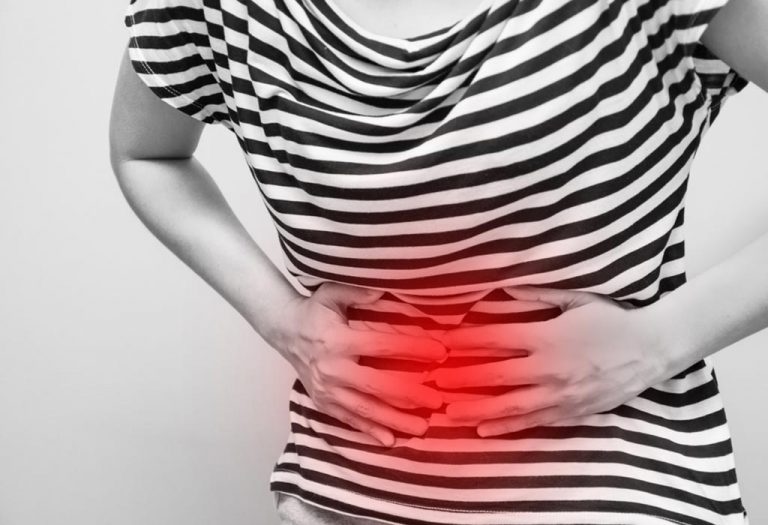
If you experience spotting even when your period isn’t due, it could make you worry. Though it is uncommon to happen, it may not be a reason for concern, as it could be for a variety of reasons. One of the most common causes is implantation bleeding, one of the first indicators of pregnancy. But mid-cycle bleeding or spotting can also be just an indicator of ovulation. So, how would you know it is normal ovulation bleeding and not something that requires immediate medical attention? For that, let’s dive deep into the subject of ovulation bleeding and find out more about slight bleeding during ovulation.
What Is Ovulation Bleeding?
Ovulation bleeding refers to light spotting that may occur around the time of ovulation, which is when the ovary releases an egg. It usually happens about halfway through the menstrual cycle. The bleeding in ovulation is typically very light—often just a few drops of pink or brown discharge rather than a full flow (1). This occurs due to a brief drop in estrogen levels or minor changes in the ovary when the egg is released. Not everyone experiences ovulation bleeding, and it can vary from cycle to cycle.
Is It Normal to Bleed During Ovulation?
Yes, light bleeding or spotting during ovulation can be normal for some individuals. It is generally harmless and caused by natural hormonal fluctuations in the body. The spotting is usually short-lived and does not require treatment. However, it should not be heavy like a regular period or last for several days. If the bleeding is frequent, heavy, or accompanied by pain, it’s a good idea to consult a healthcare professional.
Also Read: Ovulation Induction (OI) Treatment for Infertility
What Does the Flow Look Like?
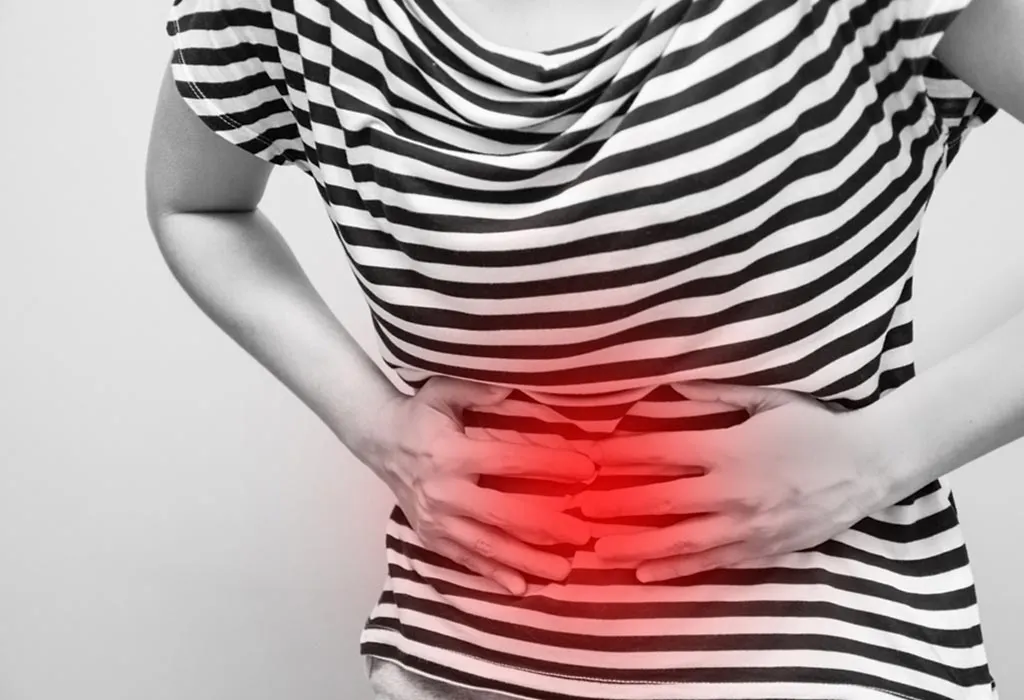
Ovulation bleeding lasts for one or two days and is light pink or brownish-red. The flow is light and is accompanied by cervical mucus and mild abdominal cramps.
Is It Heavy?
Ovulation bleeding is not like typical menstrual bleeding but more like spotting or very light bleeding. It may range from so light that you would not even notice, to a very light flow or trickle that may require a sanitary pad. Since every woman is different, the experience of ovulation bleeding may also vary from person to person.
Also Read: Ovulation after Miscarriage – Effects and Symptoms
When Does It Occur?
If you are wondering, “Can you bleed during ovulation?” we have the answer for you. Yes. Ovulation bleeding can occur shortly after you’ve ovulated, which usually falls in the middle of your menstrual cycle, roughly 10 to 16 days after your period starts. This unexpected spotting occurs because of a sudden rush of the hormone estrogen during ovulation and then, just as quickly, a drop in estrogen levels (2).
How Much Ovulation Bleeding Is Normal?
Ovulation bleeding is usually very light, which makes it stand apart from menstrual bleeding. It usually involves a trickle or a few drops of blood on your underwear. If it is a heavy flow when you are not expecting your period, it is worth the concern and a visit to the doctor.
Possible Causes of Bleeding During Ovulation
While nobody can pinpoint the exact cause of bleeding during ovulation, here are some probable causes:
- The level of estrogen lowers during ovulation, making the uterine lining shed the tissue.
- When an egg is released, the mature follicle may burst out of the ovary and rupture, leading to bleeding.
- Rapid hormonal changes may also lead to ovulation spotting.
- Other causes include trying new contraceptives, vaginal dryness, vaginal injury, low thyroid-stimulating hormone levels, PCOS, STD, ovarian cyst, uterine fibroids, polyps, ectopic pregnancy, pre-cancerous conditions, and cancer (4).
Symptoms of Ovulation Bleeding
During ovulation and while bleeding, there are mild mid-cycle symptoms like the ones below.
- Light spotting instead of a full menstrual flow
- Pink or brown-colored discharge
- Occurs around the middle of the menstrual cycle
- Lasts for a few hours to 1–2 days
- Mild lower abdominal pain or cramping (often one-sided)
- Slight increase in vaginal discharge
- Changes in cervical mucus (may become clear and stretchy)
- No heavy clotting like regular periods
- Usually not accompanied by severe pain or discomfort
- May occur along with a slight rise in basal body temperature
How Long Does It Last?
Ovulation bleeding does not last long; in fact, it is very brief. Unlike a period that lasts for 4-5 days, ovulation bleeding lasts at most 12-72 hours, and that, too, is pretty light.
How Are Ovulation Bleeding and Pregnancy Related to Each Other?
Many women wonder, “I am experiencing bleeding during ovulation. Am I pregnant?”
Ovulation bleeding indicates fertility and is the right time to try for a baby. Once you’ve confirmed that mid-cycle bleeding is a sign of ovulation and not a serious health condition, you can plan sexual intercourse to boost the chances of pregnancy.
Does Ovulation Bleeding Affect Your Fertility?
Experiencing ovulation bleeding doesn’t seem to be linked to fertility problems. However, ovulation bleeding is more common in people with higher luteal progesterone and luteinising hormone levels. But whether your hormone levels are high or low, it doesn’t really affect your chances of getting pregnant. So, there is no need to stress about it.
How to Prevent Ovulation Bleeding?
Ovulation bleeding is not very common in women. However, those who do and want to prevent ovulation bleeding from happening can prevent it by using hormonal contraceptives that control hormonal levels in the body and stop the release of an egg.
One important piece of information to remember is that women who are trying to conceive must not take any preventive measures to stop ovulation or ovulation bleeding.
How to Deal with Ovulation Bleeding?
Managing bleeding and ovulation involves simple care and monitoring steps.
- Track your menstrual cycle – Keep a record of your cycle to understand when ovulation and spotting occur. This helps you identify patterns and notice any unusual changes over time.
- Maintain good hygiene – Use panty liners or light pads to stay comfortable during spotting. Regular hygiene can prevent irritation and keep you feeling fresh.
- Stay relaxed and manage stress – Hormonal fluctuations can be influenced by stress levels. Practising relaxation techniques like deep breathing or light exercise may help.
- Eat a balanced diet – Proper nutrition supports hormonal balance. Include iron-rich foods, fruits, and vegetables to maintain overall reproductive health.
- Consult a doctor if needed – If bleeding is heavy, painful, or happens frequently, seek medical advice. A healthcare professional can rule out any underlying issues.
When to Consult a Doctor
Intuitions or gut feelings sometimes do help in diagnosing the issue. If you’re not sure whether your bleeding is due to ovulation or something more concerning, don’t hesitate to reach out to your healthcare provider (5).
If you notice one or more of the following symptoms, consult an obstetrician without delay:
- Spotting occurring multiple times in your menstrual cycle, apart from your regular period
- Bleeding after sexual intercourse
- Bleeding after menopause
- Exceptionally heavy or prolonged periods
Remember, it’s essential to contact your doctor if your bleeding requires you to change your tampon or pad within less than two hours or if you pass clots that are as big as a quarter or even larger. This is particularly important if you feel dizzy or lightheaded, as it could indicate a potential problem like anaemia. Your health matters, so don’t hesitate to seek help when needed.
FAQs
1. How is mid-cycle bleeding different from implantation bleeding?
There are several key differences between ovulation and implantation bleeding.
- Mid-cycle or ovulation bleeding is characterised by light spotting and can happen if the egg ruptures in the ovary, or there is a change in the level of estrogen, causing the uterine lining to shed. Implantation bleeding occurs when a fertilised egg implants itself in the uterine lining.
- Ovulation bleeding is a sign of fertility. Implantation bleeding is an early sign of pregnancy.
- Ovulation bleeding happens around 14-15 days before a period.
- Implantation bleeding happens 1 – 2 days before the menstrual due date.
2. How are mid-cycle bleeding and implantation bleeding different from a normal period?
There are a few differences between mid-cycle bleeding and a period. Some of them are:
- Mid-cycle and implantation bleeding is pink, reddish or brown in colour. Period bleeding is bright to dark red.
- Mid-cycle and implantation bleeding are not as heavy as periods.
- Mid-cycle can last from a few hours to a maximum of two days, while periods typically last for four to five days.
3. What if you face severe bleeding while ovulating?
If you face severe bleeding and pain, it can be a serious complication. If you have more than one cycle of bleeding, it is possible that you aren’t ovulating at all. Conditions like polyps in the uterus, endometriosis and irritable cervix may be the reason behind the bleeding (3). You will need to reach out to a doctor immediately to perform an ultrasound and hysteroscopy and get the right diagnosis.
Please Note: Sometimes unscheduled bleeding happens more than once in a cycle and may be due to an abnormally implanted pregnancy in the tube. This may seem like a mid-cycle bleed preceded by a lighter-than-normal period and should be verified by your gynaecologist.
4. Is mid-cycle bleeding a pregnancy symptom?
Mid-cycle bleeding is caused by ovulation and means that you are fertile. Trying to get pregnant when you’re bleeding mid-cycle can increase your chances. However, it’s not a symptom of pregnancy.
5. Can brown spotting during ovulation help you if you are trying to conceive?
Brown spotting during ovulation means that the time is right to try for conception. However, if you notice brown spotting with vaginal irritation, it points to a pathological issue. You need to seek medical advice.
Ovulation bleeding is common in some women, and there is no reason to be alarmed about it. It doesn’t usually require treatment. However, if you have mid-cycle bleeding with heavy spotting, severe cramps, and discomfort, it may be due to other complications. You should consult a doctor for an ultrasound to determine the cause of the bleeding.
Also Read:
Is It Possible to Get Pregnant Without Ovulation?
Ovulating More Than Once a Month – Is It Normal?
Late Ovulation Causes and Symptoms – Is It common?
How to Check Your Cervical Mucus and Detect Ovulation
Was This Article Helpful?
Parenting is a huge responsibility, for you as a caregiver, but also for us as a parenting content platform. We understand that and take our responsibility of creating credible content seriously. FirstCry Parenting articles are written and published only after extensive research using factually sound references to deliver quality content that is accurate, validated by experts, and completely reliable. To understand how we go about creating content that is credible, read our editorial policy here.
- Author
- Expert Reviewer
 About the Author
Anisha Nair
Related Articles
-

How Long Does It Take To Get Pregnant?
-
Pregnant After Sex - Try These Emergency Contraception Methods
-
Exercises to Get Pregnant - Understand and Do It Right
-
Combined Oral Contraceptive Pill (COCP): Side Effects, Risks & more
-
11 Common Baby-Making Mistakes You Are Making and How to Correct Them
-
15+ Best Home Remedies to Help You Get Pregnant