
Orgasm During Pregnancy: Is it Safe, and Benefits





Orgasm during pregnancy is generally safe when you have a healthy, uncomplicated pregnancy. In fact, sexual activity and orgasm usually do not harm the baby, as your baby is safely protected inside the uterus. You may experience mild cramping or temporary uterine tightening afterwards, but these sensations are generally normal and short-lived.
But can orgasms offer any benefits during pregnancy, and are there times when you should avoid them? This article covers everything you need to know about orgasms and pregnancy, including the potential benefits, what you may experience at different stages of pregnancy, how orgasm affects the baby, and when it’s important to seek medical advice.
Is It Safe to Have an Orgasm in Pregnancy?
Yes, having an orgasm during pregnancy is generally safe, especially when the pregnancy is healthy and uncomplicated. Orgasm may cause temporary uterine contractions or mild cramping, but these usually do not harm the baby or trigger preterm labour or miscarriage (1).
However, orgasm may not be safe during a high-risk pregnancy. If you have complications that increase the risk of preterm labour or other pregnancy-related concerns, your doctor may recommend avoiding sex or orgasm during pregnancy.
How Does an Orgasm Feel During Each Pregnancy Trimester?
An orgasm can feel different as pregnancy progresses, as hormonal changes, increased blood flow, and physical changes affect your body and sexual response. Here’s what you may notice during each trimester (2):
1. First Trimester
Hormonal changes and increased blood flow to the pelvic area may make the genitals more sensitive. Some women may experience stronger orgasms, while others may have less interest in sex due to nausea, fatigue, or breast tenderness.
2. Second Trimester
As early pregnancy symptoms often ease, some women may notice increased sexual desire and sensitivity. Increased blood flow to the pelvic area may also make orgasms feel more intense for some women.
3. Third Trimester
As the belly grows and the body prepares for birth, orgasms may feel different or less comfortable. The uterus may briefly tighten or contract during orgasm, and some women may notice mild cramping afterwards. Physical discomfort and fatigue may also affect sexual desire.
Some Facts About Pregnancy Orgasm
Mentioned below are some facts that will help you understand better about sex and orgasm during pregnancy:
- Orgasm Can Be a Stress Buster: Orgasm causes an adrenaline rush. Having sex during pregnancy and achieving orgasm can promote emotional well-being and lower your stress levels, and thus help you get good sleep. It can also help manage your blood sugar levels and act as a stress buster (3).
- Prepare You for Labour: Orgasms help strengthen the pelvis which is good for labour. The pelvic muscles are used extensively for pushing the baby out and experience a lot of strain. Orgasms act as workout sessions and can strengthen your pelvis before the big day.
- Strengthen the Muscles: While pregnant, you will probably take frequent bathroom breaks. And as your baby grows in size, there will be a strain on your bladder which can make you run for the loo every now and then. Orgasms can help strengthen the same muscles that control urine flow and thus, work to your advantage!
- Boost Your Confidence: This is one of the most underrated benefits of orgasm during pregnancy. Due to hormonal fluctuations, you may experience mood swings and bouts of depression. Having sex with your partner and achieving orgasm may make you content and happy, and you might also feel confident (3)!
- Can Cause Cramps: Cramping is quite normal in pregnancy and varies in intensity for each orgasm. These cramps are similar to menstrual cramps and subside on their own after a while.
Why Are Orgasms More Intense During Pregnancy?
During pregnancy, a woman’s breasts and vagina become highly sensitive due to the large volumes of blood in these regions. This sensitivity helps in experiencing heightened sexual pleasure.
Benefits of Orgasm While Pregnant
If you’re comfortable having sex or reaching orgasm when pregnant, you may wonder whether it can do more than simply feel good. Here are some potential benefits you may experience:
- May help reduce stress: Orgasm can promote relaxation and may help ease everyday stress and tension (3).
- May support better sleep: The relaxation that follows orgasm may make it easier to fall asleep and feel more rested.
- May improve mood: Sexual activity and orgasm can release hormones and other chemicals associated with pleasure and relaxation, which may temporarily boost mood.
- May relieve physical tension: The muscle contractions and subsequent relaxation during orgasm may help some women feel less pelvic or muscular tension.
Can Orgasms Affect the Foetus?
Sex or orgasms do not affect the foetus as it is protected by the mucus plug as well as the amniotic sac (4). Having sex during pregnancy won’t affect your baby; however, doctors suggest otherwise in the following cases (5):
- If you have had any miscarriages earlier.
- If you are at the risk of premature birth.
- If you experience any spotting or cramping.
- If you are at the risk of catching infections or any sexually transmitted diseases.
Are Orgasms Ever Less Intense?
In the third trimester of pregnancy, your uterus will not be able to contract fully, because of the size of the baby and your belly, and hence you may not achieve a complete orgasm.
Why Does Pregnant Belly Get Hard During Orgasm?
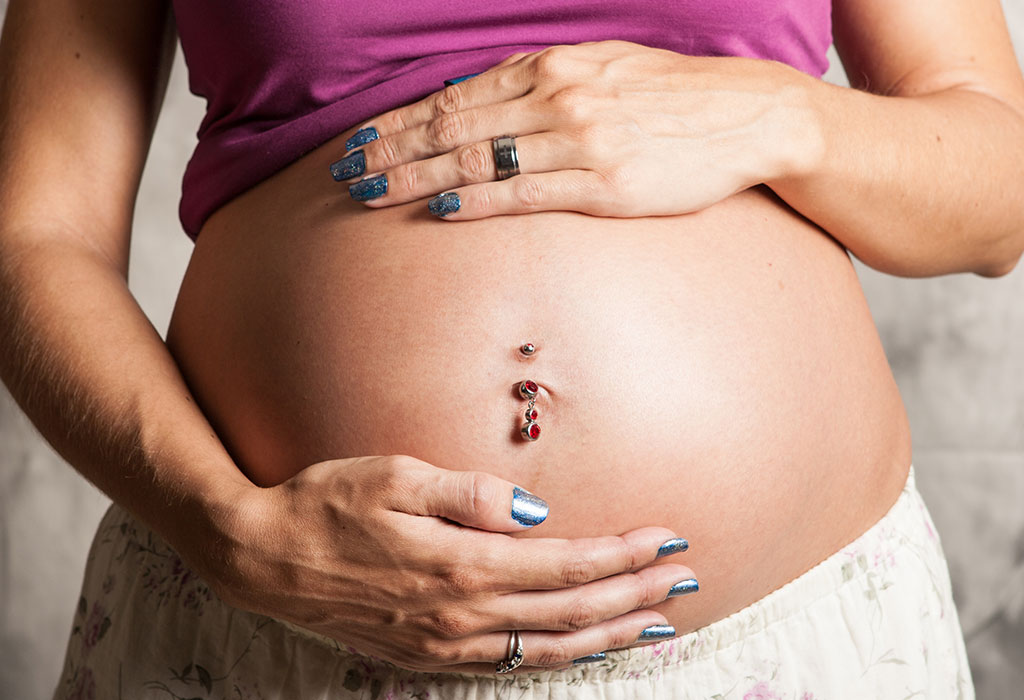
Orgasms during pregnancy can cause the uterus and the muscles in the pelvic region to contract. This may make you feel as though your belly has become hard. But there is no need to worry as it is just one of the pregnancy-related symptoms that will disappear post-delivery.
FAQs
1. Is it normal to feel different when having an orgasm during pregnancy?
Yes, it’s normal for sexual experiences, including pregnant orgasm, to feel different due to hormonal changes, increased blood flow, and physical changes in the pelvic region.
2. Can orgasms affect the baby’s health or development?
Generally, orgasms and sexual activity do not harm the baby. The amniotic fluid and the cervix protect the baby, and the uterus contracts rhythmically during orgasm, but this is generally not a concern unless there are specific medical complications.
3. Are there any positions to avoid during sex to prevent discomfort or harm to the baby?
Generally, most sexual positions are safe during pregnancy. However, it’s advisable to avoid positions that put pressure on the abdomen, especially in later stages. Communicating with your partner and consulting with a healthcare professional can provide personalised advice based on individual circumstances.
4. Is it bad to have an orgasm in early pregnancy?
No, having an orgasm is generally safe when the pregnancy is healthy and uncomplicated. Mild cramping after orgasm in early pregnancy can occur because of temporary uterine contractions, but it usually settles quickly and does not increase the risk of miscarriage.
So, this was all about orgasms and pregnancy. Pregnancy is a special time for couples – make it even more special by celebrating it with your partner. Yes, you can have sex with your partner during pregnancy whenever you are in the mood. It will help strengthen the bond between the two of you and may even help induce labour during the final months of pregnancy.
Also Read:
Oral Sex in Pregnancy
Is Anal Sex during Pregnancy
Masturbation while Pregnant
Benefits of Sex during Pregnancy
Was This Article Helpful?
Parenting is a huge responsibility, for you as a caregiver, but also for us as a parenting content platform. We understand that and take our responsibility of creating credible content seriously. FirstCry Parenting articles are written and published only after extensive research using factually sound references to deliver quality content that is accurate, validated by experts, and completely reliable. To understand how we go about creating content that is credible, read our editorial policy here.
1. PubMed Central – The Association of Sexual Intercourse During Pregnancy With Labor Onset
2. PubMed Central – Quality of Sexuality during Pregnancy, We Must Do Something—Survey Study
4. Mayo Clinic – Sex during pregnancy: What’s OK, what’s not
5. Apollo Cradle – Sex During Pregnancy: What’s Safe, What’s Not, and When to Avoid It
- Author