

Eating Rice During Pregnancy: Benefits, Types, and Safety Tips
A clear look at whether rice is safe during pregnancy, the benefits it offers, and which types like brown or white rice are best.





Medically Reviewed By
Megha Gupta
(Paediatric Nutritionist)


Image Credit : AI Generated Image
In this Article
- Nutritional Value of Rice
- Benefits of Eating Rice When You’re Pregnant
- Risks of Eating Rice When Pregnant
- How Much Rich Can You Consume When Pregnant?
- Types of Rice Pregnant Women Should Eat
- Best Pregnancy Safe Rice Recipes
- FAQs
View More
Optimal nutrition is one critical aspect of pregnancy. Pregnant women must exercise caution in everything they do, and this includes knowing what is healthy and safe for them and their babies during pregnancy. Among the best and worst foods to eat during pregnancy, rice is a staple food that we will cover today. Many women question whether rice is safe to consume during pregnancy due to its carbohydrate content. The good news is that MedlinePlus, the FDA, and UNICEF recommend consuming rice during pregnancy (1) (2) (3). However, there’s a catch. Rice is a leading dietary source of arsenic, which could potentially affect pregnancy and the baby’s development. Let’s continue reading the article and understand the benefits of eating rice in pregnancy and the side effects of rice on the baby in your womb.
Nutritional Value of Rice
While there are different varieties of rice, here’s a nutritional comparison of two kinds: 100 grams of white, glutinous, unenriched, cooked rice and 100 grams of white, long-grain, parboiled, enriched, cooked rice.
| Nutrients | Rice, white, glutinous, unenriched, cooked | Rice, white, long-grain, parboiled, enriched, cooked |
| Energy (Kcal) | 97 kcal | 123 kcal |
| Protein (g) | 2.02 g | 2.91 g |
| Carbohydrate, by difference (g) | 21.1 g | 26 g |
| Fibre, total dietary (g) | 1 g | 0.9 mg |
| Calcium, Ca (mg) | 2 mg | 19 mg |
| Magnesium, Mg (mg) | 5 mg | 9 mg |
| Phosphorus, P (mg) | 8 mg | 55 mg |
| Potassium, K (mg) | 10 mg | 56 mg |
| Sodium, Na (mg) | 5 mg | 2 mg |
| Selenium, Se (µg) | 5.6 µg | 9.3 µg |
| Thiamin (mg) | 0.02 mg | 0.212 mg |
| Niacin (mg) | 0.29 mg | 2.31 mg |
| Folate, total (µg) | 1 µg | 81 µg |
Source: USDA (4)
Benefits of Eating Rice When You’re Pregnant

Rice is the staple diet in many parts of our country as it’s rich in essential vitamins and nutrients. Here are the benefits of eating rice during pregnancy:
1. Good Source of Energy
The high amount of carbohydrates in rice is a good source of energy for the body. Consuming rice will give you energy (5).
2. Aids in the Development of the Brain and Nervous System
Brown rice is a rich source of neurotransmitter nutrients, which help in improving the baby’s cognitive functions and aid in the development of the brain. Brown rice is also a rich source of magnesium. This helps in the regulation of nerve function and muscle tone, helping keep them relaxed.
3. Prevents Insomnia
Rice, especially brown rice, contains melatonin, a sleep hormone that relaxes nerves and promotes sleep, thereby enhancing sleep quality. This helps the mother to have sufficient rest.
4. Restricts Cholesterol
One of the biggest benefits of rice is that it is a cholesterol-free food. Eating rice can help balance out cholesterol from other food items and help keep the mother away from cholesterol-related issues.
5. Prevents Health Risks in the Foetus
Research indicates that maternal consumption of brown rice reduces the risk of hepatic steatosis (fatty liver disease) and insulin resistance in the baby (6).
Risks of Eating Rice When Pregnant
Can I eat rice while pregnant without getting affected? Yes, you can if you are aware of these risks. Moderate consumption of rice is recommended during pregnancy. Overeating or eating raw rice during pregnancy can cause problems.
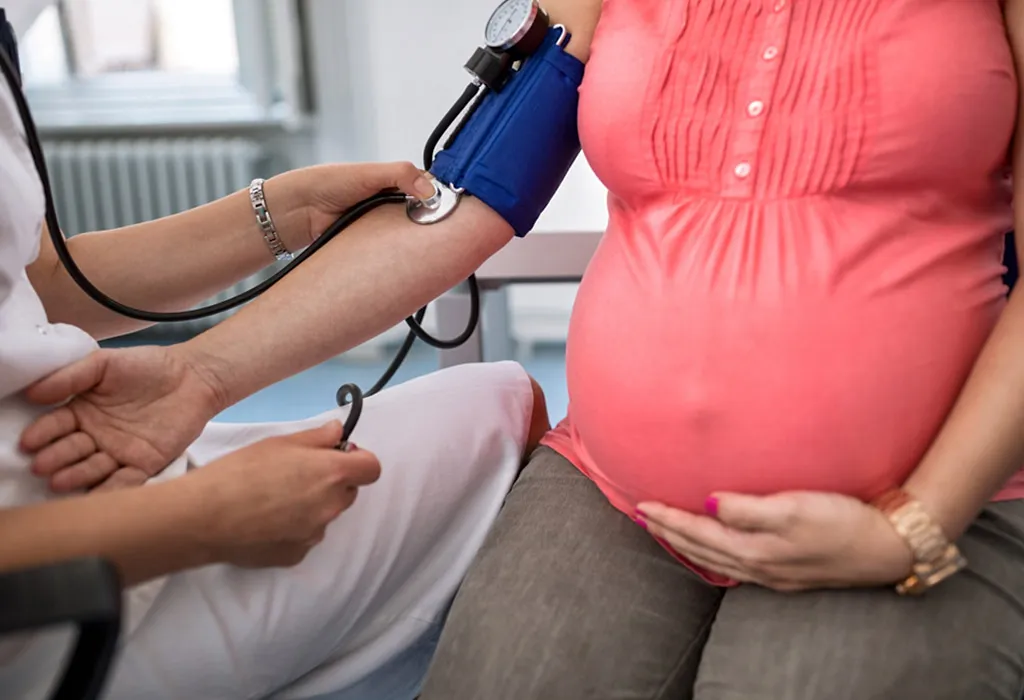
- According to the FDA, rice is a significant source of food worldwide and tends to absorb more arsenic than other grains. Studies cited by the FDA and WHO note that long-term exposure to high-arsenic rice may potentially impact infant development and result in negative pregnancy effects (2). Rinsing rice thoroughly and cooking it in excess water can significantly reduce arsenic levels.
- White rice has a high glycemic index. Frequent large portions may increase the risk of gestational diabetes, especially in women with insulin resistance.
- Cooked rice should be consumed within three days of cooking. Improper storage of cooked rice can cause Bacillus cereus, a bacterium, to grow, which is linked to food poisoning (7). Always consume freshly cooked or properly refrigerated cooked rice.
- Relying heavily on rice without adequate protein, vegetables, and healthy fats may lead to nutritional gaps.
How Much Rich Can You Consume When Pregnant?
So, how much rice should a pregnant woman eat? Rice is a staple carbohydrate source that provides energy, but moderation is key during pregnancy due to potential arsenic content and energy balance considerations. The American Academy of Pediatrics suggests consuming anywhere between 6-11 servings (6-11 oz) of bread/grains daily, depending on your weight and dietary needs (8). Aim for about ½ to 1 cup cooked rice per serving per day as part of balanced meals, paired with proteins and vegetables. However, this amount is not fixed but an approximation. You can consult your doctor to get the best diet instructions for your pregnancy based on your health.
Arsenic caution: Make sure to rinse rice well and cook using extra water that’s later drained to reduce arsenic exposure, and vary grains with quinoa, barley, or oats.
Types of Rice Pregnant Women Should Eat
People across the world ship and consume a wide variety of rice. The texture, size, and nutrient density of rice may vary. Here are some popular varieties of rice that can be consumed during pregnancy:
- Brown Rice: Brown rice is a whole grain that retains its bran and germ layers, making it richer in fibre, magnesium, B vitamins, and antioxidants than white rice. During pregnancy, its fibre content supports digestion and helps prevent constipation, which is a common concern during pregnancy. Brown rice also releases energy slowly, helping maintain stable blood sugar levels.
- White Rice (Basmati/Jasmine): White rice, especially basmati, is easier to digest and lower in fibre, which can be helpful during nausea or sensitive digestion in early pregnancy. It is a quick source of energy and naturally low in fat. The good news is that basmati rice has lower arsenic levels compared to other varieties.
- Red Rice: Red rice is an amazing rice variety rich in iron, zinc, and antioxidants, which are essential for preventing anaemia during pregnancy. It is one of the best rice for pregnancy. It’s higher fibre content supports gut health, while its nutty flavour makes meals more satisfying. It’s a great rice variety to add in the second and third trimesters, when iron requirements increase.
- Black Rice: Black rice is packed with anthocyanins, powerful antioxidants that support cellular health and immunity. It also provides iron and plant-based protein. Though slightly heavier than white rice, it can be safely included in small portions during pregnancy for nutritional variety.
- Wild Rice: Wild rice is basically a grass seed, but it is nutritionally dense. It has more protein, folate, and antioxidants than regular white rice, which makes it a great option during pregnancy when nutrient needs rise. Its chewy texture also promotes satiety.
Best Pregnancy Safe Rice Recipes
Some to try some healthy and yummy rice recipes?
1. Red Rice Vegetable Khichdi
The star of this recipe is not the vegetables but the red rice. Yes, red rice is a powerhouse of nutrients, which are necessary during pregnancy. Go on, cook up this one-pot meal in less than 30 minutes!

Image Credit: Pinterest
Preparation time: 10 min
Cooking time: 15-20 min
Total time: 30 min
Ingredients:
- Red rice (uncooked): ½ cup
- Split moong dal: ¼ cup
- Water: 2 cups
- Pumpkin or bottle gourd (chopped): ½ cup
- Turmeric: ¼ teaspoon
- Ghee: 1 teaspoon
- Salt
Method:
- Wash rice and dal thoroughly.
- Pressure-cook rice, dal, and vegetables with water for 3-4 whistles.
- Once they are well-cooked, mash them lightly.
- Add the tempering og ghee, turmeric, spices, and salt as per your taste.
- Serve warm!
2. Wild Rice & Vegetable Stir
Call it a sautéed rice dish, wild rice and vegetables make an excellent combination that can be enjoyed any time of day. Whether you want it in your lunch or dinner, this quick and easy recipe is a star among households.

Image Credit: Pinterest
Preparation time: 10 min
Cooking time: 20 min
Total time: 30 min
Ingredients:
- Wild rice (uncooked): ½ cup
- Water: 2 cups
- Bell peppers (sliced): ½ cup
- Zucchini (sliced): ½ cup
- Olive oil: 1 teaspoon
- Garlic (minced): ½ teaspoon
- Salt
Method:
- Cook the wild rice until tender, then drain off excess water.
- Lightly sauté sliced vegetables in olive oil, garlic, and spices you prefer.
- Once the vegetables are tender and you smell the aroma of cooked vegetables, mix them with cooked rice.
- Stir everything well and cook for another 2–3 minutes on a low to medium flame.
3. Aromatic Rice Kheer
Sweet and aromatic rice pudding is a warm hug to the body that takes you to your sweet spot. Try this delicious recipe as it is perfectly safe to enjoy during pregnancy!

Image Credit: Pinterest
Preparation time: 10 min
Cooking time: 20 min
Total time: 30 min
Ingredients:
- 1 litre of whole milk
- 1/4th cup rice
- 4-5 tbsp sugar
- 1/4 to 1/2 tsp cardamom powder
- Water
- 15 -20 mix of cashews, almonds, and walnuts
Method:
- Rinse rice well and soak it in clean water for about 10-20 minutes.
- In a large cooking vessel, bring about 5 cups of milk to a boil. Once the milk is boiled, add the soaked rice and stir well.
- Let the rice simmer in milk well until the grains are fully cooked.
- You can mash the rice slightly to give it a thick consistency.
- Add 1/4 cup of sugar and stir well.
- Let the mixture boil for another 5 to 10 minutes until it changes its colour from white to off white, and the consistency thickens.
- In another pan, add a tablespoon of ghee, then shallow-fry the nuts of your choice. Keep them aside.
- In the rice and milk mixture, add 1/4th tablespoon of cardamom powder and ghee-roasted nuts.
- Your rice kheer is ready. Let the mixture simmer for another 2-3 minutes so the ghee, cardamom, and nuts mix well in the milk.
- Voila! Your kheer is ready. You can have it hot or cool it in the refrigerator to enjoy it chilled.
4. Egg Fried Rice
Who doesn’t like egg fried rice loaded with freshly cut scallions and other veggies? If you love eating fried rice in restaurants, why not try making it at home!

Image Credit: Pinterest
Preparation time: 10 min
Cooking time: 10 min
Total time: 20 min
- 4 large eggs
- 3 tablespoons peanut, vegetable, or olive oil
- 1 cup diced onion
- 1 1/2 to 2 cups diced mixed vegetables of your choice, such as bell pepper, carrots, zucchini, etc.
- 1/2 cup sliced scallions
- 4 cups cooked overnight jasmine rice, see note 5
- 2 1/2 tablespoons soy sauce
- 1/2 teaspoon five-spice powder
- A dash of ground white pepper
- 1 to 2 teaspoons toasted sesame oil
- Salt
Method:
- Break the eggs into a small bowl and whisk them together.
- Heat a skillet over medium-high heat with 1 tablespoon of oil. Once the skillet is hot, pour in the beaten eggs and scramble them for about a minute. Move the scrambled eggs to a plate and turn off the heat.
- Pour the remaining 2 tablespoons of oil into a wok over high heat. Add the onions and sauté for about 1 to 2 minutes, stirring continuously. Toss in the mixed vegetables and the white parts of the scallions, cooking for 2 minutes. Season the mixture with a pinch of salt.
- Incorporate the cooked rice into the pan or wok and heat for several minutes until the rice is warmed through. If you find large clumps of rice, break them apart with the back of your spatula.
- Stir in the soy sauce, five-spice powder, a dash of white pepper (if desired), and sesame oil, mixing well to combine the seasonings. (Refer to note 6) Fold in the scrambled eggs and stir to combine again. Top with the remaining sliced scallions. Serve right away.
FAQs
1. Can you eat rice daily when pregnant?
Yes, you can eat rice while pregnant, but in moderation (about half to one cup cooked daily) as part of a balanced diet to provide energy. Rinse and cook with extra water to reduce arsenic.
2. Can pregnant women eat microwave rice?
Yes, microwave rice is safe if properly heated and consumed fresh; store leftovers in the refrigerator to prevent bacterial growth.
3. Is fried rice safe during pregnancy?
Occasionally, yes, but fried rice may be high in fat and sodium. Thus, you must ensure its limited consumption. Opt for healthier preparations with lean proteins and vegetables. In short, moderation is key.
4. Are rice cakes good for pregnant women?
Eating rice cakes during pregnancy can help with evening cravings, as they can be fine as a snack but are low in nutrients. So, pair rice cakes with protein (e.g., peanut butter) for better nutritional balance. Try going for wholegrain rice cakes if possible; it helps with pregnancy nausea.
5. What is the recommended frequency of consuming rice per week during pregnancy?
Pregnant women can include rice daily in small portions, but diversifying grains and avoiding reliance on rice is recommended for balanced nutrition. Rice is a beneficial food item that provides energy and vital nutrients like carbohydrates, protein, and other nutrients (5).
6. What are some alternative food options to consider instead of rice during pregnancy?
There are plenty of healthy and tasty alternatives, like quinoa, barley, millets, oats, bulgur, and whole-grain breads, which diversify nutrient intake and reduce arsenic exposure (9). You can even have wheat noodles or wheat pasta for a change in grains. If you want to keep rice and pregnancy together in your pregnancy journey, go for the healthier version of rice. You can try brown rice or enriched white rice instead of basic white rice, as they have more nutrient content than basic white rice (10).
Rice is a great staple food in many parts of the world. Brown rice is considered better than white rice for both the mother and the baby, as white rice has less nutritional value than brown rice. The American Heart Association recommends opting for whole grains, including brown rice or wild rice, over refined grains, such as white rice (11). However, there are no particular side effects of eating rice during pregnancy. However, remember to consume freshly prepared food and avoid stale cooked rice, as it could cause food poisoning. Also, make sure to purchase good-quality rice free of pesticides and chemicals.
Also Read:
Sabudana during Pregnancy
Eating Corn Flakes in Pregnancy
Consuming Bread while Pregnancy
Poha (Flattened Rice Flakes) in Pregnancy
Was This Article Helpful?
Parenting is a huge responsibility, for you as a caregiver, but also for us as a parenting content platform. We understand that and take our responsibility of creating credible content seriously. FirstCry Parenting articles are written and published only after extensive research using factually sound references to deliver quality content that is accurate, validated by experts, and completely reliable. To understand how we go about creating content that is credible, read our editorial policy here.
1. MedlinePlus – Eating right during pregnancy
2. FDA – Dietary Advice Before and During Pregnancy
3. UNICEF – What to eat before, during and after pregnancy
4. USDA – Food Data Central Food Search
5. MedlinePlus – Nutrition and athletic performance
7. Pregnancy Birth and Baby – Food preparation and safety
8. American Pregnancy Association – Diet During Pregnancy
9. NHS – Have a healthy diet in pregnancy
10. Whole Grains Council – COMPARE NUTRIENTS IN VARIOUS GRAINS
11. American Heart Association – Get to Know Grains: Why You Need Them, and What to Look For
- Author
- Expert Reviewer
 About the Author