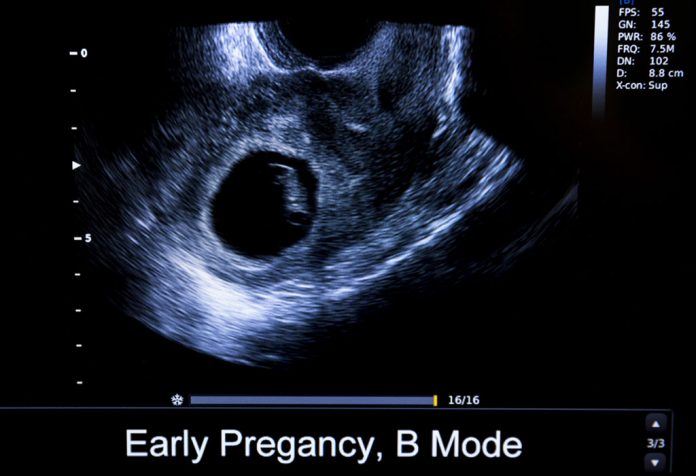

Meditation During Pregnancy: Benefits and Techniques





Stress during pregnancy can cause insomnia, anxiety, depression and binge eating, which can affect the health of pregnant women. Meditation in pregnancy is an effective method to overcome these challenges, perhaps more effectively than taking pills, which have become the norm these days. This is because meditation addresses the root of the problem, which is the treatment of the mind. Insomnia, depression, and anxiety can all be looked at as symptoms of an unwell mind, and pills merely help in controlling the symptoms. Pregnancy meditation does wonders in healing the mind and the body. Read on to know how pregnant women can benefit through meditation.
What Is Meditation?
Meditation is derived from the Sanskrit word ‘medha’ meaning wisdom. Some of us are under the misconception that meditation is a form of prayer, as we have often heard of monks meditating. This couldn’t be further from the truth. Meditation is a state of awareness where we are in complete harmony with our thoughts without any distractions. For instance, something as simple as sitting on a park bench and observing a flower without any wandering thoughts qualifies as meditation. Meditation for pregnant ladies can be used to deal with issues such as depression, stress and anxiety by removing all the negativity from the mind.
Is Meditation Safe During Pregnancy?
Yes, meditation is absolutely safe during pregnancy (1). Meditation for pregnancy is very helpful in minimising stress, as it seldom allows the mind to wander into a sense of hopelessness. This is done by allowing the mind to focus only on reality and not let imagined fears take control of the mind. Practise meditation during pregnancy to have a calm and happier pregnancy experience (2). Expecting women can practice meditation in the first trimester.
What Are the Best Benefits of Meditation During Pregnancy?
Meditation for a pregnant woman has various advantages. Here are some benefits of meditation during pregnancy:
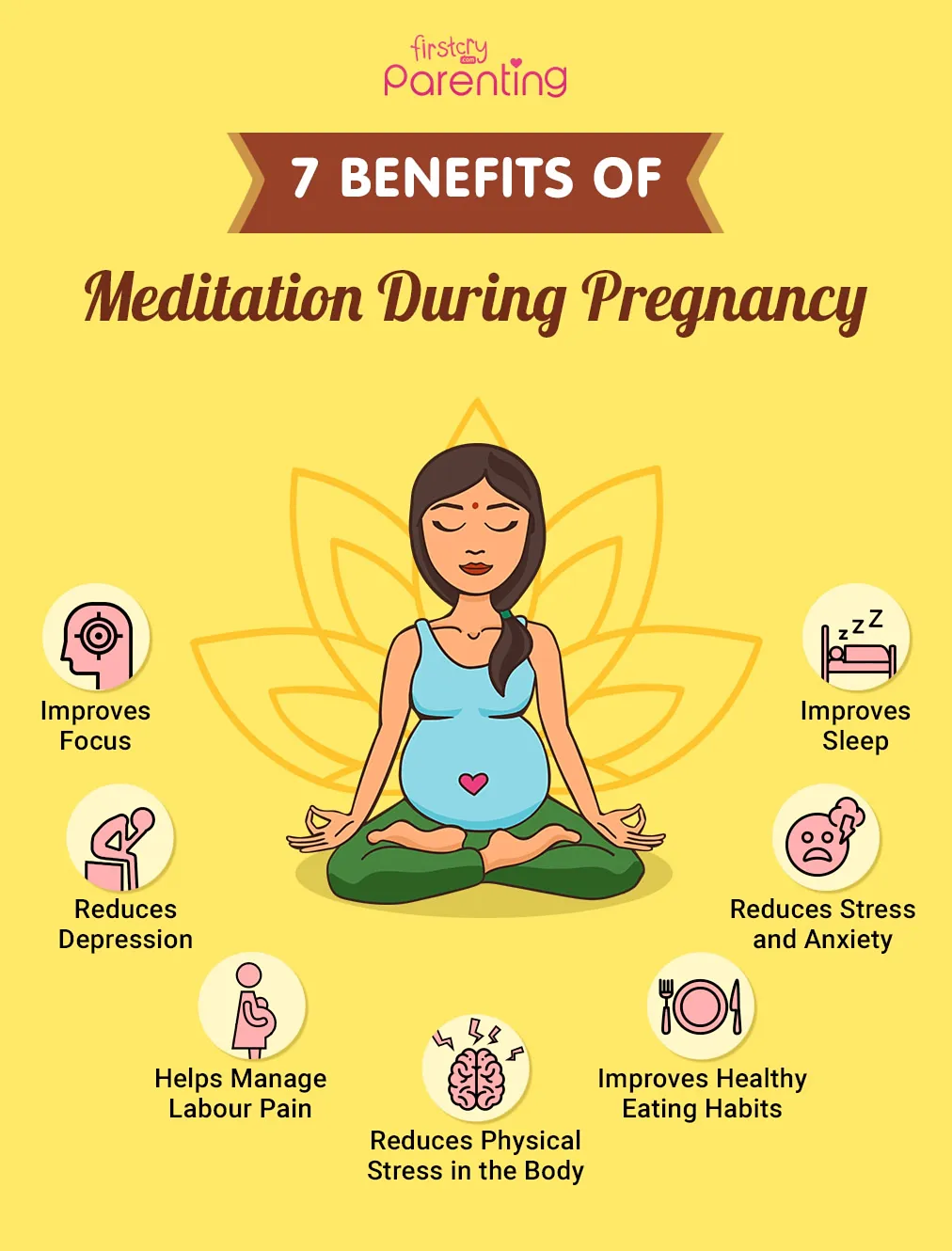
1. Improves Sleep
It is estimated that more than 75% of pregnant women deal with insomnia at some point during their pregnancy. This could be due to reasons such as anxiety, heartburn, frequent urination or hormones which prevent them from getting a good night’s rest. During pregnancy, meditation for sleep can help catch up on some well-deserved rest. A study conducted by Harvard showed that people who meditated slept better than even those who had attended a sleep education class.
2. Reduces Anxiety
Most women experience anxiety during pregnancy as there are a lot of risks involved, such as preeclampsia, eclampsia, and gestational diabetes. However, studies show that women with high anxiety during pregnancy are likely to give birth to children with attention deficit hyperactivity disorder (ADHD). This is because the stress hormone cortisol finds its way into the placenta and causes developmental issues. Anxiety can be reduced through meditation as one realises that negative feelings do not reflect your reality (3). As your mind begins to focus on positive thoughts, you can feel your anxiety melt away.
3. Reduces Depression
Some women go through depression after pregnancy due to a sudden change in hormonal levels in the body. This is called postpartum depression, and recovery can even take a couple of years. Countless studies, including the 2022 study, have shown that mindfulness meditation performed during pregnancy can prevent, mitigate, and reduce the likelihood of depression during pregnancy. It is, in fact, considered an auxiliary measure for the clinical treatment of pregnancy depression (4).
4. Improves Healthy Eating Habits
Pregnancy is a time when women eat more than usual and tend to gain weight due to increased fluids, amniotic fluid, the weight of the placenta, etc. However, some women run the risk of becoming obese due to overeating, which can cause complications, such as sleep apnea, preeclampsia, and gestational diabetes. One can use meditation to be aware of what they are eating and prevent harmful habits like overeating and resorting to comfort food.
5. Reduces Physical Stress in the Body
As a woman’s body changes, she goes through immense stress due to issues such as backache, morning sickness, and cramps. Studies conducted have shown that meditation can reduce pain by as much as 57%. The human brain experiences two types of pain, primary and secondary. Primary pain is the body’s reaction to the pain. Secondary pain, on the other hand, is the brain’s reaction to the pain. Meditation keeps a check on the secondary pain by ensuring we focus only on the bodily pain. This awareness of the bodily pain prevents our mind from drifting off to painful episodes of the same experience, which amplifies the current pain.
6. Helps You Manage the Labour Process
During the onset of labour, all women inevitably feel pain. Meditation can be used as a form of pain management as it helps to instil a sense of peace and calm during delivery.
7. Helps the Unborn Baby with Neural Responses
According to a 2015 study published in Social Cognitive and Affective Neuroscience, maternal mindfulness and anxiety during pregnancy affect infants’ neural responses to sounds. It means that babies whose mothers were calmer and more mindfully present during pregnancy because of meditation seem to pay less attention to sounds that keep repeating and don’t carry any new information, almost like their brains get used to (or “tune out”) those sounds more quickly. On the other hand, babies whose mothers experienced higher anxiety during pregnancy tend to keep noticing and processing those same repetitive, unimportant sounds for longer, as if it takes their brains more time to filter them out as unimportant (5).
How You Should Meditate During Pregnancy?
Before diving into the meditation process, the first thing that one needs to find is a quiet spot where they can meditate in peace. Ideally, one can choose a quiet spot in the house away from all forms of distraction. If there are no quiet areas, one can go to a nearby park that doesn’t have many visitors. The second step is finding a posture that you are comfortable with. While some may be comfortable sitting cross-legged, sitting upright on a chair is just as effective. While sitting on a chair, one must make sure that their spine is not arched and the tailbone is near the back of the chair. Lastly, one can choose the type of meditation that they wish to use to strengthen their mind.
Best Meditation Techniques for Pregnant Women
The best meditation for pregnancy may vary with the individual. Here are some different meditation techniques that you may adopt.
1. Awareness Meditation
This form of meditation can be used as a mental exercise to feel a stronger bond with your baby. It starts out with taking deep breaths and being aware of the breathing alone. This includes inhalation, exhalation, the pace and the sound of your breath. Once you have done this for a couple of minutes, you can gradually use one of your hands to cup your baby bump, where you can feel your baby growing. At this point in time, you can slowly transition your thoughts from your breath to your baby. One needs to transition from thinking to feeling so that they can feel that they are in unity with their unborn child.
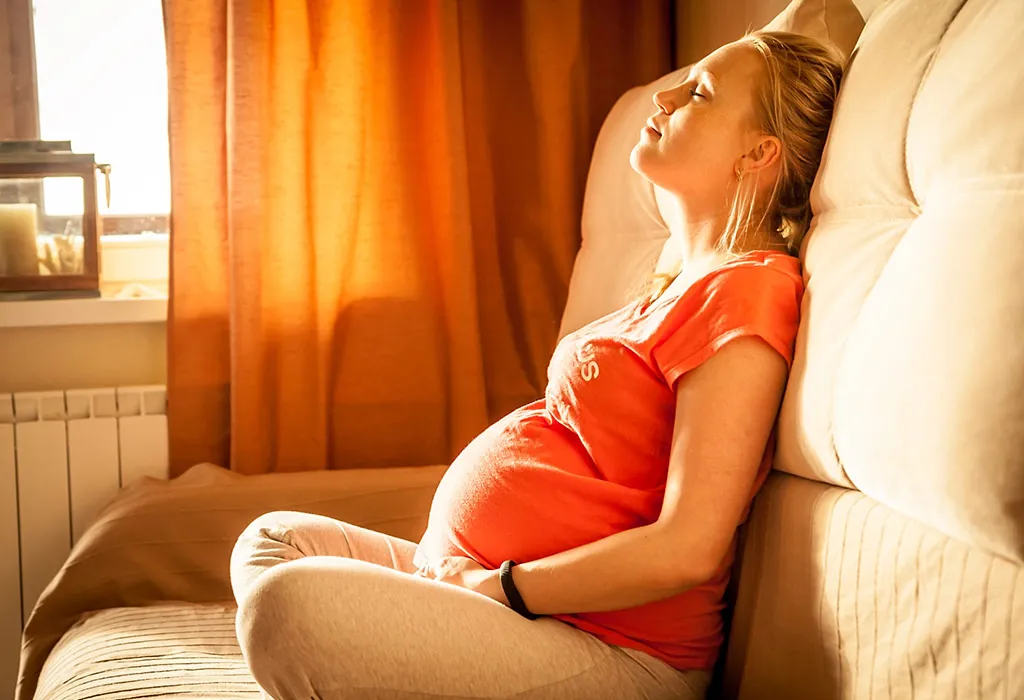
2. Concept Meditation
This type of pregnancy meditation is almost the same as awareness meditation, except that it uses the power of visualisation. While breathing, one needs to start visualising objects or people, such as a waterfall, a leaf blowing in the wind, or even a deity. The images should be a symbol of the emotion that one wishes to inculcate in them. For example, a mighty waterfall could be visualised to instil a sense of strength. For others, a leaf blowing freely in the wind can signify freedom from stress and anxiety. Practising pregnancy meditation in the third trimester is a great way to visualise the arrival of the baby and a happy and healthy delivery.
3. Walking Meditation
Walking has been known to help induce labour as it activates contractions. The physical activity of walking becomes a bridge between meditation and pregnancy. This is because walking meditation does the twin job of preparing the mind as well as the body for labour. Walking meditation means that one must consciously be aware of the process of walking. These include being aware of actions that we take for granted, such as foot placement or the swinging of the arms.
4. Mindfulness Meditation
This meditation technique helps you focus on what’s happening now, rather than dwelling on the past or worrying about the future. Mindfulness starts with focusing on the body sensations, removing all the bad thoughts and creating a peaceful environment (6).
You may also try the audio series of pregnancy mindfulness developed by the clinical psychology team at the Royal Women’s Hospital (7).
Tips for Practising Meditation While Pregnant
Meditation can be a simple way to create a few quiet moments during a physically and emotionally demanding time. Research suggests that mindfulness-based interventions may help reduce symptoms of stress, anxiety and depression during pregnancy, although the strength of evidence varies across studies.
- Start with short sessions: Begin with 5–10 minutes rather than trying to meditate for a long period. Gradually increase the duration if you feel comfortable.
- Sit or lie down in a comfortable position: Sit on a supportive chair, cushion or bed. As your pregnancy progresses, adjust your position whenever you feel uncomfortable.
- Gradually focus on your breathing: Take slow, comfortable breaths and gently notice the movement of your abdomen and chest without forcing your breathing.
- Try guided meditation: A pregnancy-focused guided meditation can make it easier to stay focused, particularly if you are new to meditation.
- Keep your expectations realistic: Your mind may wander, especially when you are tired or worried. Simply notice the thought and gently bring your attention back to your breathing.
- Create a regular routine: Practising at roughly the same time each day can make meditation easier to maintain. Even a few minutes can become a useful calming routine.
- Use mindfulness during everyday activities: You do not always need a formal meditation session. Just by paying attention to your breathing, surroundings or body sensations while walking or resting can also be a mindfulness practice.
- Stop if you feel uncomfortable: Meditation should feel comfortable rather than physically or emotionally distressing. If a particular technique makes you anxious, unsettled or uncomfortable, stop and discuss it with your healthcare professional if needed.
FAQs
1. Can meditation help ease my anxiety?
It may. Recent research suggests that mindfulness-based programmes can reduce anxiety and stress during pregnancy, although individual responses can vary.
2. How long should I meditate while pregnant?
There is no universally recommended duration. If you are a beginner, starting with 5–10 minutes and increasing the duration gradually can be a practical approach, provided you remain comfortable.
3. Which meditation technique is best during pregnancy?
There is no single technique that is best for everyone. Mindful breathing, body-awareness meditation, guided meditation and mantra-based practices are some options you can try and adapt to your comfort level.
4. Can meditation replace treatment for pregnancy-related anxiety or depression?
No. Meditation may be a useful complementary practice, but it should not replace professional care for significant anxiety, depression or other mental health concerns. Talk to your obstetrician or mental health professional if symptoms are persistent or affecting daily life.
All of the meditation techniques given above are simple and can be adopted by anyone, especially pregnant women. You can pick the one that seems to work best for you. Or, you can even join a meditation class or group where these techniques can be practised with the guidance of an expert.
Infographic: 7 Benefits of Meditation During Pregnancy
Also Read:
Pranayama in Pregnancy
Yoga for Pregnant Women
Breathing Exercises for Pregnant Women
Was This Article Helpful?
Parenting is a huge responsibility, for you as a caregiver, but also for us as a parenting content platform. We understand that and take our responsibility of creating credible content seriously. FirstCry Parenting articles are written and published only after extensive research using factually sound references to deliver quality content that is accurate, validated by experts, and completely reliable. To understand how we go about creating content that is credible, read our editorial policy here.
- Author


Related Articles
-

Third Trimester Nausea - Causes, Remedies & Preventive Measures
-

Does Taking Progesterone During Pregnancy Help Prevent a Miscarriage?
-

Decreased Foetal Movement - Causes, Diagnosis, and Measures
-
Compression Socks in Pregnancy - Safety & Benefits
-

10 Pregnancy Dos and Don’ts for a Healthy Journey
-
Restless Legs Syndrome (RLS) During Pregnancy