
Kidney Stones in Pregnancy: Causes, Symptoms, & Treatment





Medically Reviewed By
Dr. Rima Sonpal
(Gynecologist/Obstetrician)


This health content has been medically reviewed by qualified experts and follows the FirstCry Parenting editorial policy to ensure accuracy and reliability.
Key Takeaways
- Kidney stones during pregnancy may develop due to dehydration and changes in urinary flow.
- Common symptoms include back pain, painful urination, blood in urine, nausea, and fever.
- Ultrasound is usually the first test used to diagnose kidney stones during pregnancy.
- Treatment may include hydration, medication, or medical procedures, depending on the severity.
- Drink enough water and consult your doctor before trying home remedies or taking medicines.
Kidney stones in pregnancy can cause sharp pain in the back or side, nausea, and discomfort while urinating, making an already challenging time even more stressful. These stones develop when minerals and salts form hard deposits in the kidneys. According to a review published in Advances in Urology, kidney stones affect approximately 1 in 1,500 pregnancies, although estimates vary across studies (1).
Understanding the causes, symptoms, and treatment options can help you know when to seek medical care. This article explains why kidney stones develop during pregnancy, which warning signs to watch for, and how they can be managed safely to protect both mother and baby.
What Causes Kidney Stones During Pregnancy?
Although being pregnant does not mean that you are at a higher risk of getting kidney stones, there are certain causes that can connect kidney stones and pregnancy. Some of the common causes of kidney stones during pregnancy are:
1. Lack of Fluids
A common reason for kidney stones is the inadequate consumption of water. The lack of fluids in your body causes an increase in the concentration of minerals like phosphorous and calcium in the urine, which leads to the formation of kidney stones (2). During pregnancy, your body requires more water than usual. Drinking less than the required amount of water may thus lead to kidney stones.
2. Genetic Predisposition
The genetic makeup of your body may also increase your chances of kidney stones. If you are from a family with a high incidence of hypercalciuria – a condition where there is an excess quantity of calcium in the urine – you may be more prone to kidney stones during pregnancy (3).
3. Bowel Irritation
If you have gastrointestinal sensitivity, you may be prone to hypercalciuria or be at a higher risk of kidney stones. This is because chronic inflammation in the bowels may increase the number of calcium ions that are deposited on the kidneys, which then turn into crystals.
4. High Calcium Intake
Pregnant women are encouraged to consume more calcium – this may put extra pressure on the kidneys and cause crystal formation on the kidneys. Also, as your body absorbs a lot of calcium to aid the development of the baby, you may have a higher chance of getting kidney stones (4).
5. Increased Filtration
Due to an increase in the filtration activity of the kidney, the amount of uric acid that you excrete may also increase, which may lead to uric acid stones.
6. Dilation of the Uterus
The upper urinary tract may become large during pregnancy, which can cause an incomplete clearing of the urine and increase the risk of kidney stone formation.
7. UTIs
Constant urinary tract infections during pregnancy may be indicative of kidney stones (5).
What Are the Signs & Symptoms of Kidney Stones in Pregnancy?
The signs and symptoms of kidney stones during pregnancy aren’t unlike the usual ones. However, there are no specific symptoms that indicate kidney stones and any pregnancy complications caused due to it. Some of the common symptoms of kidney stones during pregnancy include:
1. Pain
Intense pain is one the first and the most common signs of kidney stones. The area of the pain is based on where the stone is, internally. If the stone is in your kidney, you will experience pain in the back, below the rib cage area. Once the stone moves down to the ureter, you will experience pain on the side of your body. As the stone moves further down the ureter, you may even feel pain near your genitals or in the thigh. Apart from this, you may also feel pain in your lower abdomen (6).

2. Pain During Urination
If the stone has travelled down and is stuck at the lower end of the ureter, you are likely to have intense pain while urinating.
3. Blood in the Urine
As the stones in the kidney move spontaneously, they may damage the tissues and the cells in the kidney. This may lead to blood in the urine.
4. Nausea and Vomiting
Kidney stones can trigger severe pain that leads to nausea or vomiting. While morning sickness is common during pregnancy, nausea accompanied by intense back or side pain may indicate a kidney stone or another condition that needs medical attention (7).
5. Fever and Chills
A fever or chills may indicate an infection associated with a kidney stone. This symptom should never be ignored during pregnancy, particularly if you also experience back pain, painful urination, or vomiting.
What Are the Risk Factors for Kidney Stones in Pregnancy?
The following are some risk factors involving kidney stones in pregnancy third trimester, second trimester and first trimester.
- Age Range: Individuals aged 30 to 50 years.
- Prolonged Exposure to Hot, Arid Climates: Sustained contact with hot and dry weather conditions, such as those experienced by farm labourers and workers.
- Family History of Kidney Stones: An ancestral background of kidney stone occurrences within the family.
- Consumption of Calcium, Sodium, and Red Meat-rich Foods: Regularly eating foods high in calcium, sodium, and red meat.
- Overweight or Obesity: Experiencing excess body weight or obesity.
- Spinal Cord Disorders: Disorders affecting the spinal cord.
- Hyperparathyroidism: An overactive parathyroid gland which regulates calcium levels in the body (8).
How Are Kidney Stones Diagnosed in Pregnancy?
Your doctor may recommend urine and blood tests, along with imaging tests that help detect stones without unnecessary radiation exposure. The choice of tests depends on your symptoms, stage of pregnancy, and medical history (9).
1. Blood and Urine Tests
Blood tests can help assess kidney function and identify signs of infection or other abnormalities. A urine test can detect blood, crystals, and signs of infection, while a urine culture can identify bacteria and help determine which antibiotics may be effective if an infection is present.
2. Renal Ultrasound
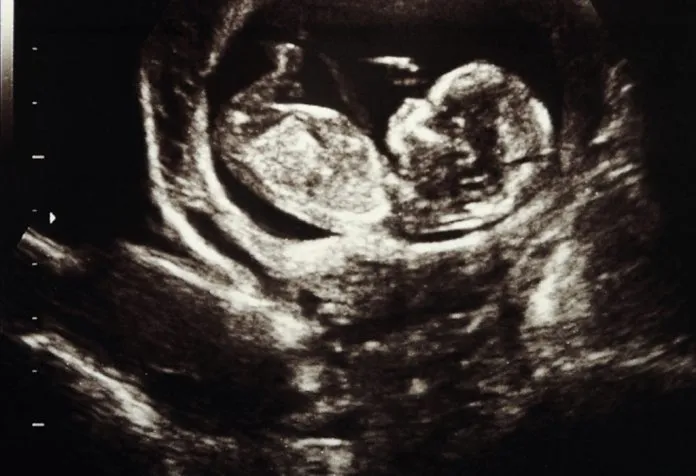
A renal ultrasound is usually the first imaging test recommended during pregnancy because it uses sound waves rather than ionising radiation. It can help identify kidney stones and signs of urinary blockage. However, smaller stones or stones located in the ureter may not always be visible.
3. MRI and Other Imaging Tests
If an ultrasound does not provide enough information, your doctor may consider an MRI or other appropriate imaging tests, depending on the situation. MRI does not use ionising radiation, although it may not detect all kidney stones directly. X-rays and CT scans are generally avoided when possible during pregnancy, but a medically necessary scan may be considered if the benefits outweigh the potential risks.
When Is Surgery Needed for Kidney Stones in Pregnancy?
If natural and conservative remedies do not work, you may have to opt for surgical intervention to get rid of kidney stones under these circumstances:
- The stones that have obstructed the urinary tract have caused pyelonephritis or inflammation due to bacterial infection
- If you have only one kidney
- Acute kidney failure
- Intense pain
- Risk of premature labour due to kidney pain
How to Get Rid of Kidney Stones While Pregnant?
If you notice any symptoms of kidney stones, it is advisable to consult a urologist for treatment for kidney stones while pregnant. Here are some of the methods used to get rid of kidney stones during pregnancy. Treatment methods are also dependent on the nature of your kidney stones and the trimester that you are in.
1. Medical Treatment
Paracetamols are prescribed to relieve pain caused due to kidney stones. However, in the event that medication fails to reduce your pain, or if there is any indication of preterm labour, you may need surgical intervention.
2. Surgical Treatment
- Ureteroscopy: This procedure is used for diagnosis as well as for breaking down the stones. A small tube called a ureteroscope is inserted into the kidney, which passes through the ureter, the urethra, and the urinary bladder. The process uses a laser to break the stones. This procedure is only ideal for stones smaller than 1 cm (10).
- Tube or Stent Placement – this procedure uses a hollow tube passed through the ureters to drain the urine and the stones. It is minimally invasive and needs local anaesthesia at most.
- Shockwave Therapy and Open Surgery – these are not prescribed to pregnant women due to risks to the foetus.
3. Natural/Home Remedies
Conservative methods and natural remedies are the most preferred treatment for kidney stones. Some of these natural ways to pass kidney stones while pregnant are (11):
- Intake of water: Drinking at least 8 glasses of water every day can help dilute the minerals and organic salts in the urine. It also helps clear small stones from the kidneys.
- Fruits: Consuming fruits like watermelon, blueberries, peaches, and other fruits that have high water content is also beneficial.

- Avoid Commercial Juices: Packaged juices have a high mineral (and possibly added sugar) and salt content which may make your condition worse.
- Lemon: Lemon is known to break down medium-sized stones and also open up the ureters, helping the stones pass without much pain.
- Apple Cider Vinegar: ACV contains acetic acid which dissolved kidney stones. Just adding a tablespoon or two to 1 litre of water and drinking it through the day can be helpful. However, make sure to check with your doctor as the consumption of ACV should be limited during pregnancy.
- Basil Juice: Like ACV, basil contains acetic acid which can be helpful in breaking down kidney stones. Basil generally helps with inflammation as well. Simply take some fresh or dried basil leaves, boil them in water, and consume the tea. Avoid the prolonged consumption of this tea as it may cause problems like low blood pressure and blood sugar. Always consult with your doctor before trying any home remedy, especially during pregnancy.
How Can You Prevent Kidney Stones During Pregnancy?
Some of the best ways to prevent kidney stones are (12):
- Drink a lot of water. A minimum of two litres or eight glasses per day is essential.
- Reduce your salt intake. Avoid junk food especially, as it may contain unhealthy amounts of monosodium chloride.
- Avoid excess calcium. Keep your calcium intake under 1000 to 1200 mg per day.
- Talk to your doctor about your medication. Certain medications can make a person susceptible to kidney stones. If you are on medication – any medication, regardless of whether you have been prescribed them during pregnancy – mention them to your doctor. In any case, however, do not stop consuming those medicines without your doctor’s approval.
- Reduce your consumption of certain foods. Green leafy vegetables, chicken, fish, nuts, beetroot, chocolate, peanuts, beef, red meat, tea, and coffee can make a person more vulnerable to kidney stones.
- Restrict your alcohol consumption. It has the potential to lead to the formation of uric acid stones.
FAQs
1. Can kidney stone lead to miscarriage?
While kidney stones themselves don’t directly cause miscarriages, severe pain and complications from kidney stones during pregnancy can indirectly increase the risk of pregnancy complications. Consult a healthcare provider if concerned.
2. How common are kidney stones while pregnant?
Kidney stones during pregnancy are relatively rare, occurring in approximately 1 in 1,500 pregnancies. However, when they do happen, they can pose unique challenges and require medical attention.
3. Can kidney stones during pregnancy harm the baby?
Kidney stones in pregnant woman do not usually harm the baby directly. However, complications such as severe infection, urinary obstruction, or dehydration from persistent vomiting can pose risks if not treated promptly.
Kidney stones can occur during pregnancy, and in most cases can be treated using natural treatment methods. However, in case the pain is severe, you will need to opt for medical or surgical treatments to alleviate it. Always remember to reach out to a doctor immediately after you notice symptoms of kidney stones to get the appropriate treatment method and avoid complications.
Also read:
Hydronephrosis in Pregnancy
Gallbladder Pain during Pregnancy
Irritable Bowel Syndrome (IBS) when Pregnant
Was This Article Helpful?
Parenting is a huge responsibility, for you as a caregiver, but also for us as a parenting content platform. We understand that and take our responsibility of creating credible content seriously. FirstCry Parenting articles are written and published only after extensive research using factually sound references to deliver quality content that is accurate, validated by experts, and completely reliable. To understand how we go about creating content that is credible, read our editorial policy here.
1. PubMed Central – Renal stones in pregnancy
2. Mayo Clinic – Kidney stones
3. CINCINNATI CHILDREN’S HOSPITAL – Hypercalciuria
4. Cleveland Clinic – Kidney Stones
5. Mayo Clinic – Urinary tract infection (UTI)
6. Mass General Brigham Incorporated – What Are the First Signs of Kidney Stones?
7. Healthdirect – Kidney stones
8. Cleveland Clinic – Hyperparathyroidism
10. Cleveland Clinic – Ureteroscopy
11. Harvard Health Publishing – How to pass a kidney stone & 5 tips to prevent them
12. National Kidney Foundation – Six Easy Ways to Prevent Kidney Stones
- Author
- Expert Reviewer