

Red Raspberry Leaf Tea for Fertility – How It Helps to Get Pregnant
Learn how red raspberry leaf tea may support fertility, improve reproductive health, and prepare the body naturally.





Image Credit : AI Generated Image
In this Article
- What Are Red Raspberry Leaves and Its Medical Uses?
- Does Red Raspberry Leaf Tea Help You Get Pregnant?
- How Does Red Raspberry Leaf Help Treat Infertility?
- When to Start Drinking Red Raspberry Tea for Boosting Fertility?
- How Long Does It Take to Work for Fertility?
- How Much Red Raspberry Tea Should You Consume in a Day?
- How to Prepare Red Raspberry Tea?
- Precautionary Tips
- FAQs
View More
Infertility is a serious concern for couples who are trying to get pregnant. If you are facing fertility issues and looking for natural remedies to support your journey, you may consider red raspberry leaf fertility support as part of your wellness routine. Red raspberry leaves have long been used in herbal medicine to support women’s reproductive health. Although red raspberry (Rubus idaeus) is widely known for its fruit, its leaves are also valued as a natural remedy for women of childbearing age.
Raspberry leaf is best known as a tonic for pregnancy and labour, but it is also used to support conception and overall reproductive health (1). Many women use red raspberry leaf tea for conception as part of their pre-pregnancy routine. Learn more about organic red raspberry leaf tea & pregnancy in this article.
What Are Red Raspberry Leaves and Its Medical Uses?
The leaves of ‘Rubus Idaeus’ or raspberry tree have many medicinal benefits. These leaves have abundant citric acid, carotenoids, vitamin A, vitamin B, tannins, and other vital nutrients (2). As the name suggests, the leaves come from the red raspberry shrub and are used for their medicinal properties, although they haven’t been proven yet. Apart from the benefits of red raspberry leaf tea for fertility, here are some additional ways it may support reproductive health.
1. Helps in Cooling the Body
You may take these leaves to bring your fever down naturally if you have a fever. This is because these leaves have body-cooling properties.
2. Helpful in Improving Uterine Health
These leaves contain fragrine, an alkaloid that helps tone pelvic and uterine muscles (3). Better uterine health ensures lesser chances of miscarriages.
3. Helpful in Haemorrhage
These leaves have astringent properties, which may prove to be beneficial in shrinking and contracting the external and internal body tissues (3). This action may prevent any kind of excessive bleeding in the body.
4. Helpful in Treating Nausea
Pregnant women may benefit greatly too by consuming these leaves, especially if they are combating morning sickness or nausea.
5. Helps in Promoting Labour
It is widely popular as a labour stimulant and thus may be administered to women during their last days of pregnancy to help them go into labour (1).
6. Fights Free Radicals
The nutrient-rich red raspberry leaves have tannins, flavonoids, and polyphenols that give them antioxidant properties (4) (5).
When treating fertility issues through natural sources such as red raspberry leaves, you need to remember that the outcome depends on your current health situation and lifestyle. In most healthy cases, raspberry may show some improvement in the condition. Here, we will discuss how the leaves could help treat infertility.
Does Red Raspberry Leaf Tea Help You Get Pregnant?
In addition to being rich in nutrients, the red raspberry leaf also includes phyto-progesterone, which raises the levels of progesterone produced by the body. This increases the likelihood of getting pregnant. It nourishes the uterus and helps thicken the uterine walls, facilitating implantation (5).
How Does Red Raspberry Leaf Help Treat Infertility?
Red raspberry leaves have been said to have soothing effects on the uterine muscles. This action, in turn, prepares the uterus against any kind of early miscarriage. These leaves are also beneficial in assisting the embryo’s attachment to the uterine wall. Red raspberry leaves are loaded with phyto-progesterone, which is beneficial in increasing the levels of progesterone, which is one of the essential hormones required to sustain a healthy pregnancy (2).
Since improving fertility or treating fertility may need time, natural sources that help improve fertility may need to be a part of your diet a little in advance. Read on to know more about red raspberry leaf tea and fertility.
When to Start Drinking Red Raspberry Tea for Boosting Fertility?
Red raspberry tea has a mellow aroma and flavour compared to other herbal teas or preparations; however, the tea made from these leaves may help enhance your fertility. You may begin taking this tea before starting your ovulation cycle and may keep taking this throughout the cycle.
How Long Does It Take to Work for Fertility?
This herb may be helpful for women who have irregular periods or a weak uterine lining. It is commonly recommended to use it for at least three months before trying to conceive, as this gives the body time to respond and prepare for pregnancy.
How Much Red Raspberry Tea Should You Consume in a Day?
When you are trying to get pregnant, we suggest that you may include up to three cups of this tea. However, as soon as you conceive or become pregnant, you may reduce your intake and take up to two cups daily in your first and second trimesters. You may again increase the intake for up to three cups a day in your third trimester, as this tea effectively prepares your body for labour and delivery.
We are sure you must have already figured out that making some tea is the best way to consume red raspberry leaves. If you are wondering how to make the tea and what care needs to be taken while consuming it, you will find the rest of the article pretty helpful.
How to Prepare Red Raspberry Tea?
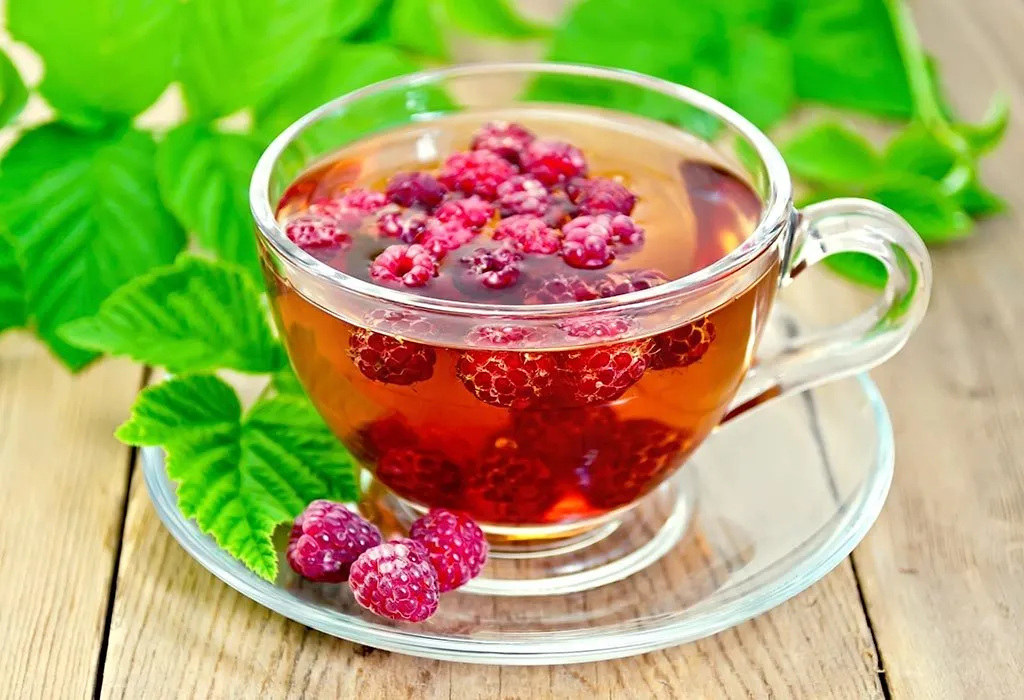
This yummy and fragrant tea that is effective in treating various medical issues is very easy to make. You may either procure the ready-to-make tea leaves from the market or make it fresh at home. For home-made tea, you may need the following:
Ingredients
- 7 to 10 red raspberry leaves
- 3-4 mint leaves
- 3-4 alfalfa leaves
- Honey to taste
How to Prepare
- Put all the herbs in a pot (ceramic or steel preferably).
- Pour boiling water into the pot and cover it with a lid. Let the herbs sit in hot water for 15 to 20 minutes.
- Then, strain and pour the tea into a cup; you may add honey or a natural sweetener of your choice to the tea (do not add artificial sweetener).
Your red raspberry tea is ready.
Precautionary Tips
You may benefit greatly by taking red raspberry leaf tea to get pregnant. However, there are a few precautionary tips that we would like to highlight:
- Regular consumption of red raspberry tea may cause loose stools. Excessive consumption may cause diarrhoea because it has diuretic properties.
- It may lead to miscarriages or premature childbirth if taken excessively during the early months of pregnancy, as it could stimulate the uterus.
- The berries and leaves may contain a parasite called cyclospora, which may lead to fatal medical complications.
- Also, the leaves should be avoided by people taking medication such as atropine, theophylline, ephedrine etc., which may cause health complications.
FAQs
1. Can red Raspberry leaf tea help with hormonal health?
Improved digestion, reduced inflammation, and abundant nutrients in red raspberry leaf tea for fertility are some special advantages contributing to better hormonal health. It’s a fantastic herbal treatment and uterine tonic for naturally balancing hormones.
2. How does Raspberry leaf tea taste?
Tea made from raspberry leaves is a strong tea with notes of good black tea. You can sweat it however you choose. An infusion seems to work best with honey.
3. Can men drink red raspberry leaf tea for fertility?
While red raspberry leaf tea is mostly known for women’s reproductive health, it also contains vitamins and minerals that support general wellness. However, there is limited evidence of direct fertility benefits for men.
Red raspberry leaves may be one of the tastier options in combating fertility issues. You may add this tea to your daily diet to maximise its benefits. However, we recommend that you consult your physician before doing so.
Also Read:
Best Herbs to Boost Fertility
Natural Ways to Increase Fertility
Foods that Can Boost your Fertility
Was This Article Helpful?
Parenting is a huge responsibility, for you as a caregiver, but also for us as a parenting content platform. We understand that and take our responsibility of creating credible content seriously. FirstCry Parenting articles are written and published only after extensive research using factually sound references to deliver quality content that is accurate, validated by experts, and completely reliable. To understand how we go about creating content that is credible, read our editorial policy here.
- Author
 About the Author