
Can You Eat Honey While Pregnant? – Benefits & Safety
Helping moms understand if honey is safe while pregnant with its benefits, precautions, and easy usage tips.





Medically Reviewed By
Megha Gupta
(Paediatric Nutritionist)

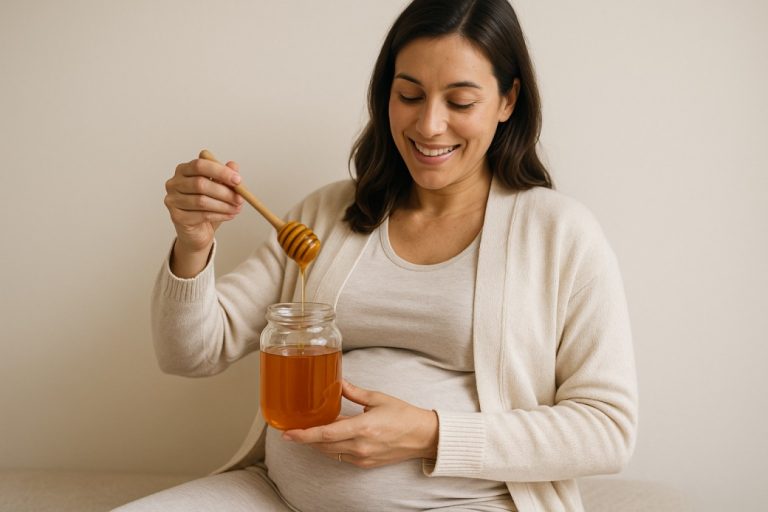
Image Credit : AI Generated Image
Honey is a great substitute for refined sugar and tastes delicious. It is a good source of antioxidants and amino acids and is used for medicinal purposes too. But it also contains a certain type of bacteria that may lead to botulism in infants. As a baby’s digestive system is not developed enough to deal with the bacteria in raw honey, doctors recommend that babies younger than 1 year of age should not be given honey. You must have known this already, but you might question whether or not you can have raw honey in pregnancy, for fear that it might reach the baby. So what’s the truth? Find out all about consuming honey in pregnancy!
Is It Safe to Eat Honey During Pregnancy?
Is eating honey while pregnant okay? Or can pregnant women eat raw honey? Yes, honey is safe for consumption during pregnancy, and you can include it in your pregnancy diet unless your doctor suggests otherwise. If you are pregnant, know that it is safe for you because your gut can handle the bacteria in honey. The biggest concern with regard to consuming honey during pregnancy is ‘botulism’ – a rare but serious illness that is caused by contaminated honey containing Clostridium spores, a harmful bacterium (1). But the chances of being affected by them are less, as your natural immune system can fight the infection. During pregnancy, there is no risk of these spores or their toxins affecting the foetus as the bacteria are stopped by the placenta. It doesn’t allow these harmful antigens to cross over and reach the baby, thus shielding him from any potential infection.
Honey is generally recommended as a substitute for sugar, and one needn’t worry about it affecting one’s health when consumed judiciously.
How Much Honey Should Pregnant Women Consume?
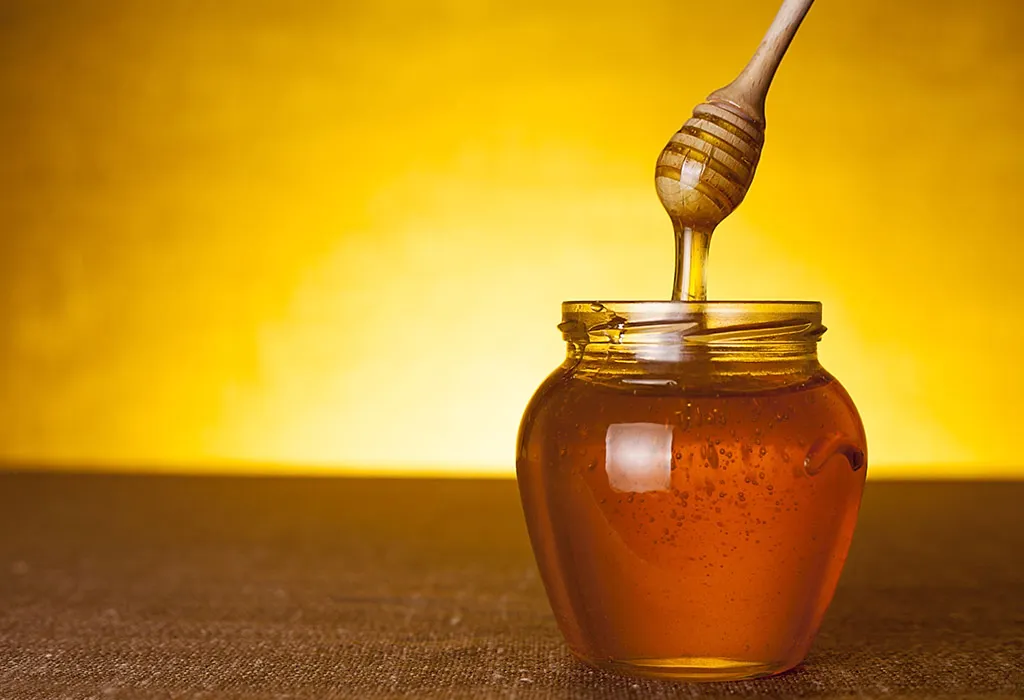
As is the case with any food, moderation is the key. If you’re looking for a safe way to eat honey while pregnant, try to keep a count of how many tablespoons of honey you consume every day. Three to five tablespoons is enough for the day, so the calorie count remains around 180 to 200 calories.
Since honey is high in sugars such as fructose, glucose and maltose, just one tablespoon of it will contain approximately 60 calories. Calorie intake from simple sugars during pregnancy shouldn’t exceed 10 per cent of the total calorie requirement per day, which would be about 1800 to 2400 calories (2). So, four tablespoons should do just fine.
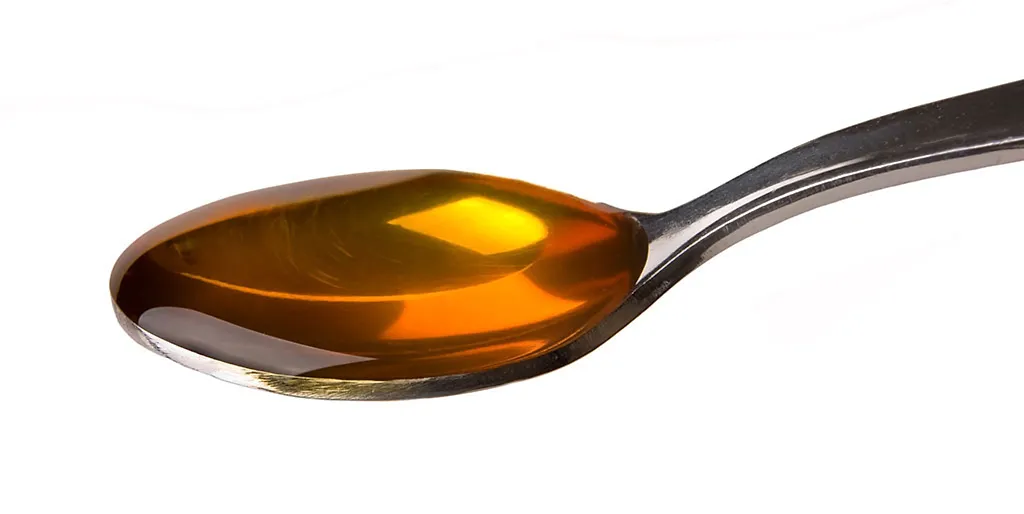
Benefits of Honey During Pregnancy
Honey has numerous health benefits owing to its various medicinal properties. Its importance and benefits have been written about in ancient Indian scriptures. There are several health benefits that you may derive from eating honey. Some of these benefits of honey for pregnant women are explained below.
1. Strengthens the immune system
During pregnancy, you need to have a strong immune system to stave off any disease-causing agents during this delicate phase as any major complication may have an adverse impact on your baby. The antioxidants and antibacterial properties of honey help boost the immune system and fight infections. So you can include honey in your diet to keep your immune system working!
2. Helps ease a sore throat and cough
Honey, if taken with ginger or lemon tea, has a soothing effect on the throat due to its anti-inflammatory properties. This is traditionally known to provide relief from cough and help one recover from a sore throat (3).
3. Helps fight cold
The anti-viral properties and immune-strengthening properties of honey help provide relief from cold and flu quickly (4). Pregnant women can consume honey in various forms (like with tea or with lukewarm water) to ensure that they do not catch the flu.
4. May help cure ulcers
Regular consumption of honey can heal stomach ulcers in patients with gastritis at a faster rate. And it is particularly effective against duodenal ulcers, a type of peptic ulcer, caused by H.pylori infection (5). Ulcers can be very dangerous as they affect the stomach lining, which is located very close to the womb, where the baby is. So you must consume honey after consulting with your doctor.
5. May provide relief from insomnia
Consuming honey is one of the simplest and safest ways to improve the quality of sleep. Honey, when consumed with milk just before bedtime, is known to have stress-relieving properties. And no stress means better sleep. So if you have trouble falling or staying asleep during pregnancy, you can have warm milk with honey before going to bed. You never know, it may help you with stress and insomnia during pregnancy.
6. May help prevent allergies
The presence of pollen in some of the local varieties of honey is known to improve resistance to seasonal allergies over time. Regular intake of honey helps the body build immunity against antigens that can flare up during pregnancy (6). However, if you are allergic to pollen, you should consult your doctor before consuming honey.
7. Promotes a healthy scalp
Due to its anti-bacterial and anti-fungal properties, topical application of honey helps treat cuts, wounds, and scalp conditions. Applying honey diluted with warm water on the scalp can ease dandruff and an itchy scalp.
8. Aids in soothing heartburn and indigestion
Honey can help coat the oesophagus and stomach lining, providing a soothing effect from the discomfort of heartburn, which is common during pregnancy. Its natural properties may help neutralise stomach acid and ease digestion (7).
Side Effects of Consuming Honey During Pregnancy
Though mostly safe for consumption, there are exceptional cases where honey can have side effects. Those with concerns about having honey while pregnant should get themselves checked for gestational diabetes. Some women develop gestational diabetes during pregnancy and have to keep a constant watch on their blood sugar levels (8). Since honey has glucose in it, it comes under the list of carbohydrates and sugars that should be avoided in such cases. The same rule applies to women with type 2 diabetes or insulin resistance.
Although the chances of developing an allergy because of the consumption of honey are rare, excessive consumption can lead to stomach cramps, irritation of the gastrointestinal tract, diarrhoea, bloating and stomach problems in some women (9). Make sure the honey you consume is pure and from a trusted brand.
How to Choose Original or Pure Honey
Pregnant women may face a dilemma while choosing between processed and raw honey. Many women ask if they can have raw honey in pregnancy.
As raw honey is unpasteurised, it retains all the essential enzymes, antioxidants, minerals and useful compounds with which the goodness of honey is associated. However, it also carries some risk due to the presence of pollen, impurities, and potentially harmful microbes, so you must obtain it from a good source. The best way to have pure honey is to buy it straight from a bee farm. If possible, try to source manuka honey as it is tasty and has medicinal properties that can do wonders for you.
Adulterated honey, on the other hand, can have additives such as corn syrup, starch, flour, sugar syrup, and other substances, which make it look identical to pure honey but can be discerned with tests. If you are unsure about the quality of honey, check this table to understand the difference between pure and adulterated honey.
Honey from good brands is almost always pasteurised and is safe for everybody. Organic honey undergoes minimal processing and retains most of its nutrients.
Precautions You Should Take While Consuming Honey
Although honey is safe for consumption during pregnancy, the way you include it in your diet will determine whether it will provide you with benefits or not. So, to get the maximum benefits possible, here are some tips you should follow:
- Adding honey to boiling water can destroy some of its delicate, beneficial enzymes, antioxidants, and nutrients. To preserve its health properties, let your tea or water cool slightly to a warm temperature before stirring in the honey.
- Honey is a form of sugar. While it is a natural sweetener, excessive intake can contribute to excessive weight gain and increase the risk of gestational diabetes. Use it sparingly as part of a balanced diet.
- If you have been diagnosed with gestational diabetes, you must carefully monitor your sugar intake. Honey will raise your blood sugar levels and should be consumed only after consulting with your doctor or nutritionist.
- While the risk is low, unpasteurised honey can carry a slightly higher risk of containing bacteria. To be cautious, many healthcare providers recommend that pregnant women choose pasteurised honey. If you prefer raw, local honey for its potential allergy-fighting benefits, discuss it with your doctor first.
Ways to Consume Honey When Pregnant
Honey can be a delicious and natural way to satisfy your sweet cravings during pregnancy while gaining its benefits. The key is to incorporate it safely and in moderation into a balanced diet.
- Stir a teaspoon into warm (not hot) water with a squeeze of lemon for a soothing drink.
- Drizzle it over oatmeal, porridge, or whole-grain cereal for a natural sweetener.
- Use it as a topping for pancakes, waffles, or yoghurt instead of syrup or refined sugar.
- Mix it into smoothies to add sweetness and energy.
- Spread a thin layer on whole-wheat toast with nut butter for a satisfying snack.
- Combine it with ginger and lemon in warm water to ease a sore throat or cough.
- Use it in homemade salad dressings by mixing it with olive oil and vinegar.
- Add it to a cup of warm milk before bedtime to promote relaxation and better sleep.
- Always choose pasteurised honey to minimise any risk, and remember to consume it in moderation.
FAQs
1. How does honey help strengthen the immune system?
Honey has a low shelf life, but when stored in a sealed container, it can last for several years, as most microbial organisms cannot grow and cultivate in it. Its anti-microbial properties come from hydrogen peroxide, among other components, and ensure protection against infections by boosting immunity. Thus, one can consume honey in moderation while pregnant.
2. Who should avoid eating honey during pregnancy?
Although honey is safe for consumption, it should be avoided by pregnant women who have gastrointestinal problems such as inflammatory bowel disease (IBD). They must consult their doctors first before including honey in their pregnancy diet.
3. Can honey help to relieve morning sickness during pregnancy?
Yes, you can have honey before breakfast to relieve morning sickness during pregnancy.
4. Can I use honey as a sweetener in cooking and baking while pregnant?
Yes, you can use honey as a sweetener in cooking and baking during pregnancy, but with caution. It’s essential to ensure that the honey you use is pasteurised to eliminate the risk of exposure to harmful bacteria such as botulism. Pregnant individuals should also consume honey in moderation as part of a balanced diet and be aware that excessive sugar intake should be avoided during pregnancy for overall health.
5. Can pregnant women eat manuka honey?
Yes, pregnant women can safely eat Manuka honey, provided it is pasteurised and consumed in moderation. Like other types of honey, it offers beneficial properties, such as supporting the immune system and soothing a sore throat. The primary precaution is to ensure it is pasteurised to eliminate any low-risk bacterial spores, and it should be avoided by those with gestational diabetes or blood sugar concerns due to its high sugar content.
This was all about honey and pregnancy. So, we have seen how honey is good for pregnancy. You can include honey during pregnancy first trimester, second and even third, in your diet as it does not pose any health risk to you or to your unborn baby. You can add a tablespoon of honey to your cup of tea or to warm water, and gain its benefits. Try to obtain it from reputable sources and eat it with delight. Have a healthy pregnancy!
Also Read:
Yogurt While Pregnant
Benefits of Sour Cream in Pregnancy
Consuming Milk During Pregnancy
Is it Safe to Drink Buttermilk While Pregnant
Was This Article Helpful?
Parenting is a huge responsibility, for you as a caregiver, but also for us as a parenting content platform. We understand that and take our responsibility of creating credible content seriously. FirstCry Parenting articles are written and published only after extensive research using factually sound references to deliver quality content that is accurate, validated by experts, and completely reliable. To understand how we go about creating content that is credible, read our editorial policy here.
1. National Library of Medicine – Food-borne illnesses during pregnancy
2. National Library of Medicine – Impact of Sugary Food Consumption on Pregnancy: A Review
5. National Library of Medicine – Honey: its medicinal property and antibacterial activity
6. National Library of Medicine – Medicinal and cosmetic uses of Bee’s Honey – A review
9. EatRight.org. – What Is the Low-FODMAP Diet?
- Author
- Expert Reviewer
 About the Author