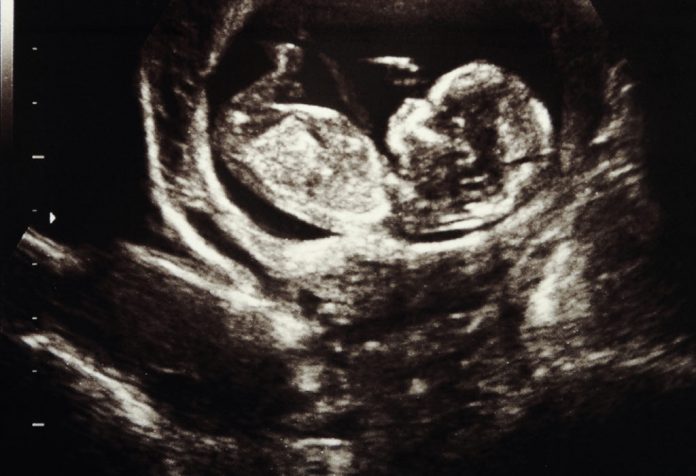

High Uric Acid in Pregnancy – Risks, Remedies, and Prevention





Key Takeaways:
- High uric acid during pregnancy increases the risk of premature birth and several complications during pregnancy.
- An increase in uric acid level during pregnancy beyond 7.3 mg/dL is considered a sign of worry.
- Making slight changes in lifestyle and daily routine can help bring uric acid levels to normal.
- Keeping diabetes in check and limiting processed sugar and refined carbs can help prevent high uric acid in the blood.
Having high levels of uric acid during pregnancy is not good for the health of the mother and the baby. This condition is generally associated with gout, a form of arthritis known for causing severe pain and discomfort in the joints. The relationship between high uric acid and pregnancy has gained attention because elevated levels may be associated with complications such as gestational diabetes, preeclampsia, a pregnancy-related condition characterised by high blood pressure and possible damage to organs. Therefore, monitoring and managing uric acid levels during pregnancy is crucial for ensuring a healthy pregnancy.
What Is Uric Acid?
Uric acid is a chemical that is created in your body. When you eat certain foods, your body metabolises purines, the substances which the body produces or obtains from the foods such as meats, fish, etc. When these substances breakdown, it forms uric acid. Under normal circumstances, your kidneys come to the rescue to process this acid. But when the uric acid level is high, the kidneys may not be able to remove it completely. Hence, there is a build up of uric acid in the blood.
Normal Levels of Uric Acid During Pregnancy
For a woman who is not pregnant, the normal uric acid levels should be between 2.5 and 5.6 mg/dL. Under normal circumstances:
- The range of uric acid levels during the first trimester of pregnancy is 2 to 4.2 mg/dL.
- In the second trimester, the range increases to 2.4 to 4.9 mg/dL.
- In the third trimester it should be between 3.1 and 6.3 mg/dL.
These numbers are a rough estimate as lab results differ from clinic to clinic.
What Are the Risks Associated With High Levels of Uric Acid During Pregnancy?
Elevated uric acid levels during pregnancy can present numerous health challenges for both the mother and the baby. Understanding these risks is essential for maintaining a healthy pregnancy.
- Maternal Morbidity: Hyperuricemia (elevated uric acid levels in the blood) and hypertensive pregnancy may cause complications to the various organ systems in the body that can increase the risk of maternal morbidity during pregnancy (1).
- Hypertensive Pregnancy: Some studies suggest that high maternal serum uric acid levels can cause hypertensive pregnancy (2). However, other reputable studies argue that while high uric acid levels indicate complications, they do not directly cause them.
- Maternal Health Complications: Elevated uric acid levels can lead to maternal health issues, including endothelial injury and dysfunction (3).
- Risk of Poor Fetal Prognosis and Pregnancy Outcomes: Women with high uric acid levels may face adverse pregnancy outcomes, including poor fetal prognosis.
- Higher Risk of Lower Fetal Growth and Lower Birth Weight: Increased uric acid levels can negatively impact fetal growth, resulting in lower birth weights (4).
- Higher Risk of Preterm Birth and Reduced Time of Delivery: Elevated uric acid levels can increase the risk of preterm birth, leading to reduced gestational periods.
- Lower Glomerular Filtration Rate and Reduced Renal Function: High uric acid during pregnancy can reduce the glomerular filtration rate, impairing kidney function (5).
- Gout: Uric acid crystal (urate) deposition in the joints can cause gout, leading to painful joints (6). However, gout is rarely observed in pregnant women due to elevated estrogen levels, which help remove uric acid.
What Are Its Effects on the Unborn Baby?
High levels of uric acid during pregnancy can affect the health of the unborn baby. If a woman has high levels of uric acid during pregnancy, her baby’s weight may be compromised, which can lead to fetal damage or even death. Some of the long-term effects of this condition are hypertension, diabetes, and heart disease among others. If a woman has gestational diabetes, her baby may be develop high blood sugar as well.
What Are the Treatments for High Uric Acid in Pregnancy?
The following treatment options can help control uric acid levels effectively.
- Pregnant women diagnosed with preeclampsia may receive magnesium sulfate treatment, particularly when severe hypertension and proteinuria are present.
- For pregnant women with chronic hypertension, antihypertensive medications can be used to manage blood pressure. Regular checkups are crucial to maintain healthy blood pressure levels, and immediate care is required if blood pressure exceeds 160/110 mm Hg.
- Medications can be prescribed by a healthcare provider to lower elevated serum uric acid levels. These should be taken under medical supervision to ensure safety.
Home Remedies to Treat High Uric Acid Levels When Pregnant
Maintaining healthy uric acid levels during pregnancy is vital for the well-being of both the mother and the baby. Incorporating certain home remedies can be an effective way to manage and lower uric acid levels.
- Dietary Changes: Following a healthy diet rich in fruits, green vegetables, nuts, and whole grains can help reduce uric acid levels. It’s important to avoid junk foods, organ meats, and processed sugars.
- Exercise and Yoga: Regular physical activity, including exercise and yoga, can help manage uric acid levels. These activities promote overall health and can assist in maintaining a healthy balance in the body.
- Hydration: Drinking plenty of water helps to flush out excess uric acid from the body. Staying well-hydrated is crucial for maintaining kidney function and overall health.
Preventive Tips That You Can Follow
Higher levels of uric acid can lead to severe complications, making it essential to take proactive measures to control it. Here are some preventive tips:
- Regular Exercise: Incorporate regular exercise into your routine to help lower uric acid levels and promote overall health.
- Inform Your Doctor: Keep your healthcare provider informed about any existing health conditions to receive appropriate guidance and monitoring.
- Maintain Healthy Weight: Obesity increases the risk of gestational diabetes and hypertension. Maintain a healthy weight through balanced diet and regular exercise.
- Healthy Diet: Eat nutritious foods that are low in purines, such as fruits, vegetables, nuts, and whole grains, to help manage uric acid levels (7).
- Stay Hydrated: Drink plenty of water to aid in flushing out excess uric acid from the body and support kidney function.
When to See a Doctor?
In case your diagnosis revealed high uric acid along with any of these symptoms, it could indicate gestational hypertension:
- Severe headache that does not susbside
- Sudden swelling in your face, hands, or feet (edema)
- High blood pressure
- Sudden and severe joint pain
- Signs of kidney stones like painful urination or sharp pain in the sides
FAQs
1. Can high uric acid levels during pregnancy affect fetal brain development?
High uric acid while pregnant have been associated with conditions like preeclampsia, which can impact fetal development, including the brain. Preeclampsia, characterized by hypertension and proteinuria, can restrict blood flow to the placenta, potentially affecting fetal brain oxygenation and development.
2. Can high uric acid levels during pregnancy lead to complications in breastfeeding after childbirth?
Elevated uric acid levels during pregnancy are typically managed to prevent complications like preeclampsia. However, their direct impact on breastfeeding isn’t well-documented. Preeclampsia and its treatments may affect breastfeeding due to early delivery or maternal health concerns, but specific effects related to uric acid levels require further study.
3. What level of uric acid is high and dangerous?
An increased uric acid in pregnancy and in general crossing 7.3 mg/dL in women and above 8.5 mg/dL in men is considered too high. In such cases, doctor consultation is recommended.
4. Can high uric acid cause miscarriage?
While high uric acid levels in pregnancy and its deposition in the joints have been linked to gout, its association with miscarriage is limited. More studies are needed to prove the association (8).
5. Can high uric acid in pregnancy cause congenital disabilities in infants?
No, there is no scientific evidence linking high uric acid to congenital disabilities in babies.
6. What does high uric acid in pregnancy third trimester mean?
High uric acid in pregnancy third trimester could indicate that the kidneys are under stress, preeclampsia, or dehydration. Your doctor will provide appropriate diagnosis.
Pregnancy is a wonderful time, so make the most of it. If you have high level of uric acid, then don’t panic, because by making simple changes in your lifestyle, you can control it. Make sure eat well, stay away from vices such as drinking and smoking and exercise regularly to keep your body healthy and strong.
References/Resources:
1. Cleveland Clinic – Hyperuricemia (High Uric Acid Level)
3. Stanford Medicine – Endothelial Dysfunction
7. Cleveland Clinic – Gout Low Purine Diet
8. National Library of Medicine – Gout in Pregnancy: A Rare Phenomenon
Also Read:
Smelly Urine while Pregnant
Leukocytes in Urine when Pregnant
Ketones in the Urine during Pregnancy
Epithelial Cells in Urine during Pregnancy
Was This Article Helpful?
Parenting is a huge responsibility, for you as a caregiver, but also for us as a parenting content platform. We understand that and take our responsibility of creating credible content seriously. FirstCry Parenting articles are written and published only after extensive research using factually sound references to deliver quality content that is accurate, validated by experts, and completely reliable. To understand how we go about creating content that is credible, read our editorial policy here.
- Author

Related Articles
-

Best Gift Ideas for a Gender Reveal Party
-

Iron Supplements During Pregnancy - Benefits and Risks
-
Thalassemia in Pregnancy - Types, Causes, Risks, and Treatment
-

Hospital Bag Checklist - Things to Pack for Mom & Baby
-

Bleeding Gums During Pregnancy: Causes, Treatment & Prevention
-

9 Ways to Avoid Stress During Pregnancy